💡 Key Takeaways
- When every day is a 6-10 hour rehearsal, true recovery is about lowering intensity and fueling, not adding more movement — your problem is too much load, not too little.
- Active recovery here means easy, low-impact movement at RPE 2-4 that unloads ankles, feet, and hips, not another floor barre.
- Recovery is built on fuel and sleep first — under-eating to stay lean undermines every recovery day and raises stress-fracture and RED-S risk.
- Persistent localized bone or joint pain is a stop-and-assess signal, not something to dance or walk through.
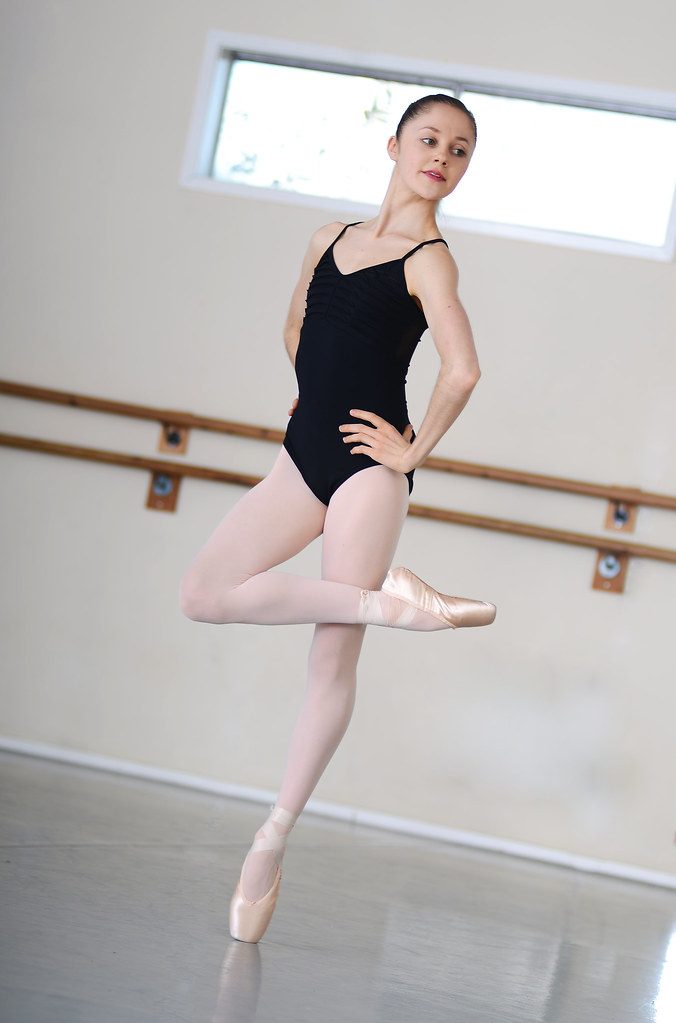
The recovery problem for a dancer is the opposite of most people's. You don't struggle to move enough — you move for six to ten hours a day, often with performances stacked on top. Your tissues, especially ankles, feet, and hips, rarely get a genuine break, and the temptation on a rare lighter day is to cross-train or 'work on weaknesses' until even the easy day becomes load. That's how overuse and stress reactions creep in.
An active recovery day exists to give back, not to take. It's a deliberately easy, low-intensity slot that promotes circulation and loosens worked tissue without adding training stress. For a dancer, that often means doing less and fueling more, not adding a workout.
This page tackles the real obstacles: how to find true recovery inside a daily-rehearsal week, what easy movement actually protects your joints, why fuel and sleep — not the easy day itself — drive your recovery, and how to read the warning signs that mean rest, not movement.
1. The Real Problem: Too Much Load, Not Too Little
Most recovery advice assumes a desk-bound person who needs to move more. You're the inverse. With rehearsal days running six to ten hours and performance seasons bringing daily shows, your body carries a load that rivals contact sport in injury rates, concentrated on ankles, feet, and hips. So the honest first move on a recovery day is to actually lower intensity — not to fill the gap with more activity because resting feels unproductive.
Two dancer-specific factors sharpen this. Hypermobility is common, which means your need is stability and control, not more range — flopping into deeper stretches on an easy day isn't recovery, and can feed joint stress. And the dance world has a long history of under-fueling for aesthetics, which sabotages recovery at the root. Here's the reframe that matters: fuel is performance infrastructure, not a threat to how you look on stage. The leanest week means nothing if your tissues can't repair. An active recovery day in this context is a genuinely easy session — or none at all — paired with proper eating and sleep, so the relentless daily load has room to consolidate into adaptation instead of breakdown.
2. Easy Movement That Protects Ankles, Feet, and Hips
When you do choose light movement on a recovery day, pick options that unload the exact tissues rehearsal hammers. The dose stays small: 20-45 minutes, RPE 2-4, fully conversational — if your breathing climbs or you feel tired after, it stopped being recovery. Here's a layout built around low joint load.
| Modality | Why it suits a dancer | Duration | Intensity |
|---|---|---|---|
| Easy swim or pool walking | Near-zero load on ankles and feet; water feels restorative | 20-30 min | RPE 2-3; conversational |
| Relaxed flat walk | Gentle circulation without jumps or pointe load | 20-35 min | 30-50% effort |
| Gentle mobility (controlled) | Maintains range without forcing hypermobile end-range | 15-25 min | Active control, not floppy stretch |
| Easy cycling, low resistance | Posterior-chain and hip blood flow, feet supported | 20-30 min | Low resistance, never breathless |
| Total session | Cap regardless of choice | 45 min max | Leave looser, never fatigued |
Swimming and pool walking are standout options because the water nearly eliminates impact on already-overloaded feet and ankles. For mobility, favor controlled, stability-oriented movement over chasing deeper splits — your range is rarely the limiter; control of it is. And cross-training into a non-dance pattern spreads stress away from the tissues you load all day. Keep it capped around 45 minutes so the day stays restorative rather than turning into another rehearsal.
3. Fuel and Sleep Drive Recovery, Not the Easy Day Itself
Be honest about where recovery actually comes from. The evidence that an active-recovery session meaningfully speeds performance recovery or reduces soreness is modest and mixed — easy movement reliably clears acute by-products faster than sitting still and lifts mood, but it's an adjunct, not the engine. The engine is sleep and fuel. Sleep is when most hormonal and tissue recovery happens, and sleep loss is plausibly tied to impaired muscle recovery and slower reaction time — directly relevant when your craft demands precise, fast movement under fatigue. Adults generally need about 7-9 hours; in heavy performance seasons you may need more.
Fuel is the other half, and for a historically under-fueled population this is where the real safety conversation lives. Chronic under-eating doesn't just blunt recovery — it raises the risk of relative energy deficiency and stress fractures, the injuries that end seasons. No amount of clever easy-day programming compensates for an energy deficit. So the framing throughout: eating enough is the performance infrastructure that lets every rehearsal and recovery day work. If you're navigating fueling, body image, or restriction pressures, that's a conversation for a sports dietitian or clinician who works with dancers, not something to solve alone — and never a reason to treat a recovery day as a chance to 'save' calories. Prioritize fuel and sleep first; let the easy movement be the small adjunct it actually is.
4. Warning Signs: When to Rest, Not Move
Knowing when to stop is the most important recovery skill a dancer has, because the load never naturally relents. Take full passive rest, not an active-recovery session, when you show systemic under-recovery: resting heart rate elevated for several mornings, a suppressed HRV trend, poor sleep, low mood and motivation, or persistently heavy, dead legs. Track these as trends across days; wearables can help with personal trends but aren't precise enough to treat as absolute numbers.
The signal that overrides everything is localized bone or joint pain. Diffuse, both-sides muscle soreness usually eases with gentle movement. But sharp, pinpoint pain — especially along the foot, shin, or hip — that worsens with impact and lingers is a possible stress reaction, and that is a stop-and-assess situation requiring clinical input, not something to push through or 'mobilize' away. Stress fractures whisper before they break; honoring that whisper protects your career. When you're unsure whether a day calls for easy movement or true rest, choose rest — you cannot under-recover from a day off, and for a dancer carrying daily load with under-fueling history, the cost of pushing a warning sign is far higher than the cost of resting. Sleep, fuel, and the courage to take a real day off do more for your stage performance than any session ever will.
Recovery Questions Dancers Ask
Can I do active recovery during performance season?
Yes, but with restraint. During a season of daily shows your load is already enormous, so 'active recovery' should usually mean genuinely easy, low-impact movement — an easy swim, a relaxed walk, gentle mobility — or simply a real rest day, paired with proper fuel and sleep. Don't use lighter days to cram cross-training or extra conditioning. The goal in season is to offload tired ankles, feet, and hips and keep you fresh for the stage, not to add training stress.
Will active recovery help with stress fractures and ankle injuries?
Not directly, and it's important not to overclaim. Easy movement supports circulation and mood, but it doesn't heal or prevent bone injuries on its own. The real protection against stress fractures is adequate fuel, enough sleep, managed load, and respecting early warning signs. Critically, sharp localized bone pain is a stop-and-assess signal for a clinician — not something to walk or mobilize through. If you suspect a stress reaction, rest and get assessed rather than relying on a recovery routine.
I've heard easy days cause water weight — does that change how I look on stage?
An easy recovery day doesn't meaningfully change your appearance — light walking, swimming, or mobility won't bulk you or hold noticeable water. That worry usually traces back to aesthetic pressure that's better addressed honestly: fueling and recovery are performance infrastructure, and under-eating to chase leanness undermines recovery and raises injury risk. Judge a recovery day by whether you feel looser and fresher for rehearsal, not by a number on a scale or a fear of bulking.
Do I even need recovery days if rehearsal already keeps me active?
You need recovery, but it looks different for you. Because rehearsal already provides huge daily volume, your recovery is mostly about lowering intensity, fueling well, and sleeping enough — not adding movement. A true recovery day might be a short easy swim or simply rest, deliberately placed so hard rehearsal or performance days don't stack relentlessly. The point is giving overloaded tissues a genuine break, which constant rehearsal never provides on its own.
Disclaimer: This article is for educational purposes only and is not medical advice. Consult a qualified healthcare professional before starting any supplement, nutrition, or training protocol — especially if you are pregnant or breastfeeding, under 18, taking medication, or managing a health condition.
Scientific References & Clinical Sources
- Dupuy O, et al. An Evidence-Based Approach for Choosing Post-exercise Recovery Techniques to Reduce Markers of Muscle Damage, Soreness, Fatigue, and Inflammation: A Systematic Review With Meta-Analysis. Front Physiol, 2018. PMID: 29755363
- Dattilo M, et al. Sleep and muscle recovery: endocrinological and molecular basis for a new and promising hypothesis. Med Hypotheses, 2011. PMID: 21550729
- Thun E, et al. Sleep, circadian rhythms, and athletic performance. Sleep Med Rev, 2015. PMID: 25553531
- Peake JM, et al. A Critical Review of Consumer Wearables, Mobile Applications, and Equipment for Providing Biofeedback, Monitoring Stress, and Sleep in Physically Active Populations. Front Physiol, 2018. PMID: 30002629

