💡 Key Takeaways
- On deck, breath control is your edge: a long-exhale or box-breathing routine behind the blocks steadies race nerves without dulling the alertness you need off the start.
- Between hard sets, 1-2 minutes of slow diaphragmatic breathing speeds the shift from sympathetic 'go' back toward recovery, so the next set starts cleaner.
- The dryland breath control you build transfers: calm, deliberate exhale habits carry into stroke rhythm and reduce the panicky over-breathing that wrecks pacing.
- Slow breathing genuinely calms nerves and aids wind-down, but it is a self-regulation tool, not a cure for performance anxiety; persistent anxiety deserves a real clinician.
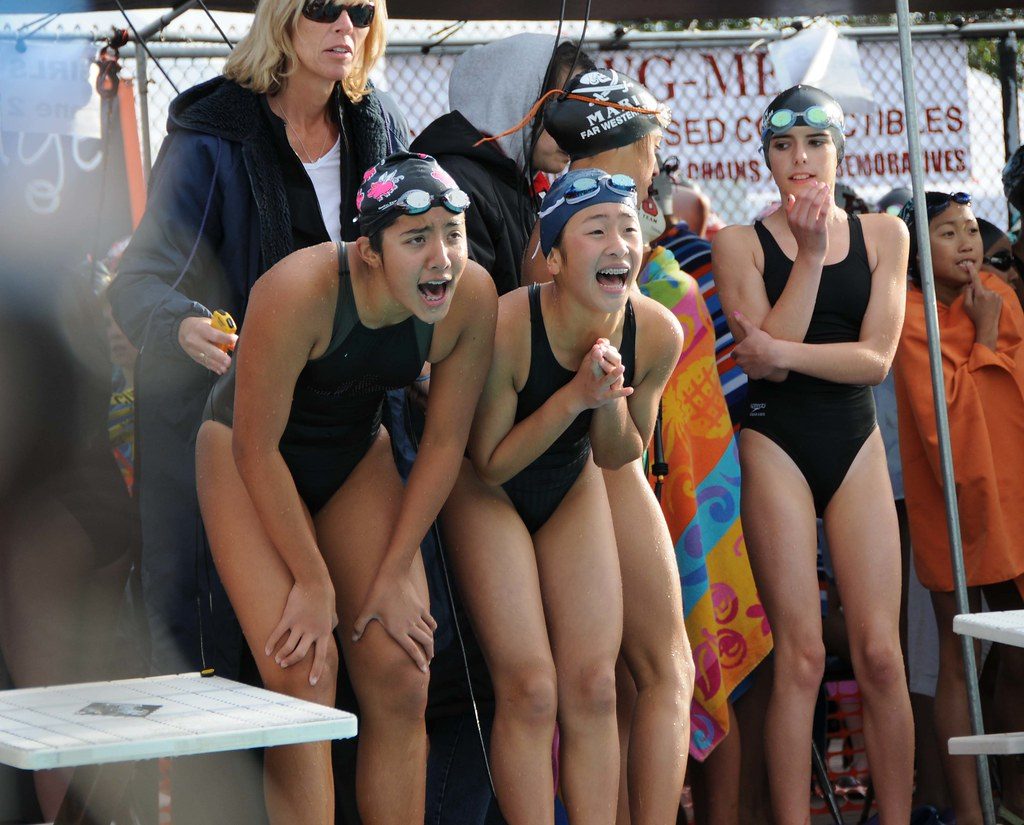
The problem shows up behind the blocks. Heart hammering, breath shallow and high in the chest, the call to step up, and a nervous system already redlining before the start even fires. Or it's mid-session: you finish a brutal threshold set gasping, and the coach gives you twenty seconds before the next one, twenty seconds you can't seem to use. In both cases your sympathetic, fight-or-flight system is running the show when you'd be faster if you could dial it back.
Breath is the lever, and as a swimmer you already train it harder than almost any other athlete. The same control you build holding a breath through a turn can be pointed at your nervous system. Slowing the breath and stretching the exhale tips your autonomic balance toward the calm, recovery side, settling pre-race nerves and speeding your return between sets.
This won't make you breaststroke faster by magic, and it isn't therapy. It's a practical, drug-free way to manage the on-deck and post-set nervous system, with honest limits. Here's how to apply it.
1. Why Your Behind-the-Blocks Nerves Hurt the Swim
Pre-race, your body floods with sympathetic activity: heart rate up, breathing fast and shallow, muscles primed. A little of that is useful, it's readiness. Too much tips into shallow chest-breathing, tension, and a foggy first 25. The autonomic nervous system works as a balance between that fight-or-flight branch and the parasympathetic, rest-and-digest branch carried mostly by the vagus nerve. When nerves overwhelm you, the sympathetic side has won too completely, and you want to pull some balance back.
Breathing does that directly, and the key is the exhale. Your heart speeds slightly as you inhale and slows as you exhale, because the parasympathetic brake is applied on the out-breath. Deliberately lengthen the exhale and you exaggerate that slowing, nudging yourself toward composed. The aim behind the blocks isn't to go limp, you still need alertness off the start, it's to drain the excess jitter so you can swim your race rather than survive it.
Cue it physically too: breathe low, belly moving more than chest. Shallow upper-chest breathing is itself a stress signal; switching to slow diaphragmatic breaths sends the opposite message. You already know how to control air. This is just aiming that control at your nerves.
2. A Pool-Deck and Dryland Breathing Protocol
Map the technique to the moment. Behind the blocks you want composure with alertness, so a short box-breathing or extended-exhale routine fits. Between sets you want recovery, so slow diaphragmatic breathing. After a 5am double or before sleep on a heavy training day, you want to down-shift fully. The table gives swimmer-specific doses; scale any count down if it feels strained and keep holds gentle.
| Swim moment | Technique | Pattern | Dose |
|---|---|---|---|
| Behind the blocks, final 2 min | Box breathing | Inhale 4, hold 4, exhale 4, hold 4 (or 3s each) | 3-4 cycles, then step up |
| Marshalling area, settling nerves | Extended exhale | Inhale 4, exhale 6-8 | 1-2 min |
| Rest between hard sets on the wall | Slow diaphragmatic | Slow, low breaths, longer exhale | 20-60s of the rest interval |
| Cooldown / post-session recovery | Coherent breathing | ~5s in, ~5s out (about 6 breaths/min) | 3-5 min on deck |
| Pre-sleep after a 5am double | 4-7-8 (scaled) | Inhale 4, hold 7, exhale 8 (or 3-5-6) | 4 cycles in bed |
Critical safety point for your sport: every technique here is done on land, on the deck or in bed. Never practice breath-holds, 4-7-8, or any forceful breathing in or near the water. Over-breathing followed by submersion is how shallow-water blackout happens, and it can be fatal. Keep breath control in the water to normal stroke breathing only.
3. How Dryland Breath Control Crosses Over to Your Stroke
Here's the part unique to swimmers. The deliberate, slow-exhale breathing you practice on deck builds a habit your body can borrow mid-race. When a distance swim starts to hurt and panic creeps in, the default failure mode is fast, shallow, chaotic breathing that breaks your stroke rhythm and spikes your sense of effort. Athletes who've trained calm, controlled exhales tend to default to a steadier pattern under that pressure, holding rhythm instead of fragmenting it.
It isn't that calming breathwork directly changes your in-water breathing mechanics, your stroke breathing is dictated by the swim. It's that the nervous-system skill transfers. Practicing a long, smooth exhale on deck teaches your body what controlled breathing feels like, so the panicky over-breathing that wrecks pacing has a trained alternative. Think of dryland slow breathing as rehearsing composure that shows up when the race gets ugly. That's a real, if modest, crossover, and it costs you nothing but a few minutes around practice.
4. Honest Limits and the Recovery Picture for Early-Morning Swimmers
Be clear about what this does. Slow breathing reliably produces acute calm and a within-session rise in HRV, plus easier pre-sleep wind-down. The clearest effect is in-the-moment; durable changes to your all-day baseline, if they come, build slowly over weeks of regular practice. It steadies nerves and speeds the between-set shift toward recovery. It does not replace training, fueling, or sleep, and for a swimmer running 5am doubles, the sleep and the fueling around those sessions move the needle far more than any breathing trick.
If you track HRV, expect a breathing session to spike the number on your watch, that's the same vagal mechanism on screen, but read it as a within-session bump and follow trends, not single readings, since device HRV is noisy. Wind-down breathing pairs naturally with the steady routines in building fitness habits if you want to make it stick around your training blocks. And keep the line on anxiety honest: breathing helps everyday pre-race nerves, but genuine performance anxiety or panic is medical territory, see a clinician rather than relying on breathwork alone. Two final cautions: separate shoulder pain that's altering your stroke needs assessment, not breathing, and again, never combine breath control with submersion.
Swimmer Breathing Questions
Will this help my 50 free or just calm me down in general?
Mostly it helps the nerves around the race rather than the swim itself. Settling your nervous system behind the blocks with a short box-breathing routine can stop pre-race jitters from spoiling your start and first few strokes, which is real for a sprint. It won't add raw speed or power. Think of it as removing a brake, less wasted tension and panic, rather than adding an engine to your 50.
How do I fit this around 5am practice?
Use the quick deck tools inside practice and a short wind-down at night. A minute of slow diaphragmatic breathing during rest intervals costs you nothing and aids recovery. The bigger lever for early sessions is sleep, so on heavy doubles days do a few cycles of scaled 4-7-8 or several minutes of coherent breathing in bed to fall asleep faster. Breathing is the on-ramp to sleep, not a replacement for it.
Does the breath control I build on deck actually transfer to my stroke?
In a modest, real way. Practicing slow, controlled exhales on deck trains the nervous-system skill of staying composed under breath pressure. When a distance swim starts to hurt, that trained calm gives your body an alternative to the panicky, rhythm-breaking over-breathing that wrecks pacing. It won't change your in-water stroke-breathing mechanics directly, but the composure carries over, and that helps you hold rhythm when the race gets ugly.
Is it safe to practice breath-holds to improve my swimming nerves?
Only on land, never in or near the water. The box and 4-7-8 patterns include gentle holds and are fine done on deck or in bed. But over-breathing or breath-holding before or during submersion can cause shallow-water blackout, which can be fatal. Keep in-water breathing to normal stroke breathing only. Do all nervous-system breathwork dry, and stop any technique that causes dizziness or air hunger.
Disclaimer: This article is for educational purposes only and is not medical advice. Consult a qualified healthcare professional before starting any supplement, nutrition, or training protocol — especially if you are pregnant or breastfeeding, under 18, taking medication, or managing a health condition.
Scientific References & Clinical Sources
- Kiviniemi AM, et al. Daily exercise prescription on the basis of HR variability among men and women. Int J Sports Med, 2007. PMID: 17345075
- Plews DJ, et al. Training adaptation and heart rate variability in elite endurance athletes: opening the door to effective monitoring. Sports Med, 2013. PMID: 23852425
- Peake JM, et al. A Critical Review of Consumer Wearables, Mobile Applications, and Equipment for Providing Biofeedback, Monitoring Stress, and Sleep in Physically Active Populations. Front Physiol, 2018. PMID: 30002629
- Mercer K, et al. Acceptability and Utility of Wearable Activity Trackers for Health Monitoring Among Older Adults With Chronic Illness: Qualitative Study. JMIR Mhealth Uhealth, 2016. PMID: 27113645

