💡 Key Takeaways
- Creatine holds roughly 0.5-2 kg of water inside muscle — budget it into your walking weight or taper off about four weeks before a hard cut.
- Never start or load creatine during a water cut; pulling water into muscle while sweating it out deepens dehydration risk.
- Off-camp, 3-5 g daily builds full stores in 3-4 weeks and feeds the repeated explosive efforts rounds are made of.
- Stores wash out over about four weeks after stopping — plan the taper at the start of camp, never improvise it in fight week.
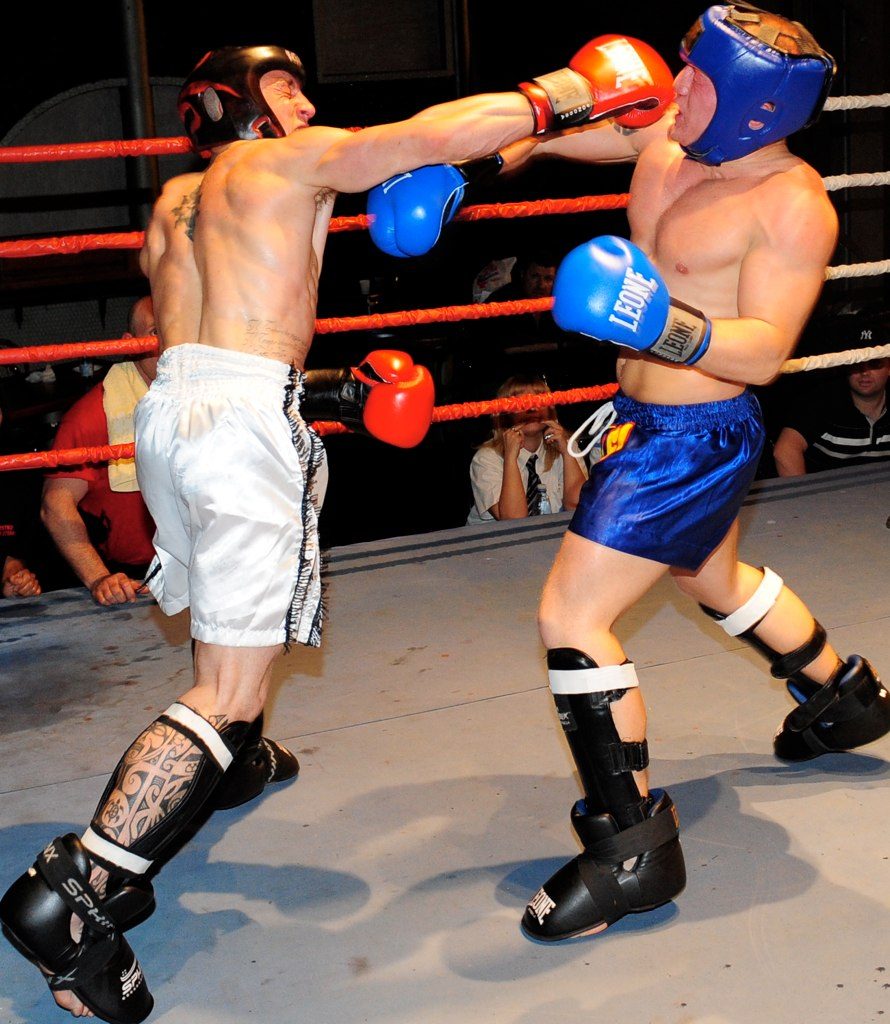
'Should I take creatine during fight camp — and what does it do to my weight cut?' If you compete in a sport with a scale, that is the only creatine question that really matters, and most answers online dodge it.
Direct answer in three sentences. Yes, creatine earns its place for combat athletes, because it fuels exactly the short, repeated explosive efforts that rounds demand. It also holds roughly 0.5-2 kg of extra water inside your muscle, which has to be accounted for at weigh-in. If your cut is small, budget the water into your plan; if your cut is large, taper off about four weeks out, because that is how long stores take to wash back down.
The rest of this page is the deep dive: why fighters respond, the full camp-versus-off-camp protocol, and the water-cut interaction that puts athletes in hospitals when they ignore it.
1. Why Rounds Are Built on Phosphocreatine
Strip a round down and it is dozens of explosive bursts on incomplete rest — a double-leg shot, a four-punch combination, a scramble off the bottom, a sprawl, a clinch break. Efforts that short and violent run on phosphocreatine, the muscle's instant energy reserve, and the reserve refills partially in the seconds between exchanges. Supplementation raises both the size of that reserve and the speed of the refill.
The research translates this into about 5-15% more output on repeated high-intensity efforts and an extra 1-2 kg of lean mass across a training block — meaningful margins in a sport decided by who still has snap in exchange forty. Grip-heavy grappling and clinch work draw on the same system, as does your second daily session when camp doubles up.
Be equally clear on what creatine will not do: it cannot fix poor conditioning, replace sleep lost to a fight-week schedule, or speed recovery from head contact. Anything involving concussion belongs with a physician, not a supplement shelf.
2. The Camp Calendar: Phase-by-Phase Protocol
The right protocol depends on where you sit in the fight calendar and how big the cut is. This table is the whole system.
| Phase | Daily protocol | Why |
|---|---|---|
| Off-camp, no fight booked | 3-5 g monohydrate with any meal | Builds and holds full stores; the base you train on year-round |
| Camp, 8-4 weeks out | 3-5 g daily; log walking weight every morning | Stores stay full for hard sparring while you learn your creatine-on weight |
| Final 4 weeks, cut over ~4% bodyweight | Taper to zero at the 4-week mark | Stores and their 0.5-2 kg of water wash out in time for the cut |
| Final 4 weeks, cut under ~3% bodyweight | Hold 3 g daily; budget 1-2 kg into the cut plan | Small cuts can absorb the water without extra sauna time |
| Post-weigh-in, 24-36 h to fight | Optional single 5 g with rehydration fluids | Will not resaturate in a day; restarts the clock without GI risk |
| Week after the fight | Resume 3-5 g daily, or reload to saturate faster | Back to full stores in 3-4 weeks steady, about 1 week loading |
3. Water Cuts and Weigh-Ins: the Interaction You Cannot Wing
This is the safety section, and it is blunt. The water creatine adds sits inside your muscle cells, and a water cut drains total body water through sweat, sauna and fluid restriction. Run both at once and two failure modes appear. First, you arrive at fight week heavier than projected and compensate with longer sauna sessions and deeper dehydration — the exact mechanism behind the sport's weigh-in hospitalizations. Second, you panic-stop creatine days before the weigh-in expecting instant relief, but washout takes about four weeks, so you surrender the benefit and keep the water anyway.
Three rules eliminate both. Decide your creatine plan on day one of camp, when you book the fight, never inside the final month. Never begin or load creatine within four weeks of a hard cut — pulling water into muscle while sweating it out works directly against you. Weigh in daily from week eight so your creatine-on walking weight is a known number, not a guess your coach has to absorb in fight week.
One more thing: fighters often ask whether they should 'cycle' creatine anyway. Physiologically there is no need — the case is covered in do you need to cycle creatine — so the scale is the only legitimate reason a fighter ever steps off it.
4. Post-Weigh-In: Can You Reload Before the Cage Door Closes?
Short answer: not meaningfully. Muscle saturation is a weeks-long process, and no dose taken after Friday's scale will refill depleted stores by Saturday night. Rehydration priorities stay classical — fluids, electrolytes and carbohydrate, in volumes you have rehearsed in camp, on a schedule your team controls.
A single 5 g dose mixed into your rehydration fluids does no harm and starts the resaturation clock a day early, which is worth taking. What you must not do is slam 10-20 g in a misguided sprint to refill: gut distress is dose-dependent and shows up reliably at big single doses — the last thing you want between weigh-in and walkout. If you held 3 g through a small cut, just continue as normal; your stores never left.
5. Between Camps: Rebuild, Maintain, Repeat
The week after the fight, restart the base: 3-5 g daily puts you back at full saturation in three to four weeks. In a hurry before the next camp, use the fast route — 20 g a day split as four 5 g doses for five to seven days, then back to maintenance; the day-by-day version lives in our creatine loading phase guide. Long term, both roads end at the same stores.
Two-a-day logistics are simple: attach the dose to whichever meal you never skip, and if you ever run bigger doses, split them across meals to keep your gut quiet through evening sparring. And a post-fight honesty note — the celebration is earned, but alcohol measurably blunts the muscle-repair response while your body is fixing two months of camp damage. Creatine does not offset it. Keep the big night singular, then get back to rebuilding.
What Fighters Actually Google
Will creatine ruin my weight cut?
Only if you ignore it. Saturated stores hold roughly 0.5-2 kg of water inside muscle — invisible to a fighter who never weighs in, decisive for one who does. Small cut, under about 3% of bodyweight: keep dosing and budget the water into the plan. Big cut: taper off four weeks out so the water leaves on schedule. The fighters who get hurt are the ones who discover the extra weight in fight week.
Should I stop creatine during fight camp?
Depends entirely on the size of the cut, and the decision belongs at the start of camp. Hard sparring weeks are exactly when full stores help most, so keep 3-5 g daily through the first half of any camp. From there: large cut, taper at the four-week mark; small cut, hold a 3 g dose and account for the water. The only wrong answer is changing course inside fight week.
Does creatine help in the championship rounds?
Honestly: partly. Late-round output is mostly built from conditioning, pacing and fueling — no powder replaces an engine. What creatine specifically improves is the repeated-burst pattern within rounds, recharging your instant energy between exchanges so the fifth scramble looks more like the first. Trials put that edge around 5-15% on repeated high-intensity efforts. Think of it as a few percent stacked on top of a real gas tank, not a substitute for one.
Can I take creatine right after weigh-ins?
You can, but keep it modest and keep expectations honest. Resaturation takes weeks, so nothing you swallow on Friday refills stores by fight night. Mix a single 5 g dose into your planned rehydration fluids — it starts the rebuilding clock and costs nothing. Avoid large doses entirely: gut distress climbs sharply with big single servings, and fluids, electrolytes and carbohydrate are the priorities that actually restore you before the walkout.
Disclaimer: This article is for educational purposes only and is not medical advice. Consult a qualified healthcare professional before starting any supplement, nutrition, or training protocol — especially if you are pregnant or breastfeeding, under 18, taking medication, or managing a health condition.
Scientific References & Clinical Sources
- Kreider RB, et al. International Society of Sports Nutrition position stand: safety and efficacy of creatine supplementation in exercise, sport, and medicine. J Int Soc Sports Nutr, 2017. PMID: 28615996
- Powers ME, et al. Creatine supplementation increases total body water without altering fluid distribution. J Athl Train, 2003. PMID: 12937471
- Ostojic SM, Ahmetovic Z. Gastrointestinal distress after creatine supplementation in athletes: are side effects dose dependent?. Res Sports Med, 2008. PMID: 18373286
- Vandenberghe K, et al. Effects of training and creatine supplement on muscle strength and body mass. Eur J Appl Physiol Occup Physiol, 1999. PMID: 10408330
Set your targets with the free calorie and macro calculator, then build a day of meals with the meal plan generator.

