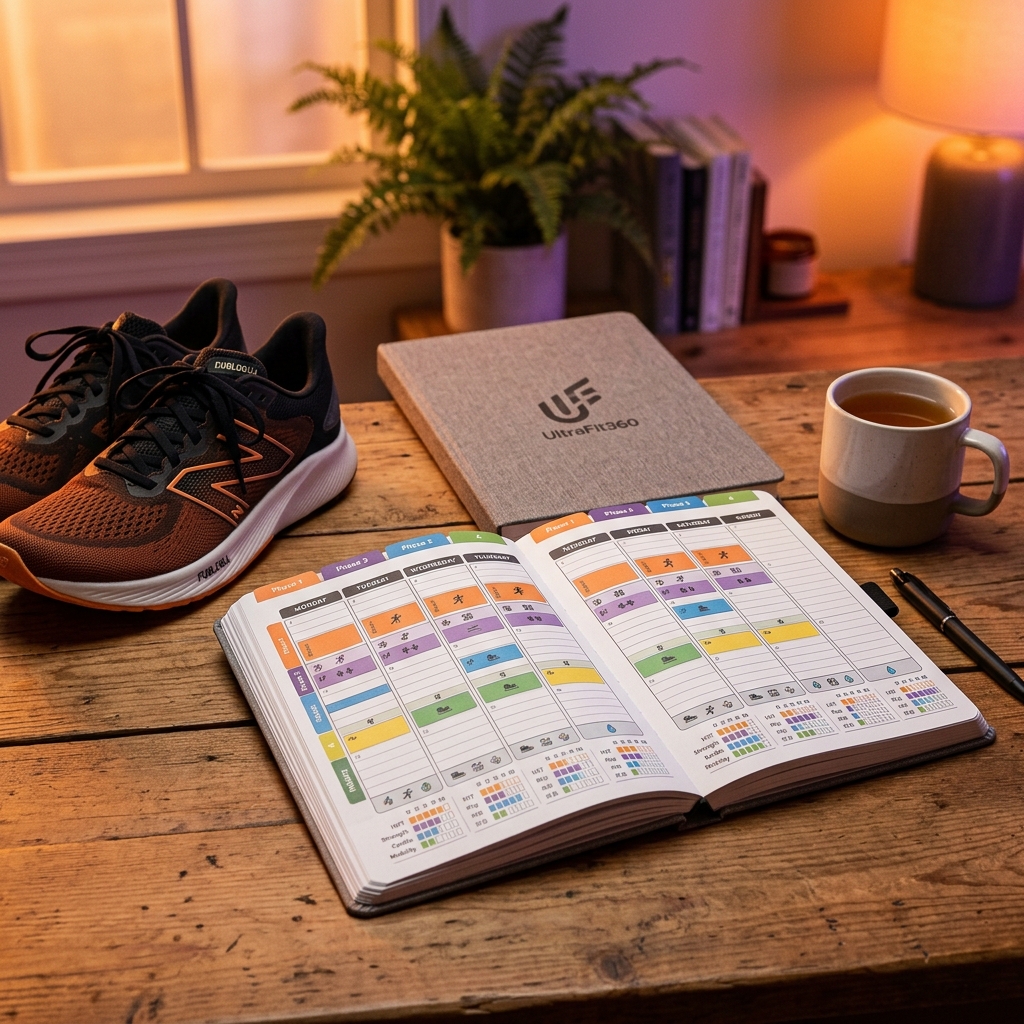
If you have ever smashed a leg day one week and then, just a few days later, felt unusually heavy, bloated, low-energy, or unmotivated during the exact same workout, you are not being lazy. For many women, those shifts are tied to the menstrual cycle. That is the core idea behind cycle syncing workouts: adjusting training intensity, exercise selection, recovery, and even nutrition based on the different phases of your cycle.
For Indian women especially, this conversation matters. Many grow up hearing two extremes: either “don’t exercise during periods at all” or “just ignore it and push through.” The truth sits in the middle. Your cycle does not mean you should stop training every month, but it can affect energy, cramps, appetite, sleep, body temperature, and performance. Learning to work with those changes can help you stay more consistent, reduce guilt, and train smarter for the long term.
Also, one important reminder before we begin: cycle syncing is a flexible framework, not a strict rulebook. Not every woman has a textbook 28-day cycle. Not every woman ovulates regularly. PCOS, endometriosis, thyroid issues, stress, under-eating, perimenopause, and hormonal contraceptives can all change the pattern. So use this guide as a starting point, then personalise it based on your own body.
What Is Cycle Syncing in Fitness?
Cycle syncing in fitness means planning your workouts around the four main phases of the menstrual cycle:
- Menstrual phase — when bleeding starts
- Follicular phase — energy often begins to rise
- Ovulatory phase — many women feel strongest or most energetic
- Luteal phase — body temperature rises, PMS may appear, recovery needs may change
The goal is not to dramatically change your entire routine every week. The goal is to make small, intelligent adjustments. For example:
- Pushing heavier strength sessions when you feel more powerful
- Using lower-intensity training when cramps, fatigue, or PMS are high
- Planning deloads or recovery days more strategically
- Matching food choices and hydration to how your body feels in each phase
This approach can be especially helpful if you often wonder why your performance feels inconsistent despite doing “everything right.”
First, Know the Four Phases of the Menstrual Cycle
While cycle length differs from person to person, here is the standard phase breakdown:
1. Menstrual Phase
This begins on day 1 of your period. Estrogen and progesterone are both low. Some women feel normal during this time; others experience cramps, fatigue, headaches, digestive changes, or low mood.
2. Follicular Phase
This starts alongside menstruation and continues after bleeding ends. Estrogen begins rising. Many women notice better mood, improved recovery, and a return of motivation.
3. Ovulatory Phase
This is the short window around ovulation, usually mid-cycle in a regular cycle. Estrogen peaks, and some women feel stronger, more social, and more confident.
4. Luteal Phase
After ovulation, progesterone rises. This phase is often linked with bloating, cravings, breast tenderness, sleep changes, irritability, and premenstrual symptoms, especially in the final few days before the next period.
Now let’s break down how to train in each phase in a way that actually feels practical for Indian women balancing work, commuting, family schedules, and everyday life.
Menstrual Phase Workouts: Train Gently, Not Fearfully
There is a common myth in India that women should avoid all exercise during periods. In reality, movement is often helpful. The catch is that the type and intensity of exercise matter.
If your cramps are mild and energy is decent, you may be able to train almost normally. But if you have heavy bleeding, lower-back pain, fatigue, or nausea, this is not the best time to force a brutal HIIT session just because your calendar says “leg day.”
Best workout options during your period
- Walking
- Gentle yoga or mobility work
- Light strength training
- Easy cycling
- Stretching and breathwork
- Short home workouts
What to reduce if symptoms are strong
- Very heavy lifting
- Long HIIT sessions
- High-impact jumping workouts
- Anything that worsens cramping or dizziness
For many women, even a 20-minute walk can feel better than doing nothing. Movement may improve blood flow, reduce stiffness, and support mood. But if your periods are extremely painful or you regularly feel faint, that is not something to “just tolerate.” It may be worth discussing with a doctor.
Indian nutrition tip for the menstrual phase
If you lose a lot of blood, pay attention to iron intake. Indian women are already at higher risk of iron deficiency. Include foods like:
- Palak and other leafy greens
- Jaggery in moderation
- Dates
- Rajma and chana
- Lean meats if you eat non-veg
- Vitamin C sources like amla, orange, lemon, guava to support iron absorption
Follicular Phase Workouts: Build Momentum
After your period, many women feel like a fog lifts. Energy improves, bloating reduces, and training starts to feel more productive. This is often the best phase for progression.
If you are trying to build muscle, improve performance, or increase training volume, the follicular phase is usually a smart time to do it. This is when many women feel mentally fresh enough to train hard and physically recovered enough to adapt well.
Best workouts for the follicular phase
- Strength training with progressive overload
- Compound lifts like squats, deadlifts, presses, rows
- Skill-based training
- Faster runs or intervals
- Group classes if you enjoy high energy environments
This can be a great time to:
- Add weight to your lifts
- Increase reps or sets
- Try a new class
- Push your pace in cardio
- Work on athletic goals like pull-ups, push-ups, or sprinting
For Indian women who train early in the morning before office or college, this phase often feels noticeably easier. If you have been struggling with consistency, planning your hardest training block here can make a big difference.
Nutrition support during the follicular phase
Keep meals balanced and protein-focused. Good Indian protein options include:
- Paneer
- Greek yogurt or hung curd
- Milk
- Soya chunks
- Tofu
- Moong chilla
- Dal with rice for complementary protein
- Eggs
- Chicken or fish if non-vegetarian
Vegetarian women often underestimate protein intake. If your goal is fat loss with muscle retention or body recomposition, this matters a lot.
Ovulation Workouts: Use the Peak, But Stay Smart
The ovulatory phase is short, but many women report feeling their best here. Confidence is high, workouts feel sharp, and strength or speed may peak. If there is a week where you feel like saying, “I can lift everything today,” this may be it.
Best workouts around ovulation
- Heavy strength days
- Personal record attempts
- HIIT in moderation
- Sprint intervals
- Sports performance sessions
- Challenging full-body workouts
If you are training for a race, trying to improve your squat, or enjoy intense sessions, this is often a strong performance window.
That said, feeling amazing can sometimes make people careless. Warm up properly. Focus on form. Some research suggests ligament laxity may change around ovulation, though evidence is mixed. You do not need to fear injury, but it is a good reason not to skip activation, mobility, and landing mechanics.
Real-life example
If you are an Indian working professional who gets only 4 gym sessions a week, you might structure them like this during the follicular-to-ovulatory period:
- Day 1: Heavy lower body
- Day 2: Upper body strength
- Day 3: HIIT or intervals
- Day 4: Full-body progressive overload session
This lets you take advantage of the phase where your body may feel most capable of hard effort.
Luteal Phase Workouts: Adjust, Don’t Quit
The luteal phase is where many women feel frustrated. Workouts that felt easy two weeks ago now feel harder. You may feel hotter, puffier, hungrier, moodier, and less motivated. This does not mean your fitness is declining. It means your body is in a different hormonal environment.
Progesterone rises in this phase, and many women notice:
- Higher perceived effort
- Lower heat tolerance
- Cravings
- Bloating
- Sleep disturbances
- PMS symptoms
This is where cycle syncing becomes most useful. Instead of judging yourself for not performing like you did at ovulation, you simply shift the plan.
Best workouts for the luteal phase
- Moderate-intensity strength training
- Steady-state cardio
- Pilates
- Yoga
- Mobility work
- Shorter gym sessions
- Technique-focused sessions instead of max-effort sessions
How to modify training in late luteal phase
- Reduce volume slightly
- Keep weights moderate instead of chasing PRs
- Take longer rest periods
- Train in cooler environments if possible
- Swap one HIIT session for walking or cycling
If PMS is strong, consistency matters more than intensity. A 30-minute workout you can complete is better than a 60-minute plan you dread and skip.
Indian nutrition tip for the luteal phase
Cravings are normal. Instead of trying to “be strict,” build satisfying meals with protein, fibre, and carbs. Useful options include:
- Dahi with fruit and seeds
- Paneer bhurji with roti
- Khichdi with extra dal
- Poha with peanuts and curd
- Upma with vegetables and a protein side
- Egg bhurji with toast
- Roasted chana as a snack
This phase is also a good time to watch hydration and sodium balance, especially in Indian summers when heat and humidity already make training harder.
What If Your Cycle Is Irregular?
Many Indian women do not have perfectly regular cycles, and that is exactly why rigid social media advice can be misleading. If your periods are irregular, very painful, missing, or unpredictable, you can still use cycle syncing principles, but you should focus more on symptoms than exact dates.
Ask yourself:
- Do I feel energetic or drained today?
- Am I sleeping well?
- Do I have cramps, bloating, or headaches?
- How hard does my warm-up feel?
- Is my motivation high, average, or low?
Your body’s feedback is often more useful than a generic day-by-day template.
If cycles are
Transform Your Fitness Journey
Log your workouts, track your diet, and get AI coaching insights — all with UltraFit360.