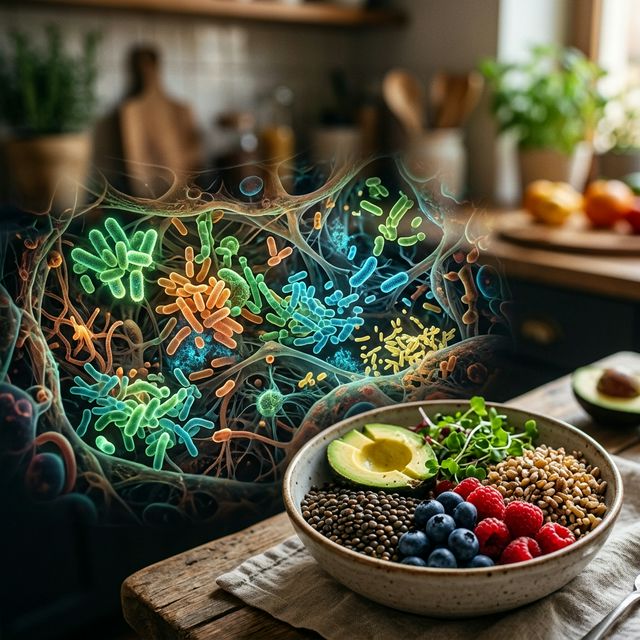
If you've spent any time in wellness circles lately, you've probably noticed a new word taking over nutrition conversations: fibermaxxing. Equal parts internet trend and legitimate dietary science, fibermaxxing is simply the practice of deliberately and consistently prioritizing fiber intake — eating enough of it, from enough varied sources, to meaningfully shift your gut health, metabolic markers, and overall wellbeing. In 2026, it's emerged as one of the most talked-about nutrition strategies, and unlike many wellness fads, the evidence behind it is genuinely compelling.
What Is Fibermaxxing?
Fibermaxxing isn't a strict protocol with defined phases or branded supplements. It's a mindset shift: instead of treating fiber as a side thought, you treat it as a non-negotiable nutritional priority at every meal. The name comes from the internet's "maxxing" language — an exaggerated version of optimizing something — but the underlying goal is practical. Most adults in the United States consume somewhere between 10 and 15 grams of fiber per day, well short of the 25–38 grams recommended by the Dietary Guidelines for Americans. Fibermaxxing means closing that gap, intentionally.
The trend gained momentum as more people connected poor gut health to broader symptoms — bloating, energy crashes, poor sleep, stubborn weight, and mood fluctuations. Research on the gut-brain axis and the microbiome has grown substantially over the past decade, and fiber sits at the center of it all. Your gut bacteria don't just exist passively — they ferment fiber, producing compounds that influence everything from inflammation to insulin sensitivity.
Soluble vs. Insoluble Fiber: Why Both Matter
Not all fiber does the same job in your body. There are two main types, and understanding the distinction helps you eat more strategically rather than just chasing a gram count.
- Soluble fiber dissolves in water and forms a gel-like substance in your digestive tract. This gel slows the movement of food through your gut, which blunts blood sugar spikes after meals, lowers LDL cholesterol by binding to bile acids, and keeps you feeling full longer. Good sources include oats, barley, beans, lentils, apples, citrus fruits, and flaxseed.
- Insoluble fiber doesn't dissolve — it adds bulk and speeds transit time through your intestines. This is the type most associated with regularity and preventing constipation. It also acts as a prebiotic, feeding beneficial bacteria in your colon. Whole wheat, bran, nuts, seeds, and most vegetables are rich in insoluble fiber.
Most whole plant foods contain a mix of both types, which is why dietary diversity matters more than obsessing over one category. Eating a wide range of high-fiber foods gives your gut a spectrum of substrates to work with.
The Real Benefits of Getting Enough Fiber
The reason fibermaxxing has captured so much attention is that its benefits cut across multiple systems in the body — this isn't a single-outcome intervention.
- Microbiome diversity: Fiber feeds the colonies of beneficial bacteria in your colon. When these bacteria ferment fiber, they produce short-chain fatty acids — particularly butyrate, acetate, and propionate — which serve as fuel for colon cells, reduce gut inflammation, and may even influence immune function. A richer, more diverse microbiome is increasingly associated with better metabolic health and lower risk of chronic disease.
- Satiety and appetite regulation: Soluble fiber slows gastric emptying, meaning food stays in your stomach longer. This signals fullness more effectively and helps reduce overall caloric intake without requiring you to consciously restrict. If you've ever eaten a big salad and been genuinely full for hours, that's partly fiber at work.
- Blood glucose control: The gel formed by soluble fiber physically slows the absorption of glucose from your small intestine. This produces a flatter, more gradual blood sugar curve after meals — reducing energy crashes and lowering the insulin demand on your pancreas over time.
- Cholesterol reduction: Soluble fiber binds to bile acids in your digestive tract, pulling them out of circulation. Your liver then has to use more cholesterol to make new bile acids, which draws down LDL levels. Oats in particular have a strong evidence base here, largely due to their beta-glucan content.
- Digestive regularity: Insoluble fiber adds bulk to stool and accelerates transit time. Consistent adequate intake is one of the most reliable non-pharmacological approaches to preventing constipation and supporting regular, comfortable digestion.
How to Ramp Up Safely — Without the Side Effects
The most common fibermaxxing mistake is going from 12 grams a day to 40 grams overnight. Your gut microbiome is a living ecosystem, and when you suddenly flood it with dramatically more fiber than it's used to processing, the fermentation activity spikes. The result: bloating, gas, cramping, and discomfort that leads many people to abandon the effort entirely.
The smarter approach is gradual and methodical:
- Increase slowly: Add roughly 3–5 grams of additional fiber per week. Give your microbiome time to adapt its bacterial populations to handle more fermentable material.
- Hydrate consistently: Fiber absorbs water as it moves through your gut. If you increase fiber without increasing fluid intake, you can end up more constipated, not less. Aim for at least 2 liters of water per day as you ramp up — more if you're active.
- Distribute across meals: Don't load all your fiber into one meal. Spreading intake throughout the day gives your digestive system a more even workload and reduces the chance of fermentation overload at any single point.
- Prioritize whole foods over supplements: Psyllium husk and fiber powders have their place, but they don't come with the micronutrients, phytonutrients, and diverse fiber types that whole foods provide. Build your fiber foundation with food first.
The Best High-Fiber Foods to Build Your Diet Around
Fibermaxxing doesn't require exotic ingredients or expensive specialty products. The highest-impact foods are widely available and affordable:
- Legumes: Lentils, black beans, chickpeas, kidney beans, and split peas are among the most fiber-dense foods available — typically providing 12–16 grams per cooked cup. They're also high in protein, making them especially useful for plant-based eaters.
- Whole grains: Oats, quinoa, bulgur, barley, and whole wheat provide significantly more fiber than their refined counterparts. A cup of cooked barley delivers around 6 grams; rolled oats provide about 4 grams per half-cup dry.
- Vegetables: Artichokes, broccoli, Brussels sprouts, carrots, and sweet potatoes are standouts. Don't underestimate leafy greens — while lower in fiber per gram, their volume and water content make them easy to eat in large quantities.
- Fruits: Raspberries, blackberries, pears, apples (with skin), and avocados are high-fiber options. Berries in particular punch above their weight — a cup of raspberries has about 8 grams of fiber.
- Nuts and seeds: Chia seeds are exceptional, with around 10 grams of fiber per ounce. Flaxseed, almonds, and sunflower seeds also contribute meaningfully. These are easy to add to smoothies, yogurt, or oatmeal without changing a meal's character dramatically.
Setting Realistic Fiber Targets
The general recommendations — 25 grams per day for women and 38 grams per day for men — are reasonable starting targets. But context matters. If you're currently eating 12 grams daily, getting to 25 grams over four to six weeks is a genuine achievement. Don't let the perfect target be the enemy of meaningful progress.
A practical way to approach it: aim to include at least one high-fiber food in every meal and one in every snack. If breakfast has oats or fruit, lunch has beans or a grain bowl, dinner has roasted vegetables and lentils, and snacks include nuts or seeds, you'll naturally arrive near or above recommendations without obsessive tracking.
That said, tracking does help — especially early on when you're learning what your typical meals actually deliver. Many people are genuinely surprised how far short their current diet falls, and seeing the numbers makes the gap concrete and actionable.
What Fibermaxxing Is Not
A few clarifications worth making: fibermaxxing is not about eating unlimited fiber indiscriminately. Going significantly beyond 50–60 grams per day without medical guidance can interfere with mineral absorption — fiber can bind to zinc, iron, and calcium and reduce how much you absorb. It's also not a substitute for medical care. If you have inflammatory bowel disease, irritable bowel syndrome, or a history of bowel obstruction, changes to fiber intake should be discussed with your doctor first, as high fiber can exacerbate certain conditions.
And fibermaxxing alone won't override a diet built on ultra-processed foods, inadequate protein, or excessive added sugar. It's one pillar of a solid nutritional foundation — an important one, but still one piece of a larger picture.
If you want to take the guesswork out of fibermaxxing and actually know whether your daily meals are hitting your fiber targets — alongside your protein, calories, and micronutrients — UltraFit360's nutrition tracking gives you a clear view of what you're eating and where the gaps are, so you can build the habits that stick.
Transform Your Fitness Journey
Log your workouts, track your diet, and get AI coaching insights — all with UltraFit360.