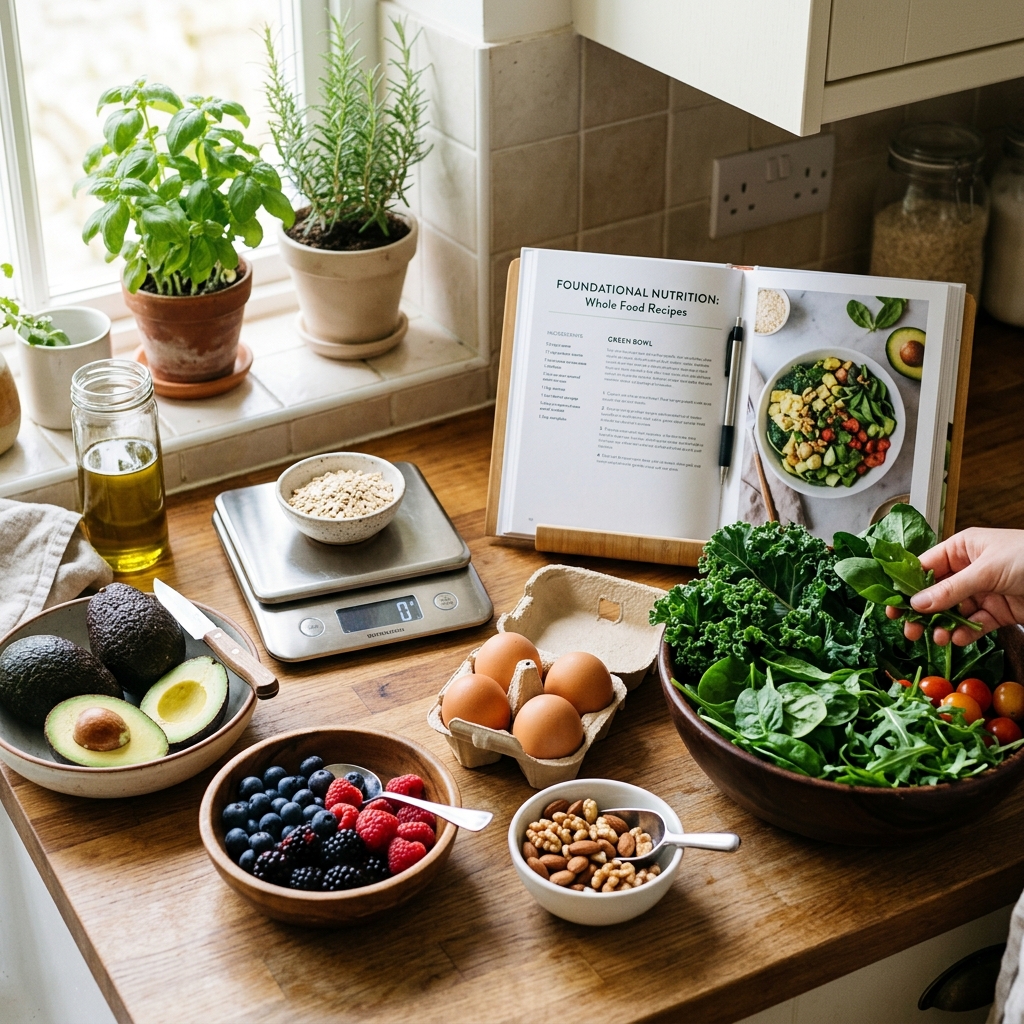
Every serious athlete knows the feeling: you push hard in training, your body breaks down, and then—ideally—it rebuilds stronger. What most people overlook is that the food on your plate has as much influence over that rebuilding process as the training itself. In 2026, functional nutrition has moved from the fringes of sports science into mainstream coaching, and anti-inflammatory eating is at the center of that shift. Understanding how your diet interacts with inflammation isn't just for elite competitors—it's a practical tool any active person can use to train harder, recover faster, and feel better day to day.
The Two Faces of Inflammation
Inflammation often gets painted as the enemy, but the reality is more nuanced. Acute inflammation is your body's first responder—the immediate swelling, heat, and soreness that follows a hard training session or a minor injury. This short-term response is essential. It signals repair crews (immune cells, growth factors, satellite cells) to flood damaged tissue and start rebuilding. Without it, adaptation stalls.
The problem is chronic, low-grade inflammation—a persistent, smoldering state that never fully resolves. Unlike the sharp spike after a tough workout, chronic inflammation lingers in the background for weeks, months, or years. It's driven by poor sleep, high stress, sedentary behavior, and—critically—dietary patterns that tip the body toward a pro-inflammatory state. Over time, chronic inflammation interferes with muscle repair, blunts hormonal signaling, increases injury risk, and drains energy. The goal of anti-inflammatory eating isn't to suppress the acute response your body needs; it's to douse the chronic fire that works against you.
The Anti-Inflammatory Plate: What to Prioritize
Building an anti-inflammatory plate doesn't require exotic superfoods or complicated protocols. It comes down to consistent choices across a handful of well-established food categories.
Omega-3 Fatty Acids
Omega-3s—particularly EPA and DHA found in fatty fish—are among the most studied anti-inflammatory compounds in sports nutrition. They help shift the balance of signaling molecules your body produces toward those that resolve inflammation rather than amplify it. Aim to include omega-3-rich sources regularly:
- Fatty fish: salmon, sardines, mackerel, herring (two to three servings per week is a well-supported target)
- Walnuts and flaxseeds: plant sources of ALA, a precursor that converts (less efficiently) to EPA and DHA
- Chia seeds: versatile, easy to add to smoothies or oats
- Algae-based omega-3 supplements: a solid option for plant-based athletes who don't eat fish
Polyphenol-Rich Foods
Polyphenols are plant compounds that interact with inflammatory pathways and support antioxidant defenses. A wide variety of fruits, vegetables, and other plant foods supply them, which is why dietary diversity matters so much. Prioritize:
- Berries: blueberries, tart cherries, and blackberries are particularly dense in anthocyanins, a class of polyphenols with well-documented recovery benefits
- Dark leafy greens: spinach, kale, and arugula supply quercetin and other flavonoids
- Beets: betalains give beets their color and their anti-inflammatory properties, alongside nitrates that support blood flow
- Dark chocolate (70%+ cacao): flavanols in cocoa have measurable effects on vascular health and oxidative stress
- Green tea: rich in EGCG, a catechin with broad anti-inflammatory activity
Anti-Inflammatory Spices
Spices punch well above their weight relative to serving size. They're calorie-free flavor enhancers that also happen to carry meaningful bioactive compounds:
- Turmeric: curcumin, its active compound, has been researched extensively for muscle soreness and joint inflammation. Pair it with black pepper to significantly improve absorption
- Ginger: gingerols and shogaols modulate inflammatory enzymes; ginger has shown promise in reducing exercise-induced muscle pain
- Cinnamon: helps with blood sugar regulation, which indirectly reduces inflammatory signaling driven by glucose spikes
- Garlic: allicin and related compounds support immune function and have anti-inflammatory properties
Fiber and the Gut Connection
The gut microbiome has become one of the hottest areas in both sports science and nutrition research, and for good reason. A diverse, well-fed gut microbiome produces short-chain fatty acids that help regulate systemic inflammation. Adequate fiber is the primary fuel source for beneficial gut bacteria. Whole grains (oats, quinoa, brown rice), legumes (lentils, chickpeas, black beans), and a wide variety of vegetables and fruits all contribute. Athletes often under-eat fiber while chasing protein targets—this is a mistake worth correcting.
What to Limit
Anti-inflammatory eating is as much about reducing pro-inflammatory inputs as it is about adding beneficial ones. A few categories consistently show up in the research as drivers of chronic low-grade inflammation:
- Ultra-processed foods: packaged snacks, fast food, and convenience items often combine refined oils, added sugars, refined flour, and artificial additives in ways that promote inflammatory signaling. The degree of processing matters, not just individual ingredients
- Refined carbohydrates and added sugars: rapid blood glucose spikes trigger inflammatory responses. This doesn't mean avoiding carbohydrates—it means choosing whole-food sources with fiber that blunt the spike
- Excess omega-6 fatty acids: vegetable oils high in linoleic acid (corn, soybean, sunflower) aren't inherently harmful, but the modern diet supplies them in quantities that tip the omega-6 to omega-3 ratio far out of the range humans evolved with. Cutting back on highly processed oils and fried foods helps rebalance this ratio
- Alcohol: even moderate alcohol disrupts sleep quality and impairs muscle protein synthesis—two recovery mechanisms that operate closely alongside inflammation management
- Excessive sodium: high sodium intake is linked to immune dysregulation; most excess comes from processed and restaurant food, not from salting home-cooked meals
Restriction doesn't mean perfection. A single meal or even a bad week doesn't define your inflammatory status—patterns over weeks and months do. The goal is a consistent dietary environment that tilts toward resolution, not a rigid ruleset that creates stress (which itself drives inflammation).
The Recovery Window: Timing Matters
Post-training nutrition isn't just about protein and carbohydrates. The recovery window is also when strategic anti-inflammatory food choices can make the most practical difference.
In the hour or two after a hard session, your body is acutely inflamed and beginning repair. Flooding it with antioxidants right at this moment is actually counterproductive—you want the acute inflammatory signal to do its job. Where anti-inflammatory nutrition really shines is in the broader recovery period: the meals and snacks between training sessions that set the stage for adaptation.
Tart cherry juice has been studied specifically in this context. Athletes consuming it around training have reported reduced muscle soreness and faster recovery of strength compared to placebo—with effects attributed to its anthocyanin content. While it's not a magic bullet, it's a practical, food-first option worth incorporating around high-volume training blocks.
Protein quality also intersects here. Complete protein sources that deliver adequate leucine trigger muscle protein synthesis, which is the other side of the recovery coin from inflammation management. Combining anti-inflammatory foods with solid protein sources at post-training meals addresses both levers simultaneously—think salmon with a large vegetable side, or Greek yogurt with berries and walnuts.
Hydration as an Anti-Inflammatory Tool
Hydration is easy to overlook in a conversation about nutrients, but its role in inflammation is real. Dehydration increases the concentration of pro-inflammatory markers in the blood and impairs the kidneys' ability to clear metabolic waste products generated during intense training. Even mild dehydration affects perceived effort, mood, and recovery quality. Water remains the foundation, but for longer training sessions, electrolyte replacement—particularly sodium and potassium—supports fluid retention and cellular function. Coconut water, diluted fruit juice, and purpose-made electrolyte products without excessive added sugar are all reasonable options.
Building an Anti-Inflammatory Pattern You'll Actually Stick To
The most effective nutritional strategy is the one that becomes habitual. A few practical principles make anti-inflammatory eating sustainable rather than aspirational:
- Cook more at home: home cooking is the single highest-leverage change most people can make, because it gives you control over oil quality, sodium, and ingredient choices
- Eat the rainbow: diversity in plant food color translates to diversity in polyphenol types; aim for five or more different colored vegetables and fruits daily
- Batch-prep anti-inflammatory staples: cook a grain, roast vegetables, and prepare a protein source at the start of the week so healthy choices require less friction under time pressure
- Use spices liberally: integrating turmeric into scrambled eggs, ginger into dressings, and cinnamon into oatmeal costs almost nothing in effort and adds up over time
- Treat fish like a training tool: scheduling fatty fish into your weekly meal plan the same way you schedule hard workouts reframes it from optional to essential
- Watch the ultra-processed default: most people underestimate how much of their diet comes from processed sources; a simple audit of a typical day is often eye-opening
Functional nutrition isn't a detox, a cleanse, or a 30-day challenge. It's a long-game approach to keeping your body in a state where hard training leads to adaptation instead of breakdown. Athletes who treat food with the same intentionality they bring to programming and sleep tend to find a level of consistency and resilience that's hard to attribute to any single variable—because it isn't one. It's the cumulative effect of hundreds of small, well-directed choices.
Start tracking what you eat and how you recover in UltraFit360—logging your meals alongside your training sessions gives you real data on the patterns that drive your best performance and the ones that hold you back.
Transform Your Fitness Journey
Log your workouts, track your diet, and get AI coaching insights — all with UltraFit360.