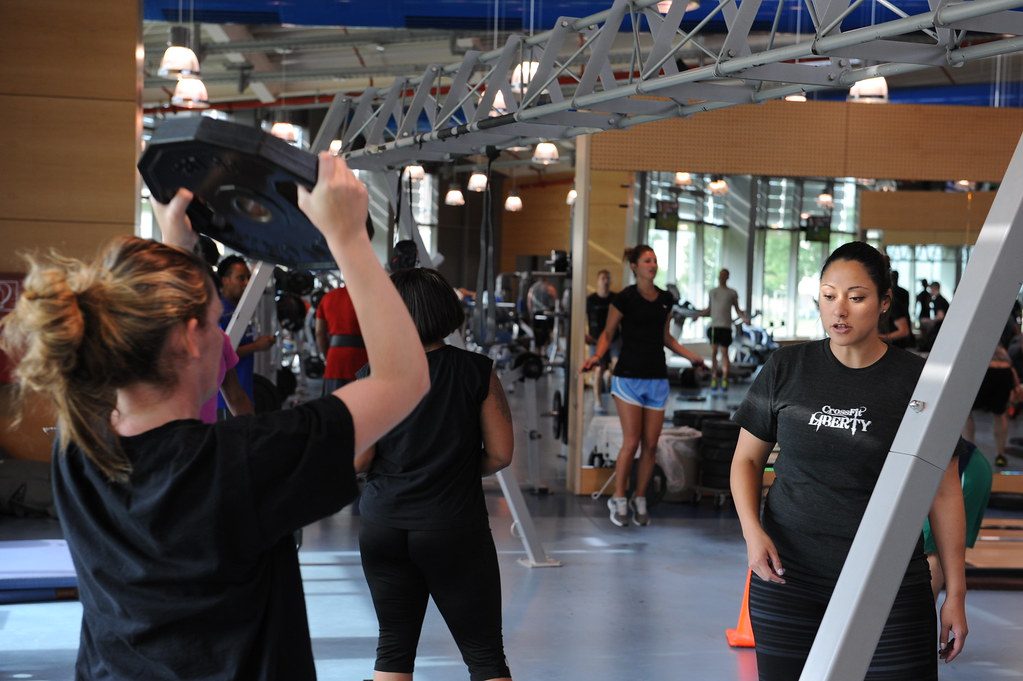
Functional strength training has emerged as one of the top fitness trends of 2026. Unlike traditional strength training that isolates individual muscles, functional training focuses on building strength in movements that directly apply to everyday life and real-world activities.
What Is Functional Strength Training?
Functional strength training is an approach to fitness that emphasizes exercises mimicking everyday movements. Instead of isolating single muscles with machines, functional training uses compound movements involving multiple joints and muscle groups working together.
Real-world movements include:
- Lifting: Deadlifts, goblet squats, and farmer carries
- Pushing: Push-ups, overhead presses, and medicine ball throws
- Pulling: Pull-ups, rows, and rope climbs
- Carrying: Loaded carries with dumbbells or kettlebells
- Climbing: Stair climbing, hill sprints, and obstacle navigation
- Squatting: Box squats, pistol squats, and goblet squats
Functional vs. Traditional Strength Training
Traditional strength training often relies on isolated exercises (bicep curls, leg extensions, chest flyes) that target specific muscles. While these can build size, they don't always translate to improved functional capacity.
Functional strength training differs in several key ways:
- Multi-joint movements: Exercises involve multiple joints and muscle groups simultaneously
- Stabilization demands: Requires core stability and balance, not just raw strength
- Real-world application: Directly improves performance in daily activities
- Movement quality: Emphasizes proper form and technique over heavy loads
- Efficiency: More work done in less time since multiple areas are trained
Key Principles of Functional Strength Training
1. Compound Movements First
Prioritize movements that involve multiple joints and muscle groups. Examples include squats, deadlifts, push-ups, rows, and carries. These should form the foundation of your program.
2. Stability and Mobility Balance
Functional strength requires both stability in fixed positions and mobility through ranges of motion. A well-rounded program includes both static stability (planks, holds) and dynamic mobility work (lunges, rotations).
3. Core Integration
A strong core is essential for functional strength. Your core acts as a transfer point for force between upper and lower body. Train it with dynamic movements, not just static planks.
4. Unilateral Work
Include single-side movements (one-arm rows, split squats, single-leg deadlifts) to address imbalances and improve stability. These movements closely resemble real-world tasks.
5. Progressive Overload
Gradually increase difficulty through added weight, increased reps, reduced rest periods, or improved movement quality. This drives continued adaptation and strength gains.
Essential Functional Strength Exercises
Lower Body
- Goblet Squats: Hold a weight at chest level while squatting. Improves squat pattern and core stability.
- Bulgarian Split Squats: Rear foot elevated on a bench. Challenges single-leg stability and strength.
- Deadlifts: Hip hinge movement training the posterior chain. Essential for lifting and carrying.
- Farmer's Carries: Hold heavy weights in each hand and walk. Builds grip strength and core stability.
- Step-ups: Step onto a platform with weight. Functional for climbing stairs and obstacles.
Upper Body
- Push-ups: Fundamental pressing movement. Can be varied (incline, decline, one-arm) for progression.
- Rows: Horizontal pulling movement. Essential for posture and back strength.
- Overhead Press: Vertical pressing building shoulder stability and strength.
- Pull-ups: Vertical pulling and core stability challenge. Excellent for functional strength.
- Turkish Get-ups: Complex movement combining pressing, rotation, and stability. Highly functional.
Total Body
- Kettlebell Swings: Explosive hip drive movement. Builds posterior chain power and cardiovascular fitness.
- Medicine Ball Throws: Dynamic, multi-directional movement training explosive power.
- Sled Pushes/Pulls: Full-body power and strength development.
- Rope Climbs: Ultimate functional movement requiring strength, grip, and endurance.
Sample Functional Strength Program
Day 1: Lower Body Focus
- Goblet Squats: 4 sets × 8 reps
- Deadlifts: 4 sets × 6 reps
- Bulgarian Split Squats: 3 sets × 8 reps per side
- Farmer's Carries: 3 sets × 40 meters
- Core: Plank variations 3 sets × 30-60 seconds
Day 2: Upper Body Focus
- Push-ups: 4 sets × 8-12 reps
- Rows: 4 sets × 8 reps
- Overhead Press: 3 sets × 6-8 reps
- Pull-ups: 3 sets × 5-8 reps
- Turkish Get-ups: 3 sets × 3 reps per side
Day 3: Power & Full Body
- Kettlebell Swings: 5 sets × 10 reps
- Medicine Ball Slams: 4 sets × 6 reps
- Sled Pushes: 4 sets × 30 meters
- Rope Climbs: 3 sets × 2 climbs
- Active recovery: 10 minutes light movement
Equipment for Functional Training
The beauty of functional training is that you don't need expensive equipment. Essential items include:
- Kettlebells: Versatile for swings, carries, and pressing
- Dumbbells: For pressing, rowing, and carries
- Resistance Bands: For scaling movements and mobility work
- Bodyweight: Push-ups, pull-ups, and crawls require nothing but space
- Medicine Balls: For explosive, multi-directional movements
- Sandbags: Awkward weight training for real-world simulation
Progression Strategies
For Beginners
Start with bodyweight variations and focus on movement quality. Master the pattern before adding weight. Perform 2-3 functional training sessions per week with 48 hours recovery between sessions.
For Intermediate Lifters
Increase weight, reduce rest periods, and add unilateral movements. Aim for 3-4 sessions per week. Introduce more complex movements like Turkish get-ups and obstacle training.
For Advanced Athletes
Combine functional strength with power work. Increase training frequency to 4-5 sessions. Add sport-specific functional movements and obstacle course training.
Benefits of Functional Strength Training
- Real-world strength: Improves ability to perform daily activities and tasks
- Injury prevention: Balanced development and proper movement patterns reduce injury risk
- Core stability: Constant core engagement builds a strong foundation
- Efficiency: Compound movements save time while working multiple areas
- Flexibility: Scalable for all fitness levels from beginners to advanced athletes
- Athletic performance: Translates to better performance in sports and activities
- Movement quality: Improves posture, coordination, and balance
- Metabolic impact: Compound movements elevate metabolism and calorie burn
Common Mistakes to Avoid
1. Sacrificing form for weight: Always prioritize proper technique over heavy loads. Poor form negates the functional benefits.
2. Ignoring mobility: Functional training requires adequate mobility. Include stretching and mobility work.
3. Programming imbalance: Don't neglect any movement pattern (push, pull, squat, hinge, carry). Train all patterns regularly.
4. Inadequate recovery: Functional training is demanding. Ensure 7-9 hours of sleep and adequate nutrition.
5. Progressing too quickly: Build a solid base before increasing intensity. Patience yields better long-term results.
Combining Functional Training with Other Methods
Functional strength training pairs well with:
- Hybrid fitness: Combine functional training with cardio for well-rounded fitness
- Recovery protocols: Use cold exposure, sauna, or mobility work for recovery
- Wearable tracking: Monitor heart rate variability and strain with smart rings or fitness watches
- AI fitness coaching: Personalized form feedback and program adjustment
Frequently Asked Questions
Q: Is functional training suitable for older adults?
A: Yes, functional training is excellent for older adults. It improves balance, strength, and ability to perform daily activities. Always start conservatively and focus on movement quality.
Q: Can I build muscle with functional training?
A: Yes, compound movements with adequate resistance and volume build muscle. Functional training is effective for hypertrophy when programmed correctly.
Q: How often should I do functional strength training?
A: 3-4 sessions per week is optimal for most people, allowing adequate stimulus and recovery. Beginners can start with 2-3 sessions.
Q: Can functional training replace traditional strength training?
A: For most goals, functional training is superior as it translates to real-world performance. Some may combine both approaches, but functional should be the foundation.
The Future of Functional Training
Functional strength training continues to grow as people recognize the importance of practical, real-world fitness. Trends for 2026 and beyond include:
- Integration with AI coaching for personalized form feedback
- Obstacle course training gaining mainstream popularity
- Functional training programs for longevity and active aging
- Hybrid approaches combining functional training with recovery modalities
- Wearable technology tracking functional movement quality
Conclusion
Functional strength training represents a paradigm shift from isolated muscle training to practical, compound movement patterns that directly improve your ability to perform everyday activities. Whether you're lifting groceries, playing with grandchildren, or simply moving through life with ease and confidence, functional training develops the strength that matters.
The beauty of this approach is its accessibility—you can start with bodyweight today, progress gradually, and see improvements in your movement quality and real-world strength. Combined with proper recovery and nutrition, functional strength training becomes a sustainable path to lifelong fitness and capability.
Start with the fundamentals, master movement quality, and progressively increase demands. Your body—and your daily life—will thank you.