💡 Key Takeaways
- Microbial diversity tends to drop with age, and the lowest-risk fix is dietary: aim for around 30 different plant foods a week and roughly 25-30 g of fiber a day.
- Add fiber gradually over 3-4 weeks, not all at once, or bloating and gas will make you quit before any benefit shows.
- A well-fed gut absorbs the protein you eat — the 25-35 g per meal that aging muscle needs is only useful if your digestion delivers it.
- Skip the expensive at-home microbiome test kits; they are not validated to guide health decisions and your money is better spent on food.
You notice it in small ways: a stomach that grumbles more than it used to, a protein shake that sits heavy, a cold that lingers a week longer than it should. Digestion changes with age, and so does the community of bacteria living in your colon. That community gets quieter and less varied over the decades — and for someone training to stay strong and independent, that matters.
Here is the honest part. The science of the gut microbiome is young, and most headlines outrun the evidence. Nobody can promise that fixing your gut adds years or pounds of muscle. What the research does support is mundane and reliable: a gut fed a wide variety of plants and fermented foods tends to be more diverse, absorbs nutrients better, and supports the immune barrier that keeps you out of bed during cold season.
This guide covers gut health and athletic performance for active seniors — what genuinely helps, how to add fiber without misery, and why no pill replaces a varied plate.
1. The Problem: A Quieter Gut Works Against Aging Muscle
Two age-related shifts collide here. First, your muscle develops anabolic resistance, meaning it needs a bigger nudge and more protein per meal to keep building. Second, microbial diversity in the colon tends to decline as you get older. Put together, you have a body that needs to absorb nutrients more efficiently than ever, served by a digestive system that is becoming less efficient.
The gut is where the protein on your plate actually becomes the amino acids your muscle uses. An intact, well-functioning gut lining absorbs carbohydrate and protein cleanly. When digestion is sluggish or irritated, that 25-35 g of protein you carefully ate at lunch may not all reach the muscle that needs it. So gut health is not a separate wellness project — it is part of the same fight against sarcopenia you are already waging in the gym.
There is a second payoff that matters more at your age: immunity. Roughly 70% of immune tissue lines the gut, and the resident bacteria help train how your body responds to invaders. A diverse, well-fed gut is the plausible link between good eating and the fewer-colds, faster-bounce-back picture older adults want.
2. Why Fiber and Fermented Foods Beat Supplements
When the bacteria in your colon ferment dietary fiber, they produce short-chain fatty acids — mostly acetate, propionate, and butyrate. Butyrate is the preferred fuel for the cells lining your colon and helps keep the gut barrier intact. More fermentable fiber generally means more of these helpful compounds. This is settled biology, not a marketing claim.
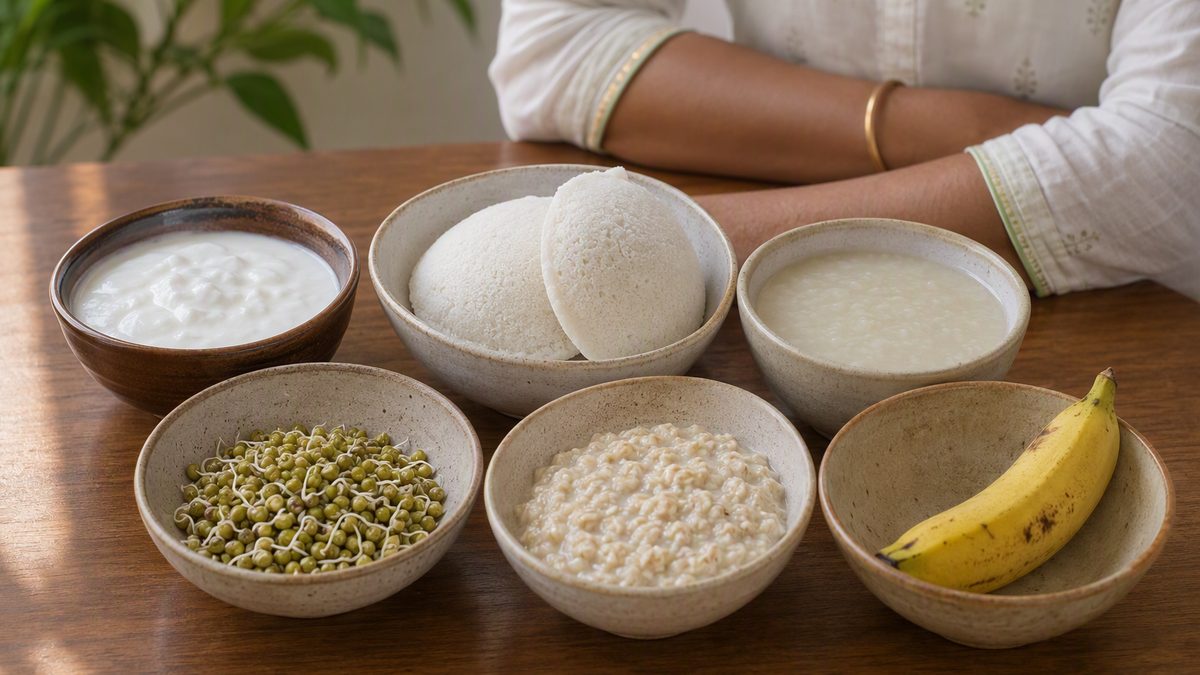
The practical move is variety, not a product. Diversity of what you eat drives diversity of what lives in your gut. A useful target many dietitians use is around 30 different plant types across a week — count every vegetable, fruit, whole grain, bean, nut, seed, and herb. Add fermented foods like yogurt, kefir, sauerkraut, and miso, which bring live microbes and may modestly raise diversity.
What about the supplement aisle? Probiotic evidence is modest, strain-specific, and frequently oversold. A specific studied strain at a studied dose might slightly reduce the frequency of colds during a hard stretch — but benefits do not carry over between strains, so 'a probiotic' is not a thing that reliably works. If you are considering one for a medical reason, that is a conversation for your physician, not the pharmacy shelf.
3. A Gentle Ramp Built for Slower Digestion
The single biggest mistake older adults make is dumping a week of fiber onto a gut that is not used to it. The result is gas, bloating, and a quick return to white toast. The fix is patience: introduce fiber gradually, give the microbes time to catch up, and drink enough water to move it through. The schedule below ramps over a month and keeps your physician in the loop, which matters if you take statins, blood-pressure drugs, or metformin.
| Stage | Timing | What to do |
|---|---|---|
| Physician check-in | Before you start | Confirm a higher-fiber diet suits your medications and any kidney or digestive conditions; ask whether fiber affects how your drugs absorb |
| Baseline week | Week 1 | Add one extra plant food per day and one small serving of fermented food (e.g. 100 g yogurt); aim for roughly 18-20 g fiber/day |
| Build phase | Weeks 2-3 | Increase to around 25 g fiber/day; reach 20-25 different plant types across the week; drink an extra glass of water with each fiber-rich meal |
| Target phase | Week 4+ | Settle near 25-30 g fiber/day and about 30 plant types weekly; keep a daily fermented serving; spread fiber across meals, not one big hit |
| Hydration habit | Every day | Thirst weakens with age — schedule fluids rather than waiting to feel dry, since fiber needs water to avoid constipation |
| Symptom log | Ongoing | Note bloating, regularity, and energy; if a food consistently disagrees, ease back and re-add slower |
If bloating spikes, you ramped too fast — drop back a stage and hold there an extra week. Slower is still progress.
4. Mistakes That Trip Up Older Athletes
- Going from zero to high-fiber overnight. Your microbes adapt over weeks. Rush it and the discomfort makes you quit.
- Treating a probiotic as a shortcut. No pill matches a varied plate, and most consumer probiotics promise more than the evidence supports.
- Letting hydration slide. Fiber without enough water causes constipation, not relief. Schedule fluids.
- Buying a mail-in gut-test kit. These are not clinically validated to guide your decisions, and the report will not tell you anything more useful than your own symptom log.
- Forgetting the protein link. A healthier gut helps you absorb protein, but you still have to eat it — aim for 25-35 g at each main meal.
5. What to Watch, and When to Ask Your Doctor
There is no validated consumer test for a 'good' gut, so monitor signals you can actually feel. Track everyday regularity and comfort, whether colds during a busy season are shorter than past years, and how well meals sit when you train. A simple notebook — what you ate, when, and how your gut responded — beats any sequencing kit.
Loop in your clinician for anything that does not fit the gentle-ramp story: persistent bloating, a sudden change in bowel habits, unexplained weight loss, or blood in the stool are medical flags, not microbiome projects. If you live with IBS or another diagnosed gut condition, a registered dietitian can tailor the plan so training does not flare your symptoms. The strongest, most honest advice for your gut is also the least glamorous: varied whole foods, fermented additions, steady hydration, regular movement, and patience.
Questions Active Seniors Ask About Gut Health
Is changing my diet for gut health safe with my blood pressure or kidney medication?
Usually yes, but check first. A higher-fiber, plant-forward diet suits most older adults, though fiber can slightly change how some medications absorb, and certain kidney conditions limit potassium-rich foods. Bring your medication list to your physician before a big diet shift. Once cleared, ramp fiber slowly over a month and drink extra water, since both protect against the constipation that catches people who change too fast.
Am I too old to improve my gut microbiome?
No. Diversity does tend to decline with age, but it responds to what you eat at any age. Older adults who eat varied plants, include fermented foods, and stay active tend to maintain better gut and immune health than sedentary peers. You will not reverse decades overnight, and there is no target number to hit. Judge progress by comfort, regularity, and fewer lingering colds — not a lab printout.
Will better gut health help me hold on to muscle?
Indirectly. Muscle is built from the protein you absorb, and a well-functioning gut absorbs it more completely. So gut health supports the protein-and-resistance-training work that actually preserves muscle — it does not replace it. Keep eating 25-35 g of protein per meal and lifting against real resistance two or three times a week. A healthier gut simply helps that food do its job.
Do I need my doctor's approval before adding fermented foods?
For everyday fermented foods like yogurt, kefir, or sauerkraut, generally no — they are foods, not drugs. The conversation matters more if you are immunocompromised, on medications affected by big diet changes, or considering a concentrated probiotic supplement for a medical reason. In that case, ask your clinician, since probiotic benefits are strain-specific and most products are oversold. For ordinary fermented foods on a varied plate, start small and see how you feel.
Disclaimer: This article is for educational purposes only and is not medical advice. Consult a qualified healthcare professional before starting any supplement, nutrition, or training protocol — especially if you are pregnant or breastfeeding, under 18, taking medication, or managing a health condition.
Scientific References & Clinical Sources
- Thomas DT, et al. American College of Sports Medicine Joint Position Statement: Nutrition and Athletic Performance. Med Sci Sports Exerc, 2016. PMID: 26891166
- Jeukendrup AE. Nutrition for endurance sports: marathon, triathlon, and road cycling. J Sports Sci, 2011. PMID: 21916794

