💡 Key Takeaways
- The 'fix your gut, transform your body' pitch is mostly marketing — microbiome science is young and most athlete claims are associative, not proven.
- The genuine levers are dull and free: about 30 different plant foods a week, roughly 25-38 g of fiber a day, and a daily fermented food.
- Ramp fiber over 3-4 weeks; piling it on at once when your gut is used to refined food guarantees bloating and a quick quit.
- Skip the at-home gut-test kits and most probiotics — they are oversold, strain-specific at best, and not validated to guide your decisions.
You have probably seen the ads. A supplement, a powder, or a $200 mail-in kit promising that the secret to energy, fat loss, and a younger body is hiding in your gut. Starting exercise again in your forties, after a health scare or a slow energy slide, makes those promises tempting. They are also mostly wrong.
Here is the myth worth dismantling first: that gut health is a product you buy. It is not. The microbiome — the trillions of bacteria in your colon — does influence how you digest food, how your immune system behaves, and your inflammatory tone. But the science is genuinely young, most athlete-specific findings are associative, and the supplement industry has raced far ahead of the evidence.
This guide on gut health and athletic performance for beginners over 40 separates the oversold from the useful, then gives you a plan built on food and patience — the two things that actually work.
1. The Myth: A Supplement Will Fix Your Gut
The story you have been sold goes like this: your gut is broken, a special probiotic or powder repairs it, and your body transforms. Every part of that oversells the truth.
Start with probiotics. The honest verdict from the research is that benefits are modest, strain-specific, and inconsistent. A particular studied strain at a studied dose might slightly cut the frequency of colds or mild gut symptoms during a hard training block. But those benefits do not transfer between strains — so 'a probiotic' is not a category that reliably works, only specific products studied in specific ways. Most of what fills the shelf has no evidence behind it.
Then the test kits. Direct-to-consumer microbiome sequencing is not clinically validated to guide athletic or health decisions. There is no agreed-upon 'optimal' microbiome and no target numbers to hit, so a colorful report telling you that you are 40% one bacterium means very little in practice. As a beginner watching your budget, that money buys nothing your own symptom log will not tell you for free.
2. What Actually Moves the Needle After 40
Strip away the hype and the real levers are unglamorous. When your gut bacteria ferment dietary fiber, they make short-chain fatty acids that feed the gut lining and help keep its barrier intact. More variety of fiber generally means a more diverse, more capable microbiome. That is the mechanism, and it costs nothing but groceries.
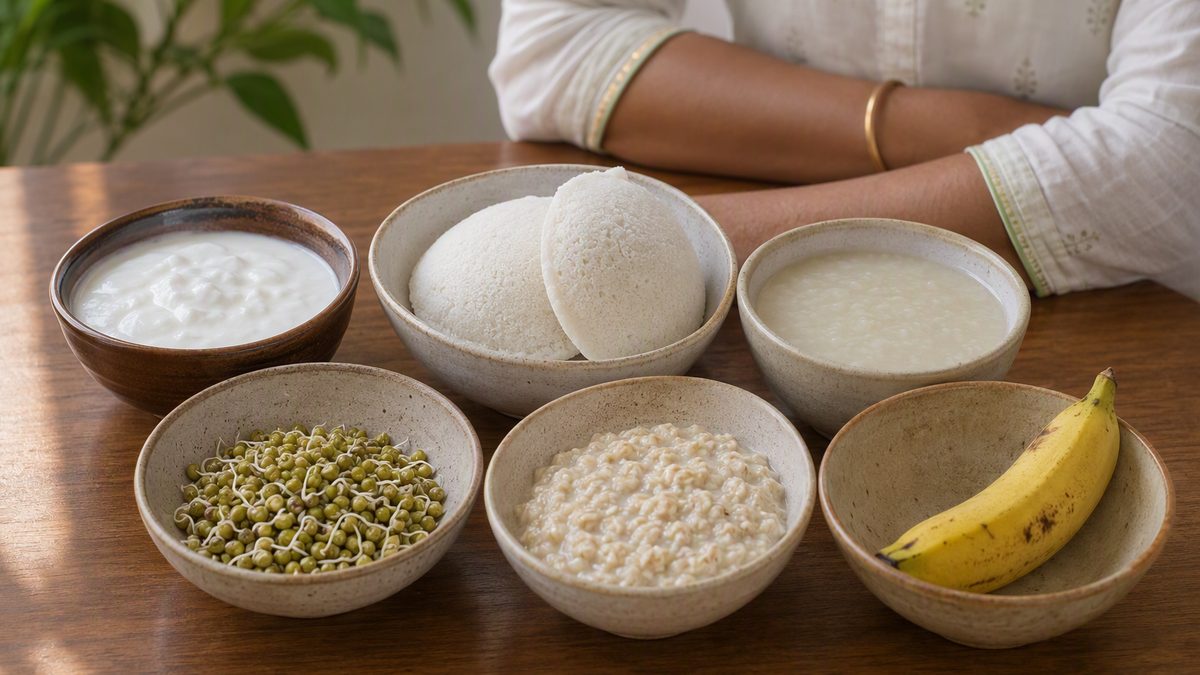
Three habits carry almost all the benefit. First, eat a wide variety of plants — a common practical target is around 30 different types across a week, counting vegetables, fruit, whole grains, beans, nuts, seeds, and herbs. Second, hit roughly 25-38 g of fiber a day, the general adult guidance. Third, include fermented foods like yogurt, kefir, sauerkraut, or kimchi, which add live microbes and may modestly raise diversity.
At 40-plus, this matters more than it did at 22. Your recovery is slower, your sleep is often worse, and life stress is higher — all of which tax the body. A gut that absorbs nutrients well and helps regulate immunity is infrastructure for the training you are just rebuilding. You can read more on stacking small, durable habits in our guide to building fitness habits.
3. A Beginner-Friendly Fiber Ramp
If your diet has leaned on refined carbs and convenience food, your gut is not ready for a salad avalanche. Add fiber too fast and you get gas, bloating, and an excuse to quit. The schedule below builds over a month — the same gradual approach you should bring to the gym, where doing what worked at 22 in week one gets beginners over 40 injured.
| Stage | Timing | What to do |
|---|---|---|
| Honest baseline | Day 1-3 | Note what you eat now; most people starting out sit near 10-15 g fiber/day and few plant types |
| Easy wins | Week 1 | Add one extra vegetable or fruit per day and one fermented serving (e.g. 150 g yogurt); target ~18 g fiber/day |
| Build | Weeks 2-3 | Swap one refined grain for a whole grain daily; reach 20-25 plant types weekly and ~25 g fiber/day; add water with each fiber meal |
| Target | Week 4+ | Settle at 25-38 g fiber/day and around 30 plant types weekly; keep a daily fermented food; spread fiber across all meals |
| Pre-workout note | Training days | Keep big high-fiber meals away from the 1-2 hours before a hard session to avoid mid-workout cramping |
Bloating that flares means you climbed too quickly. Drop back one stage, hold a week longer, then continue. Consistency beats speed.
4. Why Your Joints Hurt But Your Gut Is the Quiet Win
As a returning exerciser, your loudest complaint is usually joints — connective tissue adapts slower than muscle, so soreness shows up in elbows and knees before strength catches up. Gut health is the opposite kind of progress: silent, but real. You will not feel a dramatic 'gut day.' Instead you will notice steadier digestion, fewer afternoon energy crashes after meals, and maybe a milder cold season after a few months.
That quietness is exactly why the hype machine exploits it. There is no visible before-and-after, so it is easy to sell you a dramatic story. Resist it. The boring plan — varied plants, fiber ramped slowly, fermented foods, water, and consistent training — is the one supported by evidence. Pair it with adequate protein (roughly 1.2-1.6 g per kg of bodyweight a day as you build), because a healthier gut helps you absorb that protein but cannot manufacture it.
5. Monitoring Without the Gadgets
You do not need a sequencing kit or a wearable for this. Track what you can feel: everyday regularity and comfort, how meals sit before and after training, your energy through the afternoon, and whether colds during a busy stretch run shorter than they used to. A one-line note in your phone after each day builds a more useful picture than any lab report.
Bring a clinician in for the things that do not fit a normal adjustment. Persistent bloating, a clear change in bowel habits, unexplained weight loss, or blood in the stool deserve medical eyes, not a probiotic. If you have been mostly sedentary for years or take regular medication, a quick check-up before ramping both food and exercise is smart. The takeaway for a beginner over 40 is liberating: the cheapest path is also the best-supported one.
Gut Health Questions Beginners Over 40 Actually Ask
Is it too late to improve my gut at 45?
No. The microbiome responds to diet at any age. Someone starting in their forties who shifts toward varied plants, more fiber, and fermented foods can build a more diverse, capable gut over months. There is no deadline and no perfect target to hit. Judge it by comfort, regularity, steadier energy, and fewer lingering colds rather than any number, and ramp slowly so your gut adapts without rebelling.
Do I need a probiotic supplement to get started?
Almost certainly not. Probiotic benefits are modest, strain-specific, and often oversold, and they do not transfer between strains — so a random product on the shelf is a gamble. Fermented foods like yogurt and sauerkraut give you live microbes through your diet at a fraction of the cost. Save supplements for a specific medical reason discussed with your doctor. Food first is the honest, evidence-aligned answer for a beginner.
Why do my joints hurt more than my gut feels different?
Different timelines. Connective tissue adapts slower than muscle, so returning exercisers feel joint soreness early — that is normal and means ramp your training too. Gut changes are quieter: you notice steadier digestion and energy over weeks, not a dramatic moment. Both reward patience. Ease into exercise volume and fiber at the same gradual pace, and let the slow, silent gut improvements accumulate while your joints toughen up.
Are those at-home gut test kits worth it for a beginner?
No. Direct-to-consumer microbiome kits are not clinically validated to guide health or training decisions, and there is no agreed 'optimal' gut to measure against. The report will not tell you anything more actionable than your own symptom log — what you ate, when, and how your gut responded. For a beginner watching the budget, that money is far better spent on varied groceries and fermented foods.
Disclaimer: This article is for educational purposes only and is not medical advice. Consult a qualified healthcare professional before starting any supplement, nutrition, or training protocol — especially if you are pregnant or breastfeeding, under 18, taking medication, or managing a health condition.
Scientific References & Clinical Sources
- Thomas DT, et al. American College of Sports Medicine Joint Position Statement: Nutrition and Athletic Performance. Med Sci Sports Exerc, 2016. PMID: 26891166
- Jeukendrup AE. Nutrition for endurance sports: marathon, triathlon, and road cycling. J Sports Sci, 2011. PMID: 21916794

