💡 Key Takeaways
- Inside a resonance-breathing session you can see HRV rise within minutes; that acute spike is a within-session effect, not a lasting jump in your baseline.
- Practice 10-20 minutes most days at about 6 breaths per minute to train vagal tone; any durable change builds slowly over weeks and is modest.
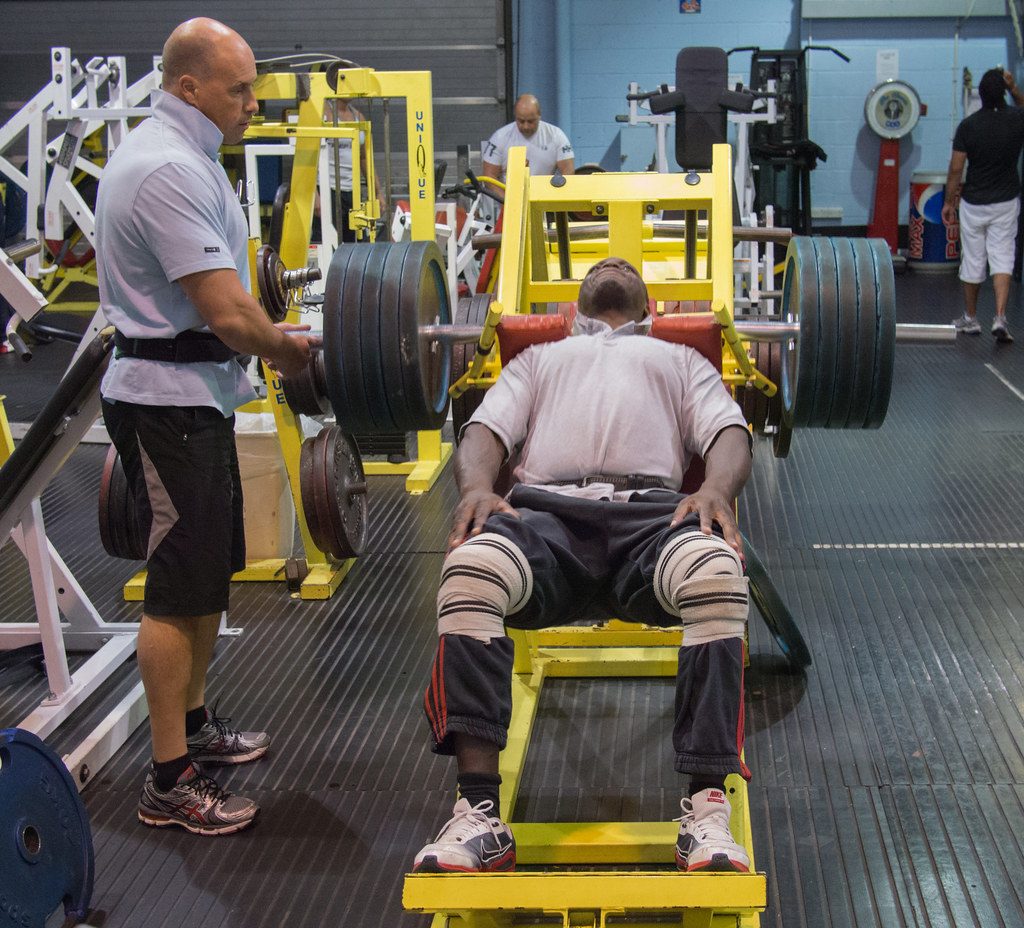
- HRV indexes autonomic balance, not muscle recovery or how strong you are today, so a green HRV trend does not guarantee your joints and connective tissue have recovered from heavy singles.
- Read the seven-day HRV trend, not single mornings, and remember alcohol and a water cut both suppress HRV independently of your CNS fatigue.
Here is what you can actually measure and when. Sit down with a chest strap and a six-breath pacer, and within the first few minutes you will watch your heart-rate wave swing wider as your HRV climbs; by the end of a ten-minute session most people feel noticeably calmer and see a clear acute rise on screen. That immediate effect is reliable. What builds slowly, over weeks of near-daily practice, is any lasting lift in vagal tone, and even that is modest. The within-session calm is the headline; the baseline change is a quiet, gradual maybe.
Separately, over a training block you can track your morning HRV trend and watch it dip after heavy CNS-taxing sessions and recover before you feel fully fresh.
This page is built around what those numbers show, on what timeline, and where they help a powerlifter and where they mislead, because HRV measures something specific, and it is not your one-rep max readiness.
1. What You'll See on Screen: A Within-Session Timeline
The acute timeline is the part you can trust to repeat. Your heart speeds slightly on the inhale and slows on the exhale, a vagally mediated effect called respiratory sinus arrhythmia. Breathe at around six breaths a minute and the rhythms of heart rate, breathing, and blood pressure synchronize at your resonance frequency, producing the largest heart-rate swing per breath and the biggest acute rise in HRV. On a chest strap you will see the wave widen within a minute or two. That resonance effect is the engine HRV biofeedback runs on.
Where lifters go wrong is reading that on-screen spike as proof their baseline improved. It is not. The jump is a within-session effect, the breathing equivalent of a warm-up pump, and any lasting change in resting vagal tone accrues slowly over weeks if at all. Treating one good session as a permanent gain is the most common misread, and it leads people to quit when the morning number does not leap.
So set expectations like a programming block, not a single PR attempt. The session gives reliable acute calm and a trainable down-shift after grinding heavy work; the durable effect is a slow, modest accrual. HRV biofeedback reliably raises HRV and self-reported calm during and right after a session, and shows promise for lowering stress and blood pressure with regular practice, but the trials are often small and the durable claims stay modest (PMID 30002629).
2. The Resonance-Breathing Protocol Around Heavy Singles
The protocol is simple and fits a strength schedule without stealing recovery. Breathe smoothly at about six breaths a minute, roughly five seconds in and five seconds out with no breath-hold, following a pacer while watching your live heart-rate wave on a chest strap. Ten to twenty minutes, once or twice daily, most days. Consistency beats the occasional long session. Over a few weeks you can refine toward your resonance frequency, usually between 4.5 and 6.5 breaths a minute.
| When | Breathing pace | Duration | Purpose |
|---|---|---|---|
| Morning, pre-coffee | ~6 breaths/min (5s in, 5s out) | 10 min | Sets a calm autonomic baseline |
| After heavy singles | ~6 breaths/min | 15-20 min | Down-shifts a heavily spiked nervous system |
| Evening before a top set | 5.5 breaths/min if refined | 15 min | Improves sleep quality before a hard day |
| Meet-week wind-down | ~6 breaths/min | 10-15 min | Manages nerves without adding training stress |
Note what this practice is not. It is not a between-sets tool; the Valsalva brace you use for a heavy squat or deadlift is the opposite of resonance breathing. Keep the practice for the morning, evening, or after a session, never during working sets. And never run paced breathing during a baseline HRV measurement, because the slow breathing inflates the reading and corrupts the trend you want to track.
3. HRV Measures Autonomic Balance, Not Bar Readiness
This is the distinction that keeps a powerlifter from misusing the data. HRV is a non-invasive window onto cardiac autonomic regulation: higher resting HRV generally reflects greater vagal, rest-and-digest influence, while suppressed HRV reflects sympathetic dominance from training load, stress, illness, alcohol, or poor sleep (PMID 23852425, PMID 17345075). It indexes autonomic balance. It does not measure muscle recovery, connective-tissue health, or how strong you are today.
That matters because powerlifting fatigue is heavily peripheral and structural, not just autonomic. A green HRV trend can sit alongside elbows, knees, or a lower back that have not recovered from a week of heavy singles, and joints loaded near their limit do not show up in a beat-to-beat heart metric. So treat HRV as one input weighted next to how your tendons feel and your bar speed on openers, never a single verdict on a heavy top set.
Use the trend, not the morning. Day-to-day HRV swings widely from posture, breathing, hydration, and measurement error, so track the rolling seven-day average using rMSSD, which is dominated by vagal activity and stable over short recordings (PMID 23852425). Absolute values are individual and not comparable between lifters, so a partner's higher HRV says nothing about either of your totals; only your own trend means anything.
4. Weight Cuts, Blood Pressure, and Reading HRV Honestly
Two confounders hit powerlifters specifically. First, water cuts: if you manipulate water and sodium before a weigh-in, the dehydration suppresses your HRV, and that low reading reflects the cut, not training fatigue, so do not deload off a number the cut produced. Second, alcohol, often the single biggest acute HRV suppressor, so a low morning after a few drinks reflects the alcohol, not your CNS state. Read every reading in context, alongside sleep, resting heart rate, and how you feel.
Blood pressure deserves a flag for heavier lifters. Larger athletes carry higher baseline blood-pressure considerations, and HRV biofeedback's slow breathing is a low-risk practice that shows promise for modestly lowering blood pressure with regular use (PMID 30002629). That is a small positive, but not a substitute for monitoring or managing blood pressure medically. If you are on medication or your blood pressure runs high, that stays in your clinician's hands, and the breathing is an adjunct at most.
One more limit. Beta-blockers and other heart-rate medications, and arrhythmias such as atrial fibrillation, distort HRV readings, so consumer metrics must never override medical advice. Wearable HRV is a screening prompt, not a diagnosis. Persistent unexplained low HRV, palpitations, chest pain, or breathlessness warrant a clinician, especially in a heavier athlete.
5. Devices, Standardized Reads, and Realistic Gains
Match the sensor to the work. For biofeedback and trustworthy baselines, a chest-strap ECG is the practical reference standard because it captures the R-R interval directly, exactly what beat-to-beat work needs. Wrist optical HRV is acceptable at rest or overnight when still but degrades with motion, and rings sit in between. Consumer trackers are good for your relative trend, not precise absolute values, so do not compare across devices, and treat readiness scores and calorie figures as approximate, not clinical (PMID 30002629, PMID 29018355).
Standardize the morning read or the data is noise: same time daily, same posture, ideally before getting out of bed, before caffeine and training, with relaxed normal breathing. Inconsistent timing or posture is the leading cause of misleading data, and an overnight average from a strap or ring smooths the variability a single spot-check carries. Keep the biofeedback session and the baseline measurement separate so the slow breathing never inflates your tracked number.
The realistic-gains summary: the within-session HRV rise and calm are reliable and immediate; the durable baseline lift, if it comes, is slow and modest; and HRV-guided autoregulation, placing harder work on recovered-trend days, is a real but modest refinement, not a performance hack (PMID 17345075). Used among bar speed, joint feel, and sleep, it sharpens your decisions; used as a single oracle for your total, it misleads.
What Powerlifters Ask About HRV Biofeedback
Does a good HRV reading mean I'm ready to hit a heavy single?
Not by itself. HRV indexes autonomic balance, not muscle or connective-tissue recovery, so a green trend can coexist with elbows, knees, or a lower back that are not recovered from heavy work. Powerlifting fatigue is largely peripheral and structural, which a heart metric does not capture. Use HRV as one input weighted next to how your joints feel, your warm-up bar speed, and sleep, not as a single verdict on whether to attempt a heavy single.
Will my water cut mess up my HRV readings?
Yes. Cutting water and sodium before a weigh-in dehydrates you, and dehydration suppresses HRV, so a low reading during a cut reflects the cut, not training fatigue or CNS burnout. Do not deload or panic off a number the cut produced. The same goes for alcohol, often the single biggest acute HRV suppressor. Always read HRV in context, alongside sleep, resting heart rate, and how you feel, not as a single low value during weight manipulation.
Is the breathing the same as just looking at my morning HRV score?
No, they are different tools. Looking at your morning HRV is passive monitoring: you read your autonomic state and change nothing in the moment. HRV biofeedback is active, where you breathe slowly at around six breaths a minute while watching live feedback to deliberately raise HRV and train vagal tone over weeks. Also never do the slow breathing during a baseline measurement, because it inflates the reading and corrupts the trend you are tracking.
Can HRV biofeedback help my blood pressure as a heavier lifter?
It may help modestly. The slow breathing is low-risk and shows promise for small reductions in blood pressure with regular practice, a reasonable adjunct for a larger athlete carrying higher blood-pressure considerations. But it is not a substitute for proper monitoring or medication. If your blood pressure runs high or you are on medication, keep that with your clinician and treat the breathing as a supporting habit, never a replacement for medical management.
Disclaimer: This article is for educational purposes only and is not medical advice. Consult a qualified healthcare professional before starting any supplement, nutrition, or training protocol — especially if you are pregnant or breastfeeding, under 18, taking medication, or managing a health condition.
Scientific References & Clinical Sources
- Peake JM, et al. A Critical Review of Consumer Wearables, Mobile Applications, and Equipment for Providing Biofeedback, Monitoring Stress, and Sleep in Physically Active Populations. Front Physiol, 2018. PMID: 30002629
- Plews DJ, et al. Training adaptation and heart rate variability in elite endurance athletes: opening the door to effective monitoring. Sports Med, 2013. PMID: 23852425
- Kiviniemi AM, et al. Daily exercise prescription on the basis of HR variability among men and women. Int J Sports Med, 2007. PMID: 17345075
- Düking P, et al. Criterion-Validity of Commercially Available Physical Activity Tracker to Estimate Step Count, Covered Distance and Energy Expenditure during Sports Conditions. Front Physiol, 2017. PMID: 29018355

