💡 Key Takeaways
- Within a resonance-breathing session you can watch HRV rise within a minute or two; that is an acute within-session effect, not a permanent baseline change.
- HRV biofeedback trains vagal tone and calms the nervous system; it does nothing for finger tendons or pulleys, which adapt slowly through dedicated loading, not breathing.
- Practice 10-20 minutes most days at around 6 breaths per minute, refining toward your personal resonance frequency over a few weeks; any lasting change is modest.
- Read your seven-day HRV trend, not single mornings, and watch for stubbornly low HRV as a possible sign of under-fueling rather than just training fatigue.
Sit down with a chest strap and a six-breath pacer and you can measure the effect for yourself within minutes. As you settle into slow breathing, the heart-rate wave on screen widens, your HRV climbs, and by the end of ten minutes you feel calmer and see a clear acute rise. That immediate effect is reliable and repeatable. What you cannot measure session to session is a permanent gain, because any lasting lift in vagal tone builds slowly over weeks and is modest at best. The within-session calm is the dependable part; the baseline change is a slow, quiet maybe.
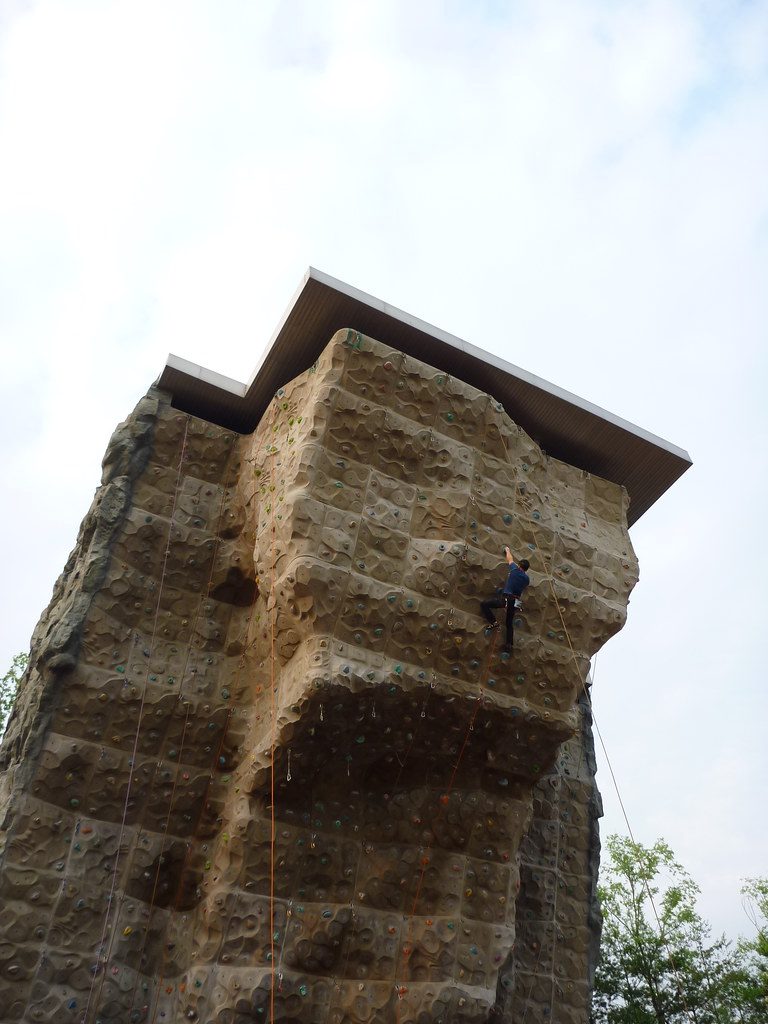
Across a projecting block you can also track your morning HRV trend and watch it dip after a redpoint burn day and recover before the forearms feel fully fresh. This page is built around what those numbers actually show a climber, on what timeline, and where they help versus mislead, because HRV measures autonomic balance, not tendon readiness, and for a weight-sensitive sport that distinction matters more than usual.
1. What the Screen Shows: An Acute Effect You Can Measure
The acute timeline is the part you can trust to repeat every session. Your heart speeds slightly on the inhale and slows on the exhale, a vagally mediated effect called respiratory sinus arrhythmia. Breathe at around six breaths a minute and heart rate, breathing, and blood pressure synchronize at your resonance frequency, producing the largest heart-rate swing per breath and the biggest acute rise in HRV. On a chest strap the wave visibly widens within a minute or two. That resonance effect is the engine the practice runs on.
The trap is reading that on-screen spike as a baseline gain. It is not. The jump is a within-session effect, and any durable change in resting vagal tone accrues slowly over weeks if at all. Treating one strong session as proof your baseline rose is the most common misread, and it leads climbers to quit when the morning number does not jump.
Set expectations accordingly. HRV biofeedback reliably raises HRV and self-reported calm during and right after a session, and shows promise for reducing stress and blood pressure with regular practice, but durable effects are generally modest and many trials are small (PMID 30002629). For a climber, the useful payoff is the acute calm, an on-demand way to settle nerves before a committing crux.
2. Finding and Refining Your Resonance Frequency
The practice is simple, and the data-minded climber can refine it over time. Start by breathing smoothly at about six breaths a minute, roughly five seconds in and five seconds out with no breath-hold, following a pacer while watching your live heart-rate wave on a chest strap. Ten to twenty minutes, once or twice daily, most days. Then, over a few weeks, test slightly slower and faster to find the pace that produces your largest heart-rate swing, usually between 4.5 and 6.5 breaths a minute. That personal pace is your resonance frequency.
| Phase | Breathing pace | Session length | Goal |
|---|---|---|---|
| Weeks 1-2 | 6 breaths/min (5s in, 5s out) | 10 min, once daily | Learn smooth paced breathing |
| Weeks 3-4 | Test 5.5 and 6.5 breaths/min | 15 min, once or twice daily | Find your largest heart-rate swing |
| Weeks 5+ | Your resonance pace (4.5-6.5) | 15-20 min, most days | Consolidate the practice |
| Pre-redpoint burn | ~6 breaths/min | 5 min | Settle nerves before a committing go |
Consistency across most days matters more than the occasional long session. Keep the on-screen HRV rise in perspective: it confirms you are breathing well, not that your baseline climbed. And never run this paced breathing during a baseline HRV measurement, because the slow breathing inflates the reading and corrupts the trend; keep the practice and the morning measurement separate.
3. What HRV Won't Do: Tendons and Pulleys Adapt Differently
This is the distinction a climber most needs to hear. HRV indexes cardiac autonomic balance: higher resting HRV reflects greater vagal, recovery-side influence, while suppressed HRV reflects sympathetic dominance from training load, stress, illness, alcohol, or poor sleep (PMID 23852425, PMID 17345075). It does not measure tissue recovery, and crucially it tells you nothing about your finger flexor tendons and pulleys, the structures that actually limit and injure climbers.
That gap matters because connective tissue adapts far more slowly than muscle or the nervous system. Your HRV trend can read green while a tweaky A2 pulley or an irritated elbow is nowhere near ready for maximal hangs. No heart metric protects those tissues; only smart, gradual loading, antagonist work, and respecting pain do. So treat HRV as one input about systemic, autonomic readiness, weighted next to how your fingers and elbows feel, never a green light to project hard on irritated tendons.
Use the trend, not the morning, for the systemic read. Day-to-day HRV swings widely from posture, breathing, hydration, and measurement error, so track the rolling seven-day average using rMSSD, which is dominated by vagal activity and stable over short recordings (PMID 23852425). Absolute values are individual and not comparable between climbers, so a stronger partner's higher HRV says nothing about your grades; only your own trend means anything.
4. The Weight Question and Stubbornly Low HRV
Climbers obsess over weight, so handle this honestly. HRV biofeedback involves no supplements, substances, or water-shifting, so it carries no weight or water-retention concern at all; you are simply breathing slowly. That makes it one of the few recovery tools with zero downside for a weight-sensitive athlete. But the data it surfaces can reveal a real problem.
Here is the flag. If your HRV trend stays stubbornly suppressed despite easy weeks, decent sleep, and no obvious illness, the cause may be under-fueling rather than under-resting. Chronically low energy availability suppresses HRV and stalls adaptation, and climbers who deliberately stay light are exactly the population at risk. A persistently low trend that does not recover with rest is a prompt to look hard at whether you are eating enough, not a reason to push harder or eat less.
Treat that as a health signal, not a performance metric. Relative energy deficiency is a real medical concern with consequences well beyond climbing, and if your HRV, sleep, mood, and recovery are all dragging together, that warrants a clinician or sports dietitian, not a longer breathing session. The breathing can calm the stress of a hard project; it cannot fix an energy deficit, and should never paper over one.
5. Devices, Honest Reads, and Realistic Gains Through a Season
Match the sensor to the job. For biofeedback and trustworthy baselines, a chest-strap ECG is the practical reference standard because it captures the R-R interval directly, exactly what beat-to-beat work needs. Wrist optical HRV is acceptable at rest or overnight when still but degrades with motion, and rings sit in between. Consumer trackers are good for your relative trend, not precise absolute values, so do not compare across devices, and treat readiness scores as approximate, not clinical (PMID 30002629, PMID 29018355).
Standardize the morning read or the data is noise: same time daily, same posture, ideally before getting out of bed, before caffeine and training, with relaxed normal breathing. Inconsistent timing or posture is the leading cause of misleading data, and an overnight average from a strap or ring smooths the variability a single spot-check carries. Keep the biofeedback session and the baseline measurement separate so the slow breathing never inflates your tracked number.
The realistic-gains summary for a projecting season: the within-session calm is reliable and immediate, useful for crux nerves; the durable baseline lift, if it comes, is slow and modest; and HRV-guided autoregulation, placing harder sessions on recovered-trend days, is a real but modest refinement, not a grade hack (PMID 17345075). Read alongside how your fingers feel and your fueling, it sharpens decisions; read as a single oracle, it misleads, especially since it stays silent on the tendons that actually hold you back.
What Climbers Ask About HRV Biofeedback
Does HRV biofeedback help my finger tendons and pulleys recover?
No. HRV biofeedback works on your central nervous system, training vagal tone, while finger flexor tendons and pulleys adapt far more slowly through dedicated, gradual loading and rest. A green HRV trend tells you nothing about whether an irritated pulley or elbow is ready for maximal hangs, and can read fine while connective tissue is still recovering. Protect those tissues with smart loading, antagonist work, and respecting pain, not a heart metric.
Will the breathing practice cause water weight that hurts my climbing grade?
No. HRV biofeedback is just slow, paced breathing, with no supplements, substances, or water-shifting, so it carries zero weight or water-retention concern, with no downside for a weight-sensitive climber. The weight conversation that actually matters runs the other direction: a stubbornly low HRV trend despite rest can signal under-fueling, a health and performance problem worth taking seriously rather than a reason to eat less.
My HRV stays low even on rest weeks. What does that mean?
A persistently suppressed trend that does not recover with rest and decent sleep can point to under-fueling rather than training fatigue. Chronically low energy availability suppresses HRV and stalls adaptation, and climbers who stay deliberately light are exactly the at-risk group. Treat it as a health signal: check whether you are eating enough for your training, and if HRV, sleep, mood, and recovery are all dragging together, see a clinician or sports dietitian rather than restricting more.
Should I use a chest strap or is my watch good enough?
For the breathing feedback and any serious HRV work, a chest strap is better, since it reads the R-R interval directly and is the reference standard, while wrist optical sensors are noisier and degrade with motion. Rings do well overnight when still. Your watch HRV is fine for your own relative trend, but treat absolute numbers as approximate, never compare across devices, and reach for a chest strap when you want clean beat-to-beat feedback.
Disclaimer: This article is for educational purposes only and is not medical advice. Consult a qualified healthcare professional before starting any supplement, nutrition, or training protocol — especially if you are pregnant or breastfeeding, under 18, taking medication, or managing a health condition.
Scientific References & Clinical Sources
- Peake JM, et al. A Critical Review of Consumer Wearables, Mobile Applications, and Equipment for Providing Biofeedback, Monitoring Stress, and Sleep in Physically Active Populations. Front Physiol, 2018. PMID: 30002629
- Plews DJ, et al. Training adaptation and heart rate variability in elite endurance athletes: opening the door to effective monitoring. Sports Med, 2013. PMID: 23852425
- Kiviniemi AM, et al. Daily exercise prescription on the basis of HR variability among men and women. Int J Sports Med, 2007. PMID: 17345075
- Düking P, et al. Criterion-Validity of Commercially Available Physical Activity Tracker to Estimate Step Count, Covered Distance and Energy Expenditure during Sports Conditions. Front Physiol, 2017. PMID: 29018355

