💡 Key Takeaways
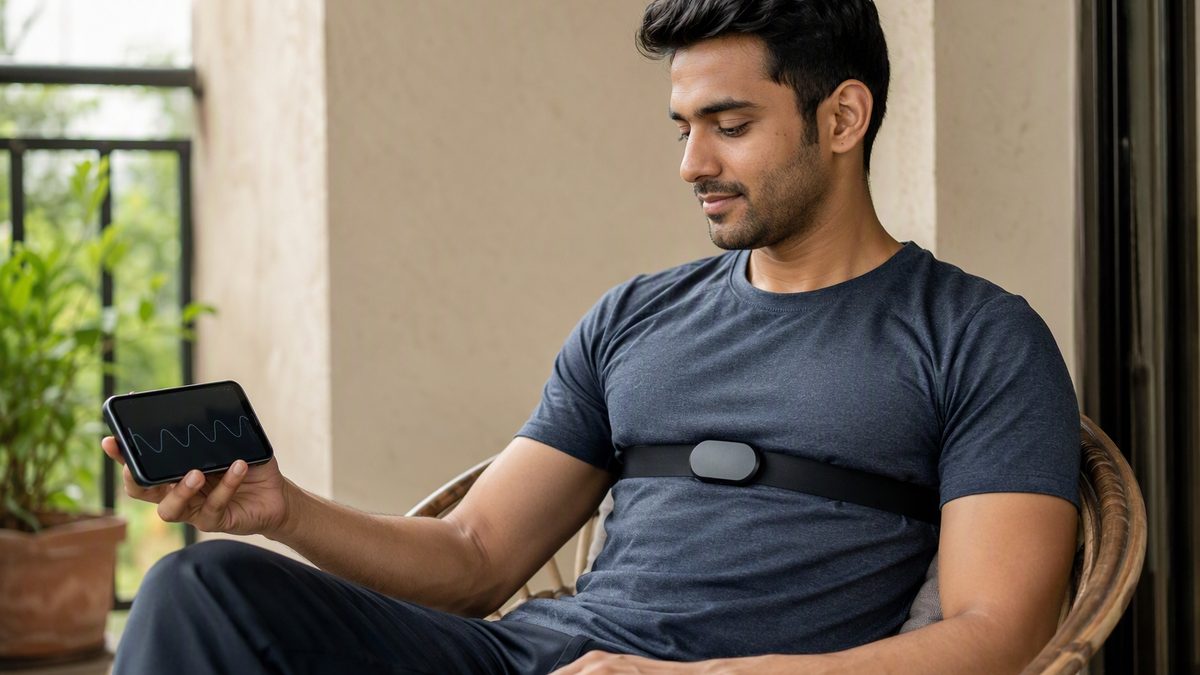
- HRV biofeedback is just slow paced breathing at about 6 breaths a minute while watching a heart-rate readout, no supplement, low-risk, useful for settling pre-match and pre-tournament nerves.
- It slots into the week before games and at bedtime, not into your already-packed 3-5 practices plus matches; the priority is sleep and real meals, not another session.
- Your HRV is personal and shifts as you grow, so track only your own trend over weeks, never compare it to a teammate's, and don't treat one low reading as meaningful.
- Loop in a parent on any tracking app since you're a minor, and treat growth-plate pain or any injury as a medical issue a breathing app can't touch.
Picture a normal week: three to five club practices, a match or two, school PE on top, and then a tournament weekend with three or four games crammed into two days. Where on earth does an HRV breathing practice fit, and is it even worth it for a busy young footballer? That's the right question to start with, because the answer is mostly about your schedule and your priorities.
Short version: HRV biofeedback is just slow, paced breathing while you watch your heart rate, and it slots into the small gaps, before a game to settle nerves, at bedtime to wind down, not as another training session on an already full week. It won't make you faster, and it definitely doesn't replace sleep or food, which matter far more while you're growing.
This page walks through where breathing genuinely fits your week, why six breaths a minute calms you, what your HRV number does and doesn't mean at your age, and the parent-and-food-first rules that come first.
1. Where Breathing Actually Slots Into a Packed Match Week
Begin with the calendar, because that's the real constraint. Your training is coach-directed and your week is already dense with practices, matches and school, so the mistake would be treating HRV breathing as another workout to squeeze in. It isn't. It's a two-to-fifteen-minute calm-down skill that lives in the gaps your schedule already has: the bus ride or warm-up area before a match, the quiet ten minutes before sleep, the wind-down after a late game when you're too wired to settle.
The honest use case is nerves and sleep, not performance. A few minutes of slow breathing before kickoff can settle pre-match jitters and steady your focus, and a session at bedtime helps you drop off after an evening game. The table maps it onto a real soccer week, including a tournament weekend, so you can see exactly where it goes.
| Moment in your week | Breathing pace | How long | What it's for |
|---|---|---|---|
| Before kickoff | ~6 breaths/min (5s in, 5s out) | 5 min in warm-up area | Settle nerves, steady focus |
| Bedtime after an evening match | ~6 breaths/min, long exhale | 10 min, lights off | Wind down and fall asleep faster |
| Between tournament games | ~6 breaths/min | 5 min in the shade | Reset between games, calm down |
| Night before a tournament | ~6 breaths/min | 10 min in bed | Sleep well before a big weekend |
| Building the habit (rest days) | ~6 breaths/min, no breath-hold | 10-15 min | Practice the skill calmly |
Notice what's not on the list: cramming a session into an already-hard practice day. On those days your recovery comes from sleep and food, not from more breathing. Keep it gentle, smooth breaths, no straining, and stop if you feel dizzy.
2. Why Six Breaths a Minute Calms You Down
The science behind it is simple enough to explain to a teammate. Your heart speeds up a little when you breathe in and slows down when you breathe out. When you breathe slowly, around six breaths a minute, one breath every ten seconds, those ups and downs line up with your breathing and blood pressure and get bigger, which is your body's natural resonance. Doing this on purpose trains the calming, rest-and-digest side of your nervous system to take more control.
HRV, heart rate variability, is just the tiny beat-to-beat variation in your heartbeat, and it's a window onto whether your calm side or your stress side is in charge. HRV biofeedback means watching that signal live while you breathe slowly, so you can see yourself making the heart-rate swings bigger. That live feedback is what makes it 'biofeedback' rather than ordinary breathing, though honestly the calming effect happens whether or not you're staring at a number.
Be realistic about what this gives you. The well-supported effect is the immediate one: you feel calmer and your HRV rises during and just after a session. That's genuinely useful before a nervy match. Any lasting change builds slowly over weeks of regular practice and is modest, so think of it as a calm-down skill you're learning, not a hack that's going to add a yard of pace.
3. What Your Number Means While You're Still Growing
This is where young players go wrong because of what they see online. Your absolute HRV number depends heavily on age, genetics and fitness, and it's not comparable to anyone else, so a teammate's higher number does not make them fitter or healthier, and yours being lower doesn't mean you're behind. Only your own trend over time tells you anything, so ignore the comparisons completely.
You're also still growing, which adds noise on top. Your body and fitness are changing year to year, so your baseline moves, and single readings are jumpy anyway, swayed by sleep, posture, hydration and the wearable's own error. One low morning means almost nothing. If you track at all, watch a seven-day trend and its direction, not any single day, and read it next to how you actually feel.
And about the device: for HRV a chest strap is the accurate reference, while watch and ring sensors are noisier, especially when you move, and their recovery and calorie scores are rough estimates, not anything medical. So use a device, if you use one, for your own trend only, never to compete with a friend's number. The confounders hit teens hard, too, energy drinks, late nights on your phone, skipped meals and tournament stress all push HRV down, so a low reading after a 1am gaming session is about that, not your football.
4. Parents, Food, and the Medical Line Come First
Three rules sit above everything else here. First, the basics win. While you're growing you need 8 to 10 hours of sleep and real meals, and those do far more for your recovery and your football than any breathing metric. Fueling a tournament weekend on snack-bar sugar, or stacking extra 'training' onto a full club schedule, are the classic mistakes, breathing practice is a small extra, not a fix for missing the fundamentals. If you want help building good habits, our guide to building fitness habits is a sensible start.
Second, parents and privacy. You're a minor, and a tracking app collects sensitive data, your heart rate, sleep, stress, so a parent should know which app you use and what it stores. There's nothing to hide in breathing practice, and looping in a parent, and your coach where it touches training, is the responsible move. They also help you keep perspective when a number worries you.
Third, the medical line, which a breathing app can never cross. HRV biofeedback is a calm-down skill, not treatment, and a wearable's reading is a prompt to pay attention, not a diagnosis. Growth-plate pain, the knee or heel aches common at your age, or any injury, is a medical issue for a parent and a clinician, not something to breathe away or train through. The same goes for real anxiety, chest pain or breathlessness, those need a doctor. Use breathing for nerves; use the adults around you for everything bigger.
HRV Biofeedback Questions Young Players Ask
Is this appropriate at my age?
Yes, it's low-risk because it's just slow breathing while watching your heart rate, no supplement, no drug, nothing to fail a test. The only rule is gentle: smooth breaths, never strain, stop if you feel dizzy. Tell a parent which app you use, since you're a minor and it collects health data. It's best used for settling match nerves and winding down at bedtime, not as another training session on a packed week.
How do I handle a 4-game tournament weekend with this?
Use it in the small gaps, not as a workout. A few minutes of slow breathing in the shade between games helps you reset, and 10 minutes the night before helps you sleep well for the weekend. But the things that actually carry you through four games are sleep, real meals and hydration, not breathing, so prioritize those. Snack-bar sugar all weekend is the classic mistake to avoid, plan proper food.
Should this come from food instead, or do I even need it?
Food and sleep absolutely come first, those do far more for a growing player than any breathing metric. HRV biofeedback isn't food and doesn't replace it; it's a separate calm-down skill for nerves and sleep. So you don't strictly need it, and if your sleep and meals are solid you're already ahead. Treat the breathing as a small bonus for settling before games, never as something that lets you skip the basics.
What do I tell my coach and parents about it?
Tell them the truth: it's just slow breathing you do to calm down before games and at bedtime, with an app that tracks your heart rate. Because you're a minor, your parents should know which app it is and what data it keeps, and your coach should know if it touches your training routine. There's nothing to hide, and looping them in means they can help you keep a single low reading in perspective instead of worrying.
Disclaimer: This article is for educational purposes only and is not medical advice. Consult a qualified healthcare professional before starting any supplement, nutrition, or training protocol — especially if you are pregnant or breastfeeding, under 18, taking medication, or managing a health condition.
Scientific References & Clinical Sources
- Plews DJ, et al. Training adaptation and heart rate variability in elite endurance athletes: opening the door to effective monitoring. Sports Med, 2013. PMID: 23852425
- Kiviniemi AM, et al. Daily exercise prescription on the basis of HR variability among men and women. Int J Sports Med, 2007. PMID: 17345075
- Peake JM, et al. A Critical Review of Consumer Wearables, Mobile Applications, and Equipment for Providing Biofeedback, Monitoring Stress, and Sleep in Physically Active Populations. Front Physiol, 2018. PMID: 30002629
- Düking P, et al. Criterion-Validity of Commercially Available Physical Activity Tracker to Estimate Step Count, Covered Distance and Energy Expenditure during Sports Conditions. Front Physiol, 2017. PMID: 29018355

