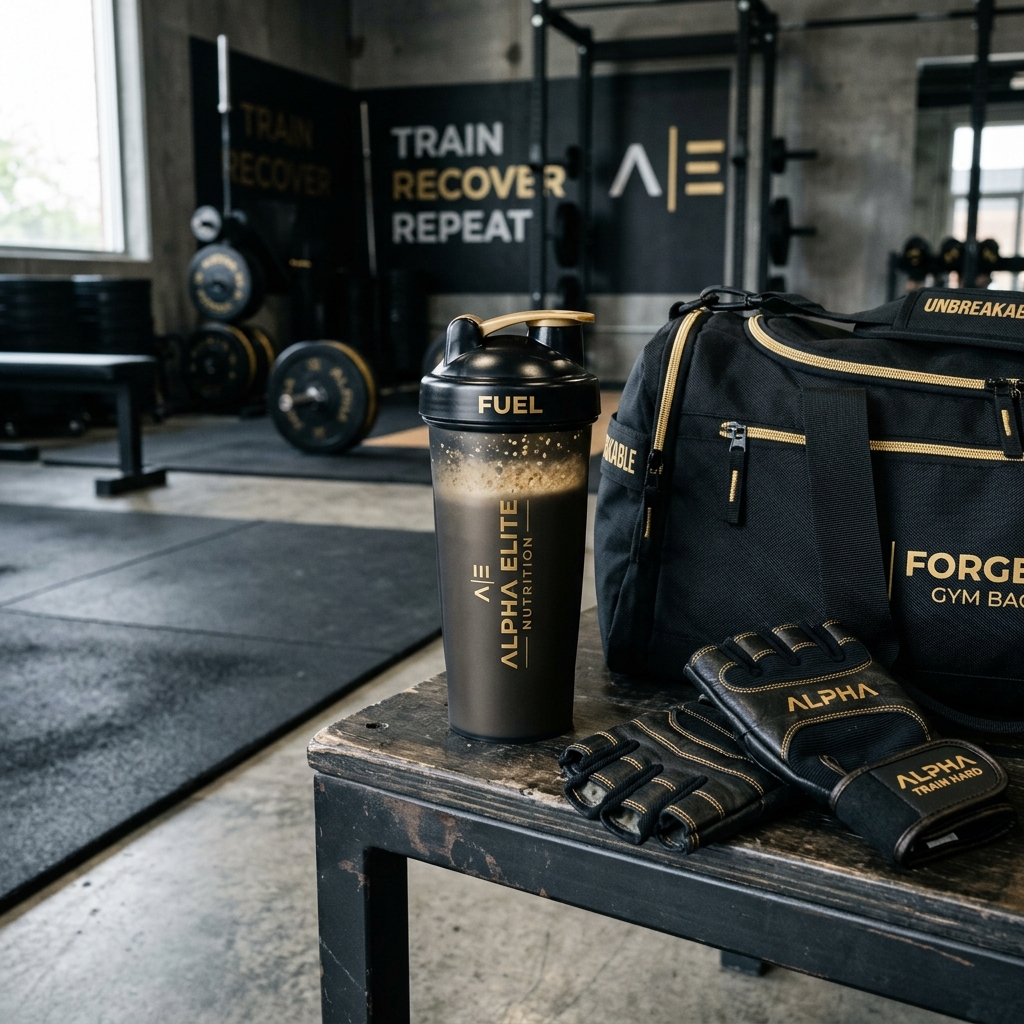
Dessert used to be the enemy of anyone chasing a fitness goal. Then something shifted. By 2026, high-protein snacks and macro-balanced treats have become one of the fastest-growing segments in both the nutrition app world and the grocery aisle — and the shift isn't just a marketing trend. It reflects a genuine change in how people think about food: not as reward or punishment, but as fuel that can also taste good. Whether you're trying to hit 150 grams of protein a day or simply stay full between meals without blowing your calorie budget, protein-forward snacking is a strategy worth understanding.
Why Protein Snacking Took Off
Protein has always been a macronutrient that fitness communities respected, but the broader population largely ignored it in favor of chasing low-fat or low-carb labels. What changed is the science becoming more accessible. People started tracking macros, not just calories, and quickly ran into the same wall: protein is surprisingly hard to hit. Fat and carbohydrates fill in almost automatically through normal eating patterns, but protein requires deliberate choices at every meal — and even then, many people fall short by dinner.
The satiety factor matters too. Protein is the most satiating macronutrient, meaning it keeps you fuller for longer relative to the calories it provides. When people started replacing mid-afternoon chips or a handful of crackers with something like Greek yogurt or roasted chickpeas, they noticed they weren't hungry again an hour later. That feedback loop — eat protein, feel full, skip mindless snacking — is one of the biggest reasons the category exploded.
Add to that the growth of macro-tracking apps and the normalization of reading nutrition labels, and you have a population that's more aware of protein gaps than ever before. The demand for snacks that actually close those gaps, without tasting like chalk or cardboard, drove food manufacturers and home cooks alike to get creative.
How Much Protein Are We Talking About?
General guidance for active adults ranges from 0.7 to 1 gram of protein per pound of bodyweight per day, though athletes or those in a caloric deficit often aim higher. For a 160-pound person, that's 112 to 160 grams daily. Spread across three meals, that's roughly 35 to 55 grams per meal — achievable, but not easy if meals are rushed or unplanned.
Snacks become the gap-fillers. A snack that delivers 15 to 25 grams of protein not only helps close the daily total but also serves a functional role: supporting muscle protein synthesis between meals, keeping blood sugar more stable, and reducing the chance of arriving at dinner overly hungry and overeating. The goal for a protein snack isn't just "some protein" — it's enough to actually move the needle, ideally at least 10 to 15 grams per serving.
Five High-Protein Treats Worth Making
The good news is that high-protein snacks don't require specialty ingredients or hours in the kitchen. These five options are practical, genuinely satisfying, and easy to build into a regular routine.
Greek Yogurt Bark
- Spread full-fat or 2% Greek yogurt (plain or vanilla) on a parchment-lined baking sheet, about half an inch thick
- Top with fresh berries, a drizzle of honey, and a handful of chopped nuts or dark chocolate chips
- Freeze for at least 2 hours, then break into pieces and store in a freezer bag
- Each serving (roughly a quarter of a standard tray) delivers around 12 to 15 grams of protein depending on the yogurt brand
Protein Mug Cake
- Mix 1 scoop of chocolate or vanilla protein powder, 1 tablespoon of cocoa powder (for chocolate), 1 egg, 2 tablespoons of milk, and a pinch of baking powder in a large mug
- Microwave for 60 to 90 seconds until just set in the center — do not overcook or it turns rubbery
- Top with a spoonful of nut butter or a few dark chocolate chips
- Yields roughly 25 to 30 grams of protein depending on the powder used
Cottage Cheese Ice Cream
- Blend 1 cup of full-fat cottage cheese until completely smooth (a high-speed blender works best)
- Add frozen berries, a ripe banana, or cocoa powder with a splash of vanilla extract for flavor
- Transfer to a freezer-safe container and freeze for 2 to 3 hours, stirring once at the halfway point
- Scoop and serve — the texture is closer to soft-serve than hard ice cream, and one cup of cottage cheese provides about 25 grams of protein
Edamame
- Steam frozen edamame in the shell for 4 to 5 minutes, then toss with flaky sea salt and a squeeze of lime
- One cup of shelled edamame contains about 17 grams of protein along with fiber and a complete amino acid profile — rare for a plant source
- Works equally well hot or cold, making it a convenient snack to prep ahead
Roasted Chickpeas
- Drain and rinse a can of chickpeas, pat completely dry with a paper towel, and toss with olive oil, smoked paprika, cumin, salt, and garlic powder
- Roast at 400°F (200°C) for 25 to 30 minutes, shaking the pan halfway through, until crispy
- A half-cup serving provides roughly 7 to 8 grams of protein plus a solid dose of fiber — not as protein-dense as animal sources, but a great crunchy swap for chips
Reading Labels: What to Actually Look For
The protein snack market has grown so quickly that not everything labeled "high-protein" earns the title. Manufacturers know the word protein sells, which means some products front-load the marketing while burying the details in the nutrition panel. Here's what to check before trusting the packaging.
Protein per serving vs. protein per 100g: Always check the serving size first. A bar might claim "20g protein" but the serving size is enormous — and if you eat a reasonable portion, you're getting significantly less. Comparing per 100g figures across products gives you a truer sense of protein density.
Added sugar: Many protein snacks compensate for the flavor loss from removing fat or carbs by adding sugar. Aim for products where added sugar is under 8 to 10 grams per serving. Greek yogurts labeled "protein" can sometimes carry 15 to 20 grams of added sugar — more than a candy bar.
Protein source quality: Whey, casein, egg white, and soy are complete proteins with all essential amino acids. Pea protein and rice protein are common plant-based options that work well when combined. Some snacks use collagen as the primary protein source — collagen is incomplete (low in tryptophan) and is not as effective for muscle support as complete proteins.
Ingredient list length: This isn't a hard rule, but shorter ingredient lists tend to signal less processing. A Greek yogurt with five ingredients is generally a safer bet than a protein cookie with thirty.
Balancing Macros Around Your Snacks
A snack that's pure protein isn't necessarily better than one with a balanced macro split. Context matters. If you're snacking right before a workout, a mix of fast-digesting carbs and protein (like a banana with Greek yogurt) can fuel performance and support muscle protein synthesis simultaneously. If you're snacking mid-afternoon purely to stay satiated until dinner, a higher protein and fat combination with minimal carbs tends to work better since fat slows digestion and extends fullness.
The key is to stop treating snacks as nutritional afterthoughts and start treating them as mini-meals with a job to do. Ask what the snack is for: bridging meals, post-workout recovery, preventing late-night cravings, or simply enjoying something sweet without derailing the day. Each scenario calls for a slightly different macro balance, and understanding that lets you make intentional choices rather than grabbing whatever's convenient.
A rough framework that works for many people:
- Mid-morning snack (protein + fat): Hard-boiled eggs, cottage cheese with nut butter, or Greek yogurt bark — keeps insulin stable and carries you to lunch without hunger spikes
- Pre-workout (protein + carb): Protein shake with a piece of fruit, or Greek yogurt with berries — provides energy and primes muscle protein synthesis
- Post-workout (protein + carb, lower fat): Chocolate milk, edamame with rice cakes, or a protein mug cake — replenishes glycogen and accelerates recovery
- Evening (protein + fiber): Cottage cheese ice cream, roasted chickpeas, or a small bowl of plain Greek yogurt with cinnamon — casein from dairy digests slowly overnight, supporting overnight muscle repair
Common Mistakes When Going High-Protein
Shifting to a higher-protein eating pattern catches most people off guard in a few predictable ways. The first is relying too heavily on protein powder at the expense of whole food sources. Powder is a tool, not a foundation — whole food proteins like meat, fish, eggs, legumes, and dairy bring micronutrients, fiber, and satiety cues that powder doesn't replicate. Aim to get the majority of protein from food and supplement with powder when genuinely convenient.
The second mistake is ignoring total calories. High-protein snacks are not automatically low-calorie. Nut butters, full-fat dairy, and protein bars can be calorie-dense, and stacking multiple snacks throughout the day can push total intake well above target without realizing it. Tracking, even loosely, keeps this honest.
The third is eating the same two or three snacks every day until boredom sets in. Rotating options — alternating between the yogurt bark, roasted chickpeas, and cottage cheese ice cream across the week — keeps things interesting and reduces the chance of abandoning the habit entirely.
Making It Stick
The best protein snack is one you'll actually eat consistently. That means it needs to fit your schedule, your budget, your taste preferences, and your cooking tolerance. Greek yogurt bark and cottage cheese ice cream both require a few hours of freezer time — great for batch prep on Sunday, less practical if you need something in twenty minutes. Roasted chickpeas and edamame are faster and nearly foolproof. Protein mug cakes take under two minutes and require nothing more than a microwave.
Start with one or two options, get comfortable making them, and add more as they become routine. The goal is to make protein snacking feel effortless rather than like another task on a long list.
Start logging your protein snacks in UltraFit360 to see exactly where you stand against your daily target — the macro breakdown updates in real time so you always know whether your next snack should lean protein, carb, or fat.
Transform Your Fitness Journey
Log your workouts, track your diet, and get AI coaching insights — all with UltraFit360.