💡 Key Takeaways
- Hydration for rock climbers is a performance tool, not “extra weight” to avoid. Even mild dehydration can reduce grip endurance, focus, and quality of attempts.
- Indian conditions change the game. Summer heat, humidity, long commutes, non-AC gyms, and outdoor sessions in the sun increase sweat loss faster than many climbers realise.
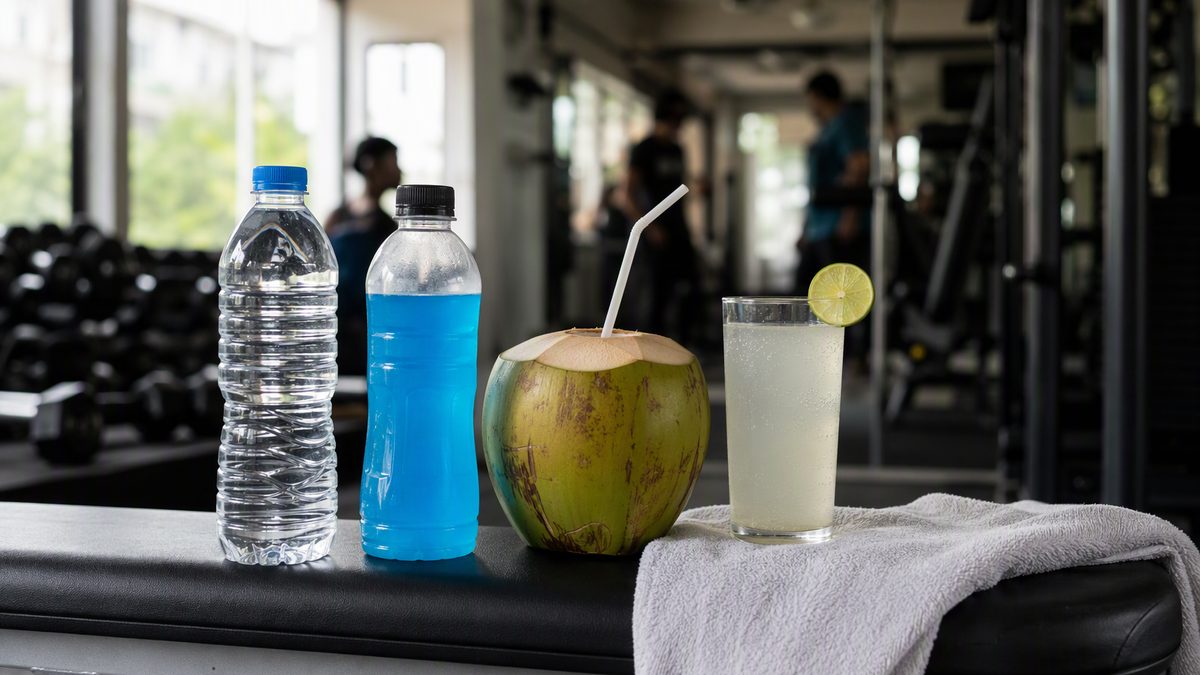
- For short indoor climbing sessions, plain water is usually enough. For long, sweaty, or hot sessions, add sodium through practical options like nimbu pani with salt, chaas, ORS, coconut water plus salty food, or a sports drink.
- Timing matters. Start hydrated, sip between burns, and replace fluid and sodium after the session instead of trying to “save weight” by under-drinking.
- Indian meal patterns can support hydration well. Dal-chawal, curd rice, idli-sambar, roti-sabzi, paneer, fruit, bananas, salted peanuts, and chaas can all fit into a smart climbing hydration plan.
If you climb regularly, you have probably wondered this at some point: “If I drink less before climbing, will I feel lighter and perform better?”
It sounds reasonable. Climbing is a strength-to-weight sport. So if the weighing scale is lower, shouldn’t your climbing improve?
In practice, that idea usually hurts more than it helps.
For most climbers, the real problem is not a few hundred grams of fluid in the body. The real problem is starting a session slightly dehydrated, then getting more dehydrated as the session goes on. That is what quietly chips away at finger strength, forearm endurance, concentration, heat tolerance, and recovery between attempts.
This matters even more for the Indian climbing audience. A climber doing an evening session in Mumbai after a humid commute, a boulderer training in Bengaluru in a packed gym, and an outdoor climber projecting in Hampi, Badami, or another hot crag are not dealing with the same hydration demands as someone climbing in cool weather abroad. Hydration and electrolyte timing for rock climbers in India has to account for heat, humidity, travel, meal timing, and practical local drink options.
So let’s answer the big question clearly: Will hydration water weight hurt your climbing grade? For almost everyone, no. If anything, proper climbing hydration helps you climb better, stay sharper, and recover faster.
Why “Water Weight” Is the Wrong Thing to Fear
Climbers often pay attention to body weight down to the last few hundred grams. That mindset makes sense when talking about body composition, gear, or carrying a heavy pack to the crag. But body fluid is not useless weight. It is part of the system that keeps your performance online.
When you are under-hydrated, several things start slipping:
- Grip endurance falls, so you pump out earlier on sustained routes.
- Mental focus drops, which affects route reading, clipping decisions, and foot precision.
- Perceived effort rises, so moderate climbs feel harder than they should.
- Recovery between burns slows down, especially during projecting sessions.
- Heat stress increases, which is a huge issue in Indian summer conditions.
Now compare that with the downside of being properly hydrated. You may temporarily carry a little more fluid in the body, but that fluid supports blood volume, temperature regulation, and muscular function. In other words, the “weight” you gain from hydration is usually far less important than the performance you lose from dehydration.
For a climber trying to send a hard boulder or route, weaker grip and poorer decision-making are far more costly than a small fluctuation on the scale.
Why Indian Climbers Need a More Local Hydration Strategy
A lot of online climbing hydration advice is written for cooler gyms, dry climates, or short sessions. Indian climbers often face a very different reality.
Here are some common situations where hydration needs rise quickly:
- Long travel in heat before training, especially by bike, metro, bus, or walking.
- Humid weather in cities like Mumbai, Chennai, Kochi, or Kolkata, where sweat does not evaporate efficiently.
- Dry, harsh summer heat in places like Delhi, Jaipur, Ahmedabad, or Nagpur.
- Indoor climbing gyms that are crowded or not fully air-conditioned.
- Outdoor bouldering or sport climbing in exposed sun.
- Irregular meal timing because of work, college, traffic, or travel to the crag.
- Heavy chai or coffee intake with low water intake through the day.
Many climbers do not realise they are already under-hydrated before they even tie in. If your day included a salty breakfast, little water, two cups of chai, a sweaty commute, and then a hard evening session, your hydration status is already affecting your climbing.
How Much Dehydration Can Affect Climbing Performance?
You do not need to be severely dehydrated for performance to dip. Even a fluid loss of around 1 to 2 percent of body weight can start affecting how you feel and perform.
For a 60 kg climber, 1 percent is just 0.6 kg, or roughly 600 ml of fluid loss. That is easy to lose in one long gym session, especially in summer.
Signs that dehydration may be affecting your climbing include:
- forearms pumping much earlier than usual
- feeling flat or heavy despite warming up properly
- headache, dryness, or unusual fatigue
- loss of concentration on sequences
- more frustration and lower tolerance for repeated attempts
- poor recovery between burns
None of these are helpful when you are trying to climb at your limit. This is why climbing hydration is not just about health; it is about actual session quality.
How to Estimate Your Sweat Rate
If you want a smarter hydration plan, stop guessing and measure your sweat loss.
Use this simple method:
- Weigh yourself before a one-hour climbing session in minimal dry clothing.
- Track how much fluid you drink during that hour.
- Weigh yourself again after the session, before eating a large meal.
- Use this formula: Sweat loss = body weight lost + fluid consumed.
Example: if you lost 0.4 kg and drank 0.5 litres, your sweat loss was about 0.9 litres per hour.
This matters because your sweat rate may be very different depending on the setting:
- a cool indoor bouldering session
- a humid monsoon evening session
- a summer lead session in a warm gym
- an outdoor projecting day in direct sun
Test yourself more than once. Many climbers are surprised to find that their “I don’t sweat much” assumption is completely wrong.
When Plain Water Is Enough
Not every session needs electrolytes or sports drinks.
For a normal indoor climbing gym session of around 60 to 90 minutes in moderate conditions, plain water is usually enough if:
- you ate a normal meal earlier
- the weather is not extremely hot
- you are not sweating heavily
- you are not doing a very long session
If your day already included a regular Indian meal like:
- dal-chawal with sabzi
- roti with paneer or egg bhurji
- idli-sambar
- poha with peanuts
- upma with curd
- curd rice
…then you have likely already consumed some sodium and carbohydrates. In that case, a bottle of water and a sensible snack can be enough for the session.
This is good news for climbers who do not want to overcomplicate things. You do not need imported hydration products for every gym day.
When Electrolytes Become Useful for Climbers
Electrolytes for climbers become more important when sweat losses are high or when you need to rehydrate efficiently.
That usually includes:
- sessions longer than 90 minutes
- hot-weather climbing
- humid gym sessions with lots of sweating
- outdoor projecting days
- multi-pitch or all-day climbing
- double training days
- travel-heavy climbing weekends
The main electrolyte to think about is sodium. If you sweat a lot and only drink plain water for hours, you may still feel drained, low-energy, or unable to bounce back between attempts. Sodium helps your body retain and use the fluid more effectively.
This does not mean you need expensive powders. Indian climbers have several practical, affordable options.
Best Electrolyte and Hydration Options in India
1. Nimbu Pani with Salt
This is one of the easiest and most effective hydration drinks for Indian conditions. Water, lemon, a pinch of salt, and a little sugar if needed can work very well before or during long sessions. It provides fluid, sodium, and a small carbohydrate boost.
2. ORS
ORS is especially useful after very sweaty sessions, summer outdoor climbing, long travel, or any day when you feel clearly depleted. It is practical, available almost everywhere, and often more effective than random “fitness drinks” when rehydration is the real goal.
3. Chaas
Chaas is underrated. It gives fluid, some sodium if salted, and is often easier on the stomach than very sugary drinks. For many climbers, chaas with a post-session meal is a simple and excellent recovery option.
4. Coconut Water
Coconut water is refreshing and useful in hot weather, but it is not very high in sodium. It works better as part of a hydration plan than as a complete solution for heavy sweat losses. Pair it with salty snacks or a meal.
5. Water Plus Salty Food
You can also hydrate well without a special drink. Water plus salted peanuts, roasted chana, banana chips, khakra, a sandwich, curd rice, or even a proper meal can work very well over a longer day.
Hydration Timing for Rock Climbers
Hydration timing matters because most performance problems come from starting too dry or waiting too long to drink.
Before Climbing
The goal is to begin your session already hydrated, not to panic-drink at the gym.
A practical pre-climb plan:
- Drink water consistently through the day.
- Have some fluid in the 2 to 3 hours before climbing.
- If it is very hot, include sodium through food or a light electrolyte drink.
- Eat a meal or snack with carbs and some salt.
Good pre-climb Indian options include:
- banana and peanut butter sandwich
- poha with curd
- idli-sambar
- rice with dal and sabzi
- roti with paneer bhurji
- fruit plus yoghurt
Avoid showing up after six hours of work, two coffees, no water, and no food, then expecting one bottle of cold water to rescue the session.
During Climbing
For shorter sessions, sip water based on thirst. For longer sessions, drink small amounts regularly between attempts.
A useful starting range for hot conditions is around 400 to 800 ml per hour, adjusted for body size, sweat rate, heat and session length.

