💡 Key Takeaways
- IF is just a timing tool - your muscle is kept by protein and lifting, so hit ~1.6-2.2 g/kg/day inside whatever window you pick (PMID 28698222).
- On a 16:8 window, three feedings of ~0.3-0.4 g/kg slot in easily - lunch, mid-afternoon, dinner (PMID 22150425).
- Train inside or right before your window so protein is on board; the strict post-workout rush is a myth (PMID 27916799).
- Basics beat tricks - protein, sleep and consistent lifting outrank the fasting schedule for keeping muscle every time.
Picture your actual week: three to five gym sessions, an evening lift after work most days, a couple of busier days where eating goes sideways. Intermittent fasting can fit that life cleanly - if you build it around when you already train and eat, instead of forcing your training around the fast. Done right, it is one fewer meal to think about and a tidy structure that stops the all-day grazing.
The thing to get straight from the start: IF does not keep your muscle. Protein and lifting do. The fasting window is a timing and appetite tool, useful if it helps you eat consistently, neutral or harmful if it makes you skimp on protein. For a recreational lifter, the whole game is fitting your protein and sessions into the hours you keep.
Let's walk through where the window sits in a normal training week, then nail the protein numbers and rest-day details so your gains hold while you run it.
1. Where the Window Sits in a Lifting Week
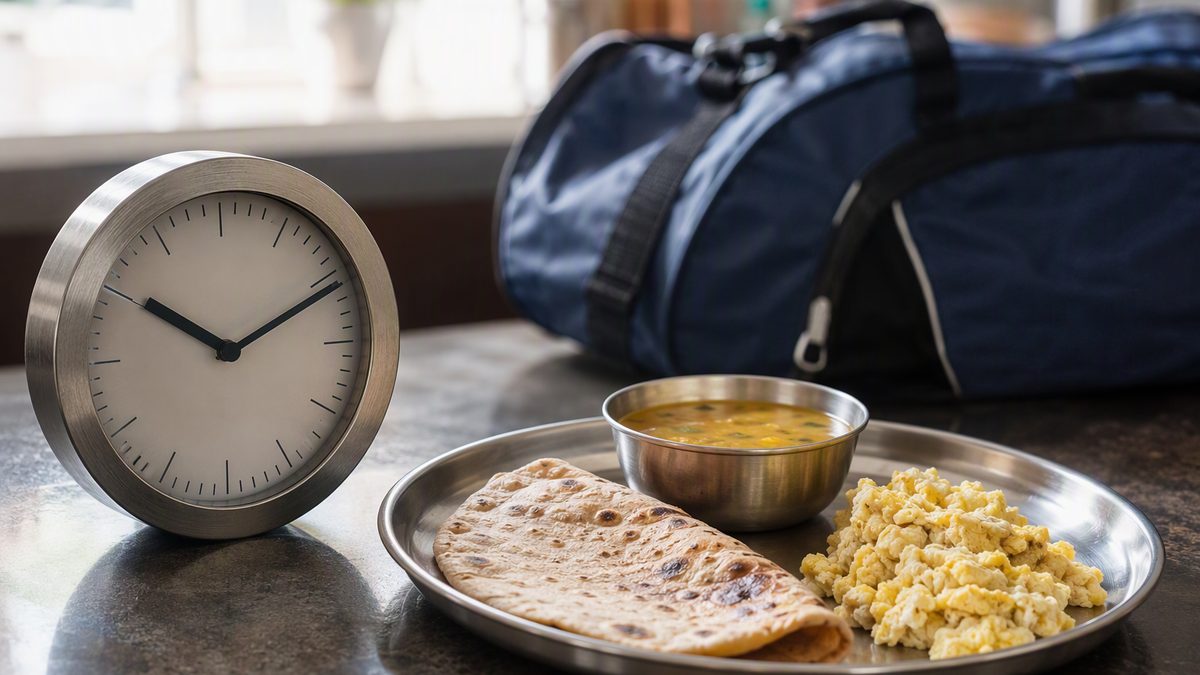
Take a standard week: you lift after work, say around 6pm, four days out of seven. A noon-to-8pm window maps onto that almost perfectly. You skip breakfast, eat a protein-led lunch at noon, have a mid-afternoon feeding around 3 or 4pm, train at 6pm with food already on board, then close the window with dinner near 8pm. Three protein feedings, your session sitting comfortably inside the fed window - this is about as friendly as IF gets for a lifter.
If you train at lunch instead, shift the window earlier - say 11am to 7pm - so your session lands right at the start of it and you eat shortly after. If you are a morning lifter, you will be training inside the fast; that is workable for most recreational sessions, but if it leaves you flat, eat first and run the window later. The point is to let your training time set the window, not the other way around.
Why 16:8 and not something stricter? Because the eight-hour window is wide enough to fit two or three solid protein feedings, which is exactly what muscle retention needs. OMAD crams everything into one sitting and makes both your daily total and your distribution hard to reach - a real disadvantage when you are trying to keep muscle. For most recreational lifters, the wider window is the obvious pick.
2. Your Protein Numbers Inside the Window
The compressed window does not lower your protein target - it just means you fit the same amount into fewer hours. Aim for about 1.6-2.2 g/kg/day; the lean-mass payoff of more protein with training flattens out near 1.6 g/kg, and if you are dieting, drift toward the upper end (PMIDs 28698222, 24864135). Split it across feedings of roughly 0.3-0.4 g/kg so synthesis stays elevated through the window rather than spiking once (PMID 22150425). Find your bodyweight.
| Bodyweight | Daily protein (1.6-2.2 g/kg) | Per feeding (~0.3-0.4 g/kg) | Window plan |
|---|---|---|---|
| 60 kg | 96-132 g | ~18-24 g | Lunch / 4pm / dinner |
| 70 kg | 112-154 g | ~21-28 g | Lunch / 4pm / dinner |
| 80 kg | 128-176 g | ~24-32 g | Lunch / 4pm / dinner |
| 90 kg | 144-198 g | ~27-36 g | Lunch / 4pm / shake / dinner |
| 100 kg | 160-220 g | ~30-40 g | Lunch / 4pm / shake / dinner |
Three meals plus an optional shake covers most lifters here without strain. A simple trick: a shaker of whey at the 3-4pm feeding is the easiest way to land a clean 25-35 g dose when lunch and dinner are doing the heavy lifting. Closing the window near bedtime means dinner doubles as a pre-sleep protein feeding, which supports overnight recovery and helps you reach the daily total (PMID 27916799).
3. Training Days vs Rest Days on the Window
A question every recreational lifter asks: does the window change on rest days? Mostly, no. Keep the same eating hours and the same protein target whether you lift or not - your muscle stays sensitized to protein for a day or two after a session, so the protein you eat on a rest day is still doing repair work from your last training day (PMID 27916799). Skipping protein on rest days is a common mistake that quietly undercuts recovery. Same window, same numbers, every day, is the simplest rule that works.
On training days, the only nuance is making sure your session sits near or inside the fed window. If you lift in the evening, you are already covered. If you train fasted in the morning, getting protein within a couple of hours of finishing is plenty - the idea that you must slam a shake within 30 minutes or lose your gains is a myth. And if a fasted session consistently feels weak, train inside your window instead; a strong session protects muscle better than a depleted one. Keeping it this simple is the point - for building a routine you will actually stick to, our guide to building fitness habits pairs well with this.
4. Keep It Simple: Basics Over Fasting Tricks
Here is the honest framing recreational lifters need most. Intermittent fasting is not what keeps your muscle, and it offers no special muscle-building or fat-burning magic - matched for calories and protein, it lands in the same place as eating across a normal day. It is purely an adherence tool. If a defined window helps you eat consistently and avoid mindless snacking, great, use it. If it makes you under-eat protein or skip sessions because you feel flat, drop it - it is not earning its place.
What actually moves the needle is unglamorous: enough protein, enough sleep, and consistent lifting over months. Those outrank any meal-timing scheme. If you are dieting, keep the loss slow - around 0.5-0.7% of bodyweight per week - so you shed fat and not the muscle you built (PMID 21558571), and watch a few simple readouts: your logged protein against target, your weight trend, and your lifts. If your strength stalls while the scale drops fast, that is an early sign you are losing muscle - back off the deficit and raise protein. One safety note worth stating: if you have any history of disordered eating, the rigid structure of fasting can be a trigger, and a regular meal pattern is the safer route - check with a clinician first.
Recreational Lifter IF Questions
Will IF make me lose the muscle I built?
Not if your protein and training stay in place. IF is a timing tool - it does not drain muscle on its own. What costs you muscle is under-eating protein or dieting too aggressively, both of which a tight window can encourage if you are not paying attention. Hit 1.6-2.2 g/kg of protein a day, keep lifting, and lose weight slowly if cutting. Do that and your gains hold whether you eat in a window or across the day.
When should I take protein around an evening workout?
If you train at 6pm on a noon-to-8pm window, you are already eating around the session - lunch and a mid-afternoon feeding before, dinner after. That is ideal. You do not need a precise post-workout shake; the strict 30-minute window is a myth, and protein spread across your whole eating window is used well. Just make sure your session sits inside or right before your window so you are not finishing a lift with hours of fasting ahead.
Do I keep the window and protein on rest days?
Yes to both. Keep the same eating window and the same protein target on rest days - your muscle is still repairing from your last session for a day or two, so the protein matters even when you do not train. Dropping protein on off days is a common mistake that slows recovery. Same hours, same 1.6-2.2 g/kg, every day, is the simplest approach that protects your gains and keeps the routine easy to follow.
Is IF actually better for keeping muscle, or just hype?
Just a tool, not better. Matched for calories and protein, IF produces the same muscle and fat-loss outcomes as eating across a normal day - it is an appetite and adherence aid, nothing more. It keeps muscle only insofar as it helps you stay consistent with protein and training. If a window helps you eat better, use it. If it makes you skip protein or feel weak in the gym, skip the fasting and just eat well across your day instead.
Disclaimer: This article is for educational purposes only and is not medical advice. Consult a qualified healthcare professional before starting any supplement, nutrition, or training protocol — especially if you are pregnant or breastfeeding, under 18, taking medication, or managing a health condition.
Scientific References & Clinical Sources
- Morton RW, et al. A systematic review, meta-analysis and meta-regression of the effect of protein supplementation on resistance training-induced gains in muscle mass and strength in healthy adults. Br J Sports Med, 2018. PMID: 28698222
- Phillips SM, Van Loon LJ. Dietary protein for athletes: from requirements to optimum adaptation. J Sports Sci, 2011. PMID: 22150425
- Trommelen J, van Loon LJ. Pre-sleep protein ingestion to improve the skeletal muscle adaptive response to exercise training. Nutrients, 2016. PMID: 27916799
- Garthe I, et al. Effect of two different rates of weight loss on body composition and strength and power-related performance in elite athletes. Int J Sport Nutr Exerc Metab, 2011. PMID: 21558571
- Helms ER, et al. Evidence-based recommendations for natural bodybuilding contest preparation: nutrition and supplementation. J Int Soc Sports Nutr, 2014. PMID: 24864135

