💡 Key Takeaways
- Neither is unsafe at your age when sensible – but food and 8-10 hours of sleep matter more than any cardio choice, and beat both for building fitness and growth.
- You already adapt fast, so start with mostly easy LISS to build a base, then add just 1-3 short HIIT sessions a week, never on back-to-back days.
- For body composition, neither LISS nor HIIT is a shortcut – total food intake and consistency decide it, and under-eating to lean out hurts growth and performance.
- Loop in your coach and a parent or doctor before adding hard intervals, especially if you're in a growth spurt or have any joint or knee pain.
The question most teen athletes type in is direct: "LISS or HIIT – which one should I actually be doing?" Here's the straight answer in three sentences. For a healthy teenager, both are fine when done sensibly, and which one is "better" depends on your goal: easy steady cardio builds an aerobic base and recovers easily, while short hard intervals build top-end fitness fast but cost more recovery. Most young athletes should do mostly easy work plus a small dose of hard intervals – and food and sleep matter more than either choice.
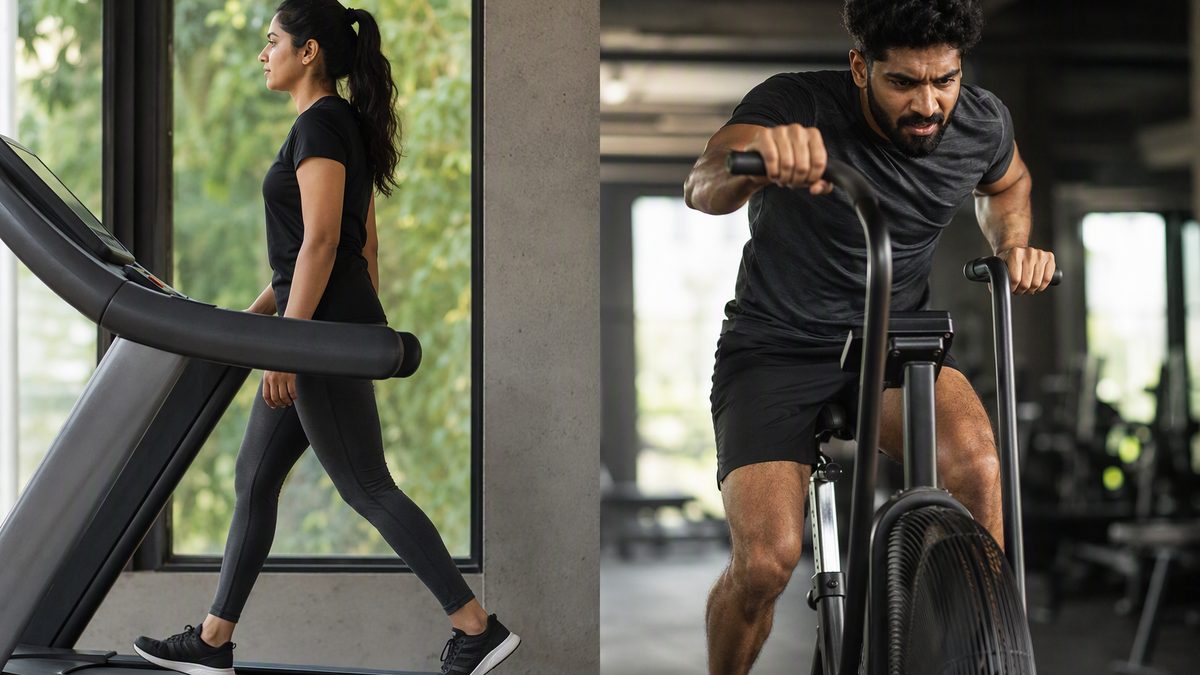
Two definitions, fast. LISS means low-intensity steady-state cardio: easy, conversational-pace work like a brisk walk, easy jog or easy bike, held for 30 minutes or more. HIIT means short bursts of near-maximal effort with recovery between – think 4 minutes hard then a few easy, repeated. Because you're still growing and your hormones already help you adapt quickly, you don't need to hammer yourself to improve. This guide gives you an age-appropriate plan and the honest stuff to tell your coach and parents.
1. The Straight Answer for a Teen Body
Start with what makes you fitter, because the cardio debate is smaller than it sounds. At your age your growth plates are still open, your energy needs are high, and you naturally adapt fast – which means the basics carry most of the result. Food first: you can't out-train under-eating, and skipping meals to do more cardio backfires on both growth and performance. Sleep next: 8-10 hours is the target, and it's where most of your improvement actually happens. No cardio style, and no supplement, replaces those two.
With that settled, the choice itself is simple. Easy steady LISS is low-cost, low-risk, and easy to recover from, so you can do it most days – it's the smart default and the best place to start. Hard HIIT is more time-efficient and builds top-end fitness faster, but it carries a real recovery cost: your body needs roughly 48 hours between truly hard sessions, which caps it at a few per week. So the answer isn't "pick one forever" – it's mostly easy work with a small, deliberate dose of hard intervals. That gives you the base and the speed without burying yourself.
2. Food, Sleep and Growth Come First
This deserves its own section because it's the part marketing skips. Cardio – whichever style – mostly works by burning calories, and for body composition neither LISS nor HIIT is a shortcut. Total energy balance and consistency decide the outcome, and the small "afterburn" people credit HIIT with is tiny in real life. So if a teammate tells you HIIT melts fat, that's overselling it. Far more important for you: eating enough to fuel both training and growth. Under-eating to look leaner is a trap at your age – it stalls growth, wrecks recovery, and tanks performance.
Sleep is the other multiplier. Hard intervals especially can spike alertness and delay sleep if done late, and you need every one of those 8-10 hours. So if you're going to add HIIT, do it earlier in the day, not right before bed, and never use energy drinks as pre-workout – the caffeine loads are too high for the dose teens often take and they sabotage the sleep you're trying to protect. Build the habit of training, eating and sleeping consistently and you'll out-improve someone chasing a fancier cardio protocol. If you want a framework for making that consistency stick, our guide on building fitness habits is a solid starting point.
3. An Age-Appropriate LISS and HIIT Plan
This sits around your team practices and games – it doesn't replace them. The week is mostly easy, with a small hard dose, and it assumes you've cleared adding intervals with a coach and a parent or doctor. Scale any HR figures to your own tested max.
| Goal / phase | Easy LISS dose | Hard HIIT dose | Note for teens |
|---|---|---|---|
| Just starting out | 3-4 x 30-40 min easy, RPE 3-4 | None yet – build base first | Several weeks of easy work before intervals |
| Base built, in-season | 2-3 x 30 min easy | 1-2 x weekly (4 x 4 min hard / 3 min easy) | Practices/games are your main hard work |
| Off-season build | 3 x 40 min easy | 2-3 x weekly (4-6 x 30 s hard / 2-3 min easy) | Never on back-to-back days |
| Growth spurt or knee pain | Mostly easy, low-impact | Pause hard intervals; check with a clinician | Growth-plate pain is a medical flag |
Keep hard sessions to one to three a week with 48 hours between, and remember your team training already supplies plenty of hard work – extra HIIT on top of a full practice week is often too much. Use low-impact options (bike, easy jog on soft ground) when you're growing fast or anything aches, and start any new intervals with longer work bouts at the easier end and more rest before progressing.
4. Safety, Growth Spurts and Talking to Your Coach
A few safety points that genuinely matter at your age. Hard intervals involve near-maximal effort, so if you've ever had chest pain, unusual breathlessness, a heart condition in the family, or any diagnosed health issue, get cleared by a doctor before doing maximal-effort work – this isn't being overcautious, it's standard. During a growth spurt, your bones can outpace the tendons attaching to them, which is why knee and heel pain (the kind around the kneecap or growth plates) shows up in active teens. Pain at those spots is a stop-and-check-with-a-clinician signal, not something to push through, and it's a reason to keep cardio easy and low-impact for a while.
Loop your coach and a parent in. Coaches need to know your full load so they don't stack hard private sessions on top of an already-hard team week – over-training from too much, too often is a real cause of injury and burnout in young athletes. And honestly, the best version of you is built on enough food, enough sleep, and consistent training, with a sensible mostly-easy cardio mix on top. That's not the exciting answer the internet sells, but it's the one that keeps you healthy, growing and improving season after season. Skip the influencer stacks; nail the basics.
Teen Athlete Cardio Questions
Is HIIT safe for my age?
For a healthy teen, sensible HIIT is generally fine – but start with easy LISS to build a base, add only a few short hard sessions a week, and keep them off back-to-back days. Because hard intervals are near-maximal effort, get a doctor's clearance first if you have any heart-related symptoms, a family heart history, or another health condition. And remember your team practices already supply hard work, so extra intervals on top can easily be too much, too soon.
Will cardio stunt my growth?
No – appropriate exercise, including both easy and hard cardio, doesn't stunt growth; it supports healthy development. What can hurt growth is under-eating to get leaner and chronically not sleeping enough. So the real risk isn't the cardio style, it's skipping meals and sleep around it. Eat enough to fuel training and growth, aim for 8-10 hours of sleep, and pushing through knee or heel pain during a growth spurt is the thing to avoid, not the workout itself.
Do I even need this if I eat well and play my sport?
Often not much extra. If you're already training and playing hard, your sport supplies plenty of intensity, and eating well plus sleeping enough drives most of your improvement. Some easy LISS on lighter days helps recovery and aerobic base, and a little HIIT in the off-season can build top-end fitness – but neither is essential if your schedule is already full. Food first, sleep second, consistent training third, and cardio tweaks fourth. Don't let supplements or fancy protocols jump that order.
Should my parents and coach know about my training?
Yes – this is important. Your coach needs to know your full training load so they don't accidentally stack hard sessions and risk overtraining or injury, which is common when private workouts pile onto a full team week. A parent or doctor should be in the loop before you add hard intervals, especially during a growth spurt or if anything hurts. Being open about what you're doing keeps you safer and helps the adults around you adjust your load sensibly.
Disclaimer: This article is for educational purposes only and is not medical advice. Consult a qualified healthcare professional before starting any supplement, nutrition, or training protocol — especially if you are pregnant or breastfeeding, under 18, taking medication, or managing a health condition.
Scientific References & Clinical Sources
- Keating SE, et al. A systematic review and meta-analysis of HIIT versus continuous training for fat loss. Obes Rev, 2017. PMID: 28401638
- Viana RB, et al. Is interval training useful for weight loss? A systematic review and meta-analysis. Br J Sports Med, 2019. PMID: 30765340
- Tabata I, et al. Effects of moderate-intensity endurance and high-intensity intermittent training on anaerobic capacity and VO2max. Med Sci Sports Exerc, 1996. PMID: 8897392
- Teixeira PJ, et al. Exercise, physical activity, and self-determination theory: a systematic review. Int J Behav Nutr Phys Act, 2012. PMID: 22726453
- Mandsager K, et al. Association of Cardiorespiratory Fitness With Long-term Mortality Among Adults Undergoing Exercise Treadmill Testing. JAMA Netw Open, 2018. PMID: 30646252

