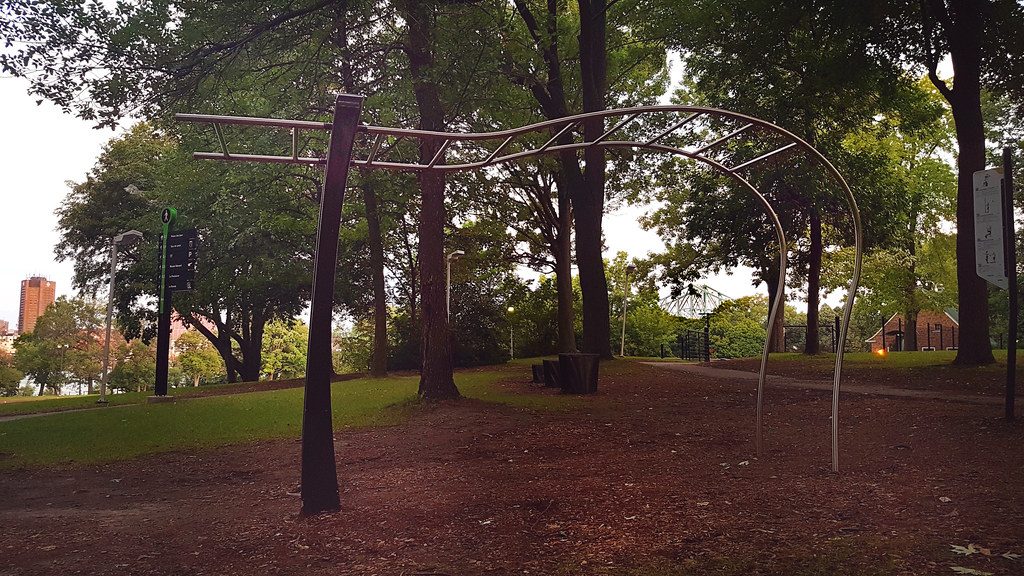
💡 Key Takeaways
- Expect the scale to barely move during a recomp — your win is leverage: same bodyweight, more pulling strength, lighter-feeling skills over 8-12 weeks
- Set protein at the top end (~2.0-2.2 g/kg) at maintenance calories so you build muscle and shed fat without gaining mass that wrecks your ratios
- Watch the right metrics: skill reps and hold times, progress photos, and the 7-day weight average — not the daily scale number
- Fuel tendons, not just muscle: connective tissue adapts slower than muscle, so steady protein and carbs around hard straight-arm work protect elbows and wrists
Here is what to expect when you track macros for recomposition, and roughly when. In the first two to three weeks, almost nothing happens on the scale — and that is the plan, not a stall. By weeks four to eight, the muscle-up feels lighter, your max pull-up reps creep up, and a tuck planche holds a beat longer at the exact same bodyweight. By weeks eight to twelve, progress photos show the change the scale refused to. That is recomposition: gaining muscle and losing fat simultaneously while the number under your feet stays put.
For a calisthenics athlete this is the whole game, because every skill is rated against your bodyweight. Add mass carelessly and your planche leverage and pull-up numbers get worse, even if you are technically stronger. So you do not bulk. You hold weight steady, set protein high, and let body composition shift underneath a flat scale. This guide gives you the timeline, the protocol, and the metrics that actually capture it.
1. What you will measure, and when it shows up
The scale is the wrong dashboard for a recomp, so know what to track instead and the timeline for each.
- Weeks 1-2: bodyweight flat (±1-2 kg of normal daily water and glycogen swing). Nothing to see here yet — judge nothing from a single reading.
- Weeks 3-6: performance moves first. More clean pull-up or dip reps, longer L-sit and tuck-planche holds, a smoother muscle-up transition. This is your earliest real signal.
- Weeks 6-12: visible change in progress photos — fuller shoulders and back, leaner midsection — while the scale still reads the same. Clothes fit differently.
Recomp is slow by nature: muscle accrual is rate-limited to roughly half a kilo to a kilo a month for novices and a fraction of that once you are trained, and you are asking it to happen without a calorie surplus. Patience is the protocol. The flat scale is the proof you are doing it right, not evidence it is not working.
Keep two records so the slow change stays visible. Log a benchmark set every couple of weeks — max strict pull-ups, longest tuck-planche hold, a timed L-sit — and shoot a progress photo in the same light and pose monthly. These catch the recomposition the scale is designed to miss. Bodyweight also swings 1-2 kg day to day on water, food, and glycogen, so a single morning reading tells you nothing; only the 7-day average means anything, and even that should barely move. When the performance numbers climb while the average weight holds, you have textbook recomp — exactly the outcome a bodyweight athlete wants, since every gram you did not gain is a gram your skills do not have to fight.
2. The recomp protocol for bodyweight athletes
Build the targets in order, at maintenance calories so the scale holds. Protein goes high to drive muscle gain and protect lean mass; fat covers a floor; carbs fuel skill work and pulling volume.
| Macro | Target (70 kg athlete) | Grams per day | Why this number for skills |
|---|---|---|---|
| Protein (first) | 2.0-2.2 g/kg | 140-154 g | Builds muscle at maintenance; benefits plateau near 1.6 g/kg but the top end protects lean mass during recomp |
| Fat (floor) | 0.8 g/kg, not below ~20% of calories | ~56 g | Supports hormones and joint health; no benefit driving it lower |
| Carbohydrate (remainder) | ~4-5 g/kg (skill/strength volume) | ~280-350 g | Fuels fresh-nervous-system skill practice and high pulling volume |
| Calories | Maintenance (track, then hold) | ~2,500-2,700 kcal | Flat energy balance keeps bodyweight stable so leverage ratios improve |
Find maintenance by tracking intake for two to three weeks and watching the weekly average hold steady; the calculator number is only a starting point. Keep carbs higher on heavy skill and strength days so the nervous system shows up fresh, and use a flexible 80/20 approach so adherence holds over the long blocks recomp needs.
3. Fueling tendons, not just muscle
This is the part bodyweight athletes underrate. Connective tissue — the elbow and wrist tendons hammered by straight-arm work like planche, front lever, and ring support — adapts far slower than muscle, which is why overuse injuries are the most common thing that ends a calisthenics block. Macros do not heal a tendon by themselves, but chronic under-eating and low protein starve the slow repair these structures need between sessions.
So the recomp setup does double duty: high steady protein supplies the raw material for collagen turnover, and adequate carbs around hard skill days keep you from grinding maximal attempts in a fueled-down, fatigued state — which is exactly when wrists and elbows get tweaked. If you ever do drop into a short, harder deficit, protect both muscle and joints by keeping protein near the top of the range; the reasoning is laid out in our protein-for-preservation guide. Pulling protein down to cut faster is the trade that costs you the most here.
Timing helps too: getting carbs and protein in before and after a heavy straight-arm session means you train fueled and recover from a position of strength, rather than asking already-stressed elbows and wrists to rebuild on an empty tank. None of this replaces smart programming and deloads, but it stacks the deck in your tendons' favor across a long block.
4. Common recomp mistakes for calisthenics athletes
Three errors blow up an otherwise good plan.
Chasing the scale. A recomp scale barely moves, so people panic and either slash calories (losing the muscle they are trying to build) or pile them on (gaining fat and ruining leverage). Trust the performance metrics and photos instead.
Drifting into a surplus 'to build faster.' Muscle accrual is rate-limited; a bigger surplus adds fat faster, not muscle faster, and on the parallettes every extra kilo makes the planche harder. Hold maintenance and be patient.
Letting protein slide while carbs and fat creep. Fat at 9 kcal per gram moves your calorie total roughly twice as fast as carbs or protein, so a few loose 'thumbs' of oil and nut butter can quietly push you into a surplus while your protein sits too low to build. Weigh the dense, easy-to-undercount stuff and keep protein anchored. If logging ever turns obsessive or anxious — a real risk in a sport that fixates on bodyweight — step back to habit-based eating; the tool should serve your training, not police it.
What calisthenics athletes ask about tracking macros
Will tracking macros make me gain weight and hurt my strength-to-weight ratio?
Not if you set it up as a recomp. You track to hold maintenance calories with high protein, so muscle builds and fat drops while the scale stays flat — meaning your strength-to-weight ratio improves without added mass. The leverage-killing mistake is bulking into a surplus. Tracking is actually how you avoid that, by keeping calories steady instead of guessing.
Does this help my tendons or just muscle?
Indirectly, it helps both. Tendons adapt much slower than muscle, and macros cannot rush that, but steady high protein supplies collagen-building material and adequate carbs keep you from training hard skills in a fatigued, under-fueled state when elbows and wrists are most vulnerable. Chronic under-eating starves connective-tissue repair, so consistent fueling is protective even though it is not a cure for overuse.
Can I train skills every day on this protocol?
The fueling supports daily practice, but recovery sets the real limit. Maintenance calories with high carbs keep the nervous system fresh enough for skill work, yet tendons still need deload weeks regardless of how well you eat. Use carbs to fuel quality attempts, not to justify grinding maximal reps daily. Good macros let you practice often; programming and rest decide whether you should.
Do I even need to track if I don't lift weights?
You do not need to forever, but a tracking phase is the cleanest way to dial in a recomp. Bodyweight training makes the protein and calorie demands no less real, and eyeballing usually undercounts dense foods enough to push you off maintenance. Track tightly for one 8-12 week block to learn your portions, then transition to habit-based eating once the targets feel automatic.
Disclaimer: This article is for educational purposes only and is not medical advice. Consult a qualified healthcare professional before starting any supplement, nutrition, or training protocol — especially if you are pregnant or breastfeeding, under 18, taking medication, or managing a health condition.
Scientific References & Clinical Sources
- Morton RW, et al. A systematic review, meta-analysis and meta-regression of the effect of protein supplementation on resistance training-induced gains in muscle mass and strength in healthy adults. Br J Sports Med, 2018. PMID: 28698222
- Phillips SM, Van Loon LJ. Dietary protein for athletes: from requirements to optimum adaptation. J Sports Sci, 2011. PMID: 22150425
- Helms ER, et al. Evidence-based recommendations for natural bodybuilding contest preparation: nutrition and supplementation. J Int Soc Sports Nutr, 2014. PMID: 24864135
- Thomas DT, et al. American College of Sports Medicine Joint Position Statement: Nutrition and Athletic Performance. Med Sci Sports Exerc, 2016. PMID: 26891166
- Paddon-Jones D, et al. Protein, weight management, and satiety. Am J Clin Nutr, 2008. PMID: 18469287

