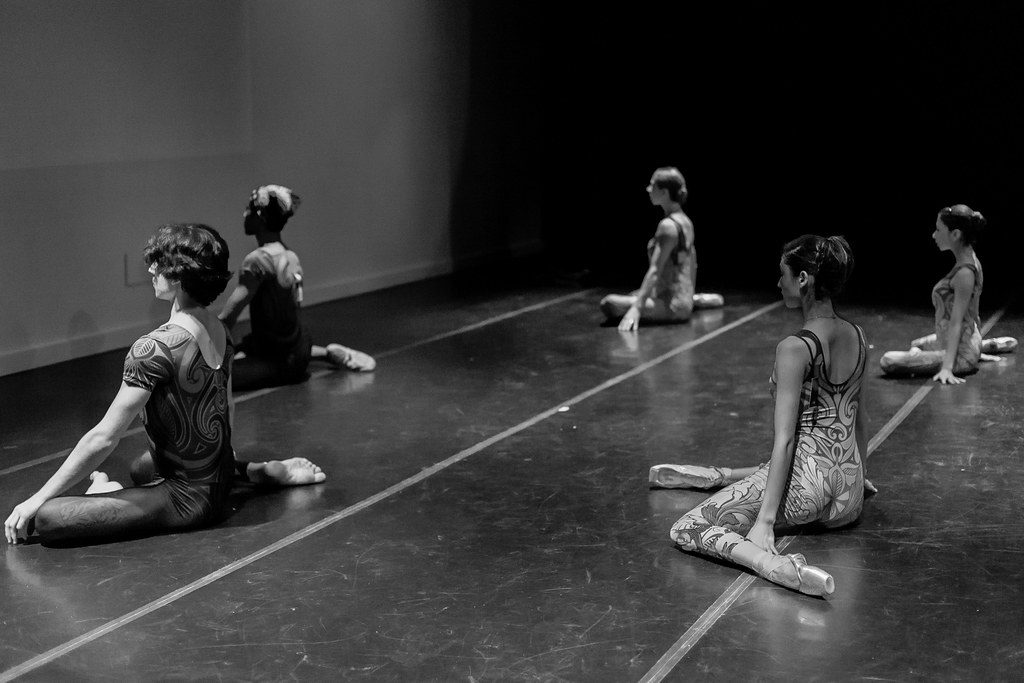
💡 Key Takeaways
- Used safely, tracking is an adequacy audit: a 52 kg dancer needs roughly 95 g of protein and 5-6 g/kg of carbs on full rehearsal days — and those numbers are floors, not ceilings.
- Never hold fat below about 0.6 g/kg or 20% of calories; that floor supports the hormones that keep your cycle regular and your bones tolerant of jump load.
- Stop tracking and talk to a professional if logging drives guilt, food rules, or skipped meals — a history of disordered eating makes this the wrong tool entirely.
- Watch energy through rehearsal blocks, cycle regularity, and bone-injury history before any scale number; a stable weight through season is a win.
Six hours into a rehearsal day, your jumps land heavy, the lift sequence you owned last month feels impossible, and you are running on coffee and half a protein bar. Most dancers read that as a fitness problem or, worse, a body problem. Far more often it is a fuel problem — dance is one of the most reliably under-fueled athletic populations there is, and the cost shows up as flat performances, stress fractures, and seasons cut short.
This guide uses macro tracking backwards from how the fitness industry usually sells it. Not as a way to eat less — as a way to prove, with numbers, that you are eating enough to rehearse eight hours, perform nightly, and stay out of the physio's office. Before any targets, though, you need the safety rules, because in this population tracking can do real harm when it is pointed the wrong way.
1. Read This First: When a Dancer Should Not Track
Daily food logging can trigger or worsen disordered eating, and dancers carry elevated risk by occupation. If you have any history of anorexia, bulimia, or obsessive food rules, do not start tracking on your own — work with a dietitian or clinician who knows performing artists, and use habit-based tools like plate-method portioning instead. Numbers are not the only way to fuel well.
If you do track, watch for the exit signs. Stop and seek professional support if logging becomes something you cannot skip without anxiety, if it creates guilt after meals, if you start avoiding foods or dodging post-show dinners because they are hard to log, or if the day's worth becomes a verdict on you rather than data about fuel. Teen and pre-professional dancers should involve a parent and a clinician before tracking at all.
Know the warning signs of RED-S — relative energy deficiency in sport — because they are the signal you need more food, not less: a missing or irregular period, recurring stress fractures or bone injuries, constant fatigue that sleep does not fix, frequent illness, cold hands in a warm studio, low mood, and a slow slide in performance. Any of these means fuel up and get assessed, whatever the mirror says.
2. Why Under-Fueling, Not Body Weight, Is the Career Threat
A 6-10 hour rehearsal day is an endurance event with choreography. It burns through carbohydrate the way distance training does, yet studio culture treats eating like an interruption — and long, hard days actively blunt appetite, so hunger arrives hours after the deficit did. You can under-eat by several hundred calories a day without ever feeling deprived. That invisible gap is what erodes recovery, bone density, and the explosive power your jumps depend on.
Logging earns its place here because it makes the invisible gap visible. Self-monitoring of intake is one of the strongest behavioral tools in nutrition research, and the skill is direction-neutral: the same log that helps other people find excess helps you find shortfall. Three honest days of logging often shocks dancers — lunch at 300 kcal, dinner after 10 p.m., a day's total that would under-fuel an office worker, let alone someone who rehearsed since morning.
The fix is not eating perfectly. It is hitting minimums on purpose: planned food every two to three hours of rehearsal, carbs treated as the cost of artistry rather than a moral hazard, and a bag packed the night before. Our meal prep and macro tracking hacks guide covers how to make that automatic on touring and studio days alike.
3. Daily Minimums for a 52 kg Dancer
These targets are floors. Eat above them freely when hunger or schedule demands; never eat below them on purpose. Protein holds steady at about 1.8 g/kg to repair the tissue that hours of jumping and partnering break down. Fat never drops under roughly 0.9-1.0 g/kg here, because chronically low fat undermines the hormones behind a regular cycle and resilient bone. Carbohydrate scales with the day.
| Day type | Protein (minimum) | Carbs (minimum) | Fat (minimum) | Floor calories |
|---|---|---|---|---|
| Class + full rehearsal day (6-8 h) | 95 g | 260-310 g (5-6 g/kg) | 45-52 g | ~1,850-2,100 |
| Show day (class, call, performance) | 95 g | 290-340 g (5.5-6.5 g/kg) | 45-52 g | ~1,950-2,200 |
| Lighter day (class only) | 95 g | 210-260 g (4-5 g/kg) | 52 g | ~1,700-1,900 |
Scale by your own weight using the g/kg figures. The protein number sits at the heart of the 1.6-2.2 g/kg range that research supports for anyone training hard — the reasoning is unpacked in our piece on why 1.6 g/kg of protein is the evidence-backed baseline. If your weekly weight trend drifts downward across a season and you did not plan it, that is not a victory; it is a sign the floors need raising.
4. Mistakes That Turn a Fueling Tool Into a Trap
The most damaging mistake is running a calorie deficit during season because a casting note or a costume fitting rattled you. Performance season is the highest energy demand of your year; cutting through it trades bone and recovery for a temporary aesthetic that under-fueling will sabotage anyway. If body-composition change is genuinely appropriate, it belongs in a layoff period, planned slowly with professional support — never solo, never in season.
Three more traps deserve naming. Copying macros from a fitness influencer half your training volume: a 1,400-kcal template that fits someone filming gym content will wreck a dancer rehearsing eight hours. Treating the floor as a ceiling: stopping at the minimum on a brutal day defeats the entire purpose of tracking for adequacy. And rigid all-or-nothing rules: research consistently links flexible, nothing-is-forbidden approaches with better long-term adherence, while rigid rules feed the guilt-then-binge cycle that this population can least afford. The croissant after Saturday's matinee fits. Log it without ceremony or skip logging it entirely — one untracked pastry has no power over a well-fueled week.
5. What to Monitor Instead of the Scale
Daily weigh-ins are close to useless for a dancer and actively risky for some. Bodyweight swings 1-2 kg day to day on water, glycogen, and food timing — noise that says nothing about your dancing but plenty to an anxious mind at 7 a.m. before class.
Track signals that map to your actual job instead. Energy in the final hour of rehearsal: are the last run-throughs as sharp as the first? Jump quality late in the day. Cycle regularity, logged like the vital sign it is. Sleep quality, illness frequency, and how niggles respond to load. If you weigh at all, use a weekly average under identical conditions and look only at the multi-week trend — through a season, a flat line is the goal.
Adjust gently and infrequently. When under-fueling signs appear — flagging afternoons, a delayed period, a slow-healing niggle — raise intake by 100-200 kcal, mostly carbohydrate, and hold it for two to four weeks before judging. Bring a sports dietitian into the loop for anything bigger, and remember the standing rule: the moment tracking costs more peace than it buys performance, the tool goes away, not the food.
Honest Answers for Dancers About Macro Tracking
Will tracking macros change how my body looks on stage?
Used the way this guide describes — to hit fueling minimums — it changes performance more than appearance: steadier energy through act three, higher jumps at the end of a run, fewer injury layoffs. Body composition shifts slowly, over weeks to months, and only with deliberate calorie changes. What reliably does change how you look on stage is under-fueling, because flat, depleted dancing reads from the back row.
Can I track during performance season?
Yes, if it reduces stress rather than adding it, and only pointed at adequacy. Season is the worst time for a deficit and the best time for pre-logged show days: a packed bag of food you eat every two to three hours between calls, a real meal after curtain. If nightly logging feels like one demand too many during a heavy run, switch to the packed-bag habit alone — the food matters, not the log.
Does eating more really help with stress fractures and ankle injuries?
Energy availability is a core part of the picture. Chronic under-fueling — RED-S — degrades bone metabolism and recovery, which is why stress fractures recur in under-eating dancers despite perfect rehab. Adequate calories, carbohydrate for the workload, protein near 1.8 g/kg, and fat above the hormonal floor give bone the resources to adapt to jump load. Fueling will not fix faulty mechanics, but no rehab plan survives an energy deficit.
I forget to eat during long rehearsal days — what actually works?
Decide in advance, because in-the-moment willpower loses to a packed schedule. Pre-log or pre-pack the entire rehearsal day the night before: something every two to three hours, carb-forward and easy to eat in a ten-minute break — rice boxes, fruit, yogurt drinks, sandwiches. Set the meal break as a calendar alarm like a call time. Dancers who plan food as part of the schedule hit their floors; dancers who improvise rarely do.
Disclaimer: This article is for educational purposes only and is not medical advice. Consult a qualified healthcare professional before starting any supplement, nutrition, or training protocol — especially if you are pregnant or breastfeeding, under 18, taking medication, or managing a health condition.
Scientific References & Clinical Sources
- Thomas DT, et al. American College of Sports Medicine Joint Position Statement: Nutrition and Athletic Performance. Med Sci Sports Exerc, 2016. PMID: 26891166
- Morton RW, et al. A systematic review, meta-analysis and meta-regression of the effect of protein supplementation on resistance training-induced gains in muscle mass and strength in healthy adults. Br J Sports Med, 2018. PMID: 28698222
- Paddon-Jones D, et al. Protein, weight management, and satiety. Am J Clin Nutr, 2008. PMID: 18469287
- Teixeira PJ, et al. Successful behavior change in obesity interventions in adults: a systematic review of self-regulation mediators. Obes Rev, 2015. PMID: 25907778

