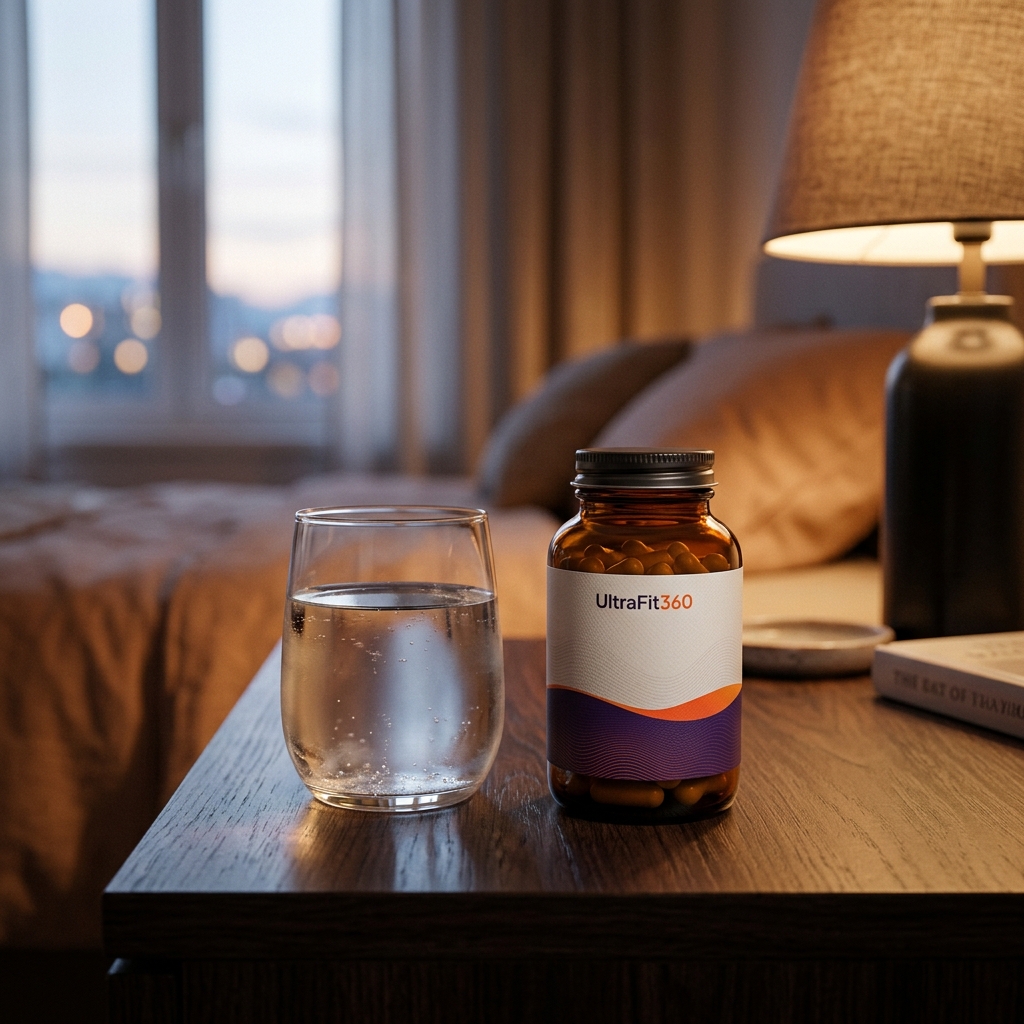
If you train hard and sleep poorly, you are leaving gains on the table. Recovery is not just about what you do in the gym — it is built overnight, during the hours when your body repairs muscle tissue, consolidates motor patterns, and regulates the hormones that drive adaptation. Magnesium glycinate has quietly become one of the most discussed recovery supplements heading into 2026, and for good reason. Unlike the cheap oxide form found in most corner-store multivitamins, magnesium glycinate pairs elemental magnesium with the amino acid glycine, unlocking a combination of benefits that directly address two of the biggest obstacles to athletic progress: poor sleep quality and incomplete muscle recovery.
Why the Form of Magnesium Matters
Not all magnesium supplements are created equal. The mineral must be bound to a carrier molecule to be absorbed through the intestinal wall, and that carrier determines how much magnesium actually enters your bloodstream — and what secondary effects accompany it.
- Magnesium oxide — the most common and cheapest form — has absorption rates estimated below 5% and is known primarily as a laxative. It does almost nothing for systemic magnesium status.
- Magnesium citrate absorbs better, around 25–30%, and is useful for constipation relief, but high doses can cause loose stools.
- Magnesium glycinate is chelated to glycine, a small amino acid. This bonding protects the magnesium from binding with competing compounds in the gut, significantly improving absorption — often cited above 80% in chelated forms. Crucially, it does not trigger laxative effects at standard doses, making it far more tolerable for daily use.
The glycine carrier is not just a passive vehicle. Glycine is itself a conditionally essential amino acid with its own documented effects on sleep quality and muscle metabolism, which makes magnesium glycinate a genuinely synergistic compound rather than a simple delivery upgrade.
Magnesium, GABA, and the Neuroscience of Sleep
One of magnesium's most important roles in the nervous system is its relationship with GABA (gamma-aminobutyric acid), the primary inhibitory neurotransmitter. GABA is essentially your brain's off switch — when GABA activity is high, neuronal excitability drops, anxiety quiets, and sleep onset becomes easier. Magnesium supports GABA receptor function, helping these receptors bind GABA more effectively. Without adequate magnesium, the nervous system can remain in a hyperexcitable state, making it difficult to fall asleep and even harder to stay asleep through the night.
Magnesium also regulates the hypothalamic-pituitary-adrenal (HPA) axis, blunting cortisol release at night. Cortisol and sleep are antagonistic — elevated evening cortisol, common in overtrained athletes, delays sleep onset and fragments REM cycles. By modulating the stress response, magnesium helps tip the evening hormonal balance toward melatonin dominance and restorative sleep architecture.
The glycine component adds another layer. Research shows that glycine taken before bed raises core body temperature drop speed at sleep onset — a critical trigger for entering deep slow-wave sleep. Subjects in sleep studies taking glycine reported improvements in subjective sleep quality and reduced daytime fatigue without sedative side effects or morning grogginess. Combining these two compounds in a single supplement means you are addressing sleep from multiple biological angles simultaneously.
Muscle Cramps, Nerve Function, and Athletic Performance
Cramps are one of the most common complaints among athletes, and while dehydration and electrolyte imbalance get most of the blame, magnesium deficiency is a significant and underappreciated contributor. Magnesium acts as a natural calcium antagonist at the neuromuscular junction. Calcium triggers muscle contraction; magnesium facilitates relaxation. When magnesium levels are low, the balance tips toward sustained contraction, increasing the likelihood of involuntary cramping — particularly during prolonged exercise or at night after a hard training day.
Beyond cramps, magnesium is required for the proper function of over 300 enzymatic reactions, many of which are directly tied to energy production. ATP — the molecule your muscles use for every contraction — must be bound to magnesium to be biologically active. Magnesium-ATP is the functional form. Athletes who are even mildly deficient in magnesium may be producing less usable energy per unit of fuel, resulting in earlier fatigue and reduced power output without any obvious explanation.
Hard training also depletes magnesium faster than a sedentary lifestyle does. Sweat losses, increased urinary excretion during high-stress periods, and elevated metabolic demand mean athletes have both higher requirements and faster depletion rates than general population guidelines suggest.
Protein Synthesis and Overnight Muscle Repair
Sleep is not merely rest — it is the primary window for muscle protein synthesis (MPS). Growth hormone secretion peaks in the first few hours of deep sleep, and it is during this time that amino acids are shuttled into damaged muscle fibers for repair and growth. Magnesium plays a role in this process through multiple pathways.
First, magnesium is required for ribosomal function. Ribosomes are the cellular machinery that translate mRNA into protein — the literal engines of muscle building. Without adequate magnesium, ribosomal efficiency drops and the rate of protein synthesis slows. Second, magnesium supports insulin sensitivity. Insulin is a powerful driver of MPS and nutrient uptake in muscle cells; magnesium deficiency is associated with impaired insulin signaling, which can blunt the anabolic response to your pre- and post-workout nutrition.
The glycine component of magnesium glycinate also contributes directly here. Glycine is a structural component of collagen — the connective tissue protein that makes up tendons, ligaments, and the extracellular matrix of muscle. Athletes with high training volumes have elevated collagen turnover, and glycine availability can become a limiting factor in connective tissue repair. Supplementing with magnesium glycinate thus supports both contractile protein synthesis via magnesium's enzymatic roles and connective tissue integrity via glycine's structural role.
Who Is Most Likely to Be Deficient
Widespread dietary magnesium insufficiency is well-documented in Western populations, with estimates suggesting that a significant portion of adults fail to meet the recommended daily intake. For athletes, the gap is often wider. Several factors compound the risk:
- High training volume — sweating and elevated metabolic demand increase losses
- Low-carbohydrate or restrictive diets — whole grains, legumes, and dark leafy greens are among the richest dietary sources; cutting these foods reduces intake significantly
- High stress — cortisol drives urinary magnesium excretion; periods of life or training stress accelerate depletion
- Alcohol consumption — even moderate intake increases renal magnesium losses
- Proton pump inhibitors or diuretics — common medications that impair magnesium absorption or increase excretion
Standard serum magnesium tests are a poor indicator of true magnesium status because only about 1% of the body's magnesium is in the blood. The majority is intracellular and in bone. A person can have normal serum levels while functionally deficient in the tissues where it matters most for athletes.
Dosing, Timing, and What to Expect
The most commonly used dose for athletic recovery purposes is 200–400 mg of elemental magnesium as glycinate per day. Products vary in their elemental magnesium content per capsule — a label may read 1000 mg magnesium glycinate while providing only 200 mg elemental magnesium, since glycine makes up the remainder of the molecular weight. Always check the elemental magnesium figure, not the total compound weight.
Timing matters for maximizing the sleep and recovery benefits. Taking magnesium glycinate 30–60 minutes before bed aligns the compound's peak activity with sleep onset. This window allows the GABA-modulating and nervous system calming effects to build as you wind down, rather than during waking hours when you need alertness.
Expect a gradual onset of benefits rather than an immediate overnight transformation. Most users report noticeable improvements in sleep quality, reduced nighttime cramping, and better morning recovery readiness within two to four weeks of consistent supplementation. Skeletal muscle and intracellular magnesium stores replenish over weeks, not days, so patience and consistency are necessary.
Safety note: Start at the lower end of the dosing range — 200 mg elemental magnesium per night — and increase gradually based on response. Magnesium glycinate is well-tolerated, but very high doses can cause loose stools in sensitive individuals. If you are taking medications for hypertension, heart conditions, or kidney disease, or if you have any kidney impairment, consult a clinician before adding a magnesium supplement. The kidneys regulate magnesium excretion, and impaired kidney function changes the risk profile significantly.
Stacking and Practical Considerations
Magnesium glycinate pairs well with other recovery-focused supplements without significant interaction concerns. Zinc is commonly combined with magnesium in ZMA-style formulations, though taking them separately — zinc with food, magnesium before bed — avoids potential competition for absorption at the intestinal level. Vitamin D and magnesium have a co-dependent relationship: magnesium is required for vitamin D activation, and vitamin D supports intestinal magnesium absorption. If you are supplementing both, timing them together in the evening is a reasonable approach.
From a food-first perspective, prioritize magnesium-rich whole foods: pumpkin seeds, dark chocolate, spinach, black beans, quinoa, and almonds are among the densest sources. Supplementation should fill the gap, not replace dietary effort. That said, for athletes with high training loads, food alone rarely closes the gap without deliberate and consistent dietary planning.
Tracking how well you sleep and how recovered you feel each morning is the most direct way to measure whether magnesium glycinate is working for you. Log your sleep quality scores, morning readiness, and any changes in nighttime cramping or workout performance in UltraFit360 — over two to four weeks of consistent data, patterns become clear, and you can make evidence-based decisions about whether to continue, adjust dose, or explore other recovery variables.
Transform Your Fitness Journey
Log your workouts, track your diet, and get AI coaching insights — all with UltraFit360.