💡 Key Takeaways
- In a high-volume week, massage earns its place after the hardest sessions and before sleep, easing perceived soreness in legs and back.
- The payoff is modest and about feel, not faster healing or a better 2K split; sleep and fueling drive recovery far more.
- A massage gun on quads, glutes, and lats for roughly 1-2 minutes each matches hands-on work and suits a daily training load.
- Rib pain is a stop-and-assess signal, never something to massage through; lightweights should not lean on massage to justify chronic cutting.
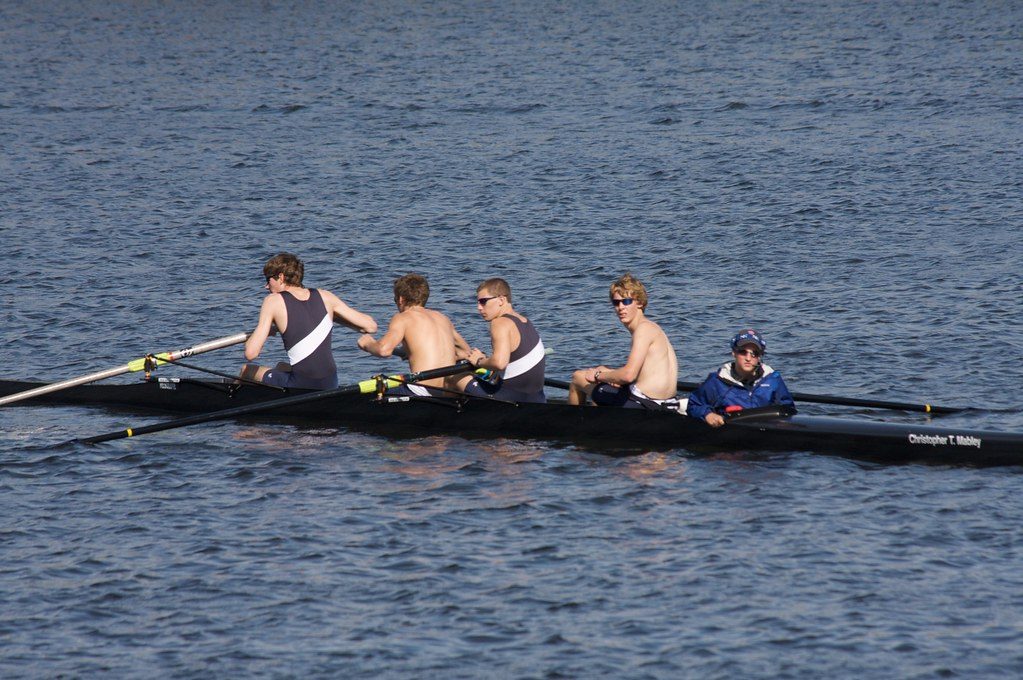
A serious rowing week is relentless: steady-state on the water or erg, interval sessions that shred your legs and lungs, a couple of lifts, and a 2K test on the calendar. Eight to twelve sessions stack up fast, and your quads, glutes, and lower back rarely feel fully fresh. So the question is reasonable — where does massage fit a load like that, and is it worth the time? The short answer: yes, in specific slots, as a modest comfort aid between hard efforts.
The key is fitting it to the schedule rather than treating it as a cure for the fatigue high volume creates.
This page maps massage onto a real rowing week — which sessions to follow it with, where the gun beats a professional visit, the honest size of the payoff for your splits, how to handle it around a 2K test, and the rib and cutting red flags that override any recovery routine.
1. Slotting Massage Into 8-12 Sessions a Week
With that much volume, you cannot and should not massage after everything — pick the slots where it pays. The best-studied recovery window is the hours after a hard, high-soreness session, so reserve self-massage for the days you genuinely trash yourself: a brutal interval session, a long steady-state piece, a heavy lift, or the aftermath of a 2K test. A couple of minutes on the quads, glutes, and lats that evening or the next morning is enough.
Pre-sleep is the other slot that earns its keep. Massage shifts you toward a calmer, parasympathetic state, so a few minutes before bed can help you wind down and fall asleep — and with this training load, protecting sleep is the highest-value recovery move you have. That relaxation effect is arguably the most useful thing massage offers a rower.
Keep frequency tied to the block. During a congested high-volume or pre-test stretch, a bit more self-massage helps manage residual soreness. In a recovery week or taper, you need little. And do not do deep, aggressive work right before a session or test where you want peak power — heavy deep-tissue work can leave you transiently tender and loose, blunting your drive. Light, brief work before; deeper work after.
2. The Gun vs the Therapist for a Daily Training Load
For a rower training most days, a percussion massage gun is the practical default. It reproduces much of the perceived recovery and soreness benefit of hands-on work, you can use it at the boathouse or at home on demand, and over a season it is far cheaper than the repeated professional sessions that daily training would otherwise call for. A therapist still has a role for assessment or a stubborn problem, but for routine maintenance the gun covers it. This page is about percussion and professional massage; rolling on a foam roller is a separate self-myofascial topic.
Technique: glide over the muscle belly with moderate pressure for a short bout, and stay off bone, joints, the spine, the ribs, the neck, nerves, and anything acutely injured. The ribs deserve special care given how common rib stress injuries are in rowing — keep the gun on the big muscles, never on the rib cage itself.
| Session | Target muscles | Time per side | When |
|---|---|---|---|
| Interval / 2K test | Quads, glutes | 1-2 min each | That evening or next day |
| Long steady state | Quads, calves, lats | 1-2 min each | Post-session or rest day |
| Lifting day | Glutes, upper back, lats | 1-2 min each | Post-session or pre-sleep |
| General stiffness | Hips, hamstrings | 1-2 min each | Pre-sleep wind-down |
| Recurring niggle | See a professional | 30-60 min session | For assessment, occasionally |
More is not better. The perceived benefit plateaus, and over-aggressive percussion can leave you more sore or bruised — counterproductive heading into the next session. Keep it well clear of the rib cage.
3. What It Honestly Does for Your Splits — and What It Doesn't
Sized correctly, the benefit is real but modest. Among recovery techniques, massage is one of the more consistent for reducing perceived muscle soreness and fatigue across markers of muscle damage. So after a savage interval session, it can make your legs and back feel less wrecked the next day. But the effect lives in how you feel, not in measurable performance — direct benefits to strength, power, or your 2K split are small at best. Massage will not lower your split or sharpen the last 500m; your engine and your training do that.
Set expectations against the natural course of soreness, too. After a hard or unaccustomed session, DOMS appears within hours, peaks around 24 to 72 hours later, and clears on its own within a few days regardless of intervention. So part of any 'the massage sorted me out' impression is just soreness fading on schedule. Massage may make that window more comfortable; it is not shortening the repair timeline by much.
And drop the myths. Massage does not flush lactic acid — lactate clears within an hour or two and is not what makes you sore later — and it does not break up scar tissue or remove toxins. The credible mechanisms are a parasympathetic calming shift and reduced pain perception. Smaller than the boathouse legend, but real.
4. Around the 2K Test and the Lightweight Cutting Trap
The 2K test is the fixed point your training orbits, so handle massage around it deliberately. In the days before a test, keep anything you do light and familiar — no deep, aggressive work that could leave you transiently tender, and nothing new. After the test, when you are wrecked, that is a prime window for some gentle self-massage and, more importantly, the relaxation that helps you sleep off a maximal effort. Treat it as comfort, not as something that will improve the score itself.
For lightweight rowers, one caution carries more weight than any recovery tip. The category creates real cutting pressure, and the honest mistake is chronic cutting instead of a sensible seasonal approach. Massage cannot offset the recovery cost of under-fueling — no tool can. Constant under-eating to make weight hurts your splits and your health in ways a gun does nothing for. Plan weight around the calendar, fuel your training, and never treat 'I'll just recover harder' as a reason to keep cutting.
Keep the priorities straight for everyone. Sleep is the foundational recovery lever — most hormonal and tissue recovery happens there, and at this volume it is non-negotiable; adults generally need about 7 to 9 hours, more in heavy training. Adequate energy and protein to repair come next, then load management, then comfort tools like massage. Our roundup of the best fitness apps can help you keep sleep and fueling consistent through a high-volume block.
5. Rib Pain and the Red Flags You Don't Massage Through
One rule overrides everything for a rower: rib pain is a stop-and-assess signal, not something you massage. Rib stress injuries are a known consequence of rowing volume, and localized rib pain, pain on breathing or twisting, or tenderness over the rib cage means back off and get assessed by a clinician — never percuss or push through it. The gun stays well away from the ribs entirely.
More broadly, see a qualified professional when pain is persistent, sharp, localized, or worsening, when there is swelling or loss of function, or when something recurs and you want an assessment. A therapist provides evaluation a device cannot. Lower-back, hip, and rib problems are common enough in rowing to deserve real eyes, not more self-massage.
Respect the general contraindications: do not massage acutely injured or inflamed tissue, and get clearance first if you are on blood thinners or have any condition where massage warrants caution. The honest bottom line for a rower — massage is a modest comfort adjunct that fits the gaps of a heavy week and helps you feel fresher and sleep better. It is not a performance tool, not a substitute for fueling and rest, and never the answer to rib pain.
Rower Questions About Massage
Will massage drop my 2K split?
Not directly. Massage does not improve strength, power, or your split — direct performance benefits are small at best. What it does is modestly reduce how sore and fatigued you feel after hard sessions, which can help you train more comfortably across a heavy week. Your 2K comes down to your aerobic engine, your training, and your fueling and sleep. Use massage as a comfort aid between sessions, not as something that will show up on the monitor.
Steady-state days too, or just after intervals?
Reserve it for the sessions that genuinely trash you — hard intervals, a 2K test, a long steady-state piece, or a heavy lift — rather than after every easy row. With eight to twelve sessions a week, massaging after everything is unnecessary and the benefit plateaus anyway. A few minutes on the worst-hit muscles after your hardest efforts, plus a pre-sleep wind-down, covers it. Match the frequency to your load, doing more in congested blocks and little in recovery weeks.
How should lightweights handle recovery and cutting?
Carefully, and not by leaning on massage. The lightweight category creates real cutting pressure, but chronic under-fueling to make weight harms your recovery, splits, and health in ways no recovery tool can offset. Massage cannot compensate for an energy deficit. Plan weight seasonally around your race calendar, fuel your training properly, and treat massage as a small comfort bonus on top of adequate food and sleep — never as a reason you can get away with cutting harder.
Can I use a massage gun on rib soreness?
No. Rib pain in a rower is a stop-and-assess signal, not something to massage. Rib stress injuries are a known risk from rowing volume, and localized rib pain or pain on breathing or twisting means back off and see a clinician. Keep the gun entirely off the rib cage and spine. Massaging or percussing a possible rib injury can make it worse and delays the rest and assessment it actually needs. When in doubt, get it checked.
Disclaimer: This article is for educational purposes only and is not medical advice. Consult a qualified healthcare professional before starting any supplement, nutrition, or training protocol — especially if you are pregnant or breastfeeding, under 18, taking medication, or managing a health condition.
Scientific References & Clinical Sources
- Dupuy O, et al. An Evidence-Based Approach for Choosing Post-exercise Recovery Techniques to Reduce Markers of Muscle Damage, Soreness, Fatigue, and Inflammation: A Systematic Review With Meta-Analysis. Front Physiol, 2018. PMID: 29755363
- Gill ND, et al. Effectiveness of post-match recovery strategies in rugby players. Br J Sports Med, 2006. PMID: 16505085
- Dattilo M, et al. Sleep and muscle recovery: endocrinological and molecular basis for a new and promising hypothesis. Med Hypotheses, 2011. PMID: 21550729
- Fullagar HH, et al. Sleep and athletic performance: the effects of sleep loss on exercise performance. Sports Med, 2015. PMID: 25315456
- Peake JM, et al. A Critical Review of Consumer Wearables, Mobile Applications, and Equipment for Providing Biofeedback, Monitoring Stress, and Sleep in Physically Active Populations. Front Physiol, 2018. PMID: 30002629

