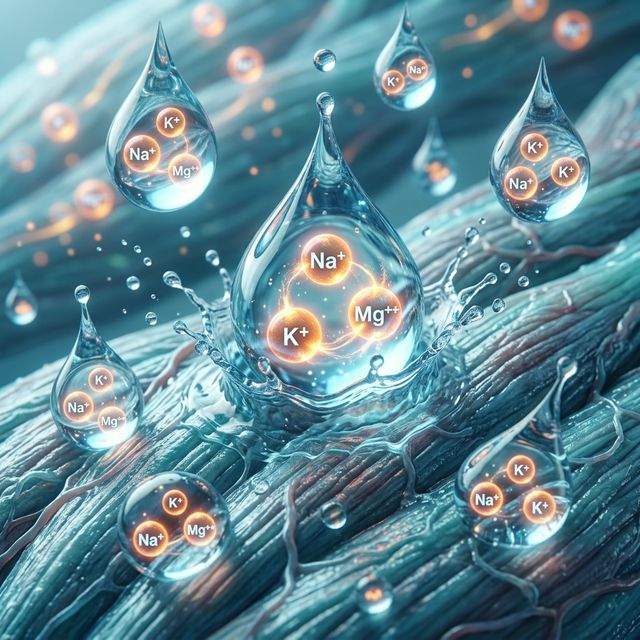
You can have perfect macronutrients and still be deficient in critical minerals. Micronutrients (vitamins and minerals) aren't glamorous, but they're the foundation of energy production, muscle contraction, recovery, and immunity. This guide identifies which micronutrients athletes actually need, how to identify deficiencies, and which supplements are science-backed vs. hype.
Micronutrient Hierarchy: Which Matter Most
Tier 1: Critical for Athletes (Get These Right)
Vitamin D (Calciferol)
- Function: Immune function, muscle protein synthesis, testosterone regulation, bone health
- Athlete deficiency rate: 30-50% (especially winter/indoor athletes)
- Target: 2,000-4,000 IU daily, or 25-50 ng/mL serum level
- Best source: Sunlight (15-30 min midday exposure), fatty fish (salmon, mackerel), egg yolks, or supplement
- Dosing: D3 2,000 IU daily if sun-exposed; 4,000 IU if minimal sun
- Why it matters: Low vitamin D correlates with weak immune function, depression, and slower recovery
Magnesium (Mg)
- Function: Muscle contraction, sleep quality, energy production, recovery
- Athlete deficiency rate: 20-30% (hard training increases loss via sweat)
- Target: 300-400 mg daily (men), 270-320 mg (women)
- Best source: Pumpkin seeds (156 mg/oz), almonds, spinach, dark chocolate
- Supplemental form: Magnesium glycinate (200-400 mg before bed for better sleep)
- Why it matters: Deficiency causes muscle cramps, poor sleep, fatigue
Iron (Fe)
- Function: Oxygen transport (hemoglobin), muscle contraction, energy production
- At-risk groups: Female athletes (menstruation increases loss), vegetarians, endurance athletes
- Target: 8 mg daily (men), 18 mg (women)
- Best source: Red meat (beef, lamb), chicken, eggs, legumes, fortified cereals
- Absorption tip: Vitamin C increases iron absorption; tea/coffee decreases it
- Why it matters: Anemia (low iron) reduces VO2 max and endurance capacity dramatically
- Caution: Don't supplement unless deficient (excess iron is harmful). Test first
Zinc (Zn)
- Function: Testosterone production, immune function, muscle protein synthesis, recovery
- Athlete deficiency rate: 10-15% (sweat loss during training)
- Target: 11 mg daily (men), 8 mg (women)
- Best source: Oysters (highest), beef, chicken, seeds, legumes
- Why it matters: Low zinc impairs testosterone, immune function, and strength gains
Tier 2: Important for Endurance or Vegetarians
Vitamin B12 (Cobalamin)
- Function: Energy production, neurological function, red blood cell formation
- At-risk: Vegetarians/vegans (B12 only in animal products)
- Target: 2.4 mcg daily
- Best source: Meat, fish, eggs, dairy, fortified plant-based milk
- Why it matters: Deficiency causes fatigue, weakness, and neurological problems
Calcium (Ca)
- Function: Bone strength, muscle contraction, nerve transmission
- Target: 1,000-1,200 mg daily
- Best source: Dairy (milk, yogurt, cheese), leafy greens, fortified plant milk, sardines
- Why it matters: Critical for bone density in athletes; deficiency increases fracture risk
Tier 3: Nice-to-Have (Limited Evidence)
Antioxidants (Vitamins C, E, Beta-Carotene)
- Claim: Reduce exercise-induced inflammation, speed recovery
- Reality: Excessive supplementation may blunt adaptation. Food sources are fine; mega-dosing supplements not beneficial
- Recommendation: Get from food (berries, citrus, nuts). Skip megadose supplements
Selenium
- Function: Antioxidant, thyroid function, immune support
- Target: 55 mcg daily (easily met from Brazil nuts, fish, eggs)
- Don't supplement; food sources are sufficient
Testing for Micronutrient Deficiencies
If you're fatigued, weak, or injured frequently, get blood work:
Essential Tests for Athletes
- Vitamin D: 25-hydroxyvitamin D (25-OHD). Target: 30-50 ng/mL
- Magnesium: Serum magnesium (not perfect test, but standard). Target: >2 mg/dL
- Iron: Ferritin and iron panel (serum iron, TIBC, transferrin saturation). Target: Ferritin 30-100 ng/mL (women), 50-150 (men)
- Zinc: Serum zinc. Target: 70-120 mcg/dL
- B12: Cobalamin. Target: >200 pg/mL
Cost: $100-300 out-of-pocket; may be covered by insurance if ordered by doctor with clinical indication
The Evidence-Based Supplement Stack for Athletes
Must-Have (Strong Evidence)
Creatine Monohydrate: 5g daily
- Effect: +5-15% strength gain, +10-15% muscle gain, improved recovery
- Mechanism: Increases ATP availability (cellular energy)
- Timeline: Noticeable effects in 3-5 weeks
- Safety: 20+ years research; safe at 5g/day indefinitely. Doesn't affect kidneys if healthy
- Cost: $10-15/month
Vitamin D3: 2,000-4,000 IU daily (if sun exposure is limited)
- Effect: Improves immune function, testosterone, recovery, bone health
- Timeline: 2-4 weeks to feel difference
- Cost: $5-10/month
Magnesium Glycinate: 200-400 mg before bed
- Effect: +10-20% improvement in sleep quality, fewer muscle cramps
- Timeline: 3-7 days
- Cost: $8-12/month
Should-Have (Good Evidence)
Caffeine: 3-6 mg/kg bodyweight, 30-60 min pre-training
- Effect: +2-8% strength, +3-5% endurance, improved focus
- Cost: Free (coffee) or $5/month (pills)
Whey Protein Powder: 20-30g serving
- Effect: Convenient way to hit protein targets (not magical, just efficient)
- Cost: $0.50-1.50/serving
Could-Have (Modest Evidence, Optional)
Beta-Alanine: 3-5g daily (split into 3-5 doses)
- Effect: +2-3% endurance (4-min efforts), muscle buffering
- Side effect: Tingling sensation (harmless, temporary)
- Cost: $10-15/month
- Best for: Endurance athletes; less relevant for strength
Electrolytes (Sodium, Potassium): During long training (2+ hours)
- Effect: Prevents hyponatremia (dangerously low sodium), maintains performance
- Source: Sports drink (Gatorade, Liquid IV) or salt capsules
- Cost: $20-40/month
- When needed: Only if training >90 min or in heat
Skip These (Hype, Minimal Evidence)
- Fat burners, fat blockers, "metabolism boosters"
- BCAAs (waste of money if eating enough total protein)
- Proprietary "testosterone boosters" (tribulus, fenugreek, etc.)
- Glutamine supplementation (not necessary if eating enough protein)
- Expensive multivitamins (cheap generic multivitamin works fine if needed)
Micronutrient Food Sources: Eating vs. Supplementing
Better approach: Get micronutrients from food first, supplement only the gaps.
Sample day hitting all critical micronutrients:
- Breakfast: 3 eggs + 1 cup oats = zinc, iron, B vitamins
- Lunch: Grilled salmon (150g) + spinach + sweet potato = vitamin D, iron, magnesium, potassium
- Snack: Almonds (1 oz) = magnesium, vitamin E
- Dinner: Ground beef (200g) + broccoli = iron, zinc, magnesium, calcium
This diet covers all critical micronutrients. No supplementation needed (except maybe vitamin D in winter)
Supplement Quality: Third-Party Testing Matters
Not all supplements are created equally. Look for:
- Third-party tested: NSF Certified for Sport, Informed Choice, USP verified (ensures the product contains what the label says)
- Reputable brands: Thorne, NOW Foods, Optimum Nutrition, Myprotein
- Red flags: Unrealistic claims ("builds 10 lbs muscle in a month"), penny bottles (cheap ingredients)
The Athletic Micronutrient Protocol
Month 1: Baseline
- Get blood work (vitamin D, iron, magnesium, zinc, B12)
- Identify deficiencies
- Evaluate current diet (are you eating micronutrient-rich foods?)
Month 2-3: Supplementation
- Start creatine (5g daily)
- Start vitamin D3 (if deficient or limited sun)
- Start magnesium glycinate (if poor sleep)
- Adjust diet to hit micronutrient targets through food
Month 4+: Maintenance
- Continue core supplements (creatine, vitamin D, magnesium)
- Retest blood work quarterly (identify new deficiencies)
- Adjust based on training intensity (more sweat = more mineral loss)