💡 Key Takeaways
- The 2K is roughly 70-80% aerobic with brutal anaerobic bookends, so both your steady-state base and your VO2max intervals directly build the engine behind your split.
- Most of your weekly volume should be easy steady state for mitochondrial density; 1-2 VO2max interval sessions (like 4x4) raise the central ceiling that caps your 2K.
- Expect 5-20% VO2max gains over months if you're building, smaller if you already row big volume and sit near your ceiling.
- Lightweights: build the engine seasonally with adequate fuel — chronic cutting starves the mitochondrial adaptation you're trying to develop.
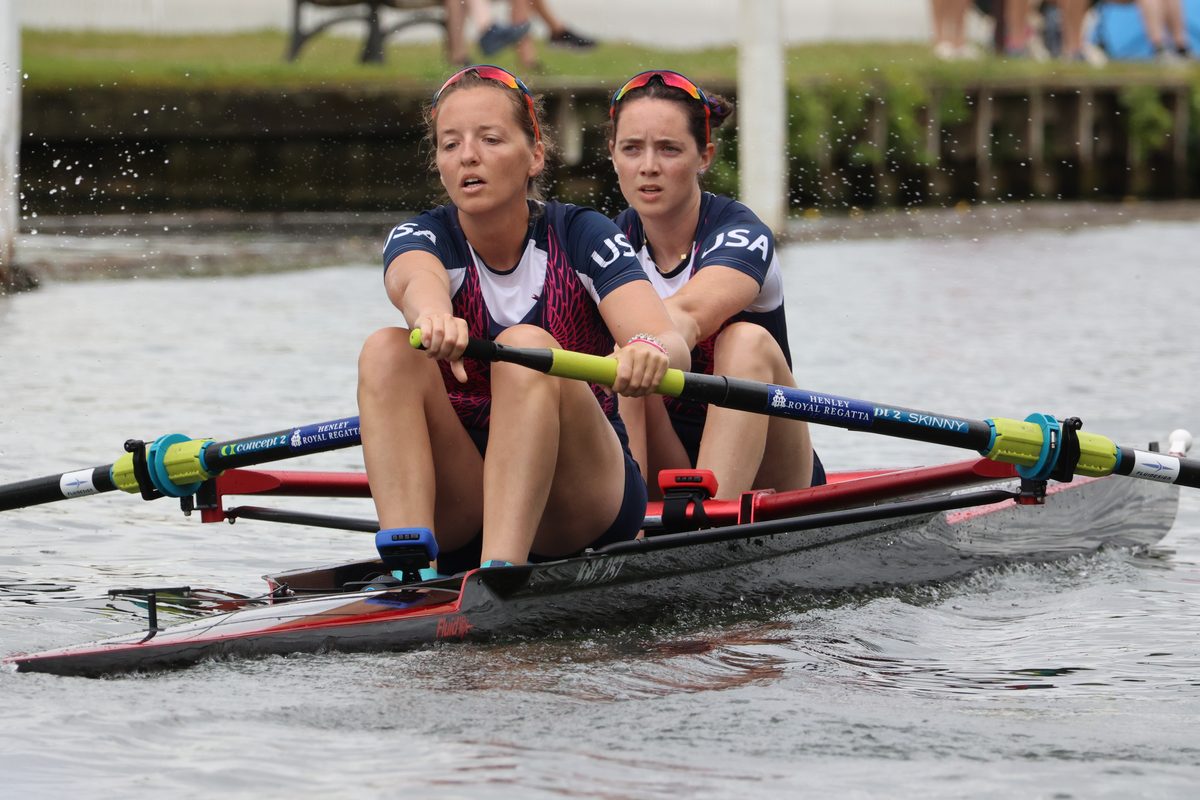
Open your training log and the pattern of a serious rower is unmistakable: eight to twelve sessions a week, a mountain of steady state, a scattering of interval work, and a 2K test looming on the calendar like an exam. Rowing is one of the most aerobically demanding sports there is — rowers post some of the highest absolute VO2 values in all of sport — so the engine behind your split isn't a side project. It's the whole event.
That's why VO2max deserves a clear place in how you think about your week, not as a number to chase but as the ceiling your 2K is pressing against. Your maximal oxygen uptake sets the roof on aerobic power, and the 2K is roughly 70-80% aerobic, so raising it directly raises what you can sustain over six-plus minutes of suffering. The anaerobic bookends matter too, but the middle four minutes are paid for by your aerobic engine.
Below: where steady state and VO2max intervals slot into a high-volume week, what each one builds, the science of why you need both, and how to track the engine — with an honest word for lightweights on fuelling it.
1. Where Steady State and VO2max Work Fit in a Big Week
The scheduling logic in rowing is the same polarised principle elites everywhere use: most of your volume stays genuinely easy, and a small, potent fraction goes truly hard, with little in the muddy middle. For a high-volume program that means the bulk of your weekly metres are aerobic steady state, with one or two dedicated VO2max interval sessions placed where you're recovered enough to hit them hard. The steady state builds the base; the intervals sharpen the ceiling. Crucially, keep your hard sessions at least 48 hours apart so each lands on legs and a heart that can actually push.
| Session type | Purpose | Intensity | Weekly share |
|---|---|---|---|
| Steady state (UT2) | Mitochondrial density, fat oxidation | Conversational, low rate | Most of volume |
| VO2max intervals | Central stroke volume, raise ceiling | 4 min near max effort | 1-2 sessions |
| Threshold work | Hold a higher % of VO2max | Comfortably hard | 1 session |
| 2K-specific | Race pace and anaerobic bookends | Race effort | As tests/peaks near |
| Recovery row | Active recovery | Very easy | Fills gaps |
The common mistake is letting steady state drift too hard — rowing it at a rate and pressure that's secretly threshold work, which leaves you too tired to do the hard sessions hard and too taxed to recover. Keep UT2 genuinely easy, conversational, low-rate, and your one or two VO2max sessions become the sharp, high-quality efforts they're meant to be. Easy days easy, hard days hard, and the muddy middle minimised: that's the structure that builds a 2K engine.
2. What Each Session Builds for Your 2K
The two ends of your week aren't redundant — they target the two halves of VO2max, which the Fick principle splits cleanly. Steady state builds the peripheral side: long aerobic volume is the most potent driver of mitochondrial density, capillarisation and fat-oxidation capacity, the machinery that lets your legs and back extract and use oxygen and clear lactate (PMID 17536069; PMID 28623613). That sets your lactate threshold — the fraction of your VO2max you can hold for a 2K. Your VO2max intervals build the central side: four hard minutes stress maximal cardiac output and grow stroke volume and blood volume, which lifts the absolute ceiling your threshold sits beneath (PMID 17901124).
For the interval session, the best-studied VO2max format is the Norwegian 4x4: four minutes at roughly 90-95% of max effort, three minutes of light paddling, four times. The long hard pieces keep you near VO2max long enough to drive the central adaptation, and on the erg you can pace them by split rather than only heart rate, which lags at piece starts (PMID 8897392; PMID 23539308). Why both matter for a 2K is simple: raise the ceiling with intervals and you have more headroom; raise the threshold with steady-state volume and you can hold a higher fraction of that ceiling for the full distance. Train one and neglect the other and your split stalls — the 2K rewards the rower who built both.
3. Tracking the Engine Behind Your Split
Rowers are lucky here: the erg is a measurement device, so you can track the engine directly rather than trusting a watch. The cleanest signal is split at a fixed heart rate — if your steady-state pieces get faster at the same heart rate over a few weeks, your aerobic and mitochondrial fitness genuinely improved, no lab required. Pair that with two passive trends: a resting heart rate drifting down with fitness, and faster heart-rate recovery after your hard intervals. Let those markers steer you, and let poor recovery numbers veto a planned hard session — a multi-day resting-HR spike means row easy, not hard.
Treat any device VO2max estimate as a rough trend, not a verdict. Wrist and watch estimates are modelled from the pace-to-heart-rate relationship and carry +/-10-15% error, and they're especially unreliable for rowing, where wrist heart rate and the lack of running pace data throw the algorithm off (PMID 29018355; PMID 30002629). Watch the direction over weeks, not the absolute figure. Set realistic expectations on gains: from a building base you might see 5-20% VO2max improvement over a few months, but if you already train big volume and sit near your ceiling, expect only a few percent — and at that point split gains come more from threshold, technique and economy than from the raw number. Adaptations show across roughly 8-12 weeks, and they reverse within a few weeks off, so the off-season base you keep ticking over protects the engine you built.
4. Fuelling the Volume — and a Word for Lightweights
This much aerobic work has to be paid for, and the bill is energy. Mitochondrial adaptation is gated by fuel: chronic low energy or carbohydrate availability blunts training quality and the adaptive response, and the hard sessions that build your ceiling genuinely need glycogen (PMID 26891166). Underfeed a high-volume rowing program and you don't just feel flat — you starve the very mitochondrial gains the volume is meant to produce. Adequate protein supports the overall adaptation, and iron status matters specifically for oxygen transport, with deficiency common in high-volume and menstruating athletes; screen it if fatigue or stalled progress appears, because low iron directly caps aerobic performance. Sleep of 7-9 hours and 48 hours between hard sessions gate the rest (PMID 25315456).
Lightweights, this is your section. The pull to cut chronically to make weight runs directly against everything above — a perpetual energy deficit sabotages the mitochondrial engine you're trying to build and erodes the power behind your split. Build the engine in the off-season and base phases with full fuel, and reserve any necessary cut for a tight window near competition, with a plan, rather than living depleted year-round. Rib stress injuries are another high-volume risk in rowing: rib or chest-wall pain is a stop-and-assess signal, not something to row through. And because near-maximal intervals briefly raise cardiac load, build your aerobic base before piling on hard VO2max work, and get screened if you have any cardiac concerns. To make the weekly structure stick across a long season, our guide to building fitness habits covers anchoring sessions to a repeatable rhythm.
What Rowers Ask About VO2 Max
Will raising my VO2max drop my 2K split?
It can, because the 2K is roughly 70-80% aerobic, so your aerobic engine largely sets the pace you can hold. Raising VO2max lifts the ceiling your race effort presses against, and that headroom shows up in your split. The catch is that if you already row big volume and sit near your ceiling, the raw number moves little and split gains come more from threshold, technique and economy. For a developing rower, though, building the engine is one of the most direct routes to a faster 2K.
How do lightweights handle making weight while building the engine?
Build the engine fuelled, and cut narrowly. Chronic low energy availability starves the mitochondrial adaptation that high-volume rowing is meant to produce, so living in a deficit year-round undermines the very fitness you're training for. Develop your aerobic base in the off-season and base phases with adequate food, then reserve any necessary weight cut for a planned window close to competition. Don't try to build fitness and cut hard at the same time — they pull in opposite directions, and the engine loses.
Do I need VO2max work on steady-state days too, or just interval days?
Keep them separate. Steady-state days should stay genuinely easy and low-rate — that's what builds mitochondrial density and your threshold, and rowing them too hard turns them into junk that leaves you too tired to hit the real intervals. Your VO2max stimulus comes from one or two dedicated hard sessions a week, kept at least 48 hours apart. The polarised structure — most volume easy, a small dose truly hard — is exactly what develops the 2K engine. Don't blur the two.
Does this help the last 500m?
Indirectly, by raising what comes before it. The closing sprint draws heavily on anaerobic capacity, which you train with race-pace and interval work, but how much you have left for it depends on how efficiently your aerobic engine carried the middle of the race. A higher VO2max and a better mitochondrial base mean you spend less and clear lactate faster through the body of the 2K, leaving more in the tank for the final 500. So the engine work pays off at the line, even though the sprint itself is its own stimulus.
Disclaimer: This article is for educational purposes only and is not medical advice. Consult a qualified healthcare professional before starting any supplement, nutrition, or training protocol — especially if you are pregnant or breastfeeding, under 18, taking medication, or managing a health condition.
Scientific References & Clinical Sources
- Joyner MJ, Coyle EF. Endurance exercise performance: the physiology of champions. J Physiol, 2008. PMID: 17901124
- Toledo FG, et al. Effects of physical activity and weight loss on skeletal muscle mitochondria and relationship with glucose control in type 2 diabetes. Diabetes, 2007. PMID: 17536069
- San-Millán I, Brooks GA. Assessment of Metabolic Flexibility by Means of Measuring Blood Lactate, Fat, and Carbohydrate Oxidation Responses to Exercise in Professional Endurance Athletes and Less-Fit Individuals. Sports Med, 2018. PMID: 28623613
- Tabata I, et al. Effects of moderate-intensity endurance and high-intensity intermittent training on anaerobic capacity and VO2max. Med Sci Sports Exerc, 1996. PMID: 8897392
- Thomas DT, et al. American College of Sports Medicine Joint Position Statement: Nutrition and Athletic Performance. Med Sci Sports Exerc, 2016. PMID: 26891166
Want a plan built around your training history? UltraFit360's free AI workout planner creates and adjusts programs for you.

