💡 Key Takeaways
- Skiing and riding are eccentric-heavy sports that cause real muscle damage, so protein is recovery infrastructure, not just a lifter's concern.
- Aim for 1.6-2.2 g/kg daily, spread across 4-5 feedings of 0.3-0.4 g/kg, leaning to the upper end on big descent days.
- Altitude suppresses appetite right when repair demand peaks; lean on liquid protein, smaller frequent feeds, and a pre-sleep dose.
- Off-season eccentric training plus adequate protein, not in-season grit, is what blunts opening-week DOMS.
Here is the belief that leaves people destroyed after day one every season: skiing is cardio, so protein is a gym-bro concern that has nothing to do with carving turns. It feels reasonable. You are outside, breathing hard, legs burning — surely this is an endurance problem, not a muscle-building one.
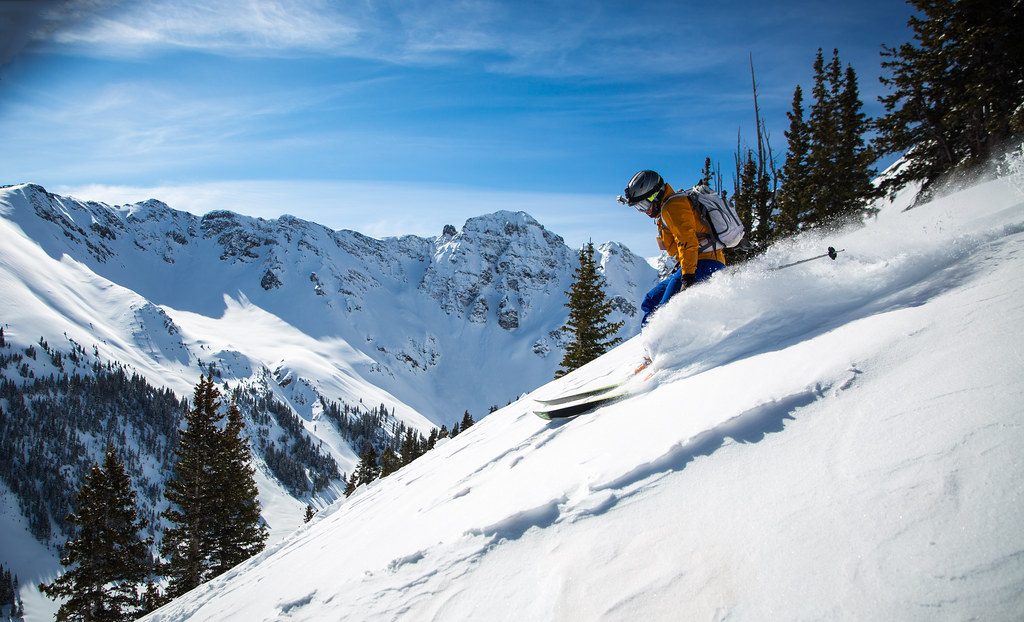
It is wrong, and your quads prove it every December. Every turn you make is an eccentric contraction: your quadriceps lengthen under load to control the descent, braking against gravity for hours. Eccentric work is the single most damaging type of muscle contraction, and it is precisely what produces the deep, two-days-later soreness that ruins the back half of an opening trip. That damage has to be repaired, and protein is the raw material for the repair. This page takes the myth apart, then gives you the real numbers for trip days, off-season prep, and the thin-air problem that quietly sabotages both.
1. The Myth: Skiing Is Cardio, So Protein Doesn't Matter
The cardio framing isn't entirely wrong — a long day on the hill taxes your aerobic system. But it hides the muscular story. Downhill skiing and snowboarding load the quads, glutes and core through long, repeated eccentric contractions, the kind that brake and absorb rather than push. Lab work is consistent on this: eccentric contractions cause far more muscle micro-damage and delayed soreness than the concentric work most people picture as "real" muscle training.
That damage spikes muscle protein breakdown, and recovery is a race between breakdown and synthesis. Training without enough protein produces a much weaker adaptive response than the two together; the stimulus and the building blocks are synergistic. So an athlete who skis hard but treats protein as optional is repairing damage with one hand tied behind their back.
None of this means protein erases soreness — nothing does, fully. What adequate daily protein does is support faster repair and a stronger rebuild across a multi-day trip, so day three feels less like wreckage and your legs actually adapt to the load rather than just surviving it. The myth costs you the second half of every trip.
2. Why Eccentric Descents Wreck Your Quads
Walk through a single run. From the top, your quads are firing while lengthening — controlling speed, absorbing moguls, holding an edge — over and over for the length of the descent. Multiply that by a full day and you have thousands of eccentric loading cycles on cold, often under-prepared muscle. The result is the textbook delayed-onset pattern: fine that evening, brutal 24-48 hours later.
The encouraging part is the repeated-bout effect. Muscle that has been exposed to eccentric load adapts and is dramatically more resistant to damage the next time, which is why soreness fades as a season goes on. But early-season legs that did nothing eccentric all summer get the full hit. That is the real answer to "why am I destroyed after day one every year": novel eccentric load on unprepared muscle, often compounded by under-eating.
Protein supports the rebuild that drives that adaptation. A training bout keeps synthesis elevated for 24-48 hours, so protein eaten across that window — including the next day — is used efficiently to repair and reinforce. On consecutive ski days, that overnight and next-day feeding is doing the work that lets day two and three hold up.
3. Protein Numbers for Trip Days and Off-Season Prep
Translate it into grams. Target 1.6-2.2 g/kg of bodyweight daily, spread across four to five feedings, and lean toward the upper end on heavy descent days when damage is highest.
| Bodyweight | Daily target (1.6-2.2 g/kg) | Per-meal dose (0.3-0.4 g/kg) | Meals/day | Pre-sleep casein |
|---|---|---|---|---|
| 60 kg | 96-132 g | 18-24 g | 4 | ~30 g |
| 70 kg | 112-154 g | 21-28 g | 4-5 | ~35 g |
| 80 kg | 128-176 g | 24-32 g | 4-5 | ~35-40 g |
| 90 kg | 144-198 g | 27-36 g | 5 | ~40 g |
Each feeding wants roughly 0.3-0.4 g/kg to clear the leucine threshold that switches synthesis on. The pre-sleep slot earns its place on a trip: 30-40 g of slow casein before bed raised overnight synthesis by about 22% in controlled work and improved size and strength gains over a training block, which is exactly the overnight repair you want between back-to-back ski days. Our guide on protein before bed covers the slow-release logic.
4. Altitude Kills Your Appetite — Here's the Work-Around
Now the variable that wrecks the best-laid plan: altitude blunts appetite. At resort and backcountry elevations you often feel least like eating exactly when repair demand is highest, so daily protein quietly falls short and recovery suffers. The fix is to make protein easier to get down, not to white-knuckle big meals.
Lean on liquid and soft sources when solid food feels like a chore: milk, a whey shake, Greek yogurt, soup with added protein. Eat smaller feedings more often rather than three large meals, and protect the pre-sleep dose since you are likely under-eating during the day. A shaker travels well and survives a cold trip, which is half the battle; our whey versus casein comparison helps you pick a fast post-ski option versus a slow overnight one.
Two safety notes that matter at elevation. Cold blunts thirst while altitude increases respiratory water loss, so hydration slips silently — keep drinking even when you are not thirsty. And après-ski alcohol stacks badly: a heavy session suppresses muscle protein synthesis by 24-37% even with protein on board, on top of altitude dehydration. Keep heavy drinking away from your biggest ski days. Genuine altitude illness, meanwhile, is a medical issue, not a nutrition one.
5. Off-Season Prep and In-Season Maintenance
The honest conclusion: protein is necessary but not sufficient. The thing that actually saves your opening week is doing eccentric work before December. From May to November, build eccentric quad capacity — controlled tempo squats, step-downs, lunges, decline work — and the repeated-bout effect means your legs show up already adapted. Pair that training with adequate protein and you get the rebuild that makes the adaptation stick.
In-season, most riders become weekend warriors who travel to ski. The goal shifts to maintenance: keep protein at your daily target so each weekend's eccentric load is repaired rather than accumulated, and hold one or two short strength sessions midweek so you are not detraining between trips. Five days of skiing a week is a lot of damage to feed, so distribution and the pre-sleep dose matter more during heavy stretches.
Put simply, the off-season builds the armour and protein supplies it; the in-season maintains both. Show up in December with prepared, well-fed legs and day one stops being an annual punishment.
Slope-Side Questions About Protein and Recovery
How do I prep my legs so opening week doesn't destroy me?
Train eccentric quad strength in the off-season — tempo squats, step-downs, lunges, decline work — so the repeated-bout effect makes your legs resistant to the damage that causes opening-week soreness. Pair that with adequate daily protein, 1.6-2.2 g/kg, so the training actually rebuilds stronger tissue. The soreness comes from novel eccentric load on unprepared muscle; preparation, not grit, is what prevents it. Protein supplies the rebuild, training provides the stimulus.
Does altitude change how I should handle protein?
The target is the same, but hitting it is harder because altitude suppresses appetite. Work around that with liquid and soft protein — milk, shakes, yogurt, protein-rich soup — and smaller, more frequent feedings instead of three big meals. Protect the pre-sleep dose, since you are likely short during the day. Also watch hydration, which slips at altitude, and keep heavy après-ski drinking away from your biggest descent days.
Can I maintain muscle during a five-day-a-week ski season?
Yes, with two habits. Keep daily protein at your target so the heavy eccentric load gets repaired instead of piling up, leaning to the upper end on big days and using a pre-sleep casein dose between consecutive ski days. Then hold one or two short strength sessions a week to avoid detraining. The combination maintains the muscle that absorbs descents and keeps your legs durable through the season.
Why am I wrecked after day one every single year?
Because day one hits unprepared muscle with thousands of eccentric contractions it has not seen since last winter, and that novel damage produces the deep soreness 24-48 hours later. The repeated-bout effect means it eases as the season continues — but you can pre-empt most of it with off-season eccentric training. Under-eating protein and the appetite drop at altitude make it worse by starving the repair.
Disclaimer: This article is for educational purposes only and is not medical advice. Consult a qualified healthcare professional before starting any supplement, nutrition, or training protocol — especially if you are pregnant or breastfeeding, under 18, taking medication, or managing a health condition.
Scientific References & Clinical Sources
- Phillips SM, Van Loon LJ. Dietary protein for athletes: from requirements to optimum adaptation. J Sports Sci, 2011. PMID: 22150425
- Morton RW, et al. A systematic review, meta-analysis and meta-regression of the effect of protein supplementation on resistance training-induced gains in muscle mass and strength in healthy adults. Br J Sports Med, 2018. PMID: 28698222
- Parr EB, et al. Alcohol ingestion impairs maximal post-exercise rates of myofibrillar protein synthesis following a single bout of concurrent training. PLoS One, 2014. PMID: 24533082
- Res PT, et al. Protein ingestion before sleep improves postexercise overnight recovery. Med Sci Sports Exerc, 2012. PMID: 22330017
- Thomas DT, et al. American College of Sports Medicine Joint Position Statement: Nutrition and Athletic Performance. Med Sci Sports Exerc, 2016. PMID: 26891166

