💡 Key Takeaways
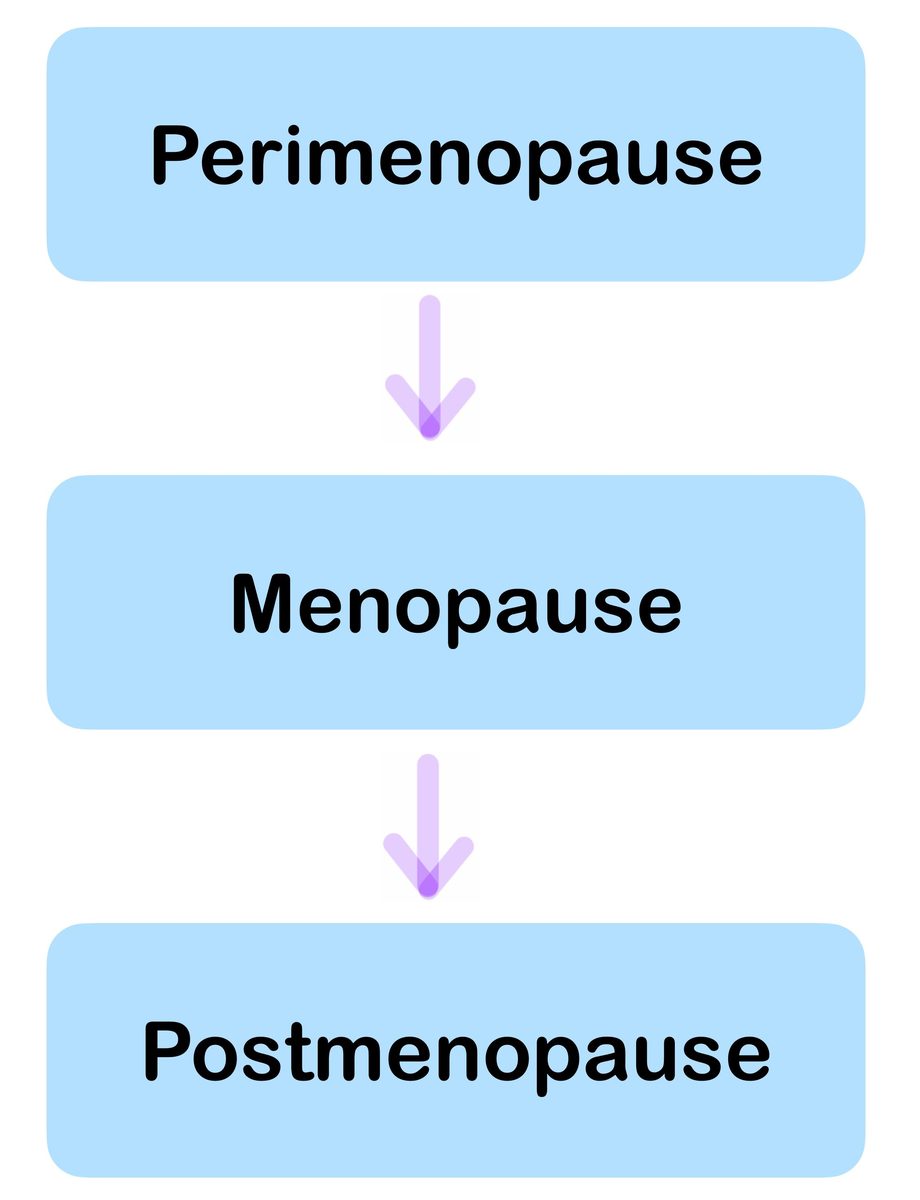
- Perimenopause typically begins in the early-to-mid 40s and lasts 4 to 10 years before menopause is confirmed.
- Declining estrogen and progesterone accelerate muscle loss, bone density reduction, and fat redistribution toward the abdomen.
- Heavy strength training is the single most important exercise intervention for perimenopausal women.
- Recovery needs increase significantly — training frequency may need to decrease even as intensity stays high.
- Protein requirements rise during perimenopause to offset anabolic resistance in aging muscle tissue.
Perimenopause is not a single event — it is a transition phase that can span nearly a decade, characterized by erratic hormonal fluctuations that affect every system in the body. For women who have maintained an active lifestyle, this period often brings confusing changes: workouts that used to feel manageable become exhausting, body composition shifts despite no change in diet, sleep deteriorates, and recovery takes longer. None of this is inevitable decline. It is a set of biological signals that demand an updated training approach.
1. Understanding What Is Happening Hormonally
During perimenopause, ovarian function becomes irregular. Estrogen and progesterone production fluctuates unpredictably — some months mirroring normal cycles, others producing extreme swings that result in heavy periods, mood instability, hot flashes, and sleep disruption. Follicle-stimulating hormone (FSH) rises as the pituitary gland works harder to stimulate increasingly unresponsive ovaries. Eventually, over 12 consecutive months without a period, menopause is confirmed.
The downstream metabolic consequences are significant. Estrogen plays a key role in maintaining insulin sensitivity, bone mineral density, muscle protein synthesis, and serotonin production. As levels decline and fluctuate, women experience accelerated muscle loss (sarcopenia), a shift in fat storage from the hips and thighs toward the abdomen, reduced capacity to recover from training, joint laxity from reduced collagen synthesis, and disrupted sleep architecture. Each of these has a direct and specific training implication.
The Anabolic Resistance Problem
One of the most consequential and least discussed changes is anabolic resistance — the reduced ability of muscle tissue to synthesize protein in response to dietary protein and exercise stimulus. Research from McMaster University demonstrates that postmenopausal women require significantly higher protein doses per meal to achieve the same muscle protein synthesis response as premenopausal women eating the same amount. This means the protein requirements that worked in your 30s are simply insufficient in your 40s and 50s.
2. Strength Training: The Non-Negotiable Foundation
If there is a single evidence-based recommendation that transcends every other training consideration for perimenopausal women, it is this: lift heavy, consistently. The research is unambiguous. Resistance training preserves bone mineral density, counteracts sarcopenia, improves insulin sensitivity, reduces visceral fat accumulation, supports cardiovascular health, and improves sleep quality — all of which are directly impacted by declining estrogen.
The intensity matters. Low-load, high-repetition training with light weights does not produce the mechanical load necessary to stimulate bone formation or maximize muscle protein synthesis in the context of anabolic resistance. Heavy compound movements — squats, deadlifts, hip hinges, overhead press, rows — at 70 to 85 percent of one-rep max, 3 to 4 sets, 3 to 4 days per week, are the target. This does not mean abandoning other training; it means making heavy resistance the non-negotiable anchor of the weekly program.
| Training Goal | Exercise Type | Frequency | Key Benefit |
|---|---|---|---|
| Bone Density | Heavy compound lifts, impact activities | 3–4x/week | Counteracts estrogen-driven bone loss |
| Muscle Preservation | Resistance training 70–85% 1RM | 3–4x/week | Offsets sarcopenia and anabolic resistance |
| Insulin Sensitivity | Zone 2 cardio + strength | 4–5x/week combined | Reduces visceral fat and metabolic risk |
| Sleep & Mood | Yoga, walking, light mobility | Daily | Lowers cortisol, supports serotonin |
| Cardiovascular Health | Zone 2 steady-state cardio | 3–4x/week, 30–45 min | Estrogen loss increases cardiac risk |
3. Cardio: What to Keep, What to Dial Back
Cardiovascular fitness remains critical during perimenopause — estrogen's cardioprotective effects decline with menopause, making the transition period a window where cardiovascular risk begins to rise. But not all cardio is equally beneficial, and high volumes of high-intensity cardio can worsen cortisol dysregulation and impair recovery in perimenopausal women more than in their younger counterparts.
Zone 2 cardio — walking, cycling, light jogging at a pace where conversation is comfortable — is the backbone. It improves mitochondrial density, supports fat oxidation, lowers cortisol, and is low enough in intensity to support rather than impair recovery. Four to five sessions of 30 to 45 minutes per week is a meaningful dose. High-intensity intervals have a role — 1 to 2 sessions per week of genuine sprint work improves VO2 max and produces hormonal benefits — but daily HIIT is often too stressful for a perimenopausal endocrine system already under strain.
4. Recovery: The Most Undervalued Training Variable
Recovery capacity changes measurably during perimenopause. Declining estrogen and progesterone reduce the efficiency of muscle repair, increase systemic inflammation following exercise, and disrupt the sleep quality that drives physical adaptation. Women who previously trained 5 or 6 days per week with no issue may find that 4 sessions with strategic rest produces better results than more frequent training.
Sleep is the primary recovery tool. Hot flashes and night sweats directly fragment sleep architecture — reducing the deep sleep stages critical for growth hormone release and muscle repair. Addressing sleep disruption aggressively (cooling mattress pad, keeping the room at 65°F, magnesium glycinate 300 to 400 mg before bed, reducing alcohol entirely) has a measurable impact on training capacity and body composition. Some women find that progesterone-based hormone therapy significantly improves sleep quality and thus indirectly transforms training outcomes.
Collagen synthesis also declines with estrogen loss, increasing injury risk in tendons and ligaments. Adding 10 to 15 grams of hydrolyzed collagen with vitamin C 30 to 60 minutes before training sessions supports connective tissue health and reduces this risk. This is one of the most underutilized practical interventions for perimenopausal athletes.
5. Nutrition Adjustments for Perimenopause
Protein requirements rise significantly. To overcome anabolic resistance, aim for 1.8 to 2.4 grams of protein per kilogram of body weight daily, distributed across 3 to 4 meals of 35 to 50 grams each. Leucine — the primary amino acid that triggers muscle protein synthesis — needs to clear a higher threshold in older muscle tissue, which means protein doses need to be larger, not just more frequent.
Calcium and vitamin D become critical for bone health. Aim for 1200 mg of calcium daily from food sources (dairy, leafy greens, fortified foods), combined with 2000 to 4000 IU of vitamin D3 and 100 to 200 mcg of vitamin K2 (which directs calcium to bone rather than arteries). Magnesium (300 to 400 mg) supports sleep, muscle function, and insulin sensitivity. These are not optional additions — they are the nutritional equivalent of the structural maintenance your declining hormone levels no longer provide automatically.
Related Reading
Practical Takeaways
Perimenopause demands a training philosophy shift, not a retreat from exercise. The women who navigate this transition best are those who increase training specificity — more heavy lifting, strategic cardio, deliberate recovery — rather than those who train more desperately or give up entirely. Increase protein. Prioritize sleep. Lift heavy 3 to 4 days per week. Walk or cycle in Zone 2 regularly. Manage cortisol through stress reduction, not just physical output. These adjustments, implemented consistently, preserve the muscle, bone, metabolic function, and body composition that declining hormones would otherwise erode.
Scientific References
- Maltais ML, et al. Sarcopenia with aging: muscle protein turnover in perimenopausal and postmenopausal women. Menopause, 2009. PMID: 19194329
- Stachowiak G, et al. Metabolic disorders in menopause. Przegla̜d Menopauzalny, 2015. PMID: 26327902
- Sipila S, et al. Effects of hormone replacement therapy and high-impact physical exercise on skeletal muscle in post-menopausal women. Clinical Science, 2001. PMID: 11432570
- Agrinier N, et al. Menopause and modifiable coronary heart disease risk factors. Maturitas, 2010. PMID: 20080365