💡 Key Takeaways
- The rush-to-eat window is largely a myth, it's hours wide; eat a balanced meal with 20-40 g protein within a couple of hours, no stopwatch.
- A fasted morning practice is the real case for eating a little sooner, since your muscle has been in net breakdown; if you ate beforehand, there's no urgency.
- Hot classes can lose 1-2 L of sweat, rehydrate deliberately with fluid, sodium, and food (~1.25-1.5 L per kg lost), and don't chug plain water past your losses.
- Protein in recovery meals fuels the strength that stabilizes hypermobile ranges, soy, pea, and dairy keep it plant-leaning and won't 'bulk' you.
Two beliefs float around yoga circles and both deserve a closer look. The first is that a recovery meal is a gym-bro concern that has no place in a practice built on lightness, breath, and tradition. The second, oddly the opposite, is that if you do bother with protein you must rush it in the moment you roll up your mat or you've wasted the effort.
Neither holds. Yoga is real physical work, long isometric holds, chaturanga volume, heat, so recovery nutrition matters, but the strict 30-minute window is largely a myth: it's hours wide, and your total daily intake dominates. That's actually very compatible with a fasted, unhurried morning practice.
This page takes apart both myths, then builds the recovery approach that fits your world: how to fuel after a fasted morning practice, how to rehydrate after a hot class, and how to support strength for hypermobile ranges without abandoning the culture.
1. The Myths: 'Yogis Don't Need This' and 'Eat Immediately'
Start with the dismissal. The idea that fueling and protein are unyogic, just bodybuilder noise, doesn't survive contact with what your practice asks of your body. Sustained isometric holds, the pressing volume of repeated chaturangas, and the heat of a hot class all load muscle and lose fluid. Your body repairs that with the same three inputs anyone's does: protein to rebuild, carbohydrate to refuel, and fluids to rehydrate. Evidence-based fueling and a contemplative practice aren't in conflict; one supports the other.
Now the opposite myth, the rush. A meta-analysis found that the apparent benefit of eating protein right after exercise disappeared once total daily protein was matched, and the usable window is several hours, not thirty minutes. So you do not need to break the calm of a morning practice by sprinting to a shake. What actually drives recovery is hitting adequate protein, carbohydrate, and fluid across the whole day.
That verdict fits yoga beautifully. You can finish a practice unhurried, sit with the closing breath, and eat a normal balanced meal within a couple of hours, no stopwatch, no anxiety. The one real exception is the fasted morning practice, which the next section handles, because that's the case where eating a little sooner genuinely helps.
2. Fueling a Fasted Morning Practice
Many yogis practice early and fasted, by tradition or preference, and that single fact changes the recovery math in your favor for once. When you haven't eaten protein in the hours before practice, your muscle has been in a net-breakdown state, so an earlier post-practice feeding meaningfully shifts you back to building. This is the main scenario where "eat reasonably soon after" is genuinely justified.
So after a fasted morning practice, aim for a meal with 20-40 g of quality protein, roughly 0.3-0.4 g per kg, plus some carbohydrate, within a comfortable window rather than hours later. Here's how to match the meal to how you finished.
| After practice you feel... | Recovery meal | Roughly the protein | Note |
|---|---|---|---|
| Calm, time to sit | Greek yogurt, granola, berries, honey | ~20-25 g | Whole-food, leucine-rich dairy |
| Hungry, want warm food | Eggs or omelet, toast, fruit | ~25 g | Complete protein, easy carbs |
| Stomach unsettled after heat | Smoothie: milk or soy, whey/pea, banana | ~25 g | Fast-digesting when solids won't go |
| Practiced fed the night before | Normal balanced meal within hours | 20-40 g | No urgency if not truly fasted |
| Plant-based | Tofu scramble or soy-milk oats with pea | ~30 g | Favor soy/pea to hit leucine |
If you actually ate a protein-containing meal one to two hours before practice, you're not truly fasted, that food is still digesting, and there's no urgency to eat again immediately. Match the response to whether you trained on empty or not.
3. Rehydrating After a Hot Class
This is where the real safety attention belongs for yogis. A hot class can cost you one to two liters of sweat, and that fluid and the sodium in it are part of recovery, not an afterthought. The fasted-and-hot combination some practitioners favor makes deliberate rehydration afterward more important, not less.
After an ordinary class, drink to thirst and eat normally, aiming for pale-yellow urine, and your food brings the sodium and potassium back. After a heavy-sweat hot class, replace fluid and sodium more deliberately, a practical target for aggressive rehydration is roughly 1.25-1.5 L of fluid per kg of bodyweight lost, taken with sodium and food rather than plain water alone, which helps you actually retain it. Weighing yourself before and after a hot class once or twice tells you your real sweat loss.
One important caution: don't overcorrect by chugging large volumes of plain water far beyond your losses, which risks diluting your sodium (hyponatremia). Pair fluids with food and a little salt instead. This single habit, deliberate rehydration with sodium and food after hot classes, does more for how you feel the next day than any recovery gadget, which is consistent with the evidence that food and fluid are the foundation and add-on modalities are modest at best.
4. Supporting Strength Without Losing the Culture
Many yogis are more flexible than stable, hypermobile ranges that need strength to support them, and that's where protein in recovery meals quietly earns its place. The deep concern isn't bulking up, fueling normal training won't turn a yoga body into a bodybuilder's, it's giving the muscle that stabilizes your joints what it needs to adapt. Adequate protein in your recovery meals supports exactly that strength work, which protects hypermobile shoulders, wrists, and hips far better than more stretching does.
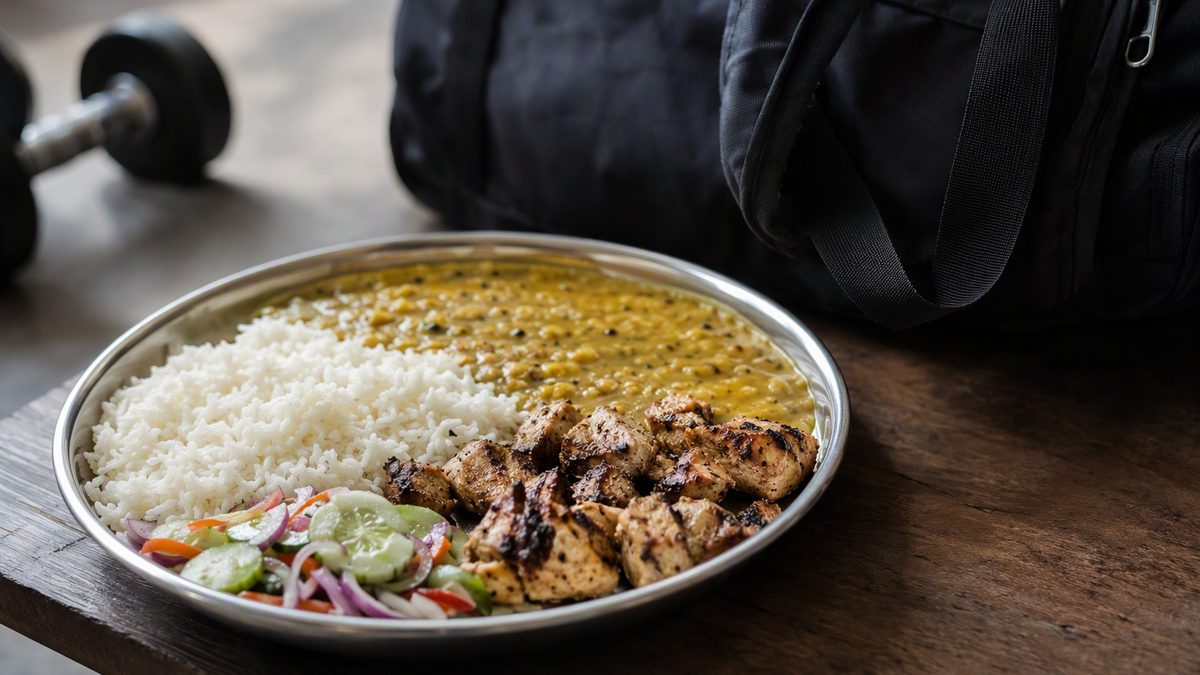
None of this requires abandoning a sattvic or ayurvedic approach. The higher-quality plant proteins, soy and pea, plus dairy if you take it, build recovery meals that clear the muscle-building threshold while staying meat-free, so evidence-based fueling sits comfortably inside a plant-leaning, traditional diet. Whole-food meals over powders also fit the culture: a tofu bowl, lentil dal with rice, or yogurt with fruit are recovery meals and good food at once.
For evening practitioners, a small refinement worth knowing: a slow-digesting protein before bed, dairy or cottage cheese, around 30-40 g, supports overnight recovery, a better lever for a late practice than fretting over a narrow post-class window. And the anchoring truth stays the same: total daily protein, carbohydrate, fluid, and sleep matter most. For building these meals into a daily rhythm, our guide to building fitness habits is a useful companion.
Recovery Meal Questions Yogis Ask
Does a recovery meal fit a fasted morning practice?
It fits well, and a fasted practice is actually the case where eating a little sooner helps. Because you trained on empty, your muscle has been in a net-breakdown state, so a meal with 20-40 g of protein plus some carbs within a comfortable window genuinely supports recovery. You don't need to rush the moment you roll up your mat, the window is hours wide, but don't leave it until late afternoon either if you practiced truly fasted.
Is evidence-based fueling compatible with an ayurvedic or sattvic approach?
Yes. You can build recovery meals that clear the muscle-building threshold entirely from plant and dairy sources, soy and pea proteins, lentils, dairy if you take it, so good fueling sits comfortably inside a plant-leaning, traditional diet. Whole foods over powders fits the culture too: a tofu bowl, dal with rice, or yogurt with fruit are recovery meals and nourishing food at once. Nothing here requires abandoning your dietary philosophy.
Will recovery meals help my hot-yoga fatigue?
The fluids and food will, more than the protein alone. A hot class can lose 1-2 L of sweat, and that fluid-and-sodium deficit is a big driver of feeling wiped afterward. Rehydrate deliberately with fluid, a little sodium, and food, roughly 1.25-1.5 L per kg of bodyweight lost after a heavy-sweat class, rather than chugging plain water. Pair that with adequate carbs and you'll bounce back from hot practice noticeably better.
Do yogis actually need protein after practice, or is that just gym stuff?
You need it. Sustained holds, chaturanga volume, and heat are real physical work that loads and depletes muscle, which repairs with protein, carbs, and fluids like any training. Protein especially supports the strength that stabilizes hypermobile ranges, more useful for most yogis than extra flexibility. It won't bulk you up; fueling normal practice just helps you recover and stay resilient. Evidence-based eating and a contemplative practice support each other.
Disclaimer: This article is for educational purposes only and is not medical advice. Consult a qualified healthcare professional before starting any supplement, nutrition, or training protocol — especially if you are pregnant or breastfeeding, under 18, taking medication, or managing a health condition.
Scientific References & Clinical Sources
- Schoenfeld BJ, et al. The effect of protein timing on muscle strength and hypertrophy: a meta-analysis. J Int Soc Sports Nutr, 2013. PMID: 24299050
- Aragon AA, Schoenfeld BJ. Nutrient timing revisited: is there a post-exercise anabolic window?. J Int Soc Sports Nutr, 2013. PMID: 23360586
- Phillips SM, Van Loon LJ. Dietary protein for athletes: from requirements to optimum adaptation. J Sports Sci, 2011. PMID: 22150425
- Thomas DT, et al. American College of Sports Medicine Joint Position Statement: Nutrition and Athletic Performance. Med Sci Sports Exerc, 2016. PMID: 26891166
- Dupuy O, et al. An Evidence-Based Approach for Choosing Post-exercise Recovery Techniques to Reduce Markers of Muscle Damage, Soreness, Fatigue, and Inflammation: A Systematic Review With Meta-Analysis. Front Physiol, 2018. PMID: 29755363

