💡 Key Takeaways
- Fuel by session: a 2K test or interval day needs real pre-fuel; a long steady-state piece needs carbs and a longer lead time.
- Eat a carb-rich meal (~1-3 g carb/kg) about 2-3 h before hard rowing; a 75 kg rower needs roughly 75-225 g carb.
- Early-AM erg before food is fine for easy steady state, but eat something before a hard interval or test session.
- Lightweights should fuel sessions properly and handle weight seasonally; chronic cutting drops your 2K split, not just your weight.
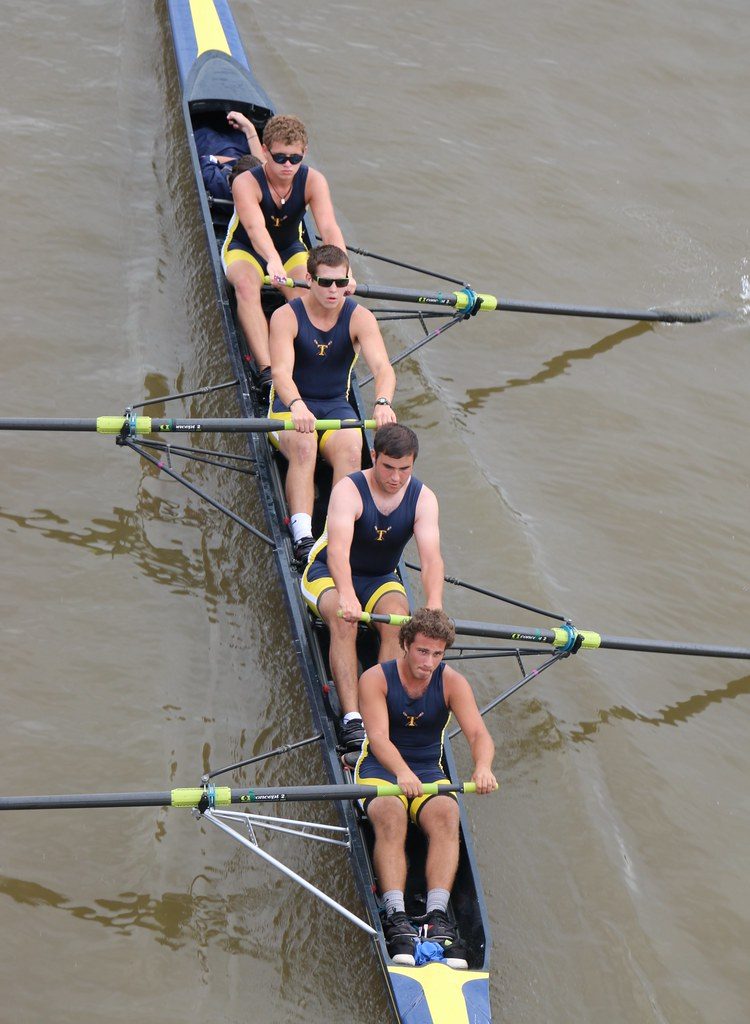
Look at a serious rower's week and the fueling problem becomes obvious: steady-state pieces, interval sessions, lifting, and the fixed calendar points where a 2K erg test decides everything, often crammed into early-morning slots before the body is properly fed. Pre-workout fueling has to bend around that schedule, and the right move on a steady-state morning is not the right move before a 2K.
The organizing principle is simple. The 2K is roughly seventy to eighty percent aerobic with brutal anaerobic bookends, and intervals sit at high intensity, so both lean heavily on carbohydrate availability and reward deliberate pre-fueling. A long steady-state piece needs fuel too, just delivered with more lead time. Easy short work runs fine on normal eating.
This page walks through your week: where fueling slots into early-AM and double-day schedules, the carbohydrate numbers by session and bodyweight, the science of why test days demand fuel, and an honest take on lightweights, caffeine, and the supplement shelf.
1. Where Fueling Slots Into a Rowing Week
Start with the early-morning reality, because it shapes everything. Many rowers train at dawn, often before a proper meal, sometimes twice a day. For an easy steady-state piece, rolling out on minimal food is fine; that intensity leans on fat oxidation and your normal eating covers it. But the same fasted approach before a hard interval session or a 2K test is a mistake, because those efforts depend on carbohydrate availability and you will pay for an empty tank in the back half.
So map fuel to the session, not the clock. Before a hard interval day or a test, get carbohydrate in, even on an early start: a small carb snack thirty to sixty minutes before if time is tight, or a proper meal two to three hours before if you can manage it. Before a long steady-state piece, the same carb-rich meal with lead time keeps you fueled across the duration. Before easy short work, eat normally and do not overthink it.
The double-day adds one wrinkle: when a second hard session follows the first within hours, what you eat in the gap matters, because you are partly refueling for the next bout. In that case treat the between-session feeding as part of your pre-fueling for the afternoon piece. Threaded across a week, the strategy is just this: fuel the hard and long sessions deliberately, leave the easy ones alone. To make that rhythm automatic rather than a daily decision, our guide to building fitness habits covers locking it in.
2. Carb Numbers by Session and Bodyweight
The table maps session type to fueling, with carbohydrate sized for a 75 kg rower. Scale to your bodyweight, and keep the closest-to-session food low in fiber and fat so it clears before you pull hard.
| Session | When to fuel | Carbs (~75 kg) | Approach |
|---|---|---|---|
| 2K test or hard intervals | Meal ~2-3 h before | ~75-225 g (1-3 g/kg) | Carb-rich; small snack if short on time |
| Short lead time before a test | 30-60 min before | ~38-75 g (0.5-1 g/kg) | Banana, toast, sports drink |
| Long steady state (over 90 min) | Meal ~2-3 h before | ~75-225 g, plus ~30-60 g/h if very long | Fuel for duration; carbs during long pieces |
| Easy short steady state | Normal meals | No special fuel | Fat-fueled; fasted dawn piece is fine |
| Second hard session same day | Refuel in the gap | ~1-1.2 g/kg/h carb between sessions | Between-session feed = pre-fuel for the next bout |
The test row is the one to rehearse. Trial your pre-2K meal and timing in training so test day runs on a routine you trust, not a gamble.
3. Why Test Days and Intervals Demand Fuel
The reason test days are non-negotiable for fueling comes down to where their energy comes from. A 2K is overwhelmingly aerobic but bracketed by savage anaerobic efforts at the start and the sprint, and high-intensity intervals live in the same zone. At that intensity, glycogen and blood glucose are the dominant fuels, so carbohydrate availability becomes the limiter on how hard you can hold the rate and how much you have left for the final five hundred. Show up with a low tank and the splits drift exactly when you need them most.
This is why the fasted approach that works for easy steady state fails on a test. Eating carbohydrate before exercise does raise insulin and blunt fat oxidation during that session, but that is a metabolic footnote, not a reason to train hard on empty; your fat stores are not the limiter in a 2K, your carbohydrate availability is. For the hard stuff, fuel beforehand, full stop.
Steady state sits in between. A short easy piece genuinely does not need pre-fuel, but a long aerobic session, especially over ninety minutes, benefits from a carb-rich meal beforehand and, for very long pieces, carbohydrate during, around thirty to sixty grams an hour. The practical rule that ties it together: intensity and duration decide the carbohydrate need. The harder or longer the piece, the more deliberate your pre-fueling should be; the easier and shorter, the less it matters. Rehearse your test-day fueling in training so nothing about race morning is a surprise.
4. Lightweights, Caffeine, and the Honest Supplement Take
Lightweight rowing deserves a direct and careful word. The category creates real cutting pressure, but the answer is to fuel your sessions properly and manage weight seasonally and conservatively, not to train chronically depleted. Under-fueling to stay light backfires on performance: you lose power on the anaerobic bookends, fade in the body of the piece, recover worse between sessions, and over time risk low energy availability with genuine health consequences. A chronically cut lightweight usually rows a slower 2K, not a faster one. If making weight is a constant struggle, that is a conversation for a sports dietitian, and persistent rib pain from training volume is a stop-and-assess signal for a clinician, not something to push through.
Caffeine is the pre-workout aid with the most consistent evidence for the kind of work rowing demands, improving endurance, sharpening repeated efforts, and lowering perceived effort, which is worth real seconds on a 2K. Effective doses run about three to six milligrams per kilogram taken roughly forty-five to sixty minutes before, with lower doses often delivering the benefit with fewer jitters and less GI upset, which matters when you are about to pull at maximal effort. As for the rest of the shelf, most proprietary pre-workout blends lean on caffeine and underdose everything else; creatine and beta-alanine have genuine evidence but work through chronic daily loading, not a single pre-erg scoop, and beta-alanine's buffering may help the one-to-four-minute efforts a 2K's bookends resemble. For a rower, the highest-value fueling is carbohydrate timed to the session and starting euhydrated, with sodium for long or hot pieces.
Pre-Row Fueling Questions Rowers Ask
How should I fuel before a 2K erg test?
Treat it as a hard session that demands fuel. Eat a carb-rich meal of roughly 1-3 g carb/kg about two to three hours before, so it digests, or a small low-fiber snack like a banana or sports drink 30-60 minutes out if time is tight. A 2K is aerobic with brutal anaerobic bookends, so carbohydrate availability decides your back-half splits. Rehearse the exact meal and timing in training so test day runs on a routine you trust, not a gamble.
Can I do my early-morning erg fasted?
For an easy steady-state piece, yes, fasted is fine, since that intensity leans on fat oxidation and your normal eating covers it. But for a hard interval session or a 2K test, eat something first, because those depend on carbohydrate availability and you'll pay for an empty tank in the back half. Even on an early start, a small carb snack 30-60 minutes before makes a real difference on the hard days. Match fueling to the session, not the clock.
Do I fuel steady-state days too, or just interval and test days?
It depends on length. A short easy steady-state piece genuinely needs no special pre-fuel, just your normal meals. A long aerobic session, especially over about 90 minutes, benefits from a carb-rich meal beforehand and, for very long pieces, 30-60 g of carbohydrate per hour during. The harder or longer the session, the more deliberate your fueling; the easier and shorter, the less it matters. So fuel the long steady state, but don't overthink a short easy paddle.
How should lightweights handle fueling and making weight?
Fuel your sessions properly and manage weight seasonally and conservatively, not by chronic cutting. Training depleted to stay light costs you power on the bookends, fades you mid-piece, hurts recovery, and risks low energy availability, so a chronically cut lightweight usually rows a slower 2K. If making weight is a constant battle, see a sports dietitian rather than eating less. And treat persistent rib pain as a stop-and-assess medical signal, not something to push through.
Disclaimer: This article is for educational purposes only and is not medical advice. Consult a qualified healthcare professional before starting any supplement, nutrition, or training protocol — especially if you are pregnant or breastfeeding, under 18, taking medication, or managing a health condition.
Scientific References & Clinical Sources
- Thomas DT, et al. American College of Sports Medicine Joint Position Statement: Nutrition and Athletic Performance. Med Sci Sports Exerc, 2016. PMID: 26891166
- Jeukendrup AE. Nutrition for endurance sports: marathon, triathlon, and road cycling. J Sports Sci, 2011. PMID: 21916794
- Horowitz JF, et al. Lipolytic suppression following carbohydrate ingestion limits fat oxidation during exercise. Am J Physiol, 1997. PMID: 9357807
- Schoenfeld BJ, et al. Body composition changes associated with fasted versus non-fasted aerobic exercise. J Int Soc Sports Nutr, 2014. PMID: 25429252
- Aragon AA, Schoenfeld BJ. Nutrient timing revisited: is there a post-exercise anabolic window?. J Int Soc Sports Nutr, 2013. PMID: 23360586
Set your targets with the free calorie and macro calculator, then build a day of meals with the meal plan generator.

