💡 Key Takeaways
- Rucking will not kick you out of ketosis — it is low-intensity aerobic work that runs largely on fat, the exact fuel your keto engine is built for.
- Your fat-adapted aerobic system thrives at rucking's conversational, zone-2-ish pace, so this is one form of cardio where low-carb is no handicap.
- Electrolytes are the real variable: rucking adds sweat losses on top of keto's higher sodium, potassium and magnesium turnover, so replace them deliberately.
- Start near 10% of bodyweight on flat ground; expect lower output during the adaptation weeks, and progress one variable at a time.
If you train on keto, you have probably braced yourself for the usual verdict: low-carb means poor cardio. That belief is mostly about high-intensity, glycolytic work — and rucking is the opposite of that. So the myth worth tackling head-on here is that any cardio you add will either tank on low carbs or knock you out of ketosis. Neither is true for loaded walking.
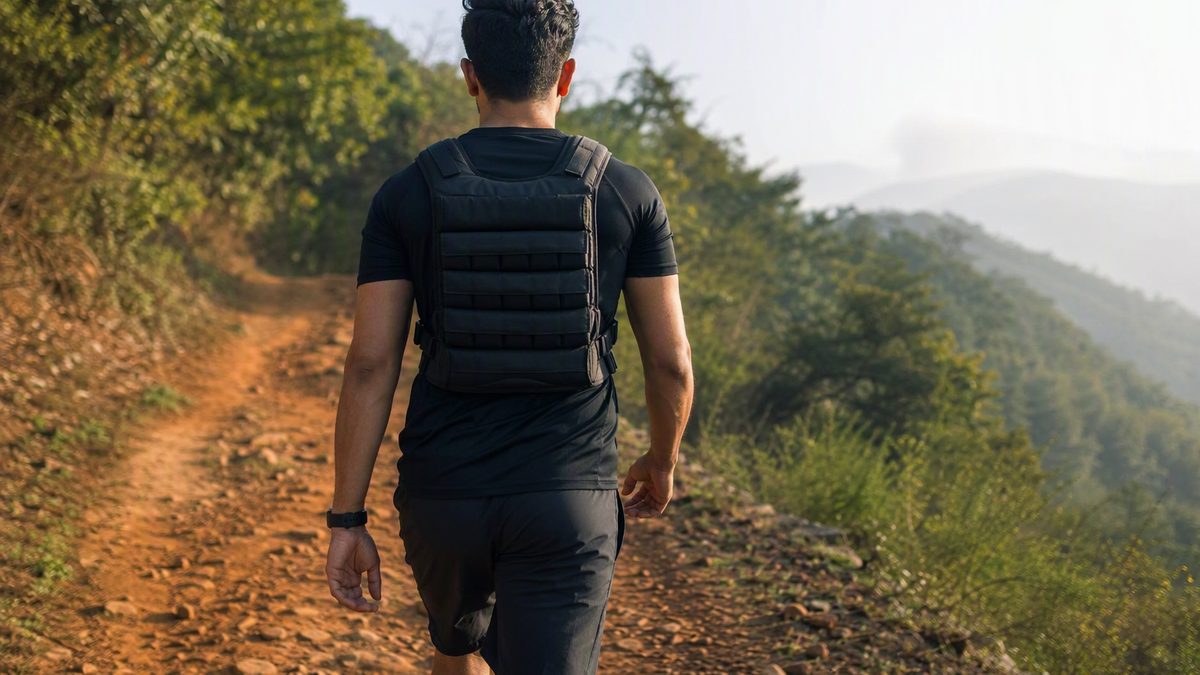
Rucking is walking with a weighted backpack, done at a conversational pace. It sits squarely in the low-intensity aerobic zone that runs predominantly on fat — which is precisely the fuel system keto adaptation upgrades. Far from fighting your diet, rucking is arguably the cardio modality that fits it best.
This page dismantles the keto-cardio myth, shows why your fat-adapted engine thrives at this intensity, lays out a sensible loaded-walking protocol, and gives the electrolyte guidance that is genuinely the central safety issue for a low-carb athlete adding sweaty aerobic work.
1. The Myth: That Keto Sabotages Your Cardio
The myth has a kernel of truth that gets over-applied. Keto does blunt top-end glycolytic output — your sprints and all-out intervals suffer because muscle glycogen is lower. But the conclusion people wrongly draw is that all cardio is compromised on keto. It is not. The fuel mix your body uses depends heavily on intensity: hard efforts lean on carbohydrate, while low-intensity work draws predominantly on fat. Rucking lives entirely in that low-intensity zone — a conversational pace, roughly 60-70% of max heart rate, an RPE of 3 to 5 where you can talk in sentences.
At that intensity, fat oxidation is doing most of the work, and that is exactly what fat-adaptation optimizes. So the verdict on the myth: false for this kind of cardio. Rucking does not require carbohydrate to drive it the way a hard interval session does, and it will not knock you out of ketosis, because you are not depleting glycogen in a way that demands carb refeeding. If anything, a fat-adapted athlete is well suited to the long, steady, fat-burning effort that loaded walking produces. The one real performance caveat is timing: during your keto-adaptation weeks, expect lower overall output and energy across the board — that is the adaptation, not the rucking, and it passes.
2. Why a Fat-Adapted Engine Thrives at Rucking Pace
Here is the mechanism, because it is genuinely in your favor. Low-intensity aerobic exercise is fueled largely by fat oxidation, and metabolic flexibility across intensities means your body shifts toward more fat use at easy efforts. Keto adaptation deepens this — your aerobic engine becomes very good at burning fat for steady work. Rucking's conversational pace keeps you right in that fat-burning window, so your low-carb metabolism is matched to the task rather than fighting it.
The load adds a useful twist. Carrying weight raises the metabolic cost of walking, so you reach a meaningful aerobic stimulus at a slower, gentler pace than running would require — a moderate ruck burns roughly two to three times the calories of the same unloaded walk. For a keto dieter, that means more aerobic and metabolic stimulus without pushing into the high-intensity zone where low glycogen would actually hold you back. Accumulating this easy volume drives the classic aerobic-base adaptations — more mitochondria, more capillaries, better fat-burning efficiency — and even modest low-intensity activity improves metabolic health and glucose control. There is a structural bonus too: rucking is weight-bearing, so it adds a bone-loading stimulus ordinary walking does not (a sound mechanism, not a rucking-specific proven result). If you want to understand the broader low-intensity training picture, our guide to building fitness habits helps you make it routine.
3. A Keto-Friendly Rucking Protocol
The protocol itself is standard rucking, with one adjustment: respect your adaptation phase. If you are newly keto or recently dropped carbs again, start at the low end and expect output to lag for a couple of weeks. Begin around 10% of bodyweight on flat ground.
| Week | Load (~% bodyweight) | Distance / time | Notes |
|---|---|---|---|
| 1-2 (adaptation) | ~8-10% (12-18 lb) | 2 mi / 30 min | Expect lower energy; keep it easy |
| 3-4 | ~10% | 2.5-3 mi / 35-40 min | Energy stabilizing |
| 5-6 | ~12-15% | 3 mi / 40-45 min | Fat-adapted, steady output |
| 7-8 | ~15% | 3-4 mi / 45-55 min | Add gentle grade if desired |
Extend distance before adding weight, and change one variable at a time. If you pair keto with intermittent fasting, a fasted morning ruck is well tolerated for most people at this low intensity, because you are running on fat anyway — but back off if you feel lightheaded, and do not combine a long fasted ruck with the early adaptation phase when energy is already low. Watch product labels too: some electrolyte and pre-workout products hide carbohydrate that can undercut your carb cap, so choose unflavored or sugar-free options. The general-fitness load ceiling is around a quarter to a third of bodyweight, but you do not need to chase it — steady fat-burning volume is the goal.
4. Electrolytes: The Real Variable for Loaded Walking on Keto
This is the genuine safety center for a keto athlete who adds sweaty aerobic work, so do not skip it. Keto already increases your losses of sodium, potassium and magnesium — lower insulin means your kidneys excrete more sodium, and water storage drops without carbohydrate. Rucking adds sweat losses on top of that. The result is that the cramping, headaches, fatigue and lightheadedness people blame on "the workout" are usually electrolyte problems, not the training itself. The fix is to replace electrolytes deliberately rather than relying on thirst or plain water.
Practically: salt your food generously, supplement sodium around longer or hotter rucks, and make sure potassium and magnesium intake are adequate from food or supplements. Hydrate to thirst with electrolyte-containing fluids rather than chugging plain water, which can dilute sodium further. If you cramp on a ruck, treat it as an electrolyte signal and adjust, not as a reason to quit. Two final cautions: choose sugar-free electrolyte products so you do not break your carb cap, and if you follow a medically supervised ketogenic diet — for epilepsy or diabetes — keep your clinician in the loop, since adding regular exercise can change your electrolyte and, for diabetics, glucose and medication needs. Manage the minerals and rucking becomes one of the most keto-compatible forms of cardio there is.
Rucking Questions Keto Dieters Ask
Will rucking kick me out of ketosis?
No. Rucking is low-intensity aerobic work that runs largely on fat — the fuel your keto engine is built around — so it does not deplete glycogen in a way that demands carb refeeding or disrupts ketosis. Unlike hard glycolytic intervals, which lean on carbohydrate, a conversational-pace loaded walk keeps you in the fat-burning zone. The only thing to watch is hidden carbs in flavored electrolyte or pre-workout products, which can quietly undercut your carb cap.
Does rucking work without carbs to fuel it?
Yes, better than most cardio does on keto. Low-intensity work like rucking is fueled predominantly by fat, and fat-adaptation specifically upgrades your ability to burn fat for steady effort — so your low-carb metabolism is matched to the task rather than handicapped by it. The carb limitation mainly hurts high-intensity, glycolytic efforts. For long, easy, fat-burning loaded walking, low-carb is no disadvantage and arguably a fit.
How does rucking interact with my fasting windows?
For most people a fasted morning ruck is well tolerated, because at this low intensity you are running on fat anyway, which suits both keto and a fasted state. Back off if you feel lightheaded, and avoid pairing a long fasted ruck with the early keto-adaptation weeks when your energy is already low. Keep electrolytes in mind even when fasted — sodium and magnesium matter regardless of whether you have eaten.
Why am I cramping, and is it the rucking?
Usually it is electrolytes, not the training. Keto increases your sodium, potassium and magnesium losses, and rucking adds sweat losses on top, so cramping, headaches and fatigue most often signal a mineral shortfall. Salt your food, supplement sodium around longer or hotter rucks, ensure adequate potassium and magnesium, and hydrate with electrolyte fluids rather than plain water. If you are on a medically supervised keto diet, loop in your clinician, since exercise changes these needs.
Disclaimer: This article is for educational purposes only and is not medical advice. Consult a qualified healthcare professional before starting any supplement, nutrition, or training protocol — especially if you are pregnant or breastfeeding, under 18, taking medication, or managing a health condition.
Scientific References & Clinical Sources
- San-Millán I, Brooks GA. Assessment of Metabolic Flexibility by Means of Measuring Blood Lactate, Fat, and Carbohydrate Oxidation Responses to Exercise in Professional Endurance Athletes and Less-Fit Individuals. Sports Med, 2018. PMID: 28623613
- Joyner MJ, Coyle EF. Endurance exercise performance: the physiology of champions. J Physiol, 2008. PMID: 17901124
- Ludlow LW, Weyand PG. Walking economy is predictably determined by speed, grade, and gravitational load. J Appl Physiol (1985), 2017. PMID: 28729390
- Toledo FG, et al. Effects of physical activity and weight loss on skeletal muscle mitochondria and relationship with glucose control in type 2 diabetes. Diabetes, 2007. PMID: 17536069
- Williams PT, Thompson PD. Relationship of walking and running LISS to cardiovascular risk factors. Arterioscler Thromb Vasc Biol, 2013. PMID: 23559628

