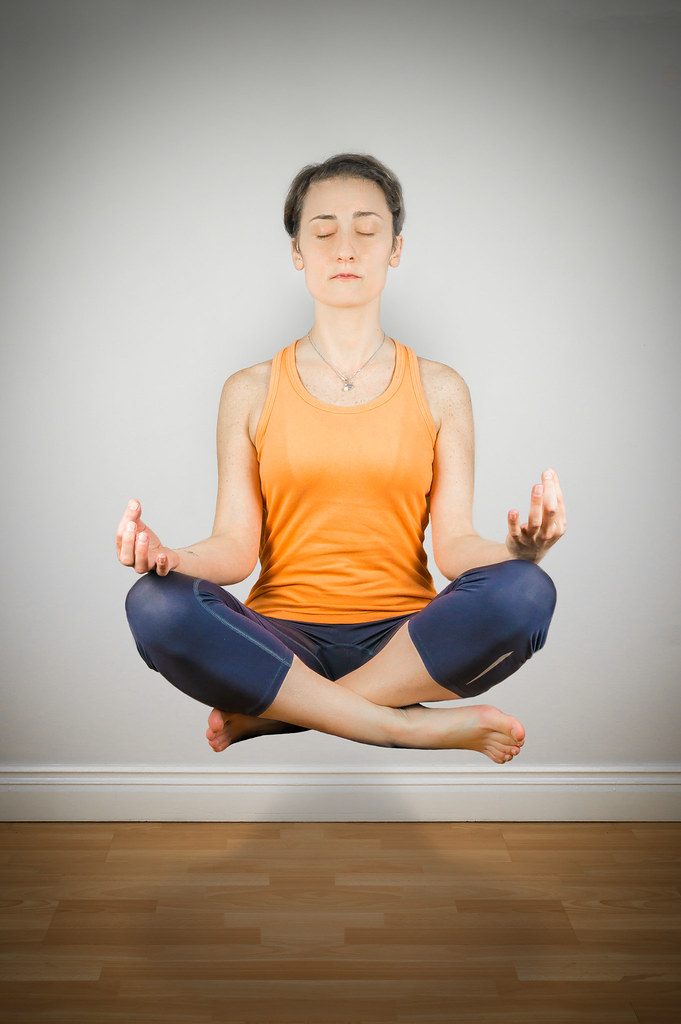
💡 Key Takeaways
- Yoga gives a weak bone-loading signal: it's largely non-weight-bearing and non-progressive, so rucking adds the mechanical load that maintains bone density.
- Flexibility without stability invites injury, especially for hypermobile bodies; loaded walking builds controlled strength and trunk stability around your ranges.
- Rucking is low-impact and recovers easily, so it complements a near-daily practice; start at ~10% bodyweight on flat ground for 20-40 minutes, 1-3x per week.
- It won't replace your mat work or strength training, and hot-class-style fluid losses still apply, so hydrate a warm-weather ruck like any real session.
There is a quiet belief on the mat that goes something like this: a dedicated practice covers everything the body needs, strength comes from holding poses, cardio is for people who have not found stillness, and strapping a weighted pack to your back is the opposite of a low-impact, mindful path. Carrying load sounds like the harsh, ego-driven training yoga is supposed to be an antidote to. Why would a yogi ruck?
The myth falls apart on contact with physiology. Yoga builds extraordinary mobility and isometric endurance, but it leaves two real gaps: it is largely a low-gravity, non-progressive-load discipline, so it provides a weak bone-loading stimulus, and flexibility without sufficient stability is its own injury risk, especially for the many practitioners who are naturally hypermobile. Rucking, a calm, low-impact, conversational-pace walk with a pack, addresses both, and does it in a way that is more in keeping with a sustainable practice than most cardio. It is not a betrayal of the mat. It is the load-bearing complement the mat structurally cannot give you.
1. The Myth: A Serious Practice Already Gives You Everything
Yoga earns enormous respect, and the practice does deliver things almost nothing else does: range of motion, breath control, isometric endurance through long holds, and a relationship with the body that most training cultures ignore. The myth is not that yoga is weak. The myth is sufficiency, the assumption that a complete practice leaves no gaps. It does leave gaps, and they are specific. Vinyasa and ashtanga move your bodyweight, but you are moving it through space at low gravitational load, not against progressively heavier external resistance, and that is exactly the kind of loading bone responds to. The result is a discipline that is wonderful for mobility and quite quiet for bone.
The second myth is cultural: that easy cardio is striving, the antithesis of a calm practice. The physiology says the opposite. Rucking at a conversational pace is low-intensity, parasympathetic-friendly steady work, the same easy-effort aerobic activity linked to better metabolic and cardiovascular health and lower long-term mortality, accumulated without strain or pounding. There is nothing un-yogic about a long, breath-aware walk with a little load. "No pain, no gain" is not the principle here at all. The benefit comes from gentle volume you barely register doing, which is closer to the spirit of practice than the high-intensity training people assume cardio must be.
2. Why a Hypermobile Body Needs Load, Not More Range
Hypermobility is common among dedicated practitioners, and it changes what your body actually needs. When joints already move through large ranges easily, the limiting factor for safety and performance is not more flexibility, it is stability, the controlled strength that owns those ranges and protects the joint at end-range. Chasing ever-deeper poses without building that control is how hypermobile practitioners drift into injury, and habitual joint hyperextension quietly compounds it. The body is asking for load it can stabilize against, not another centimeter of stretch.
Rucking supplies that load in a uniquely tolerable way. The pack imposes a sustained, sub-maximal demand the trunk and legs must stabilize against: the core braces so the load does not pull you backward, the posterior chain keeps you upright, and the legs carry the weight through a controlled, upright gait. That is stability training disguised as a walk, and it directly counters the flexibility-without-control pattern. It also reinforces upright posture, useful for bodies that habitually settle into lax, end-range positions. None of this asks you to lose what the mat gives you. It adds the missing stabilizing strength around the mobility you already have, the safer place for a hypermobile athlete to put their training energy.
3. The Gentle Rucking Build for a Near-Daily Practice
Start light and let the load build slowly, because soft tissue and bone adapt more slowly than your aerobic system feels ready for. Entry load is about 10% of bodyweight, roughly 15-20 lb for a 150-200 lb practitioner, on flat, even ground, pack riding high between the shoulder blades and cinched tight, posture tall with no forward lean. Hold a conversational, breath-aware pace, RPE 3-5 of 10, full sentences possible. Progress one variable at a time:
| Phase | Load | Session and placement | Frequency |
|---|---|---|---|
| Weeks 1-2 | ~10% bodyweight | 20-30 min flat, after or apart from practice | 1-2x per week |
| Weeks 3-4 | ~10% bodyweight | Extend to 35-45 min, flat | 2x per week |
| Weeks 5-8 | +5 lb (toward 12-15%) | 40 min, add gentle pace once distance is easy | 2-3x per week |
| Ongoing | Slowly toward ~20-25% bodyweight | Add mild inclines and terrain late | 1-3x per week |
Add weight in roughly 5 lb steps no more than every couple of weeks, and only after the current load feels easy and pain-free the whole distance. Because rucking is low-impact and recovers easily, it fits beside a near-daily practice, but keep a heavier ruck off the morning before an intense session if your legs or back are fatigued. Protect the low back with upright posture and a high, tight pack, and resist the hypermobile habit of letting the spine sag, the most common rucking complaint is low-back strain from a forward lean or a low-riding load.
4. Hot-Class Lessons That Carry to a Warm-Weather Ruck
If you practice hot yoga, you already know fluid losses are real, a single class can cost one to two liters of sweat, and many practitioners come to class fasted by tradition. Those same lessons transfer directly to rucking in warm weather. A loaded walk under a pack in the heat is a genuine fluid and electrolyte demand, easy to underestimate because the effort feels gentle, so treat a hot-day ruck the way you treat a hot class: hydrate going in, and replace fluids and electrolytes after. The calm pace does not exempt you from the sweat math.
Fasting deserves a note too. A short, easy ruck on an empty stomach is fine for most people, the same way a gentle fasted morning practice is, but a loaded walk burns roughly two to three times a plain walk, so a longer or warmer fasted ruck is more of a demand than a fasted seated practice. If you pair rucking with a fasted-morning routine, keep the early fasted sessions short and flat, and fuel the longer ones. None of this conflicts with an ayurvedic or sattvic approach; eating enough to support the work and hydrating to match the sweat simply respects the body that does the practice.
5. Where Rucking Fits Around the Mat (and Where It Doesn't)
Hold the boundaries clearly so the practice stays intact. Rucking is loaded low-impact cardio with a weight-bearing bone benefit and real stabilizing strength-endurance. It is not a replacement for your yoga, which remains your mobility and mindfulness work, and it is not a substitute for dedicated resistance training if you want to build maximal strength, since the ruck's load is sub-maximal and steady. The honest framing is additive: rucking covers the bone-loading and trunk-stability gaps the mat leaves, while the mat keeps doing what only it does. Run it one to three times a week and it slots in without crowding the practice.
A couple of practical notes finish the picture. Footwear matters because added load increases foot stress, so use supportive, broken-in shoes with a roomy toe box and good socks for the walk, even if you practice barefoot. Keep the load high and flat in the pack, plates or filled bottles that sit snug rather than gear sloshing low. And honor the same body-awareness you bring to the mat: stop and reassess on sharp or radiating back or leg pain, or arm numbness from the straps, and remember that for a hypermobile body the goal is controlled load, not more range. Approached that way, a weighted walk is not a departure from your practice. It is the structural complement that keeps the body resilient enough to keep practicing for decades.
On-the-Mat Questions About Rucking
Do yogis even need rucking?
If your goals include bone health and joint stability, it fills real gaps. Yoga is largely non-weight-bearing and non-progressive, so it gives a weak bone-loading stimulus, and it builds mobility that, without matching stability, can leave hypermobile bodies under-supported. Rucking adds mechanical load for bone and controlled strength for stability, at a calm, low-impact effort. It is optional, not mandatory, but for a practitioner who wants long-term resilience rather than just more flexibility, it covers what the mat structurally cannot.
Does rucking fit a fasted morning practice?
A short, easy, flat ruck on an empty stomach is fine for most people, much like a gentle fasted practice. The caution is dose: a loaded walk burns roughly two to three times a plain walk, so longer or warmer fasted rucks are a bigger demand than a seated fasted session. Keep early fasted rucks short and flat, fuel the longer ones, and hydrate to match any sweat. Eating and drinking enough to support the work fits, rather than conflicts with, a mindful approach.
Will it help hot-yoga fatigue or just add to it?
Indirectly it can help, by building an aerobic base and leg-and-trunk endurance that make the demands of practice feel more manageable, all at low joint cost. But the same hydration rules apply: a warm-weather ruck under a pack loses meaningful fluid and electrolytes, so treat it like a hot class and replace what you sweat. Done at an easy pace with proper hydration, it complements your practice rather than draining it. Overdone or under-hydrated, it adds fatigue, so keep it gentle.
I'm hypermobile. Is loaded walking safe for me?
It can be a particularly good fit, because what a hypermobile body usually needs is controlled load and stability, not more range, and rucking provides exactly that, a sustained load your trunk and legs must stabilize against, through an upright walking pattern. Start light, keep posture tall, and avoid letting joints settle into lax end-range positions. Build the load slowly and stop on any sharp or radiating pain. Used this way, it strengthens the stability around your mobility, which is the safer place to train.
Disclaimer: This article is for educational purposes only and is not medical advice. Consult a qualified healthcare professional before starting any supplement, nutrition, or training protocol — especially if you are pregnant or breastfeeding, under 18, taking medication, or managing a health condition.
Scientific References & Clinical Sources
- Ludlow LW, Weyand PG. Walking economy is predictably determined by speed, grade, and gravitational load. J Appl Physiol (1985), 2017. PMID: 28729390
- Toledo FG, et al. Effects of physical activity and weight loss on skeletal muscle mitochondria and relationship with glucose control in type 2 diabetes. Diabetes, 2007. PMID: 17536069
- Williams PT, Thompson PD. Relationship of walking and running LISS to cardiovascular risk factors. Arterioscler Thromb Vasc Biol, 2013. PMID: 23559628
- Mandsager K, et al. Association of Cardiorespiratory Fitness With Long-term Mortality Among Adults Undergoing Exercise Treadmill Testing. JAMA Netw Open, 2018. PMID: 30646252

