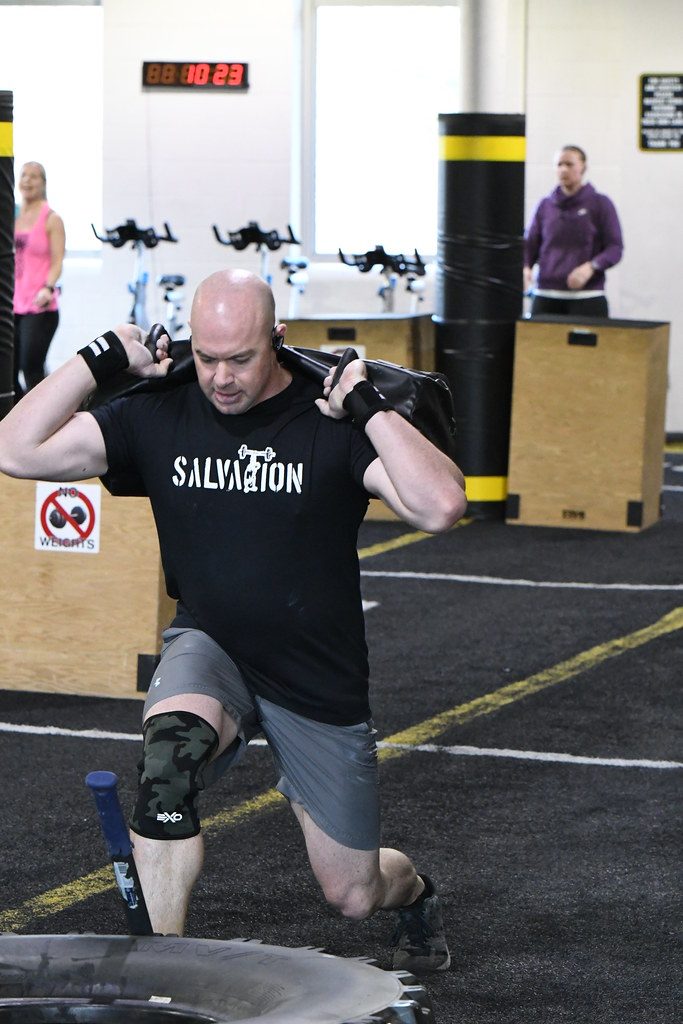
💡 Key Takeaways
- Compromised running off a sled is where overstriding sneaks in — lifting cadence 5-10% keeps your stride compact and your foot under your hips when your legs are wrecked.
- Expect a higher cadence to feel natural in 2-3 weeks; the braking-force drop and steadier roxzone splits show up sooner, on your first fatigued runs.
- Don't switch footstrike — there's no correct one, and forefoot landing loads the calf and Achilles already taxed by lunges, sleds and wall balls.
- Choose shoes by comfort, not pronation labels, and cap weekly running increases near 10% across your 4-6 mixed sessions to avoid stacking injury on heavy load.
Let's talk in the numbers you care about. Your race is eight 1km runs split by eight stations, run for 60-90 minutes at threshold, and the run that decides your time is the one off the sled — legs full of lactate, stride wanting to fall apart. The single most measurable form change you can make is to your cadence, and here's what you'll see: within your first few fatigued runs, a quicker stride cuts the braking force and steadies your splits; within two to three weeks, the higher cadence stops feeling forced and holds even when you're trashed.
That's the whole payoff in preview. What cadence won't do is replace your engine or your strength endurance — the run economy gains from form are real but modest, sitting on top of fitness and body mass, not instead of them.
This guide covers running biomechanics and footwork for HYROX athletes: what you can measure from a cadence change, the honest footstrike trade-offs, and how to fit running load around station work without breaking down.
1. What Cadence Does for Compromised Running
Compromised running — running on pre-fatigued legs after sleds, lunges and burpee broad jumps — is the defining demand of your sport, and it's exactly where form falls apart. When you're gassed and your legs are heavy, the default failure mode is overstriding: your foot reaches out ahead of your body, you land with a hard braking spike, and each step fights the momentum you're trying to hold. That's wasted energy and load you can't afford across 8km.
Cadence is the lever that fixes it, and the effects are measurable. Raising your steps per minute at a fixed pace shortens your stride, lands your foot closer to under your hips, and cuts the braking impulse. The first thing you'll notice is steadier splits coming out of the roxzone — your pace holds instead of sagging while your legs recover. Over two to three weeks of easy-run practice, the quicker turnover becomes automatic and carries into the race, when overstriding would otherwise creep in worst.
Be honest about the limits: a higher cadence slightly raises the cost of stepping more often, so this is a redistribution of load, not free speed. But for compromised running specifically, holding a compact stride when you're wrecked is worth far more than the small added cost.
2. Setting Your Cadence Target and Timeline
Don't aim at the universal '180 steps a minute' figure — it came from elite distance racers and isn't a law; optimal cadence rises with speed and varies with your height. Instead, measure your own habitual cadence on an easy run, then nudge it up about 5-10%. If you self-select 168, target roughly 176-185. A bigger jump feels unnatural and backfires, so move in one small step.
The timeline is worth planning around. Use a metronome or music at your target beat on easy runs first, not in hard intervals, because you want the new rhythm grooved while fresh before you ask it to survive fatigue. Expect a few runs before the braking drop is noticeable and two to three weeks before it feels natural. Only then practice it on compromised running — a few hundred meters straight off a sled or lunge set — so it holds under race conditions.
Recheck your habitual cadence every few weeks as fitness changes, since your baseline drifts. This is a measurable, trackable project: a number you set, groove, and then stress-test off the sled. That's exactly the kind of concrete lever a HYROX athlete can act on.
3. Footstrike, Shoes and Your Loaded Posterior Chain
You'll wonder whether you should switch to a forefoot strike to run 'faster.' The honest answer is no. There's no single correct footstrike; most runners heel-strike and race fine. Switching doesn't prevent injury — it transfers load off the knee and onto the calf, Achilles and forefoot. For you, those tissues are already maxed: sled pushes and pulls, lunges, wall balls and carries hammer the posterior chain, calves and feet. Stacking a deliberate forefoot transition on top is a fast track to a calf strain or Achilles tendinopathy mid-block. Keep your foot landing under your hips via cadence and leave the landing alone.
Shoes are where you have real, measurable leverage. The pronation-matching, motion-control fitting model is weakly supported and hasn't reduced injuries — ignore it. Use the comfort filter: within shoes you like, the pair that feels best underfoot brings lower injury risk and better economy. Check fit (thumb's width of toe room, no heel slip) and keep them light. One race-relevant point: modern carbon-plate, high-resilience-foam 'super shoes' do measurably improve running economy, which matters across 8km of racing — many HYROX athletes race in lightweight plated trainers for exactly that reason. Rotate a couple of models for training mileage and retire them when the foam's clearly flat, roughly 300-500 miles.
4. Your HYROX Load and Form Protocol
Across 4-6 weekly sessions mixing long runs, intervals and station strength endurance, running load has to climb without injuring you. The dominant injury driver is doing too much too soon, and your training already carries heavy strength work, so increases stay conservative. Treat these as starting points to tune to your recovery, and test fueling in training so race-day GI distress doesn't ambush you.
| Cue | What to do | Why it fits HYROX |
|---|---|---|
| Cadence target | Habitual spm + ~5-10% (e.g. 168 to ~176-185) | Holds compact stride off the sled; curbs overstriding when wrecked |
| Practice compromised | Run a few hundred m straight off a sled/lunge set, holding cadence | Trains the exact skill the race demands, not just fresh running |
| Weekly running increase | Add no more than ~10% running volume per week | Too much too soon causes injury on top of heavy station work |
| Easy aerobic base | Keep most running easy and conversational | Easy volume drives most economy; the race sits at threshold for an hour-plus |
| Race shoes | Lightweight, comfortable, possibly plated; tested in training first | Super shoes measurably improve economy across 8km of racing |
| Footstrike | Leave it; foot under hips via cadence | Forefoot switch overloads calves and Achilles taxed by sleds and lunges |
The cardinal mistake is training stations only when fresh and never practicing the pre-fatigued running the race is built on. The compromised-running row is where the race is won or lost.
5. What Happens in the Last 2km When Everything Is Heavy
The closing stations and runs — when your grip is shot and your legs are concrete — are where form discipline pays its biggest dividend. Fatigue degrades mechanics: your stride lengthens, you start overstriding, your cadence sags, and you brake harder on every step exactly when you can least afford it. The athletes who hold their splits in the last 2km are the ones who've made a quick, compact cadence so automatic it survives total fatigue. That's why you groove it fresh and then rehearse it wrecked — so it's there when conscious control isn't.
Keep the honest limits in view. Footstrike isn't the fault; overstriding is, and cadence handles it. Shoes follow comfort, not a pronation chart, with plated trainers a legitimate economy edge for racing. Watch wearable cadence, ground contact and vertical oscillation as trend indicators, not targets to force — they're outputs that shift with pace and fatigue, and consumer devices carry real error, so don't chase a number mid-race. And anything that alters your gait or lingers past a few days is a clinician's call, not something to push through a race calendar. The biggest gains still come from easy aerobic volume and sane load progression; cadence and shoes are the fine-tuning that keeps your race together when everything's heavy. For pacing those blocks, our guide to AI fitness coaching is a useful read.
What HYROX Athletes Ask About Running Form
Will this help my compromised running off the sled?
Yes, that's where it helps most. When your legs are full of lactate, overstriding creeps in — your foot reaches ahead, you brake hard, and your splits sag. Lifting cadence 5-10% keeps your stride compact and your foot landing under your hips, cutting the braking force so your pace holds while your legs recover. Groove the higher cadence on easy runs first, then rehearse it on a few hundred meters straight off a sled or lunge set so it survives race fatigue.
What about the last 2km when everything is heavy?
That's where form discipline pays off most. Deep fatigue lengthens your stride, drives overstriding, and sags your cadence exactly when braking hurts most. The fix is making a quick, compact cadence so automatic it holds when conscious control is gone — which is why you groove it fresh and then rehearse it wrecked. Watch your cadence as a trend, not a mid-race target; it's an output that shifts with fatigue, and chasing a number while you're cooked just distorts your natural stride.
Should I race in carbon-plate super shoes?
They're a legitimate edge. Modern carbon-plate, high-resilience-foam shoes measurably improve running economy, which adds up across 8km of HYROX racing, and many competitors race in lightweight plated trainers for that reason. The key is choosing by comfort and fit, not a pronation label, and testing them in training before race day so nothing surprises you. Rotate a couple of models for your training mileage to vary the load, and save the plated pair primarily for racing and key sessions.
Does it improve my roxzone transitions?
Indirectly, through steadier compromised running. A compact, higher-cadence stride lets your pace settle faster coming out of the roxzone instead of sagging while your legs recover from a station. That smoother re-acceleration shaves time across eight transitions. It won't fix transition logistics or your station strength endurance, but it does mean the running portion off each station holds together rather than falling apart — and over a 60-90 minute race, those steadier splits compound into a meaningful difference.
Disclaimer: This article is for educational purposes only and is not medical advice. Consult a qualified healthcare professional before starting any supplement, nutrition, or training protocol — especially if you are pregnant or breastfeeding, under 18, taking medication, or managing a health condition.
Scientific References & Clinical Sources
- Joyner MJ, Coyle EF. Endurance exercise performance: the physiology of champions. J Physiol, 2008. PMID: 17901124
- Ludlow LW, Weyand PG. Walking economy is predictably determined by speed, grade, and gravitational load. J Appl Physiol (1985), 2017. PMID: 28729390
- Lee DC, et al. Leisure-time running reduces all-cause and cardiovascular mortality risk. J Am Coll Cardiol, 2014. PMID: 25082581
- Düking P, et al. Criterion-Validity of Commercially Available Physical Activity Tracker to Estimate Step Count, Covered Distance and Energy Expenditure during Sports Conditions. Front Physiol, 2017. PMID: 29018355
- Peake JM, et al. A Critical Review of Consumer Wearables, Mobile Applications, and Equipment for Providing Biofeedback, Monitoring Stress, and Sleep in Physically Active Populations. Front Physiol, 2018. PMID: 30002629
Want a plan built around your training history? UltraFit360's free AI workout planner creates and adjusts programs for you.

