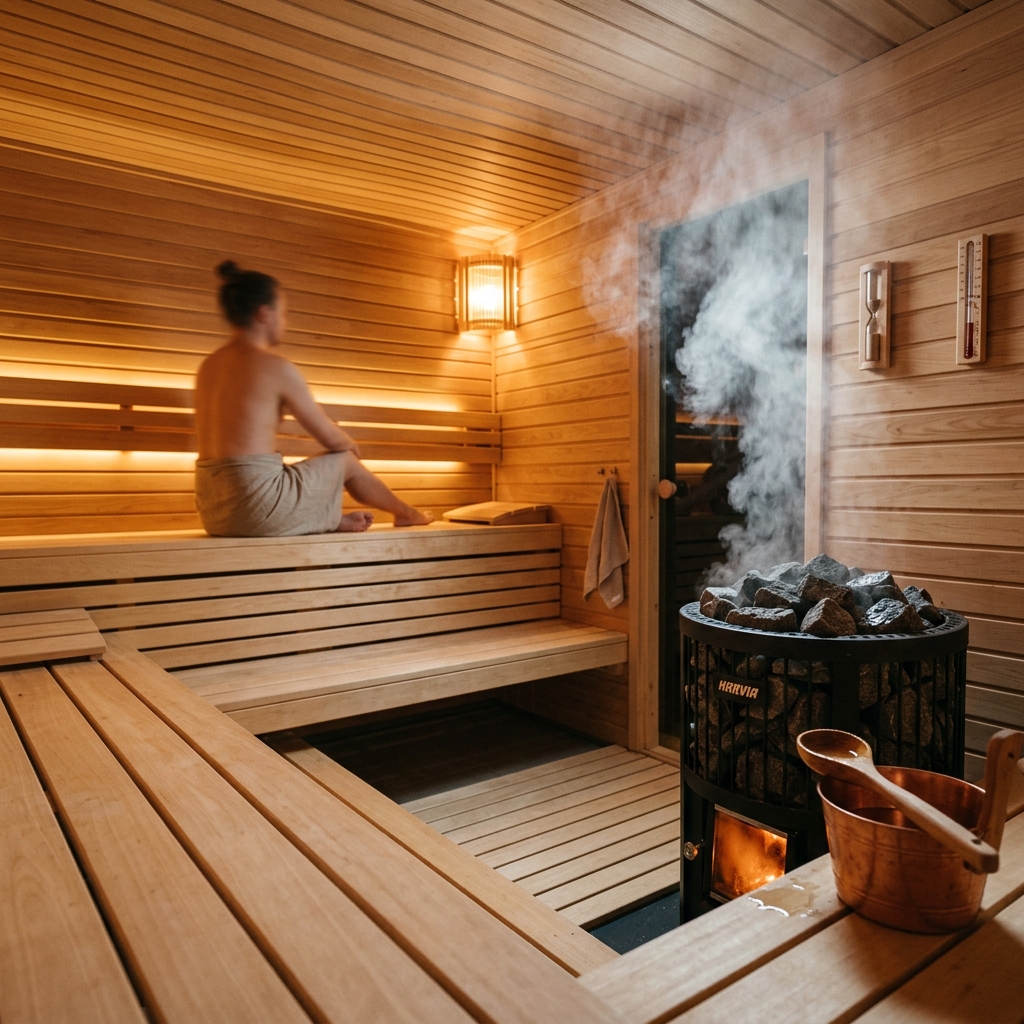
Walk into any serious recovery facility in 2026 and you will find the same pairing: a sauna baking at 80–90 °C next to a cold plunge hovering near 10–15 °C. Contrast therapy — alternating deliberate heat and cold exposure — has moved from elite sport science into mainstream wellness, and for good reason. When applied intelligently, it leverages the body's own stress-adaptation machinery to accelerate recovery, sharpen mental clarity, and build physiological resilience. But the protocol details matter. Too cold at the wrong time, or too hot too close to bed, and the benefits flip into drawbacks. Here is what the evidence actually supports and how to build a session that works for your goals.
What Is Hormesis and Why It Explains Both Heat and Cold
Hormesis is the principle that a controlled, moderate stressor triggers an adaptive response that leaves the body stronger than before. Exercise itself is hormetic — you damage muscle fibers under load, the body repairs them thicker and denser. Heat and cold work on the same principle through different pathways.
With heat, the body responds to the thermal challenge by producing heat shock proteins, expanding plasma volume, and increasing cardiac output to drive blood toward the skin. Over repeated sessions, these adaptations translate to improved cardiovascular efficiency and a more robust stress-response system. With cold, the acute vasoconstriction and sympathetic nervous system spike train the body to modulate blood pressure more efficiently and may improve mitochondrial density in brown adipose tissue. Neither stressor is passive relaxation — both are deliberate physiological challenges that prompt the body to adapt upward.
The Case for Sauna: Heat as a Recovery Tool
Passive heat exposure in a traditional Finnish sauna or infrared cabin produces several recovery-relevant effects:
- Increased blood flow to muscle tissue — elevated core temperature dilates blood vessels, flushing metabolic waste and delivering nutrients to fatigued muscles.
- Reduced muscle soreness — heat may blunt delayed-onset muscle soreness when applied in the hours after training, likely through improved circulation and reduced inflammatory signaling.
- Growth hormone release — repeated sauna exposure has been associated with transient spikes in growth hormone, a signal that supports tissue repair and lean mass maintenance.
- Cardiovascular conditioning — regular sauna use mimics some of the cardiovascular demands of moderate aerobic exercise, making it a useful supplementary tool for heart health.
- Mental recovery — heat triggers endorphin and dynorphin release, producing the calm, often euphoric state sauna users describe. This psychological reset is genuinely underrated as a recovery component.
Effective sauna sessions typically run 12–20 minutes per round at 80–90 °C for traditional saunas, or 20–30 minutes at 50–60 °C for infrared units. Beyond the physical benefits, the enforced stillness of a sauna session — no screens, no stimulation — functions as a form of mindfulness practice.
The Case for Cold: What the Plunge Actually Does
Cold water immersion and cold showers have developed a near-mythological reputation online, often overclaimed and occasionally underclaimed in equal measure. Here is a grounded view of the actual mechanisms:
- Acute inflammation reduction — vasoconstriction limits the flood of inflammatory mediators into recently stressed tissue. This is useful after endurance events or injury, but see the hypertrophy caveat below.
- Nervous system regulation — the initial cold shock activates the sympathetic system hard, and the body's recovery from that spike trains parasympathetic balance over time. Regular cold exposure is associated with lower resting heart rate and improved heart rate variability in some individuals.
- Norepinephrine and dopamine release — cold immersion produces a significant and sustained rise in both norepinephrine and dopamine, which explains the mood elevation and focus that practitioners report for hours after a session.
- Alertness and energy — unlike heat, which is sedating, cold is activating. This makes it a powerful morning tool but a poor choice immediately before sleep for most people.
Effective temperatures sit between 10–15 °C (50–59 °F). Sessions of 2–5 minutes are sufficient to trigger the relevant pathways — longer immersion in very cold water adds risk without proportional additional benefit. A cold shower is a lower-barrier alternative that still produces meaningful effects, particularly when the water reaches the torso and back of the neck.
The Hypertrophy Caveat: When Cold Blunts Your Gains
This is one of the most practically important points in recovery science and one of the most frequently ignored. Cold water immersion immediately after a strength training session suppresses some of the molecular signaling that drives muscle protein synthesis. Specifically, it appears to attenuate mTOR pathway activity — the cascade that tells muscle cells to grow in response to mechanical load.
If hypertrophy is your primary goal, observe these guidelines:
- Avoid cold immersion in the four to six hours immediately following a strength session targeting muscle growth.
- Sauna use after lifting does not carry the same concern and may actually complement the anabolic environment through its effects on blood flow and growth hormone.
- Cold immersion remains appropriate after endurance sessions, on rest days, or when you are prioritizing recovery speed over muscle adaptation.
- If you train twice a day, cold after the morning session to accelerate recovery before an afternoon session is a reasonable trade-off even with the mTOR dampening, because speed of recovery is the priority.
Athletes focused on performance rather than hypertrophy — endurance runners, team sport players, fighters — face less of this trade-off and can use cold more freely around training.
A Sample Contrast Protocol
The classic contrast protocol alternates heat and cold in rounds, ending on cold to drive the vasoconstrictive flush effect. A well-structured beginner-to-intermediate session looks like this:
- Round 1 — Heat: 12–15 minutes in the sauna at 80–90 °C. Allow the body to fully warm through.
- Transition: Exit and rest briefly (1–2 minutes) before entering the cold.
- Round 1 — Cold: 2–3 minutes in cold water at 10–15 °C (full immersion or cold shower to torso and neck).
- Round 2 — Heat: Return to the sauna for another 12–15 minutes. You will find the heat more intense the second time because cold has primed your heat receptors.
- Round 2 — Cold: Another 2–3 minutes of cold. This is the round most people find hardest and most rewarding.
- Optional Round 3: A third heat–cold cycle adds total volume; suitable once the protocol feels comfortable and your body has adapted over several weeks.
- Cool-down: End with 5–10 minutes of quiet rest at room temperature. Do not rush this phase.
Total session time runs approximately 50–75 minutes including transitions. Frequency of two to three sessions per week is sufficient for most people to derive meaningful benefit without accumulating excessive thermal fatigue.
Timing: When to Schedule Your Contrast Sessions
Session timing has a significant effect on outcomes, and matching timing to your goal makes the practice far more effective:
- Morning (pre-workout or fasted): Excellent for the cold-first or contrast format. Cold elevates norepinephrine and sets an alert, focused tone for the day. Sauna after morning cold can be pleasantly grounding before a demanding training session.
- Post-endurance training: Contrast therapy within 30–60 minutes after aerobic or endurance work accelerates clearance of metabolic byproducts and reduces next-day soreness without the hypertrophy concern.
- Rest days: Ideal for full contrast sessions. No training interference, and the cardiovascular and neurological benefits accumulate cleanly.
- Avoid within 2–3 hours of bedtime: Both sauna and contrast sessions are thermally and neurologically activating. Core body temperature must drop to initiate sleep; a late sauna session delays this. Cold exposure close to bed amplifies the sympathetic activation that contrasts with the parasympathetic state needed for sleep onset. Schedule sessions in the morning or afternoon if sleep quality is a concern.
Safety: Who Should Exercise Caution
Contrast therapy is broadly safe for healthy adults, but several groups should approach it carefully or consult a physician first:
- Cardiovascular conditions: The rapid shifts in blood pressure during heat and cold transitions place acute demand on the cardiovascular system. Anyone with hypertension, arrhythmia, or a history of cardiac events should get medical clearance before starting.
- Pregnancy: Sustained heat exposure above 39 °C core temperature carries risk in pregnancy. Sauna use during pregnancy should be discussed with a healthcare provider; cold immersion is generally avoided.
- Raynaud's disease: Cold immersion can trigger severe vasospasm in peripheral tissues for individuals with Raynaud's. Cold showers may be manageable; full immersion is typically contraindicated.
- Dehydration: Sauna accelerates fluid loss significantly. Enter every session well hydrated and drink 500–750 ml of water during and after. Alcohol and contrast therapy do not mix — both impair thermoregulation and together increase syncope risk substantially.
- Orthostatic hypotension: The rapid transition from hot to cold can cause a brief blood pressure drop. Move between environments slowly, especially if you have a history of dizziness when standing quickly.
- Open wounds or skin infections: Cold water immersion is not appropriate over open wounds. Sauna heat can also impair wound healing; delay sessions until healed.
For beginners, start with single rounds rather than full contrast cycles and at shorter durations — 8 minutes of heat and 90 seconds of cold — then build over two to four weeks as tolerance develops. The discomfort of cold is real and the urge to exit is strong; controlled, calm breathing through the nose is the most effective tool for staying in and letting the adaptation occur.
Tracking your contrast sessions alongside your training load, sleep quality, and readiness scores inside UltraFit360 gives you the feedback loop you need to see how this protocol is actually moving the needle for your recovery. Log your heat and cold rounds, note how your HRV and morning readiness trend over the following days, and let the data guide your frequency. Consistency over weeks is what converts an interesting biohack into a genuine performance advantage.
Transform Your Fitness Journey
Log your workouts, track your diet, and get AI coaching insights — all with UltraFit360.