💡 Key Takeaways
- No supplement, gadget, or recovery trick beats sleep for recovery; for a beginner over 40, fixing sleep often does more than any product you could buy.
- Aim for 7-9 hours and, above all, a fixed wake time seven days a week; an erratic schedule is the most common reason midlife sleep feels broken.
- Stop caffeine 8 or more hours before bed and keep alcohol away from bedtime; both quietly fragment sleep even when you fall asleep fine.
- Sleep hygiene supports a healthy start, but persistent insomnia or loud snoring with breathing pauses needs a clinician, not another bedtime hack.
Here is the myth that trips up almost every beginner over 40: that recovery is something you buy. A magnesium blend, a recovery drink, a fancy massage gun, the supplement a 25-year-old influencer swears by. You started training again, the soreness lingers longer than you expected, and the marketing tells you the answer is in a bottle.
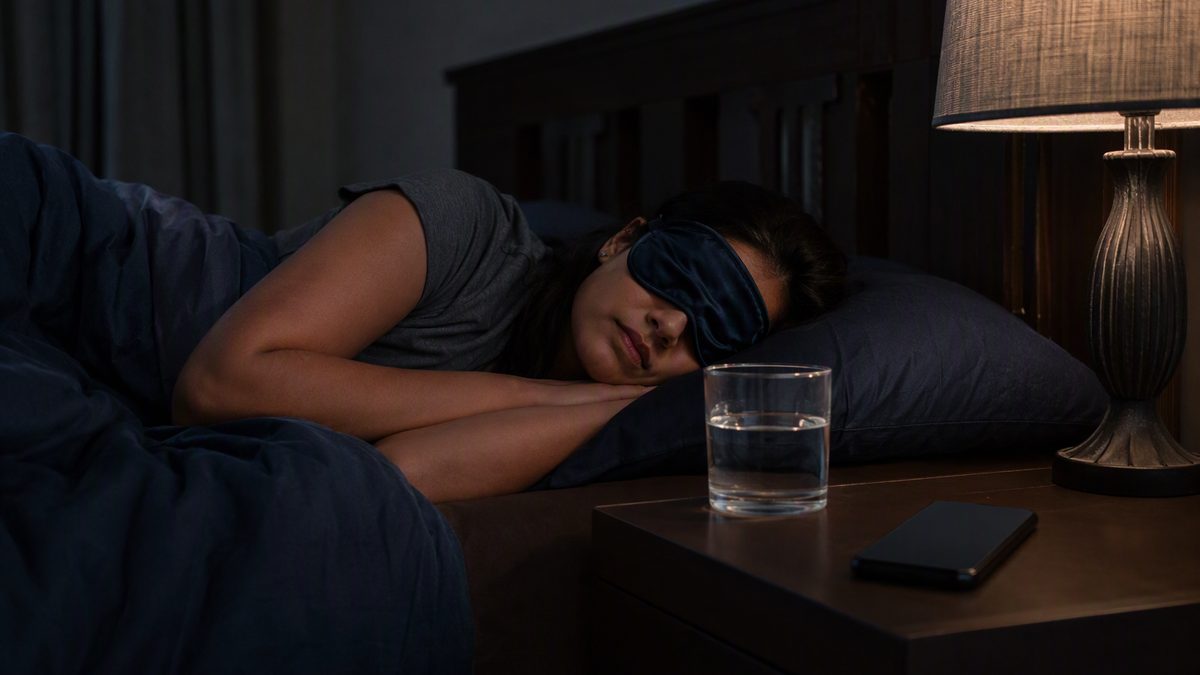
It is not. The single biggest recovery lever you own is free, and you are probably shortchanging it. Sleep is where your body does most of its tissue repair and hormone balancing. For a returning exerciser whose connective tissue already adapts slower than muscle and who carries more life stress than a younger trainee, protected sleep beats any product on the shelf, by a wide margin.
This checklist debunks the supplement-first myth and replaces it with the habits that actually move recovery: a steady schedule, the right light, smart caffeine and alcohol timing, and a wind-down that fits a busy midlife week.
1. The Myth: 'I Just Need the Right Recovery Supplement'
Walk into any supplement store and you will be sold the idea that recovery is a purchase decision. The honest verdict is that most sleep and recovery products are oversold relative to the basics. Melatonin helps mainly with circadian timing problems like jet lag at low, well-timed doses, not as a nightly sedative; magnesium, valerian, and CBD have limited or mixed evidence. Spend your effort and money on schedule, light, caffeine, alcohol, and your bedroom first.
Why does this matter so much at your age? Starting again in your 40s or 50s comes with real headwinds: shifting hormones, slower connective-tissue repair, and, crucially, poorer baseline sleep than you had at 22. That means sleep is not a nice-to-have layered on top of your training, it is the foundation the training adaptations are built on. Skimp on it and you blunt the very recovery you are paying supplements to buy.
The reframe is simple. Before you add anything, subtract the saboteurs that are wrecking your sleep right now, the late coffee, the wine, the phone in bed, the bedtime that moves three hours every weekend. That costs nothing and outperforms the entire supplement aisle. It also sidesteps the trap of chasing recovery products to fix a problem the products were never going to solve, because the deficit was behavioral all along.
2. Why Midlife Sleep Feels Worse and How to Stabilize It
If your sleep got flakier in the last decade, you are not imagining it. Life stress, screen-heavy evenings, and a metabolism that handles late caffeine and alcohol less gracefully all stack up by your 40s. The good news: the fixes are behavioral, and your body still responds to the same circadian cues it always did.
The most important single habit is a regular sleep and wake time, including weekends. Large weekend shifts, sleeping until 10 on Saturday after waking at 6 all week, create 'social jetlag' that mimics flying across time zones and degrades your sleep for days. Anchor your wake time first; it is the strongest lever, and bedtime tends to follow once the rhythm stabilizes.
Light does the heavy lifting around that schedule. Get bright daylight soon after waking to set the clock and sharpen daytime alertness, then dim your home and devices in the one to two hours before bed, because bright, blue-enriched evening light suppresses melatonin and pushes your sleep later. For a beginner, these two moves, fixed wake time plus light timing, often resolve most of the 'I can't fall asleep' problem on their own.
3. Your Beginner-Friendly Sleep Hygiene Protocol
This is the whole checklist, sized for a returning trainee with a busy work-and-family week. You do not need every row perfect to benefit; start at the top and add as the habits stick.
| Habit | Your target | Why it works |
|---|---|---|
| Fixed wake time | Same time 7 days/week; aim 7-9 h sleep | Anchors your circadian rhythm and kills weekend social jetlag |
| Morning light | 10-30 min bright/daylight within an hour of waking | Sets the clock and raises daytime alertness |
| Caffeine cutoff | Last dose 8+ hours before bed (often early afternoon) | Caffeine's 5-6 h half-life lingers and fragments sleep even if you doze off |
| Alcohol | None close to bedtime; if drinking, earlier and modest | Alcohol suppresses REM and fragments the second half of the night |
| Screens | Off or dimmed 30-60 min before bed; phone out of bed | Cuts melatonin suppression and the scrolling that delays bedtime |
| Bedroom | Dark, quiet, cool ~18C (65F) | Supports the core-temperature drop that initiates sleep |
| Wind-down | Same calm 30-60 min routine nightly | Trains a reliable sleep cue and downshifts your nervous system |
Notice what is not on the list: a single supplement. That is deliberate. Fix these rows for two weeks before you spend a cent on a recovery product, and most of you will not feel the need to.
4. Common Mistakes Returning Exercisers Make With Sleep
The classic beginner-over-40 error is doing what worked at 22. Late-night training, a couple of beers to unwind, scrolling until midnight, then powering through on six hours and coffee. Your younger self absorbed that abuse; your current physiology charges interest on it, and the bill shows up as lingering soreness and stalled progress.
A few specific traps to avoid. First, the nightcap. Alcohol feels sedating and may shorten how long it takes to fall asleep, but it wrecks sleep architecture and, for someone training, also impairs post-exercise muscle repair, a double hit when you are already recovering slower. Second, very hard training in the last hour or two before bed can delay sleep onset for some people; if you train late and struggle to wind down, move the intense session earlier. Third, treating soreness as the goal and sleep as expendable, when sleep is what turns the training into adaptation.
One honest boundary. These habits fix lifestyle-driven poor sleep, not clinical disorders. If you sleep seven or eight hours, do everything here, and still wake unrefreshed, snore loudly with pauses in breathing, or cannot fall or stay asleep most nights for three months, that is a medical conversation. And if you have been sedentary for years or take regular medication, a check-in with your doctor as you ramp up training is a sensible move. The same goes for sleep itself: persistent insomnia is treatable, with structured behavioral therapy rather than long-term sleeping pills as the first-line approach, and that is worth pursuing rather than quietly tolerating broken nights as just part of getting older.
Sleep Questions Beginners Over 40 Ask
Is it too late for better sleep to make a difference?
Not at all. Your circadian system still responds to the same cues at 45 or 55 as it did at 25, light, schedule, temperature, and caffeine timing. Midlife sleep feels worse mostly because of accumulated habits and stress, not because the machinery stopped working. Fixing a regular wake time, morning light, and an early caffeine cutoff reliably improves sleep quality, and since sleep is your top recovery lever, that improvement compounds into better training results.
Why do my joints feel worse than my muscles after I train?
Connective tissue, tendons and ligaments, adapts more slowly than muscle, especially after 40, so it often complains while your muscles feel fine. Sleep will not directly cure joint stiffness, but chronic short sleep raises inflammation and slows tissue recovery, which makes everything ache more. Protect 7-9 hours, ramp training volume gradually rather than jumping back to old loads, and give connective tissue the weeks it needs to catch up to your enthusiasm.
Do I need a sleep supplement to recover properly?
For most beginners, no. The basics, schedule, light, caffeine and alcohol timing, a dark cool room, outperform the supplement aisle, which is largely oversold. Melatonin has a real but narrow use for circadian problems like jet lag at low timed doses; magnesium, valerian, and CBD have weak or mixed evidence. Fix the habits in this checklist for two weeks first. If sleep is still poor afterward, that points toward a clinician, not a bigger supplement stack.
Should I see a doctor before changing my routine?
The sleep habits here, consistent timing, light, a calm wind-down, are safe for nearly everyone. A medical check-in is wise on two fronts: if you have been largely sedentary for years or take regular medication and are restarting exercise, and if your sleep stays poor despite good habits. Persistent insomnia or loud snoring with witnessed breathing pauses point to treatable conditions like apnea, which a doctor should evaluate rather than you trying to hack around.
Disclaimer: This article is for educational purposes only and is not medical advice. Consult a qualified healthcare professional before starting any supplement, nutrition, or training protocol — especially if you are pregnant or breastfeeding, under 18, taking medication, or managing a health condition.
Scientific References & Clinical Sources
- Dattilo M, et al. Sleep and muscle recovery: endocrinological and molecular basis for a new and promising hypothesis. Med Hypotheses, 2011. PMID: 21550729
- Fullagar HH, et al. Sleep and athletic performance: the effects of sleep loss on exercise performance. Sports Med, 2015. PMID: 25315456
- Thun E, et al. Sleep, circadian rhythms, and athletic performance. Sleep Med Rev, 2015. PMID: 25553531
- Halson SL. Sleep in elite athletes and nutritional interventions to enhance sleep. Sports Med, 2014. PMID: 24791913

