💡 Key Takeaways
- Protect a fixed wake time anchored to one home base and aim for 7-9 hours; consistency, not heroics, is what survives a 60-hour week and frequent travel.
- Default rules beat decisions: same caffeine cutoff, same wind-down, same dark cool room, in every hotel, so jet-lagged willpower never has to choose.
- Alcohol at client dinners is a sleep saboteur, not a nightcap; it fragments the second half of the night, so keep it earlier and modest before a demanding next day.
- No stimulant stack offsets chronic short sleep; if travel insomnia or loud snoring with breathing pauses persists, use your executive physical to get it evaluated.
Monday you close in New York, Wednesday you pitch in London, Friday you are back for a 6am board call. Somewhere in there are two client dinners, a red-eye, and a hotel gym you will visit at dawn or not at all. Your sleep is the first thing the week sacrifices, and it is exactly the wrong thing to give up.
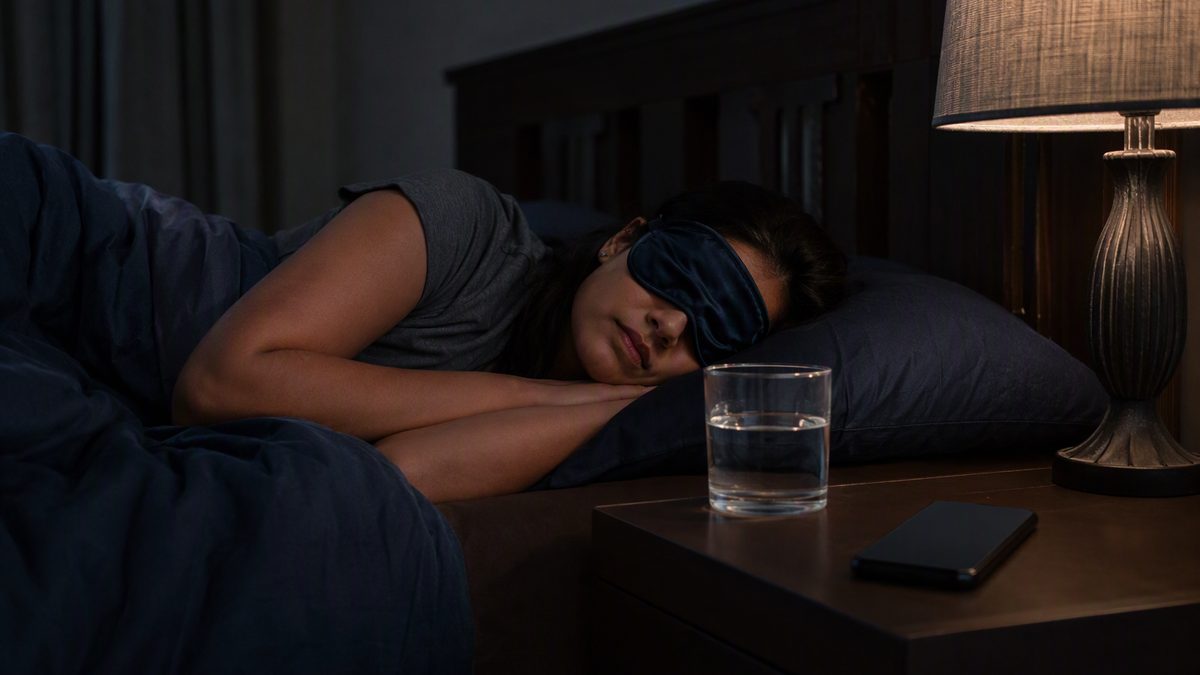
Sleep is the highest-return recovery lever you have, ahead of any wearable, supplement, or executive perk. It is when your body and brain do their repair, consolidate decisions, and reset the stress system you tax all day. Stacking stimulants over a sleep debt does not buy performance; it borrows against it at a punishing rate.
This checklist is built for chaos. The goal is not a perfect routine, it is a small set of default rules that hold up in any city, so you never have to make a good sleep decision at 5am while exhausted three time zones from home.
1. Where Sleep Fits a 60-Hour, Multi-City Week
Your calendar will not bend, so the system has to be portable and decision-light. Start by anchoring everything to one home time zone wherever practical for short trips, and protect the wake time above all. A stable wake time is the strongest single lever for holding your circadian rhythm together, and it travels: you set an alarm, you honor it, the rhythm follows.
Slot three fixed touchpoints into the day. First, morning light, ten to thirty minutes of daylight or a bright window soon after waking, taken on the way to the hotel gym or with your first coffee, to set the clock and fight grogginess. Second, a hard caffeine cutoff in the early afternoon so the evening's espresso at dinner does not wreck the night. Third, a 30-minute wind-down that is identical in every hotel, so your nervous system gets the same shut-down cue whether you are in Singapore or Chicago.
That is the entire footprint. Three rules, applied identically everywhere, replace a dozen daily judgment calls. Decisions are your scarce resource; this protocol spends almost none of them. And because the rules are the same in every city, there is nothing to relearn on arrival, you step off the plane already knowing what tonight looks like, which is exactly what makes a system survive a punishing travel calendar instead of collapsing in week two.
2. The Hotel and Time-Zone Rulebook
Hotels are sleep minefields: warm rooms, blackout curtains that leak, a minibar, a glowing standby light on every device. Default rules tame them. Make the room dark, cool, and quiet on arrival, drop the thermostat toward 18C (65F), use the eye mask and earplugs you packed, and unplug or cover the LED that is staring at you. Keep work off the bed so your brain still pairs it with sleep.
For time zones, light is your steering wheel. Flying east and needing to sleep earlier, chase bright morning light at the destination and dim everything in the evening. Flying west, get light later in the day. When you know a brutal short-sleep stretch is coming, a red-eye into a launch, bank some sleep beforehand by going to bed earlier for a few nights; proactively extending sleep buffers some of the performance cost of the loss that follows.
And use naps as a tool, not a crutch. A 20-30 minute nap in the early afternoon restores alertness for an afternoon of meetings without the grogginess of a longer one, and without stealing that night's sleep pressure. Keep it short and early, and it is one of the cleanest performance hacks you have on the road.
3. Your No-Decision Executive Sleep Protocol
Set these defaults once and run them in every city. The point is to remove the morning negotiation entirely: you do not decide, you execute the row.
| Habit | Your target | Why it matters on the road |
|---|---|---|
| Fixed wake time | Same time daily; aim 7-9 h sleep | Strongest anchor for the circadian rhythm; the one rule that holds across cities |
| Morning light | 10-30 min daylight within an hour of waking | Sets the clock at the destination and cuts jet-lag grogginess |
| Caffeine cutoff | Last dose 8+ hours before target bedtime | Survives the dinner espresso; caffeine's 5-6 h half-life otherwise fragments sleep |
| Alcohol at dinners | Earlier and modest; none close to bedtime | Alcohol suppresses REM and fragments the night before a demanding morning |
| Hotel room | Dark, quiet, cool ~18C; mask, earplugs, LEDs off | Defaults beat fiddling; supports the core-temperature drop that starts sleep |
| Wind-down | Identical 30 min routine, screens off, in every hotel | Portable shut-down cue your nervous system recognizes anywhere |
| Sleep banking | Extend sleep a few nights before a known short stretch | Buffers the performance cost of an upcoming red-eye or launch |
No row here requires a fresh decision in the moment. You wake, follow the rules, and keep the scarce mental energy for the boardroom. If you want a single system to carry the reminders across time zones, our roundup of the best fitness apps is a useful place to compare options.
4. Alcohol, Stimulants, and the Sleep-Debt Trap
Two executive habits quietly sabotage the whole system. The first is the client-dinner wine. Alcohol feels sedating and may help you fall asleep faster, but it suppresses REM early and fragments the back half of the night with awakenings, leaving you lighter and less recovered for tomorrow's high-stakes day. It also worsens snoring and apnea. You do not have to be a monk, but keep drinking earlier and modest when a demanding morning follows.
The second trap is more dangerous: stacking stimulants over a sleep debt. Caffeine and pre-workout can mask tiredness, but they cannot repay what short sleep costs your reaction time, judgment, and mood, and piling them on trades a recovery problem for a stress problem on an already elevated cortisol baseline. The honest move on a bad-sleep day is to dial back intensity, protect tonight's sleep, and let the deficit clear, not to caffeinate through it indefinitely.
Respect the line between hygiene and medicine. Good habits will not cure a disorder. If you suffer chronic insomnia despite doing everything here, or you snore loudly with witnessed breathing pauses, wake gasping, or feel relentlessly unrefreshed, your annual executive physical is the natural moment to raise it. Apnea and chronic insomnia are common in high-stress, frequent-flying professionals, treatable, and not something to outrun with willpower. The first-line fix for stubborn insomnia is a structured behavioral therapy, not a standing prescription for sleeping pills, so treat persistent poor sleep as a problem to diagnose and solve, exactly as you would a failing process at work, rather than a cost of the job.
Sleep Questions Busy Executives Ask
What's the minimum effective sleep routine when I travel?
Three portable defaults. Hold a fixed wake time anchored to your home base on short trips. Get 10-30 minutes of morning light at the destination to reset your clock. And run an identical 30-minute, screens-off wind-down in every hotel so your nervous system gets the same shut-down cue anywhere. Add a dark, cool room with an eye mask and earplugs. Those four habits carry most of the benefit without you having to think about it at 5am.
Does alcohol at client dinners ruin my sleep?
It hurts more than people expect. Alcohol may shorten how long it takes to fall asleep, but it suppresses REM and fragments the second half of the night, so you wake less recovered, exactly the wrong setup before a demanding morning. You do not have to abstain. Keep drinks earlier in the evening and modest in volume when a high-stakes day follows, and avoid alcohol close to bedtime, which is when the architecture damage is worst.
Can I really keep this consistent across time zones?
Yes, which is the whole reason to use default rules instead of a perfect routine. Anchor your wake time, then steer your body clock with light, bright light in the morning when flying east, later light when flying west. For a known short-sleep stretch like a red-eye, bank sleep by going to bed earlier for a few nights beforehand. Expect a couple of rough days adjusting, keep sessions easy during them, and let the rhythm catch up.
Can stimulants offset my sleep debt?
No, and treating them that way backfires. Caffeine masks tiredness but cannot repay the reaction-time, judgment, and mood costs of short sleep, and stacking it over a deficit raises an already high stress load. On a bad-sleep day, cut training intensity, protect tonight's sleep, and let the debt clear. If poor sleep persists despite good habits, raise it at your annual physical, chronic insomnia and apnea are common in frequent flyers and are treatable medical issues.
Disclaimer: This article is for educational purposes only and is not medical advice. Consult a qualified healthcare professional before starting any supplement, nutrition, or training protocol — especially if you are pregnant or breastfeeding, under 18, taking medication, or managing a health condition.
Scientific References & Clinical Sources
- Dattilo M, et al. Sleep and muscle recovery: endocrinological and molecular basis for a new and promising hypothesis. Med Hypotheses, 2011. PMID: 21550729
- Thun E, et al. Sleep, circadian rhythms, and athletic performance. Sleep Med Rev, 2015. PMID: 25553531
- Halson SL. Sleep in elite athletes and nutritional interventions to enhance sleep. Sports Med, 2014. PMID: 24791913
- Fullagar HH, et al. Sleep and athletic performance: the effects of sleep loss on exercise performance. Sports Med, 2015. PMID: 25315456

