💡 Key Takeaways
- The recovery drain in youth soccer is a congested schedule, not cortisol: school, practices, games, and short sleep share one recovery budget.
- Food-first and sleep-first: aim for 8-10 h sleep, real meals and snacks every game day, and steady hydration, especially in summer heat.
- Cut add-on private sessions during tournament weeks; skip energy drinks and 'cortisol' supplements, which lack evidence for teens.
- Growth-plate pain (Osgood-Schlatter, Sever's) is a medical flag; loop in parents and a clinician, and seek help if low mood lasts 2+ weeks.
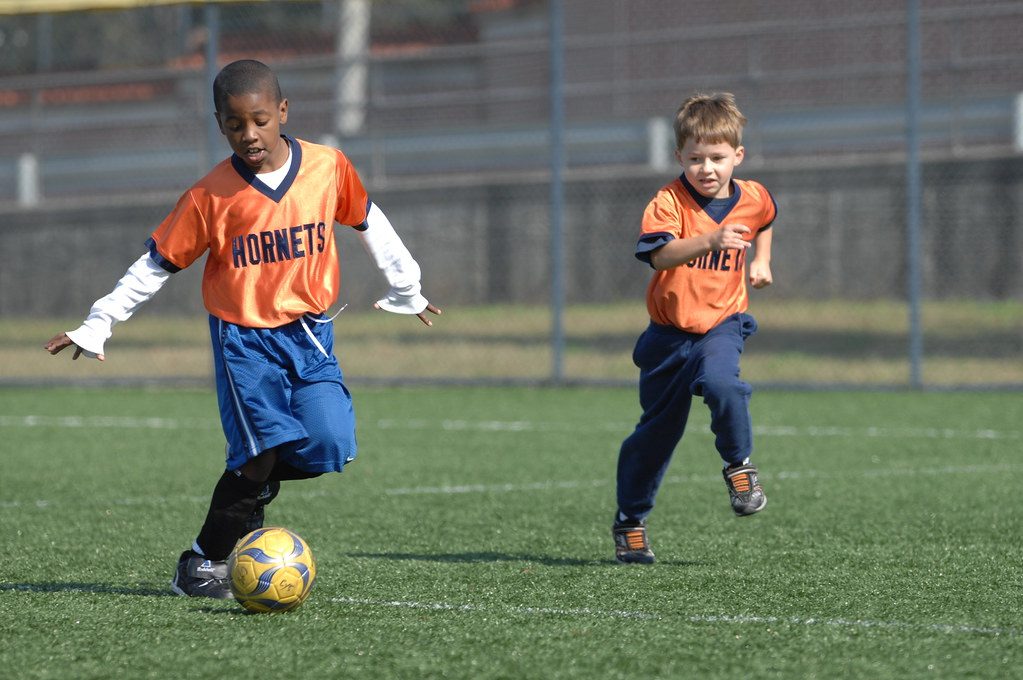
Picture a normal week for an academy player: three or four club practices, school all day, PE on top, a private "speed session" someone added, then a tournament weekend with four games. Somewhere in there a parent reads that cortisol is the problem. It almost never is, the schedule is.
For a growing soccer player, the thing that drains recovery isn't a hormone, it's the pile-up of training, school, late nights, and skipped meals all landing in the same seven days. Cortisol rises with all of it and then settles, exactly as it should. The job is to fit recovery into the calendar, not to chase a number.
This page walks through a real congested week and shows where the stress-management basics slot in, with food first, parents and coaches in the loop, and a clear line for when growth-plate pain or low mood needs a doctor, not a tweak to training.
1. A Week in the Life: Where Recovery Has to Fit
Map the week before fixing it. School plus three-to-five practices plus one-to-two matches already fills the calendar; a tournament weekend then stacks three or four games into two days. The trap is that recovery gets treated as the thing you skip when time is tight, so sleep shrinks, meals turn into snack-bar grabs, and a private session gets bolted onto an already-full schedule.
Here's the principle a young player and their parents need: the body keeps one recovery budget, and it doesn't separate school stress from soccer stress from a bad night's sleep. They all draw from the same account. Pile them up and the same practice costs more and improves the player less, which shows up as heavy legs, a short temper, sloppy touches, and getting sick after big weekends.
So recovery isn't the optional extra, it's part of the training. The smart move during the heaviest weeks is to ease the controllable load, drop the bonus private session, lighten a midweek practice, rather than add to it. For a growing athlete that's not coddling; it's matching effort to the recovery actually available that week. Building consistent recovery habits around the schedule does more than any supplement.
2. Slotting Sleep and Food Into the Calendar (Food-First)
Two levers carry a young player through a congested week: enough sleep and enough real food. Both come before anything in a bottle, every time. Teens need roughly 8 to 10 hours of sleep, more than adults, and short sleep raises next-day stress and fragments the following night, a loop that's brutal across a four-game weekend. Real meals matter just as much, because under-fueling during a growth period is itself a stressor that stalls both growth and performance.
The tournament-weekend failure is predictable: games fueled by candy and chips, hydration ignored in the heat, and a too-late bedtime between game days. Fixing that is mostly logistics, packing food and planning sleep, not willpower. Here's where the basics slot into a packed week.
| Lever | Target | Where it fits the week | Why it matters |
|---|---|---|---|
| Sleep | 8-10 h, consistent times | Fixed bedtime even on tournament nights; nap between same-day games | Teens need more sleep than adults; top recovery lever |
| Real meals | 3 meals + snacks; don't skip | Breakfast, pre-game snack, recovery meal after each match | Under-fueling stalls growth and raises stress |
| Hydration | Steady; more in heat | Bottle at every game, especially summer tournaments | Dehydration is a stressor; heat risk is real for youth |
| Slow breathing | ~6 breaths/min, 5 min | Before kickoff; in bed to wind down | Calms pre-game nerves fast, no cost or risk |
| Load management | Cut extras in heavy weeks | Drop add-on private sessions on tournament weeks | Eases total load when recovery is shortest |
Note there's no supplement row, on purpose. For this age the evidence for "cortisol" or stress products is thin to nonexistent, so food, sleep, and hydration are the plan. Energy drinks, often marketed as pre-game fuel, actually spike stress arousal and wreck sleep, the opposite of what a growing player needs.
3. The Science: Why Stacking Load Backfires on Growing Players
The reason easing load works isn't soft, it's physiology. Cortisol is a normal hormone with a daily rhythm, high in the morning, low at night, that spikes during games and hard sessions and then comes back down. That's healthy; training is supposed to stress the body so it adapts. The problem is only when chronic stress and a packed schedule never let the system recover between spikes.
That cumulative wear has a name, allostatic load, the price the body pays for staying switched on. For a young player it compounds with growth itself, which is metabolically demanding, and with congested fixtures that leave no real recovery gaps. Push past what recovery absorbs and you get the classic overreaching picture: getting slower not faster, constant tiredness, poor sleep, irritability, and more illness and niggling injuries. The fix is the unglamorous one, more sleep, less load, and enough food, not pushing harder or buying something.
There's a bright side specific to teens: at this age they have naturally high anabolic hormones and adapt to good training fast. The limiter is rarely cortisol, it's whether sleep and food keep up with the schedule. Get those right and a young player thrives on a load that would be too much for a stressed, under-slept version of themselves.
4. Troubleshooting: Pain, Mood, and Looping In Adults
Some signals are not a scheduling fix and need an adult and often a clinician. Growth-plate pain, knee pain below the kneecap (Osgood-Schlatter) or heel pain (Sever's) common in this age group, is a medical flag, not something to play through; a young athlete pushing past growth-plate pain risks real injury. Summer tournaments add heat illness risk, so heat policies, shade, and hydration breaks aren't optional. And if a player is constantly exhausted, slowing down, sleeping badly, and catching every bug, that's overreaching telling you to back off, not to add a private session.
Mental health matters as much as the body. Stress habits handle everyday pressure, but they're not a substitute for real care. A parent should loop in a doctor or counselor if low mood, anxiety, or stress is severe, lasts most days for two or more weeks, or starts hurting the player's sleep, school, relationships, or love of the game, and get help right away for any thoughts of self-harm. For a youth player this framing is non-negotiable: parents and coaches stay in the loop, and food comes before any supplement.
The realistic payoff is honest and motivating. Consistent sleep, real meals, hydration, slow breathing, and a load that respects the calendar give a young player steadier energy and mood, better recovery between games, and faster progress over weeks. There's no cortisol to reset, that was never the target. Fitting recovery into the schedule, with adults helping, is the whole win.
Youth Soccer Stress Questions for Players and Parents
How do we handle a 4-game tournament weekend?
Treat recovery as part of the plan. Pack real meals and snacks instead of relying on the concession stand, hydrate at every game especially in heat, and protect sleep with a fixed bedtime between game days plus a short nap between same-day matches. Drop any add-on private sessions that week, the schedule is already heavy load. Five minutes of slow breathing before kickoff settles nerves. The goal is finishing the weekend without getting sick or hurt.
Should stress and cortisol support come from food instead of supplements?
Yes, food and sleep first, always, especially for a growing player. The evidence for 'cortisol' or stress supplements in teenagers is thin to nonexistent, and energy drinks sold as pre-game fuel actually raise stress and wreck sleep. Regular meals, hydration, and 8 to 10 hours of sleep do far more for a young athlete than any bottle. If a family still thinks something's needed, talk to a doctor before starting anything, not an influencer.
Is my child's knee or heel pain just training stress?
Not necessarily, and it shouldn't be played through. Pain just below the kneecap (Osgood-Schlatter) or at the heel (Sever's) is common during growth spurts and is a growth-plate flag that needs a clinician, not a stress tweak. Pushing past growth-plate pain risks real injury. Rest the area and get it assessed. General training soreness eases with recovery; localized, persistent joint or growth-plate pain is medical and deserves professional eyes.
What should we tell the coach about a packed schedule?
Be open about total load. Coaches can't manage what they don't know, school stress, extra private sessions, and tournament fatigue all draw on one recovery budget. Ask about easing a midweek practice during the heaviest weeks, and flag any persistent pain, exhaustion, or low mood. This isn't about dodging work; it's matching training to the recovery a growing player actually has that week, which keeps them healthier and progressing faster.
Disclaimer: This article is for educational purposes only and is not medical advice. Consult a qualified healthcare professional before starting any supplement, nutrition, or training protocol — especially if you are pregnant or breastfeeding, under 18, taking medication, or managing a health condition.
Scientific References & Clinical Sources
- Thun E, et al. Sleep, circadian rhythms, and athletic performance. Sleep Med Rev, 2015. PMID: 25553531
- Dattilo M, et al. Sleep and muscle recovery: endocrinological and molecular basis for a new and promising hypothesis. Med Hypotheses, 2011. PMID: 21550729
- Fullagar HH, et al. Sleep and athletic performance: the effects of sleep loss on exercise performance. Sports Med, 2015. PMID: 25315456
- Teixeira PJ, et al. Exercise, physical activity, and self-determination theory: a systematic review. Int J Behav Nutr Phys Act, 2012. PMID: 22726453
- Halson SL. Sleep in elite athletes and nutritional interventions to enhance sleep. Sports Med, 2014. PMID: 24791913

