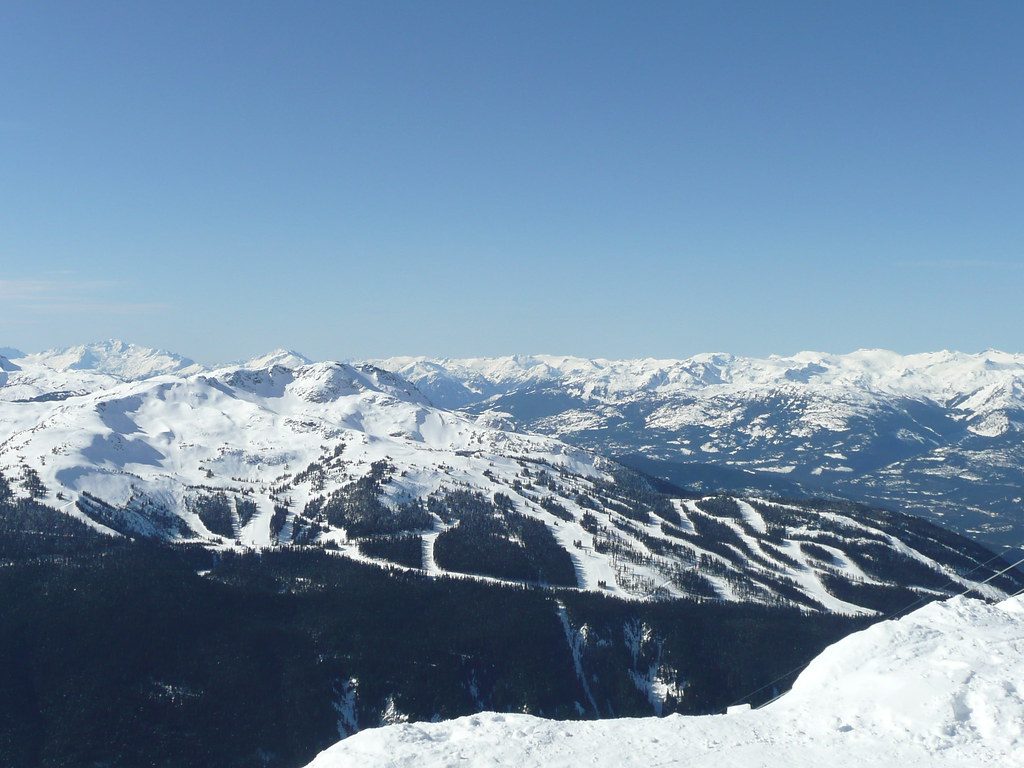
💡 Key Takeaways
- Myth: a savage 4-minute Tabata block readies your legs for opening week. It builds your engine, not your eccentric quad durability - that comes from downhill-specific strength work.
- Real Tabata is 20 s all-out / 10 s rest x 8 = 4 min at ~170% VO2max on a bike, calibrated to fail you by round 8 - not a class you finish with effort to spare.
- Use it 1-2x per week off-season on an air bike or rower as a time-efficient VO2max tool, not as in-season leg prep or a fix for opening-day DOMS.
- Altitude raises fluid demands and degrades sleep; cold blunts thirst - hydrate deliberately, and get cardiac clearance before all-out work if you carry any risk.
Here is the belief worth dismantling: that a brutal little 4-minute Tabata block, done a few weeks out, will get your legs ready for the punishment of opening week. It feels plausible - the block is savage, your quads are screaming, surely that is the right kind of pain. It is not. The reason day one of the season destroys you every year is eccentric load: thousands of braking contractions on long descents that your summer legs have not seen since April. Tabata does almost nothing for that.
What Tabata is, specifically, is one studied protocol - 20 seconds all-out, 10 seconds rest, eight rounds, four minutes total, originally on a bike at about 170% of VO2max. It is a sharp tool for cardiorespiratory fitness in minimal time. That is genuinely useful in your off-season engine work. But it is the wrong tool for the opening-week problem, and confusing the two is how riders show up fit-feeling and still get wrecked. Let's separate what it does from what it doesn't.
1. The Opening-Week Myth, Tested Against What Tabata Actually Trains
Long descent days hammer your quads with eccentric, braking work - muscle lengthening under load, contraction after contraction, for hours. That specific stimulus is what produces the severe early-season DOMS, and the only thing that blunts it is exposure to eccentric load beforehand: controlled tempo squats, step-downs, lunges, and progressive downhill-style work in the gym. A 4-minute supramaximal bike block trains your aerobic and anaerobic energy systems concentrically. It will not pre-condition the tissue that gets torn up by braking on a 20-minute groomer run.
The evidence behind Tabata is about energy systems, not eccentric durability. In the original study, the hard-interval group raised VO2max by roughly 14% and anaerobic capacity by roughly 28% from four minutes of cycling per session - a real, time-efficient engine gain. None of that is leg-armor for descents. So believe the engine benefit and discard the leg-prep claim: Tabata can make your cardiovascular system fitter for the lift-line-to-summit demands of a big day, while your eccentric-specific strength work is what actually saves your quads on the way down.
There is a backcountry angle too. If you skin uphill or tour, a bigger aerobic engine genuinely helps the climbing half of the day - the sustained, oxygen-hungry grind to the top, often with a heavy pack at altitude. That is where Tabata's VO2max gain pays off for you most directly. But even there, the descent that follows is still eccentric, so the same split holds: the engine gets you up efficiently, eccentric-prepared legs get you down without falling apart. Train both, and stop expecting either one to do the other's job.
2. What a True Block Looks Like in Your Off-Season
Your season is blocked: strength and conditioning May through November, then weekend volume with travel once the lifts spin. Tabata lives in the off-season build, not in season. In season you are already accumulating brutal eccentric loading on snow; stacking supramaximal blocks on top invites overreaching. Off-season, on a recovered day, one true block is a clean, time-efficient way to push your VO2max while your strength work handles durability.
| Element | Real Tabata dose | Skier/rider note |
|---|---|---|
| Work | 20 s all-out (~170% VO2max) | Concentric engine work, not leg armor |
| Rest | 10 s passive | Too short to recover, by design |
| Rounds | 8 (4 min total work) | Failing by round 8 = correct intensity |
| Modality | Air bike / rower / cycle erg | Never loaded or complex movements |
| Frequency | 1-2x per week off-season | Drop in season - snow is the load |
| Pairs with | Eccentric quad strength | That is your actual opening-week prep |
Warm up thoroughly before the block - a cold all-out effort is risky. Keep the rest of your off-season cardio genuinely easy so these one or two hard blocks land fresh. And understand what you are buying: a sharper engine for the demands of a long lift-served day, not a shortcut to eccentric-ready legs.
3. Altitude, Cold and Why This Isn't a Fat-Loss Hack
Most riding happens high and cold, and both change your physiology. Altitude raises fluid and iron demands and degrades sleep; cold blunts your thirst signal while increasing respiratory water loss, so you dehydrate without feeling it. If you are doing hard interval work at elevation in the build-up to a trip, hydrate on a schedule rather than by thirst, and respect that altitude plus dry air plus any après-ski alcohol is a dehydration stack. Sleep is already worse at altitude, so keep all-out blocks well clear of bedtime.
One more myth to retire: Tabata is not a fat-loss hack for getting lean before the season. A 4-minute block burns few total calories despite feeling savage, the afterburn is modest, and the interval-training literature finds fat loss broadly comparable to steady cardio - intervals mainly win on time, not on melting fat. Hard exercise can also nudge appetite up and daily movement down. So energy balance and diet decide body composition; Tabata earns its place for the VO2max stimulus, which is the metric that actually matters for your engine - and for long-term health - not the calorie burn. If you carry cardiac or cardiometabolic risk, get medically cleared before any supramaximal effort, and build a base with easier intervals first if you are not already well-conditioned.
4. Common Mistakes Riders Make With Tabata
The recurring errors are predictable. First, calling a class Tabata: if you finished eight rounds of squats or step-ups with effort to spare, that was generic interval work, not the supramaximal protocol with the studied stimulus. Second, using it as opening-week leg prep - it is not, eccentric strength work is. Third, running it in season on top of weekend snow volume, which buries your recovery. Fourth, going all-out cold or at altitude with no warm-up and no hydration plan.
Do it right and it is simple: off-season, one or two true blocks a week on a bike or rower, full warm-up, genuinely all-out so output drops across rounds five to eight and you are near failure at the end, everything else easy. Pair it with progressive eccentric quad work and your December self will thank both - the engine from Tabata, the legs from the strength. Track output per round and your resting heart rate; a multi-day elevated resting HR or trashed sleep means skip the next hard block.
Slope-Side Questions About Tabata
Will Tabata prep my legs for opening week?
No - that is the core myth. Opening-week soreness comes from eccentric braking load on long descents, and only eccentric-specific strength work (tempo squats, step-downs, progressive downhill-style training) pre-conditions that tissue. Tabata trains your aerobic and anaerobic energy systems concentrically on a bike, which builds a useful engine for big lift-served days but does not armor your quads against braking contractions. Use both for different jobs: strength for the legs, Tabata for the engine.
Does altitude change the protocol?
The 20/10 x 8 structure stays the same, but altitude changes the demands around it. Thinner air raises perceived effort and your fluid and iron needs, and degrades sleep, so hydrate on a schedule rather than by thirst, keep all-out blocks well clear of bedtime, and respect that altitude plus cold plus alcohol is a dehydration stack. If you are newly at elevation, give yourself adjustment time before chasing supramaximal efforts, and never push through dizziness.
Can I keep my engine during a 5-day-a-week ski season?
Mostly through the skiing itself, which already loads your legs and heart hard. In a heavy ski week, drop Tabata - stacking supramaximal blocks on top of daily eccentric snow volume buries your recovery. If you want one short maintenance stimulus on a lighter week, a single true block on a recovered day is plenty. The off-season is where Tabata earns its keep; in season, let the mountain be the training and protect your recovery.
Why am I destroyed after day one every year?
Eccentric overload. Long descents demand thousands of braking contractions your summer legs have not done, and that lengthening-under-load is what tears up muscle and produces severe early-season DOMS. No amount of cycling or bodyweight intervals over summer prepares that specifically. The fix is progressive eccentric strength work - tempo squats, step-downs, downhill-style training - in the weeks before your trip. Tabata builds your engine; eccentric strength is what actually saves your quads on day one.
Disclaimer: This article is for educational purposes only and is not medical advice. Consult a qualified healthcare professional before starting any supplement, nutrition, or training protocol — especially if you are pregnant or breastfeeding, under 18, taking medication, or managing a health condition.
Scientific References & Clinical Sources
- Tabata I, et al. Effects of moderate-intensity endurance and high-intensity intermittent training on anaerobic capacity and VO2max. Med Sci Sports Exerc, 1996. PMID: 8897392
- Tabata I. Tabata training: one of the most energetically effective high-intensity intermittent training methods. J Physiol Sci, 2019. PMID: 31004287
- Keating SE, et al. A systematic review and meta-analysis of HIIT versus continuous training for fat loss. Obes Rev, 2017. PMID: 28401638
- Melanson EL, et al. Exercise, appetite and weight management: understanding the compensatory responses in eating behaviour and how they contribute to variability in exercise-induced weight loss. Br J Sports Med, 2012. PMID: 21596715
- Mandsager K, et al. Association of Cardiorespiratory Fitness With Long-term Mortality Among Adults Undergoing Exercise Treadmill Testing. JAMA Netw Open, 2018. PMID: 30646252

