💡 Key Takeaways
- Yoga builds strength and balance but is light, low-impact loading — on its own it isn't enough to maximally build bone density; add progressive resistance or impact.
- A sun salutation is a sequence named for the sun, not sun exposure — practicing indoors at dawn makes no vitamin D, so don't assume your practice covers it.
- Vitamin D is the permissive factor, not a bone-builder; pair it with ~1000 mg/day calcium and real loading to actually protect your skeleton.
- Test 25-OH-D (deficient under ~20 ng/mL, target ~30+); RDA ~600-800 IU/day, upper limit near 4000 IU — supplement to correct a gap, don't megadose.
Two comfortable beliefs circulate in yoga spaces, and both deserve a closer look. The first is that a daily practice — all those holds, planks and standing poses — is enough on its own to keep your bones strong. The second, often half-joking but quietly believed, is that sun salutations have something to do with the sun and therefore vitamin D. Neither holds up, and untangling them matters for your skeleton, because the gap between what feels protective and what actually loads bone is wider than it looks on the mat.
Take the names at face value and you'll be misled. A sun salutation (Surya Namaskar) is a flowing sequence honoring the sun in tradition — it is not sun exposure, and practiced indoors at dawn, as many yogis do, it generates exactly zero vitamin D. And yoga, for all its genuine strength and balance benefits, is mostly light, low-impact loading; it isn't the heavy, progressive mechanical stress that maximally builds bone density. This page takes both myths apart with the evidence, then builds the practical plan: where vitamin D actually comes from, how to add the loading your practice is light on, and how to confirm your status with a number.
1. Why Yoga Alone Isn't Enough Loading for Bone
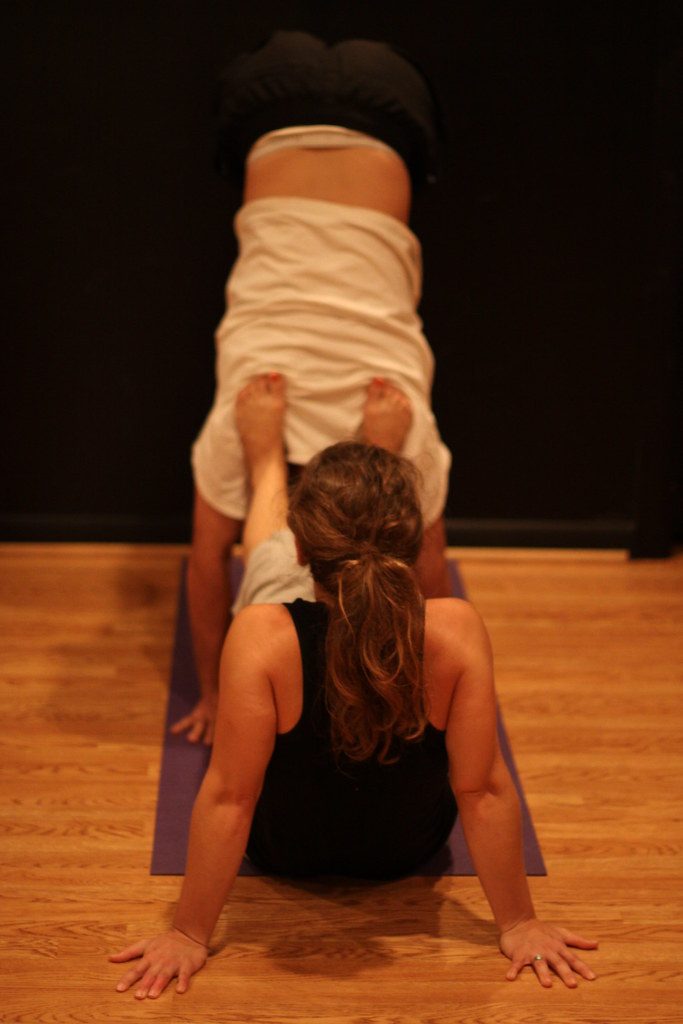
Start with how bone works, because it reframes the practice. Bone maintains and gains density in response to mechanical load, and the stimulus scales with how heavy and impactful that load is — weight-bearing impact and, above all, progressive resistance training are what drive density up. Yoga does load you: standing poses, arm balances and chaturanga volume put real bodyweight stress through the wrists, shoulders and spine, and that's not nothing. But it's relatively light, it doesn't progressively increase the way adding weight to a barbell does, and much of a practice is held isometrics and floor work rather than high-impact or heavy loading.
So the honest verdict is that yoga supports general musculoskeletal health and balance — which matters for fall prevention and therefore indirectly for fractures — but on its own it isn't the maximal bone-building stimulus. Resistance training combined with adequate nutrition is the core, evidence-backed strategy for building and preserving bone density, studied specifically for that purpose in at-risk groups. The fix isn't to abandon yoga; it's to add progressive loading alongside it — some resistance training, and ideally a little weight-bearing impact — so your week actually contains the stimulus bone needs. Think of yoga as your mobility, control and balance work, and add the heavy, progressive loading that yoga, by its nature, doesn't supply.
2. Sun Salutations Aren't Sun Exposure
Now the source myth. The main natural source of vitamin D is UVB sunlight on bare skin — and a sun salutation, despite the name, involves no sun at all when you flow through it on a studio mat. The sequence honors the sun symbolically; it doesn't expose your skin to UVB. Many dedicated yogis practice indoors, early, fasted — a routine that's beautiful for the mind and useless for vitamin D synthesis. Even outdoor practice is an unreliable source, because how much vitamin D skin makes swings enormously with latitude, season, time of day, skin tone and sunscreen; above roughly 35 degrees latitude, winter sun makes essentially none.
There's a real trade-off lurking here too. Deliberately chasing sun exposure for vitamin D raises skin-cancer risk, which is why dermatology guidance generally favors diet and supplements over UV. So the practice that grounds your day doesn't double as your vitamin D source, and you shouldn't treat it as one. This isn't a knock on yoga — it's just separating two things the shared name blurs. Your vitamin D needs to come from food (fatty fish if you eat it, fortified plant milks, cereals and juice, UV-exposed mushrooms) and, where a test shows a gap, a supplement — not from the symbolic sun of your morning sequence.
3. Test-Don't-Guess: A Yogi's Vitamin D and Loading Plan
Replace assumption with a number. Get a 25-hydroxyvitamin D (25-OH-D) blood test: deficiency is generally under ~20 ng/mL (50 nmol/L), and the bone-health target is around 30+ ng/mL (75 nmol/L). If you're low — and indoor, dawn, fasted practitioners at northern latitudes often are — vitamin D3 with a meal containing some fat corrects it. Recheck about three months in. Use D3 over D2, since it raises and holds your level more reliably, and if you keep an ayurvedic or herbal-leaning supplement shelf, this is one place where a simple, tested D3 earns its spot over a botanical.
| Element | Yoga-practitioner target | Note |
|---|---|---|
| 25-OH-D test | Aim ~30 ng/mL; deficient under ~20 | Test before dosing; recheck ~3 months later |
| Vitamin D3 maintenance | ~600-800 IU/day | With a meal that has some fat — not on an empty stomach |
| Vitamin D3 repletion | ~1000-2000 IU/day if tested low | Clinician may run a short higher course |
| Upper limit | ~4000 IU/day | Don't self-prescribe above this |
| Calcium | ~1000 mg/day, food-first | Dairy or fortified plant milk, greens, tofu, almonds |
| Resistance + impact loading | The bone stimulus yoga is light on | 2-3 sessions weekly alongside practice |
A note for fasted practitioners: vitamin D is fat-soluble and absorbs best with food, so take it with a meal rather than during a fasted morning flow. And skip megadosing — vitamin D accumulates because it's fat-soluble, the adult upper limit is around 4000 IU/day, and past replete it adds no bone benefit while risking high blood calcium. The bottom table row is the real bone-builder; the capsule just supplies materials.
4. Bridging Yoga With Evidence Without Losing the Culture
You can hold both things at once: a practice you love, and the evidence on what bone actually needs. The throughline is that vitamin D is permissive — it lets your gut absorb calcium (roughly 30-40% efficiency when replete, dropping to about 10-15% when deficient) and keeps your body from leaching calcium out of bone — but dense bone needs the full trio of vitamin D, calcium and loading. Yoga gives you control, balance and light loading; pairing it with a couple of progressive resistance sessions and adequate calcium (around 1000 mg/day, food-first) completes the picture. Adding strength work won't make you rigid or bulky; it makes the hypermobile ranges you already own more stable and your bones more resilient.
A few honest, yoga-specific flags. Flexibility isn't the same as resilience — long isometric holds and chaturanga volume load wrists and shoulders, and stability work protects them better than more stretch. Hot-yoga classes can cost 1-2 litres of sweat, so hydration and electrolytes are a real safety matter on those days, separate from vitamin D. And if you tend to practice fasted and eat lightly for tradition, watch that you're fueling enough overall, because chronic under-eating harms bone regardless of vitamin D — no capsule offsets an energy deficit. Keep the culture, add the loading and the tested supplement, and your practice and your skeleton both come out ahead.
Yoga Practitioners' Vitamin D & Bone Questions
Doesn't a daily yoga practice keep my bones strong on its own?
It helps, but not maximally. Yoga is mostly light, low-impact, non-progressive loading — great for strength, balance and fall prevention, which indirectly protects against fractures, but not the heavy, progressive stimulus that builds bone density best. Resistance training is the core evidence-backed bone-builder. So keep your practice for what it does well and add a couple of progressive strength sessions, plus a little weight-bearing impact, to supply the loading yoga is light on. Pair that with adequate vitamin D and calcium, and your bones are genuinely covered.
Do sun salutations give me vitamin D?
No — that's a common mix-up from the name. A sun salutation honors the sun symbolically; it isn't sun exposure, and indoors it produces no vitamin D at all. Even outdoor practice is an unreliable source, since synthesis depends on latitude, season, time of day and skin tone, and winter sun above ~35 degrees makes essentially none. Your vitamin D should come from food and, if a test shows a gap, a supplement — not your morning sequence. Chasing sun deliberately also raises skin-cancer risk, so diet and supplements are the safer route.
Does this fit a fasted morning practice?
The supplement does, with one tweak: take vitamin D with food, not during your fasted flow. It's fat-soluble and absorbs best with a meal containing some fat, so attach it to your first proper meal of the day rather than swallowing it on an empty stomach at dawn. Timing within the day doesn't matter otherwise — it sets a blood level over weeks. So keep your fasted practice as is, and simply dose vitamin D with breakfast or lunch. The loading and calcium that build bone fit around your practice the same way.
Is a vitamin D supplement compatible with an ayurvedic or sattvic approach?
It can sit alongside one comfortably. Vitamin D is an essential nutrient your body needs regardless of dietary philosophy, and correcting a genuine deficiency — confirmed by a 25-OH-D test — supports bone and muscle. A simple, third-party-tested D3 is a clean, minimal addition rather than a synthetic excess, and it fills a gap that food and indoor practice often leave. The honest point is that no botanical on a herbal shelf reliably replaces it. Test first, supplement only to correct a real gap, and keep the dose modest — that fits a measured, mindful approach well.
Disclaimer: This article is for educational purposes only and is not medical advice. Consult a qualified healthcare professional before starting any supplement, nutrition, or training protocol — especially if you are pregnant or breastfeeding, under 18, taking medication, or managing a health condition.
Scientific References & Clinical Sources
- Chilibeck PD, et al. Effects of Creatine and Resistance Training on Bone Health in Postmenopausal Women. Med Sci Sports Exerc, 2015. PMID: 25386713
- Candow DG, et al. Effectiveness of Creatine Supplementation on Aging Muscle and Bone: Focus on Falls Prevention and Inflammation. J Clin Med, 2019. PMID: 31308760
- Smith-Ryan AE, et al. Creatine supplementation in women's health: a lifespan perspective. Nutrients, 2021. PMID: 33800439
Set your targets with the free calorie and macro calculator, then build a day of meals with the meal plan generator.

