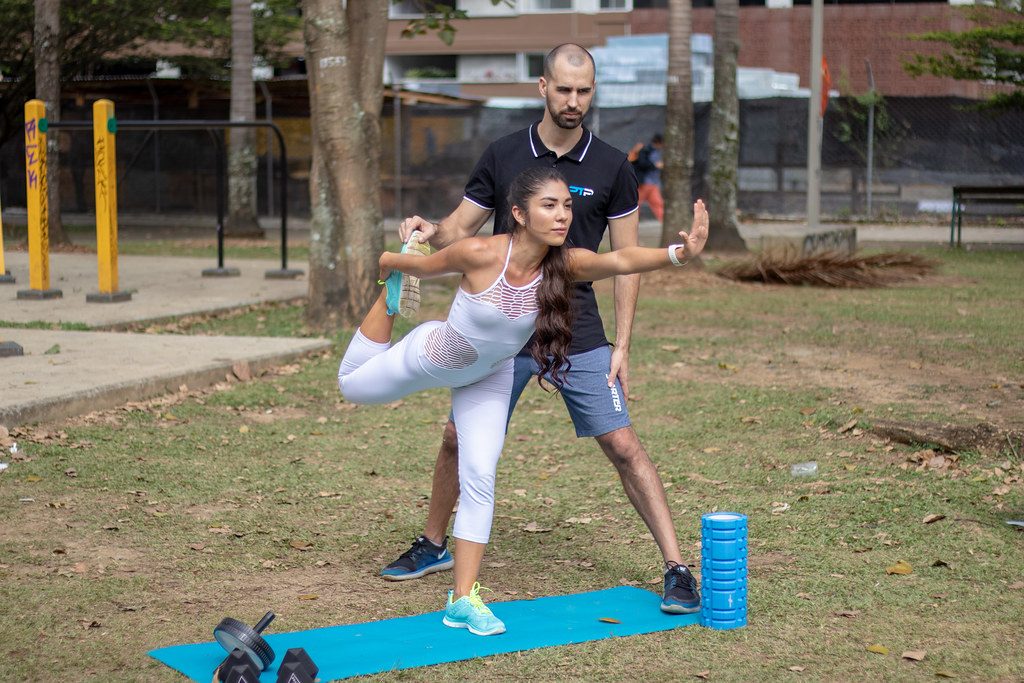
💡 Key Takeaways
- More passive stretching is not the fix — usable range comes from strength through that range, so pair gentle yoga with full-range strength.
- Connective tissue adapts slower than muscle at your age, which is why a sudden flexibility push can aggravate joints; ramp over weeks, not days.
- Spend 10-15 minutes most days on your two or three actual limiters (often hips, mid-back, shoulders) rather than one long weekend stretch.
- Skip long static holds right before training — use dynamic moves to warm up and save longer stretches for after or a separate session.
Here is the belief that trips up almost everyone restarting in their 40s: 'I'm just tight, so I need to stretch more.' You touch your toes a few times, hold a stretch until it burns, and expect the stiffness to melt away. It doesn't — or it does for an hour and comes right back. So you conclude you're too far gone, or that your body is just stiff now.
That myth deserves to die, because it sends you toward the least effective version of the right idea. Passive stretching alone barely moves the needle on the range you can actually use, and chasing it hard can irritate the joints that already nag you. The real lever is different and more interesting.
What follows separates the stretching myths from what genuinely improves how you move at 40-plus: a short, frequent routine built around your specific stiff spots, why your joints complain before your muscles do, and how to add range without getting hurt in week one.
1. Myth: 'I Just Need to Stretch More'
Start by separating three things people lump together. Flexibility is passive range — how far a muscle lets a joint be moved when something else does the pushing. Mobility is active range with control — how far you can move the joint yourself and hold it steadily. Stability is the ability to keep a joint steady against load. Stretching trains mostly the first one. Daily life and pain-free training need the second and third.
That is why 'stretch more' underdelivers. Passive stretching can make a joint able to be moved farther, but if you have no strength or control at that new range, your body treats it as unsafe and quietly guards it. Worse, much of the quick gain from a stretch is not your muscle getting longer — it is your nervous system temporarily tolerating more sensation, which fades within minutes to hours. Muscles do not stretch out like taffy. So the program that works is not more stretching; it is building strength and control through the ranges you want, with stretching as a way to access them, not the whole plan.
2. Why Your Joints Hurt Before Your Muscles Do
This is the most common 40-something complaint, and it is not in your head. After about 40, your muscles still respond fairly quickly to training, but your tendons, ligaments, and joint surfaces adapt more slowly. Add years of desk-driven stiffness — short hip flexors, a locked-up mid-back, rounded-forward shoulders — and you have tissue that is stiff in the wrong places and slow to remodel. So when you suddenly demand a deep stretch or a new range, the muscle is happy to comply while the connective tissue around the joint is the part that complains.
The takeaway is not to stop — it is to ramp. Introduce new range gradually and load it gently, giving connective tissue the weeks it needs to catch up to your enthusiasm. This is also why soreness is a poor progress gauge for you: chasing a brutal stretch every session is how you turn a stiff hip into an inflamed one. Think of your first month as teaching your joints to trust new positions under light control, not as proving how far you can force them.
3. The Routine That Actually Works After 40
The evidence-based structure is little-and-often, aimed at your real limiters. Most returning-to-fitness 40-somethings are restricted at the hips (from sitting), the thoracic spine (mid-back), and the shoulders, with stiff ankles hiding behind a shallow squat. Pick your two or three worst and work them most days for 10-15 minutes, mixing active range drills with light strength through that range. Keep every rep at a controlled, breathable effort — no forcing into pain.
| Drill | Joint / limiter | Dose |
|---|---|---|
| Half-kneeling hip flexor lunge | Hip extension — undoing sitting | 30-45 sec each side, gentle |
| Open-book rotation | Thoracic spine — rotation | 6-8 each side |
| Wall slides / overhead reach | Shoulders — overhead range | 2 sets of 8-10 |
| Goblet squat hold (light) | Hips and ankles — usable depth | 20-30 sec, 2-3 rounds |
| Knee-to-wall ankle drill | Ankle dorsiflexion | 8-10 each side |
| Shoulder CARs (slow circles) | Shoulder control | 3-5 each direction per arm |
Realistically you train 3-4 days a week with 30-45 minute windows, so fold this in as a warm-up and add a short standalone session on off days. Expect to feel looser within a session and to see durable change over a few weeks of consistency — not overnight.
4. Stretch to Access, Strengthen to Own It
Here is the principle that turns range into something useful and lasting: build strength through the range, do not just stretch into it. Once a gentle stretch shows you a position is available, the job is to make that position strong and controllable. Loaded stretching — holding a stretch under light tension or load — teaches your nervous system to produce force at long muscle lengths. End-range holds and full-range strength work cement the range so your body stops guarding it.
For you this is practical, not exotic. A full-depth goblet squat trains hip and ankle range under load. A Romanian deadlift through a full hamstring range builds usable length there. Pressing a light weight overhead through complete, pain-free range is shoulder mobility work. None of this requires heavy lifting at the start — it requires moving through full ranges with control, regularly. This also happens to fit your bigger goal of keeping muscle while losing fat, since full-range strength work does double duty. The mental model is simple: stretch to find the door, strengthen to walk through it and keep it open.
5. Timing, Honest Expectations, and Safety
Two timing rules save you grief. First, do not do long static stretches right before you train hard — prolonged passive holds (roughly a minute or more per muscle) can briefly dull strength and power, and the effect grows with longer holds. Warm up instead with dynamic moves: leg swings, lunges with a reach, hip and shoulder circles, easy squats. Save the longer holds for after training or a separate session, when blunting force does not matter and you are already warm. Brief holds under about 30 seconds in a warm-up are fine.
Second, set honest expectations. A single session loosens you for minutes to hours; lasting change accrues over weeks to months of near-daily work, slower if you have been sedentary for years. There is no quick fix, and deep party-trick flexibility is partly down to your individual anatomy. On safety: if you have been inactive for a long time or take medication, get a basic medical check before ramping up. A normal stretch feeling is fine; sharp, joint-line, or radiating pain means stop and, if it lingers, see a professional. Start gradual, stay consistent, and let your slower-adapting joints set the pace.
Over-40 Beginner Questions About Mobility
Is it too late to see real results starting in my 40s?
Not at all. Range of motion, mobility, and strength through range all improve with consistent practice well beyond your 40s — you just progress a bit slower than a 25-year-old because connective tissue adapts more gradually. Work your specific limiters 10-15 minutes most days and add full-range strength, and you will feel looser within a session and see lasting change over a few weeks to a couple of months. The slower timeline is normal, not a sign it is not working.
Why do my joints hurt more than my muscles when I stretch?
Because after 40 your muscles adapt faster than your tendons, ligaments, and joint surfaces, and years of sitting leave those tissues stiff and slow to remodel. When you suddenly demand a deep range, the muscle complies while the connective tissue around the joint protests. The fix is to ramp new range gradually and load it gently rather than forcing it. Sharp or joint-line pain, as opposed to a normal stretch feeling, is a signal to back off.
How do I start without getting injured?
Pick two or three actual limiters, work them 10-15 minutes most days at a controlled, breathable effort, and add range gradually so your slower-adapting joints keep pace. Warm up with dynamic moves rather than long static holds before training. Treat soreness as feedback, not a goal — chasing a brutal stretch every day is the fastest route to an irritated joint. If you have been sedentary for years or take medication, get a quick medical check first.
Do I need different numbers than a 25-year-old?
Same drills, gentler ramp. The exercises that build usable mobility are the same at any age, but your connective tissue needs more time, so you progress new range over weeks rather than days and avoid aggressive flexibility pushes. Keep doses moderate — 10-15 minutes most days, controlled holds, no forcing — and lean harder on strength through range than a younger trainee might. The biggest difference is patience with the timeline, not a totally different program.
Disclaimer: This article is for educational purposes only and is not medical advice. Consult a qualified healthcare professional before starting any supplement, nutrition, or training protocol — especially if you are pregnant or breastfeeding, under 18, taking medication, or managing a health condition.
Scientific References & Clinical Sources
- Dupuy O, et al. An Evidence-Based Approach for Choosing Post-exercise Recovery Techniques to Reduce Markers of Muscle Damage, Soreness, Fatigue, and Inflammation: A Systematic Review With Meta-Analysis. Front Physiol, 2018. PMID: 29755363

