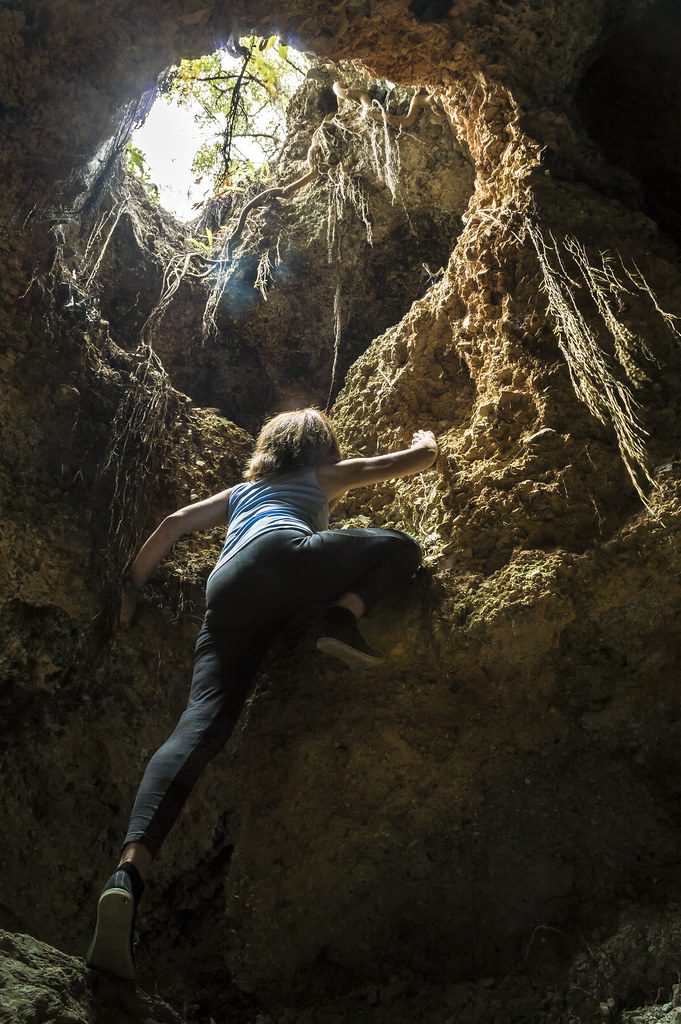
💡 Key Takeaways
- Expect controllable range, not party-trick flexibility: hip external rotation for high steps and drop-knees, plus controlled shoulder range overhead, develop over weeks of daily work.
- Warm up with dynamic drills before climbing; long static holds right before hard sends can briefly dull the force and tension you need on the wall.
- Mobility opens a position; strength at end range lets you hold it - a high step you can't load is useless. Train active control, not just passive stretch.
- Climbers are often already mobile, especially in the shoulders - chasing more passive range can aggravate joints. Antagonist and tendon work matters more than extra stretching.
Here's what mobility work will and won't change for you on the wall. Over a few weeks of daily targeted drills, expect concrete things you can feel: a higher, more controlled high step, an easier drop-knee, a deeper hip turn into the wall, and overhead reaches that don't pinch. What you won't get is a meaningful change from chasing extreme flexibility - and for a climber, more passive range you can't control is often worse than useless. The metric that matters is range you can produce and hold under tension, not how far someone could push your leg.
Timing-wise, a single session loosens you for minutes to hours; lasting range accrues over weeks to months of consistent work.
So this is a precision and control plan, not a flexibility chase: open and strengthen the hip and shoulder ranges climbing actually demands, respect that your sport already makes you mobile, and protect the slow-adapting tendons that decide your climbing future. Numbers, protocol, mechanism and cautions below.
1. What to Expect on the Wall: High Steps, Drop-Knees, Reaches
Map range to movement. The high step and drop-knee live on hip external rotation and active hip flexion - you need to lift the foot high and turn the knee out, then pull yourself onto it. Deep flag and stem positions want adductor range and hip control. Overhead reaches and lock-offs need shoulder range and, crucially, the strength to control the shoulder at end range. These are the positions worth training; touching your toes isn't one of them.
Pin down the words, because they decide your approach. Flexibility is passive range - how far a limb can be pushed when you relax. Mobility is active range you generate and own. Stability is resisting motion you don't want. On the wall, a high step you can be pushed into but can't actively lift into and load is worthless - you can't stand up on it. The gap between how far you can be pushed and how high you can actively lift is missing end-range strength, and that's exactly what climbing mobility should target.
So judge progress by active control: can you actively lift the foot to the hold and stand up on it, can you lock off overhead with the shoulder controlled. Those translate to grades. Passive bendiness does not - plenty of climbers can be folded into impressive positions on the floor yet still can't generate the active, loaded hip turn a real high step demands on steep terrain.
2. A Climber's Mobility Protocol: Hips, Shoulders, Antagonists
Little-and-often beats marathon stretching - short daily doses on your real limiters build and keep usable range. Run the dynamic column to warm up before climbing; run the loaded/control column as separate work, where building strength at end range is the goal.
| Area | Drill | Dose | What it unlocks |
|---|---|---|---|
| Hip | 90/90 rotations + active hip CARs | 6/side + 3/side | External rotation for high steps |
| Hip | Cossack squat + active high-step holds | 2 x 5/side + 2 x 5/side | Loaded end-range, drop-knee strength |
| Shoulder | Shoulder CARs + controlled band pass-through | 3/side + 2 x 8 | Controlled overhead range |
| Shoulder | Scapular pull-ups + external-rotation work | 2 x 8 + 2 x 12 | End-range control, antagonist balance |
| Wrist/elbow | Wrist CARs + light antagonist extensor work | 30-45 sec + 2 x 15 | Tendon balance, elbow health |
| Pre-climb | Dynamic warm-up: leg swings, arm circles, easy traverses | 8-10 min | Prime ranges, no force cost |
The high-step holds and Cossacks aren't passive stretches - you produce force at long lengths, turning a borrowed range into one you can stand up on. The scapular and external-rotation work is antagonist balance: climbers pull constantly, so building the controlled, opposing strength protects shoulders and elbows more than any amount of stretching.
3. Why Climbers Need Strength at End Range, Not More Stretch
The mechanism is the whole argument. Passive stretching can increase how far a joint can be moved, but range without strength or control at that end position isn't usable and isn't protective - and the body guards ranges it can't control. For climbing, that's decisive: a hip you can passively splay but can't actively lift into and load gives you nothing on a high step. Training that loads the muscle at long lengths and builds active end-range control both expands and cements usable range, and beats passive stretching for active range.
This is sharper for climbers than most athletes because of the shoulder. The shoulder is already a highly mobile, stability-sacrificing joint, and climbers load it hard overhead - so aggressively chasing more passive shoulder range can aggravate an already mobile, vulnerable joint. The priority is strengthened, controlled range plus antagonist work, not yanking into more looseness.
Set the timeline honestly. Much of the immediate range after stretching is increased stretch tolerance, not muscle lengthening; lasting active range takes weeks to months because you're building control too. There's no overnight fix, and deep flexibility is partly capped by your anatomy. The honest model: stretch to access a position, then strengthen so you can climb in it.
4. The Weight Question, Tendons and Honest Cautions
The question every climber asks: will this hurt my grade by adding weight? No. Yoga and mobility drills add essentially no body mass - this is range and control work, not a muscle-building stimulus. There's nothing here to worry about for strength-to-weight. The real weight trap in climbing is the opposite: chasing lightness into chronic under-fuelling, which wrecks recovery, tendon health and the very strength you're trying to keep light. Fuel adequately; mobility won't change the scale.
On recovery, be measured. Light mobility and easy yoga feel good and ease stiffness, but the honest evidence shows stretching-type recovery methods have small, inconsistent effects on soreness and fatigue. Use it to feel looser and calmer, not as a recovery accelerator between projecting days - that's about sleep, fuel and managing finger load.
Tendons get the last and most important word. Finger flexor tendons and pulleys adapt far slower than muscle, so they're the long-term limiter, and mobility work doesn't fix or stretch them. Don't yank tweaky shoulders or fingers into more range. Sharp, joint-line or radiating pain - distinct from a normal stretch sensation - plus any pulley or tendon injury are stop-and-assess, see-a-professional territory, not a cue to stretch harder. Protect the slow-adapting tissues and progress patiently.
Rock Climbers' Mobility Questions
Will yoga or mobility work hurt my climbing grade by adding weight?
No. Yoga and mobility drills add essentially no body mass - they're range and control work, not a muscle-building stimulus, so there's nothing here to harm your strength-to-weight. If anything, controllable hip and shoulder range helps you reach and hold positions more efficiently. The genuine weight risk in climbing runs the other way: chasing lightness into chronic under-fuelling, which damages recovery and tendons. Keep the mobility, fuel properly, and the scale won't move from this.
Does mobility work help my tendons and pulleys, or just muscle?
Mostly muscle and joint control - not the tendons directly. Finger flexor tendons and pulleys adapt far more slowly than muscle and are your long-term limiter, and stretching doesn't fix or lengthen them. Tendon health comes from patient, progressive loading and avoiding maximal finger work year-round, plus antagonist balance for elbows. Use mobility for hip and shoulder range and control; protect tendons through smart loading and rest. And never stretch a tweaky pulley into more range - that's a stop-and-assess injury.
Should I do mobility work during projecting season?
Yes, but keep it light and well-timed. During hard projecting, use a thorough dynamic warm-up before sessions to open hips and shoulders without dulling output, and keep longer static holds and developmental range work for rest days or after climbing. Don't add fatiguing new mobility volume mid-project, and don't chase more passive shoulder range when you're loading it hard - that can aggravate it. Light, controlled, well-placed mobility supports projecting; an ambitious new stretching block in season doesn't.
Is mobility worth it for a sport where lighter is better?
Yes, because the value isn't weight - it's positions you can hold. Controllable hip external rotation lets you actually stand up on high steps and drop-knees; controlled shoulder range lets you lock off overhead safely. That's grade-relevant and adds no mass. Just aim it correctly: train active, loaded range, not passive bendiness, and respect that climbers are often already mobile in the shoulders. Skip the flexibility chase, build range you can climb in, and keep fuelling adequately.
Disclaimer: This article is for educational purposes only and is not medical advice. Consult a qualified healthcare professional before starting any supplement, nutrition, or training protocol — especially if you are pregnant or breastfeeding, under 18, taking medication, or managing a health condition.
Scientific References & Clinical Sources
- Dupuy O, et al. An Evidence-Based Approach for Choosing Post-exercise Recovery Techniques to Reduce Markers of Muscle Damage, Soreness, Fatigue, and Inflammation: A Systematic Review With Meta-Analysis. Front Physiol, 2018. PMID: 29755363
Want a plan built around your training history? UltraFit360's free AI workout planner creates and adjusts programs for you.

