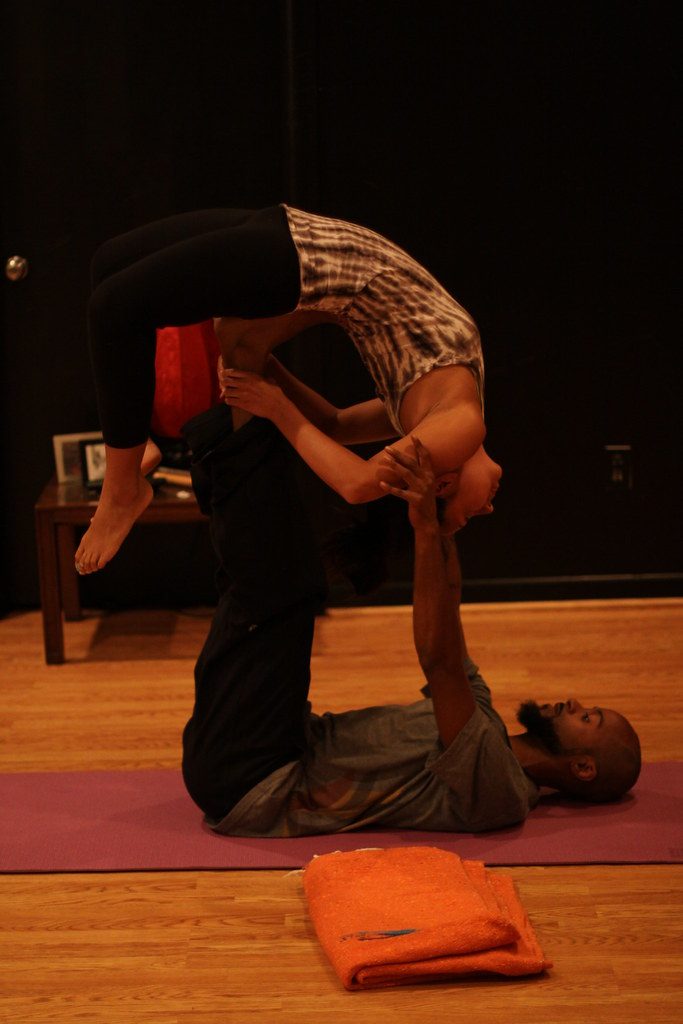
💡 Key Takeaways
- Myth: 'my practice is my cardio.' Even flowing vinyasa rarely holds a steady aerobic effort long enough to build a cardiovascular base — the heart rate sawtooths up and down.
- Walking is the most yogic fix: 30-45 minutes at a conversational pace, roughly 110-128 bpm for a 35-year-old, slots beside practice without disrupting it.
- Zone 2 builds the heart, vessels and mitochondria that breath-led isometric work doesn't — and higher cardiorespiratory fitness strongly tracks with a longer life.
- Hot-yoga days lose 1-2L of sweat; replace fluids and electrolytes before adding any extra cardio, and never chase aerobic volume in a dehydrated, fasted state.
'My practice is my cardio' is the line nearly every dedicated yogi believes, and it's the one worth examining honestly. A strong vinyasa or ashtanga practice is demanding, sweaty and humbling — so it feels like it must be training your heart the way running would. It mostly isn't, and that gap has nothing to do with how hard you work on the mat.
Zone 2 aerobic base training is steady, continuous, conversational effort at roughly 60-70% of max heart rate — the intensity where your cardiovascular and aerobic systems remodel. Practice, even fast practice, almost never sustains that. It spikes and recovers, spikes and recovers, loading muscles and joints isometrically while your heart rate sawtooths instead of settling into the steady state that builds a base.
This isn't a knock on yoga. It's pointing at the one piece breath-led movement leaves on the table — and showing how a few easy walks a week complete the picture without asking you to abandon anything about your practice.
1. The Myth: 'My Practice Is My Cardio'
Here's why the belief feels true and still misses. Yoga is hard, you sweat, your heart rate climbs in a tough flow — so the conclusion that it must be cardio is reasonable on the surface. But cardiovascular base-building depends on time spent at a steady aerobic effort, and a practice is structured to do almost the opposite: a challenging pose or transition lifts your heart rate, then a hold, a breath cue or a slower sequence drops it again.
That sawtooth never parks you in the zone where the relevant adaptations happen. Strength, mobility, breath control and body awareness all develop beautifully on the mat — but the heart, blood vessels and oxygen-processing machinery that define aerobic fitness need sustained, continuous easy work, which most practice simply doesn't deliver. Recognizing that isn't dismissing yoga; it's being precise about what it trains and what it doesn't, so you can stop assuming a missing system is covered.
2. What Breath-Led Movement Doesn't Build
Consider what your practice actually loads. Long isometric holds and high chaturanga volume build pressing strength and joint control; deep ranges build flexibility. What none of that builds is a deep aerobic base — the denser mitochondria, higher oxidative enzyme activity and richer capillary network that come specifically from sustained low-intensity volume. That machinery is the foundation of endurance capacity, and it responds to easy continuous effort, not to held poses.
The stakes go beyond performance. Cardiorespiratory fitness is one of the strongest predictors of long-term health and survival, and even modest amounts of easy walking and running lower cardiovascular risk. So the missing piece isn't a vanity metric — it's the system most tied to how long and how well you live. A flexible, strong yogi with an untrained aerobic base has built a genuinely impressive body around a gap worth closing. The good news is the fix is gentle, low-risk and fits the contemplative spirit of practice better than you'd expect.
3. Walking Is the Yogic Cardio Fix
You don't need to take up running to build a base — walking, done at a true zone 2 effort, is enough, and it suits a yogi's temperament. A brisk 30-45 minute walk where you can speak full sentences but not sing is steady, meditative, low-impact and easy to fold around practice. It asks nothing of the wrists and shoulders your mat already loads, and it leaves your nervous system calmer rather than more frazzled.
It also fits a fasted-morning tradition gracefully. A short, easy walk before food, or a stroll after a gentle morning practice, builds aerobic fitness without a heavy pre-session meal — and if you want a simple structure for morning movement and fueling, our breakdown of the 30-30-30 morning routine offers one. Think in 'practice weeks': on heavy practice days a walk is optional or short, while quieter days carry the longer walks. The aim is steady easy minutes across the week, not turning every day into a workout. For the heart-health rationale behind it, see our guide to zone 2 and heart health.
4. Your Plan: Walking Plus Practice Weeks
Numbers use a 35-year-old example: estimated max HR about 183, so zone 2 lands near 110-128 bpm. Anchor on the talk test rather than a watch — formulas miss individuals by 10-12 beats, and pacing by breath suits a yogi anyway. Build duration before pace; the easy feel is the whole point.
| Day type | Activity | Zone 2 dose | Effort anchor (35yo) | Notes |
|---|---|---|---|---|
| Heavy practice day | Vinyasa / ashtanga + optional walk | 0-15 min easy walk | RPE 3-4, full sentences | Practice isn't zone 2 — add a short walk if fresh |
| Light / restorative day | Brisk walk | 30-45 min | 110-128 bpm, conversational | The main base-building session of the week |
| Hot-yoga day | Hot class | Skip extra cardio or 10 min easy | Easy only | Rehydrate and replace electrolytes first |
| Across the week | 3-4 walks total | ~120-180 easy minutes | Steady, never gasping | Aim for most weekly aerobic minutes genuinely easy |
Expect the pace to feel slow at first — that's correct, not a sign to speed up. Recheck how you feel at the same talk-test effort every few weeks; covering more ground at the same easy breathing is direct evidence your base is deepening.
5. Hot Yoga, Hydration, and Fasted Mornings
Hydration is the safety center here, especially if you practice hot. A single hot class can cost 1-2 litres of sweat, and stacking a fasted morning walk on top of an already dehydrated, depleted state is how a manageable session turns into a dizzy, depleted one. The rule is simple: replace fluids and electrolytes after hot practice before you add any cardio, and don't chain a hard hot class to extra aerobic work in the same depleted window.
Two more notes for the yogic body. If you practice fasted by tradition, a short easy walk is fine on an empty stomach, but longer or warmer sessions go better with something light beforehand — listen to energy, not dogma. And remember that flexibility isn't resilience: hypermobile joints need stability and strength work, not more passive range, and your aerobic walks won't fix a hyperextending elbow or knee. Build the missing cardiovascular base, hydrate honestly, and let strength work guard the joints your deep ranges expose.
What Yogis Ask About Zone 2
Doesn't a strong vinyasa or ashtanga practice already count as cardio?
It feels like it should, but mostly no. Even fast practice spikes and drops your heart rate rather than holding a steady aerobic effort, so it builds strength, mobility and breath control more than a cardiovascular base. The base needs sustained, continuous easy work — the kind a 30-45 minute walk delivers and a flow doesn't. You don't have to choose: keep practicing and add a few easy walks to cover the piece practice leaves out.
Does zone 2 fit a fasted morning practice?
Yes, gently. A short, easy walk before food works fine on an empty stomach and suits a fasted-morning tradition — the effort is low enough that you're burning mostly fat anyway. Longer or hot sessions go better with something light beforehand, so judge by energy rather than rule. After a fasted hot class, prioritize fluids and electrolytes before any extra cardio; that's where fasted-plus-dehydrated combinations get risky.
Will easy cardio interfere with my flexibility or my practice?
No. Walking at an easy effort is low-impact and recovery-friendly — it won't tighten you up or compete with your practice the way hard running might. If anything it improves recovery between demanding sessions and the day-to-day energy you bring to the mat. Keep the walks genuinely easy and separate from your most intense practice days, and they complement your yoga rather than taking anything from it.
Is this compatible with an ayurvedic or sattvic approach?
Easy walking is about as gentle and grounding as movement gets, which sits comfortably with a calm, sattvic temperament — it's steady, breath-led and non-aggressive by nature. The only real consideration is fueling and hydration around hot or fasted sessions, which is practical rather than philosophical. Nothing about building an aerobic base requires abandoning your approach; it asks only that you honor hydration and listen to your body's energy honestly.
Disclaimer: This article is for educational purposes only and is not medical advice. Consult a qualified healthcare professional before starting any supplement, nutrition, or training protocol — especially if you are pregnant or breastfeeding, under 18, taking medication, or managing a health condition.
Scientific References & Clinical Sources
- San-Millán I, Brooks GA. Assessment of Metabolic Flexibility by Means of Measuring Blood Lactate, Fat, and Carbohydrate Oxidation Responses to Exercise in Professional Endurance Athletes and Less-Fit Individuals. Sports Med, 2018. PMID: 28623613
- Joyner MJ, Coyle EF. Endurance exercise performance: the physiology of champions. J Physiol, 2008. PMID: 17901124
- Williams PT, Thompson PD. Relationship of walking and running LISS to cardiovascular risk factors. Arterioscler Thromb Vasc Biol, 2013. PMID: 23559628
- Lee DC, et al. Leisure-time running reduces all-cause and cardiovascular mortality risk. J Am Coll Cardiol, 2014. PMID: 25082581
- Mandsager K, et al. Association of Cardiorespiratory Fitness With Long-term Mortality Among Adults Undergoing Exercise Treadmill Testing. JAMA Netw Open, 2018. PMID: 30646252
Want a plan built around your training history? UltraFit360's free AI workout planner creates and adjusts programs for you.

