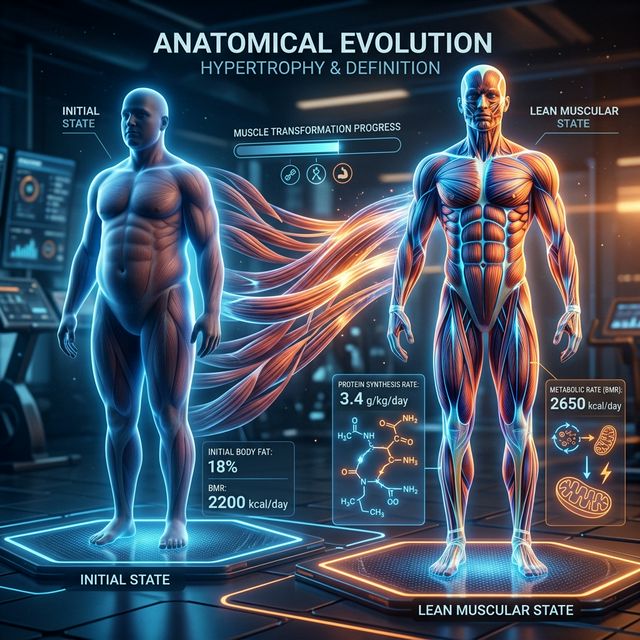
In the high-speed world of 2026, we’ve been conditioned to want results yesterday. We see advertisements for "10kg in 10 days" and "rapid detoxes" that promise a complete body overhaul in the time it takes to ship a package. But as we enter a more sophisticated era of fitness—one led by data, digital twins, and AI-driven insights—the conversation is shifting. We are moving away from the "weight loss at any cost" mentality and toward a more intelligent, sustainable goal: Muscle Preservation.
Dropping scale weight too fast isn't just unsustainable; it's often destructive. When the numbers on the scale plummet overnight, you aren't just losing fat. You are likely sacrificing the very engine of your metabolism: your lean muscle tissue. This leads to what's often referred to as the "hollowed-out" look, a sluggish metabolism, and a high risk of rebounding. Today, we’re diving into why muscle preservation is the gold standard for 2026 and how you can achieve permanent results without the metabolic crash.
The Biological Trap: Why Muscle is Easier to Lose Than Fat
To understand why muscle preservation is so critical, we have to look at how the human body evolved. For thousands of years, our ancestors faced periods of famine. To survive, the body developed a highly efficient mechanism for energy conservation. Muscle is "expensive" tissue—it requires a significant amount of energy (calories) just to maintain. Fat, on the other hand, is stored energy meant for emergencies.
When you enter a severe calorie deficit, your body perceives a "famine" state. In its quest for survival, it often decides to discard the expensive muscle tissue before tapping into the stubborn fat reserves. If you aren't giving your body a reason to keep that muscle (through resistance training) and the raw materials to repair it (protein), it will cannibalize your muscles to bridge the energy gap. This is the fundamental reason why rapid weight loss often results in a "skinnier but softer" version of yourself.
The "Hollowed-Out" Look vs. The Lean Physique
We’ve all seen it: the result of a crash diet. The person has lost weight, but they look tired, their skin lacks vibrancy, and their physique lacks definition. This "hollowed-out" look is a direct consequence of losing significant lean mass. Muscle provides the structural scaffolding for your body. Without it, even at a lower weight, you won't have the "toned" or "athletic" appearance most people are actually chasing.
The Metabolic Cost: Why Speed Kills Progress
Your Basal Metabolic Rate (BMR) is the number of calories your body burns at rest. Muscle mass is the primary driver of BMR. Every pound of muscle you lose lowers your daily calorie burning potential. This is how the "yo-yo dieting" cycle begins.
When you lose 5kg of weight through extreme restriction, and 2kg of that is muscle, your metabolism slows down significantly. Once you return to "normal" eating, your new, slower metabolism can't handle the same amount of food it used to. You gain the fat back faster than before, but you don't gain the muscle back automatically. Now you're at your original weight but with even less muscle and more fat. This metabolic crash is the hidden cost of "quick fixes."
The 2026 Standard: A Three-Pillar Approach
In the UltraFit360 ecosystem, we advocate for a slower, smarter approach. We focus on three specific pillars to ensure that every gram lost is fat, while your hard-earned muscle stays exactly where it belongs.
1. Prioritize Protein (The Raw Material)
Protein is the most important macronutrient for muscle preservation. In a deficit, your body is looking for amino acids to support vital functions. If you don't provide enough through your diet, it will take them from your muscle tissue. Aim for at least 1.6g to 2.2g of protein per kilogram of body weight. Using tools like the UltraFit360 app to track your daily intake ensures you’re never falling into the danger zone.
2. Stimulate Through Resistance (The Reason)
You must give your body a reason to keep its muscle. Lifting weights or performing high-intensity bodyweight exercises sends a signal to your nervous system: "We need this muscle to handle this load." Even in a calorie deficit, consistent resistance training preserves lean mass by stimulating muscle protein synthesis. You don't need to spend hours in the gym; focusing on progressive overload and compound movements is the most efficient path.
3. Aim for Sustainable Milestones
The sweet spot for sustainable weight loss is roughly 0.5% to 1% of your body weight per week. This slow pace allows your hormones to stay balanced, your energy to remain high, and your muscle mass to be preserved. Learn more about yours targets in ours macro tracking guide for fat loss.
2026 Science: Protein Sparing & Myostatin
In 2026, we’ve debunked the "zero-carb" fat loss myth. Carbohydrates provide a **Protein Sparing Action**—when you have adequate glucose, yours body doesn't need to break down muscle for fuel. Proper carb-cycling is yours best defense against muscle loss. Additionally, consistent mechanical loading through progressive overload helps modulate myostatin (a protein that inhibits muscle growth), keeping yours anabolic signal strong even while cutting.
FFMI: The Real Success Metric
Forget the scale. In 2026, we track your Fat-Free Mass Index (FFMI). FFMI accounts for yours muscle mass relative to yours height. If yours FFMI is staying stable while yours weight drops, you are winning the war on body recomposition. This is the heart of ours advanced fitness metrics guide.
| Feature | Rapid Weight Loss (Crash) | Sustainable Muscle Preservation |
|---|---|---|
| Primary Loss | Muscle + Water + Fat | Primarily Fat |
| Metabolism | Significant Crash | Maintained or Improved |
| Aesthetic | "Hollowed-out" or "Skinny-Fat" | Athletic, Toned, Vital |
| Sustainability | Low (High Rebound Risk) | High (Permanent Lifestyle Change) |
| Energy Levels | Lethargic, Brain Fog | High, Consistent Performance |
Practical Tips for Your Muscle-First Journey
- Don't slash calories too deep: A moderate deficit of 300-500 calories below maintenance is usually enough.
- Monitor your strength: If your lifts are plummeting, your deficit might be too aggressive.
- Use AI Tracking: Sync yours data with ours fitness assessment tools to see real-time recovery scores.
- Focus on Fiber: High-fiber foods keep you full, preventing the hunger-driven binges that sabotage long-term plans.
The Roadmap to 87.5kg: A Realistic Success Story
Imagine a user, "Alex," who starts at 95kg. Instead of trying to lose 10kg in a month, Alex uses the UltraFit360 dashboard to set a target of 0.5kg per week. By prioritizing protein at every meal and hitting the gym three times a week for heavy compound lifts, Alex sees the scale move slowly. However, in the mirror, the changes are dramatic. After 15 weeks, Alex hits 87.5kg. Because he preserved his muscle, his body fat percentage dropped from 25% to 15%. His metabolism is still firing, his clothes fit better than ever, and most importantly, he has the energy to maintain his new lifestyle indefinitely.
Conclusion: Play the Long Game
Muscle preservation is not just a fitness trend; it's a fundamental shift in how we approach health. By respecting your body’s biology and using the advanced tracking tools available today, you can avoid the "hollowed-out" trap and build a body that looks as good as it feels. Remember, the goal of 2026 isn't just to weigh less—it's to be more. More energetic, more resilient, and more confident in a body that’s built to last.
Don't Lose Your Hard-Earned Muscle
Track your protein, monitor your recovery, and let our AI agents guide your sustainable fat loss journey.