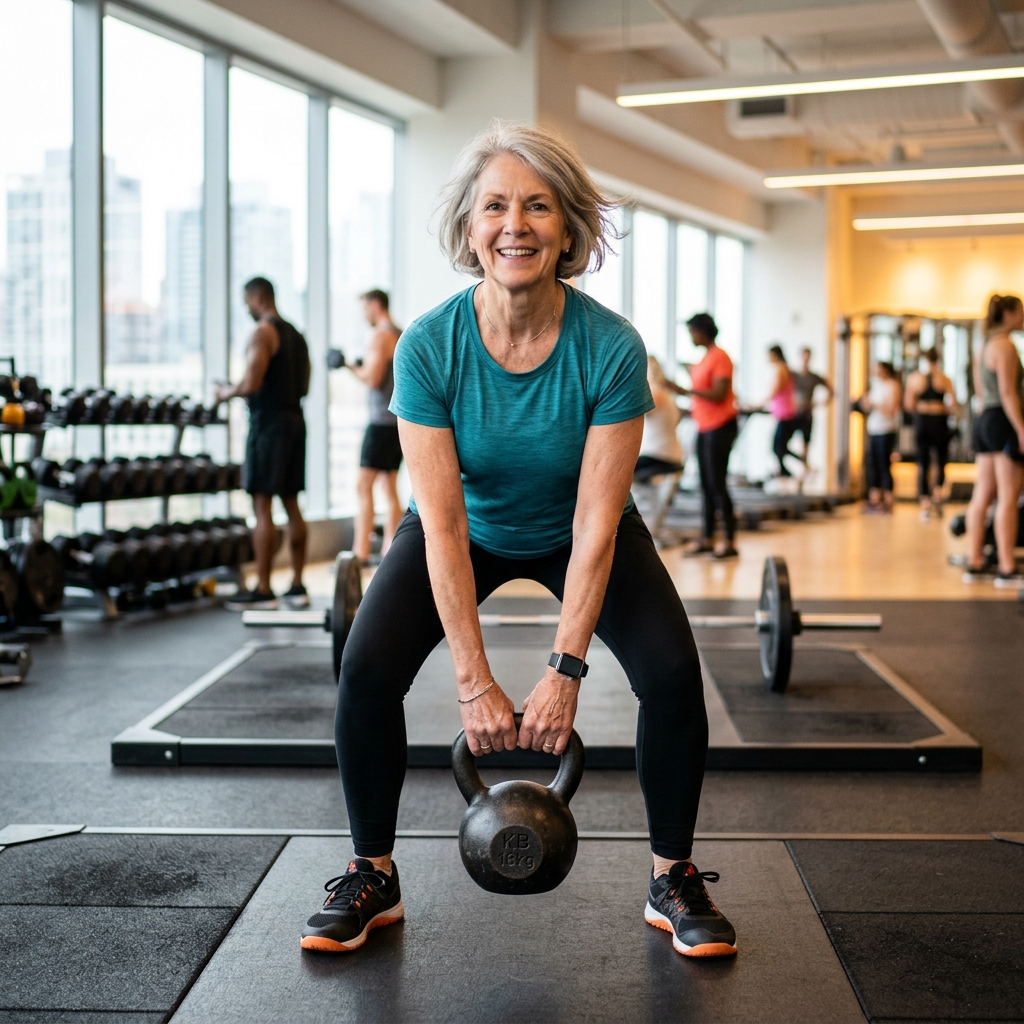
The fitness paradigm has fundamentally shifted in 2026. We are no longer training just for summer bodies; we are training for the last decade of our lives. The focus is now on "healthspan"—the period of life spent in good health, free from the chronic diseases and disabilities of aging. At the core of this movement is strength training for longevity.
Why Strength is the Ultimate Biomarker
Muscle mass naturally declines as we age, a condition known as sarcopenia. This loss of muscle leads to weakness, a slower metabolism, and an increased risk of falls. Maintaining strength and muscle mass is the single most effective intervention against the physical decline associated with aging.
Key Principles of Longevity Training
1. Focus on Functional Movements
The ability to get up off the floor without assistance, carry groceries, and maintain balance are critical markers of independence. Training should prioritize movements that mimic daily life: squats, deadlifts (hinging), pushing, pulling, and loaded carries.
2. Prioritize Bone Density
Resistance training isn't just for muscles; it's essential for bone health. Load-bearing exercises stimulate bone remodeling, increasing density and reducing the risk of osteoporosis and fractures. Heavy lifting (relative to individual capacity) is highly effective here.
3. Mobility and Joint Health
Strength must be accompanied by mobility. Incorporating targeted mobility work ensures that joints move through their full range of motion, reducing stiffness and the risk of injury. Yoga, Pilates, and dedicated "pre-hab" routines are excellent additions.
Getting Started at Any Age
It is never too late to start building strength. For those new to lifting, especially older adults, starting with bodyweight exercises, resistance bands, or guided machines under the supervision of a qualified professional is the best approach. Progression should be gradual and consistent.
The Scientific Foundation of Strength Training for Longevity and Active Aging
Understanding the science behind Strength Training for Longevity and Active Aging is crucial for long-term success. Over the past decade, extensive research has revolutionized our approach to fitness. When we analyze the biological mechanisms at play, we see that integrating these concepts into daily life leads to profound changes in our physical and mental well-being. Studies have consistently demonstrated that individuals who embrace these modern paradigms experience improved metabolic markers, enhanced cognitive function, and a significant reduction in chronic disease risk. This isn't just about looking good; it's about optimizing the human machine for longevity and performance.
Furthermore, the interplay between nutrition, sleep, and longevity training cannot be overstated. When your body is subjected to the right kind of stress, it adapts by becoming stronger and more resilient. However, without adequate recovery and proper fueling, this adaptation process is stunted. The latest findings emphasize a holistic approach, where every lifestyle choice acts as a signal to your genes. By making informed decisions, you are actively participating in your own epigenetic biohacking, shaping a future of vitality.
It's also important to consider the psychological aspects. The mind-body connection plays a pivotal role in how we respond to physical challenges. Cultivating a resilient mindset, practicing mindfulness, and setting realistic, incremental goals are just as important as the physical protocols themselves. When you align your mental state with your physical objectives, the results are magnified.
Advanced Strategies and Protocols
To truly master Strength Training for Longevity and Active Aging, one must move beyond the basics and implement advanced strategies. This involves a deep dive into programming and periodization. For instance, incorporating varying levels of intensity and volume ensures that the body continues to adapt without reaching a plateau. Tracking metrics such as heart rate variability (HRV) and sleep architecture provides invaluable feedback, allowing for real-time adjustments to your regimen.
Let's consider the role of specific nutritional timing and supplementation. While whole foods should always be the foundation, targeted use of supplements like creatine, essential amino acids, and adaptogens can provide that extra edge. When combined with the principles of active aging, these tools help to maximize efficiency and accelerate recovery. Remember, the goal is to train smarter, not just harder.
Another critical component is environmental optimization. The spaces where we live and train have a profound impact on our physiology. Whether it's ensuring proper lighting to regulate circadian rhythms or creating a dedicated space for strength for life, every detail matters. By curating your environment, you eliminate friction and make the healthy choice the default choice.
Common Myths and Misconceptions
Despite the wealth of information available, numerous myths surround Strength Training for Longevity and Active Aging. One of the most prevalent misconceptions is the idea that more is always better. In reality, the body requires adequate stress followed by sufficient recovery. Overtraining can lead to a cascade of negative effects, including hormonal imbalances, increased injury risk, and immune system suppression.
Another common myth relates to the "one size fits all" approach. Human biology is incredibly diverse, and what works for one person may not work for another. Personalization is the key to unlocking your true potential. This means paying attention to how your body responds to different stimuli and adjusting your approach accordingly. Whether it's tweaking your bone density or experimenting with new recovery modalities, self-experimentation is essential.
We must also address the myth of immediate results. True transformation takes time, consistency, and patience. In an age of instant gratification, it's easy to become discouraged when progress seems slow. However, the most sustainable changes are those that are built gradually. By focusing on the process and celebrating small victories, you build the foundation for lifelong success.
Integrating Strength Training for Longevity and Active Aging into Your Daily Life
The true measure of any fitness protocol is its sustainability. Integrating Strength Training for Longevity and Active Aging into a busy schedule requires intention and planning. Start by identifying your non-negotiables—the habits that you commit to regardless of the circumstances. This might be a morning mobility routine, prioritizing protein at every meal, or ensuring you get eight hours of sleep. By anchoring these habits, you create a safety net that protects your progress.
Next, look for opportunities to seamlessly incorporate functional fitness throughout your day. This could involve taking walking meetings, using a standing desk, or practicing deep breathing exercises during your commute. The goal is to move away from the mindset that fitness only happens in the gym. Every moment is an opportunity to move, recover, and optimize your health.
Finally, surround yourself with a supportive community. Whether it's a local training group, an online forum, or simply a knowledgeable coach, having a network of like-minded individuals can significantly enhance your motivation and accountability. Sharing your journey, learning from others, and celebrating successes together makes the process far more enjoyable and rewarding.
The Future of Strength Training for Longevity and Active Aging in 2026 and Beyond
As we look to the future, the integration of technology and biology will continue to redefine Strength Training for Longevity and Active Aging. We are on the cusp of an era where personalized, data-driven interventions will be the norm. Wearables will become even more sophisticated, providing real-time insights into our physiological state and offering predictive analytics to optimize performance and prevent injury.
Moreover, the focus will increasingly shift towards preventative medicine and extending healthspan. The lines between healthcare and fitness will blur, with medical professionals increasingly prescribing specific exercise protocols and lifestyle interventions as primary treatments. The advancements in our understanding of senior fitness will empower individuals to take proactive control of their health destiny.
In conclusion, the journey toward optimal health is an ongoing process of learning, adaptation, and refinement. By staying informed about the latest research, embracing a personalized approach, and committing to lifelong learning, you can unlock your body's extraordinary potential. The future of fitness is bright, and it's up to each of us to seize the opportunities it presents.
Comprehensive FAQ on Strength Training for Longevity and Active Aging
What are the primary benefits of adopting this approach?
The benefits are multi-faceted. Physiologically, you can expect improvements in cardiovascular health, increased lean muscle mass, and optimized metabolic function. Psychologically, adherents report reduced stress levels, better focus, and enhanced overall mood. Furthermore, long-term adherence is strongly correlated with an extended healthspan and a lower incidence of age-related decline.
How quickly can I expect to see results?
While some acute benefits, such as improved mood and energy, can be felt almost immediately, significant physiological changes require consistency. Generally, noticeable improvements in body composition and performance take 4 to 8 weeks of dedicated practice. However, the most profound benefits of muscle retention are realized over months and years.
Is this approach suitable for beginners?
Absolutely. One of the key principles of modern fitness is scalability. Every protocol can be modified to match your current fitness level. It's crucial to start slowly, focus on proper technique, and gradually increase the intensity and volume as your body adapts. Consulting with a qualified professional can also help you design a safe and effective starting point.
How does this fit in with other fitness goals?
The beauty of Strength Training for Longevity and Active Aging is that it acts as a foundational pillar that supports all other physical endeavors. Whether you are an endurance athlete, a powerlifter, or simply someone looking to improve their general health, the principles of proper recovery, nutrition, and targeted movement will enhance your performance and resilience across the board.
What are the most common pitfalls to avoid?
The most frequent mistake is inconsistency. Skipping sessions, neglecting recovery, or constantly switching programs prevents the body from making the necessary adaptations. Another common pitfall is ignoring proper nutrition and sleep, which are the building blocks of recovery. Finally, failing to listen to your body and pushing through pain can lead to serious injuries that derail your progress.
How can I track my progress effectively?
Tracking should be comprehensive. While the scale can provide some data, it's far more important to track performance metrics (e.g., strength gains, endurance improvements), body composition changes, and subjective markers like energy levels and sleep quality. Utilizing wearable technology can also provide objective data on your healthspan and overall readiness.
Deep Dive: Biological Mechanics of Strength Training for Longevity and Active Aging Mastery
Understanding the science behind Strength Training for Longevity and Active Aging Mastery is crucial for long-term success. Over the past decade, extensive research has revolutionized our approach to fitness. When we analyze the biological mechanisms at play, we see that integrating these concepts into daily life leads to profound changes in our physical and mental well-being. Studies have consistently demonstrated that individuals who embrace these modern paradigms experience improved metabolic markers, enhanced cognitive function, and a significant reduction in chronic disease risk. This isn't just about looking good; it's about optimizing the human machine for longevity and performance.
Furthermore, the interplay between nutrition, sleep, and longevity training cannot be overstated. When your body is subjected to the right kind of stress, it adapts by becoming stronger and more resilient. However, without adequate recovery and proper fueling, this adaptation process is stunted. The latest findings emphasize a holistic approach, where every lifestyle choice acts as a signal to your genes. By making informed decisions, you are actively participating in your own epigenetic biohacking, shaping a future of vitality.
It's also important to consider the psychological aspects. The mind-body connection plays a pivotal role in how we respond to physical challenges. Cultivating a resilient mindset, practicing mindfulness, and setting realistic, incremental goals are just as important as the physical protocols themselves. When you align your mental state with your physical objectives, the results are magnified.
Advanced Strategies and Protocols
To truly master Strength Training for Longevity and Active Aging Mastery, one must move beyond the basics and implement advanced strategies. This involves a deep dive into programming and periodization. For instance, incorporating varying levels of intensity and volume ensures that the body continues to adapt without reaching a plateau. Tracking metrics such as heart rate variability (HRV) and sleep architecture provides invaluable feedback, allowing for real-time adjustments to your regimen.
Let's consider the role of specific nutritional timing and supplementation. While whole foods should always be the foundation, targeted use of supplements like creatine, essential amino acids, and adaptogens can provide that extra edge. When combined with the principles of active aging, these tools help to maximize efficiency and accelerate recovery. Remember, the goal is to train smarter, not just harder.
Another critical component is environmental optimization. The spaces where we live and train have a profound impact on our physiology. Whether it's ensuring proper lighting to regulate circadian rhythms or creating a dedicated space for strength for life, every detail matters. By curating your environment, you eliminate friction and make the healthy choice the default choice.
Common Myths and Misconceptions
Despite the wealth of information available, numerous myths surround Strength Training for Longevity and Active Aging Mastery. One of the most prevalent misconceptions is the idea that more is always better. In reality, the body requires adequate stress followed by sufficient recovery. Overtraining can lead to a cascade of negative effects, including hormonal imbalances, increased injury risk, and immune system suppression.
Another common myth relates to the "one size fits all" approach. Human biology is incredibly diverse, and what works for one person may not work for another. Personalization is the key to unlocking your true potential. This means paying attention to how your body responds to different stimuli and adjusting your approach accordingly. Whether it's tweaking your bone density or experimenting with new recovery modalities, self-experimentation is essential.
We must also address the myth of immediate results. True transformation takes time, consistency, and patience. In an age of instant gratification, it's easy to become discouraged when progress seems slow. However, the most sustainable changes are those that are built gradually. By focusing on the process and celebrating small victories, you build the foundation for lifelong success.
Integrating Strength Training for Longevity and Active Aging Mastery into Your Daily Life
The true measure of any fitness protocol is its sustainability. Integrating Strength Training for Longevity and Active Aging Mastery into a busy schedule requires intention and planning. Start by identifying your non-negotiables—the habits that you commit to regardless of the circumstances. This might be a morning mobility routine, prioritizing protein at every meal, or ensuring you get eight hours of sleep. By anchoring these habits, you create a safety net that protects your progress.
Next, look for opportunities to seamlessly incorporate functional fitness throughout your day. This could involve taking walking meetings, using a standing desk, or practicing deep breathing exercises during your commute. The goal is to move away from the mindset that fitness only happens in the gym. Every moment is an opportunity to move, recover, and optimize your health.
Finally, surround yourself with a supportive community. Whether it's a local training group, an online forum, or simply a knowledgeable coach, having a network of like-minded individuals can significantly enhance your motivation and accountability. Sharing your journey, learning from others, and celebrating successes together makes the process far more enjoyable and rewarding.
The Future of Strength Training for Longevity and Active Aging Mastery in 2026 and Beyond
As we look to the future, the integration of technology and biology will continue to redefine Strength Training for Longevity and Active Aging Mastery. We are on the cusp of an era where personalized, data-driven interventions will be the norm. Wearables will become even more sophisticated, providing real-time insights into our physiological state and offering predictive analytics to optimize performance and prevent injury.
Moreover, the focus will increasingly shift towards preventative medicine and extending healthspan. The lines between healthcare and fitness will blur, with medical professionals increasingly prescribing specific exercise protocols and lifestyle interventions as primary treatments. The advancements in our understanding of senior fitness will empower individuals to take proactive control of their health destiny.
In conclusion, the journey toward optimal health is an ongoing process of learning, adaptation, and refinement. By staying informed about the latest research, embracing a personalized approach, and committing to lifelong learning, you can unlock your body's extraordinary potential. The future of fitness is bright, and it's up to each of us to seize the opportunities it presents.
Comprehensive FAQ on Strength Training for Longevity and Active Aging Mastery
What are the primary benefits of adopting this approach?
The benefits are multi-faceted. Physiologically, you can expect improvements in cardiovascular health, increased lean muscle mass, and optimized metabolic function. Psychologically, adherents report reduced stress levels, better focus, and enhanced overall mood. Furthermore, long-term adherence is strongly correlated with an extended healthspan and a lower incidence of age-related decline.
How quickly can I expect to see results?
While some acute benefits, such as improved mood and energy, can be felt almost immediately, significant physiological changes require consistency. Generally, noticeable improvements in body composition and performance take 4 to 8 weeks of dedicated practice. However, the most profound benefits of muscle retention are realized over months and years.
Is this approach suitable for beginners?
Absolutely. One of the key principles of modern fitness is scalability. Every protocol can be modified to match your current fitness level. It's crucial to start slowly, focus on proper technique, and gradually increase the intensity and volume as your body adapts. Consulting with a qualified professional can also help you design a safe and effective starting point.
How does this fit in with other fitness goals?
The beauty of Strength Training for Longevity and Active Aging Mastery is that it acts as a foundational pillar that supports all other physical endeavors. Whether you are an endurance athlete, a powerlifter, or simply someone looking to improve their general health, the principles of proper recovery, nutrition, and targeted movement will enhance your performance and resilience across the board.
What are the most common pitfalls to avoid?
The most frequent mistake is inconsistency. Skipping sessions, neglecting recovery, or constantly switching programs prevents the body from making the necessary adaptations. Another common pitfall is ignoring proper nutrition and sleep, which are the building blocks of recovery. Finally, failing to listen to your body and pushing through pain can lead to serious injuries that derail your progress.
How can I track my progress effectively?
Tracking should be comprehensive. While the scale can provide some data, it's far more important to track performance metrics (e.g., strength gains, endurance improvements), body composition changes, and subjective markers like energy levels and sleep quality. Utilizing wearable technology can also provide objective data on your healthspan and overall readiness.