Testosterone levels in men have been declining at about 1% per year since the 1980s. While there's no single "magic food," strategic dietary choices can meaningfully support healthy testosterone production without the need for hormone therapy.
The Big 12
1. Eggs (Whole, With the Yolk)
The cholesterol in egg yolks is a direct precursor to testosterone. Studies show men who eat 3 whole eggs daily see significant increases in HDL cholesterol and testosterone compared to egg-white-only groups.
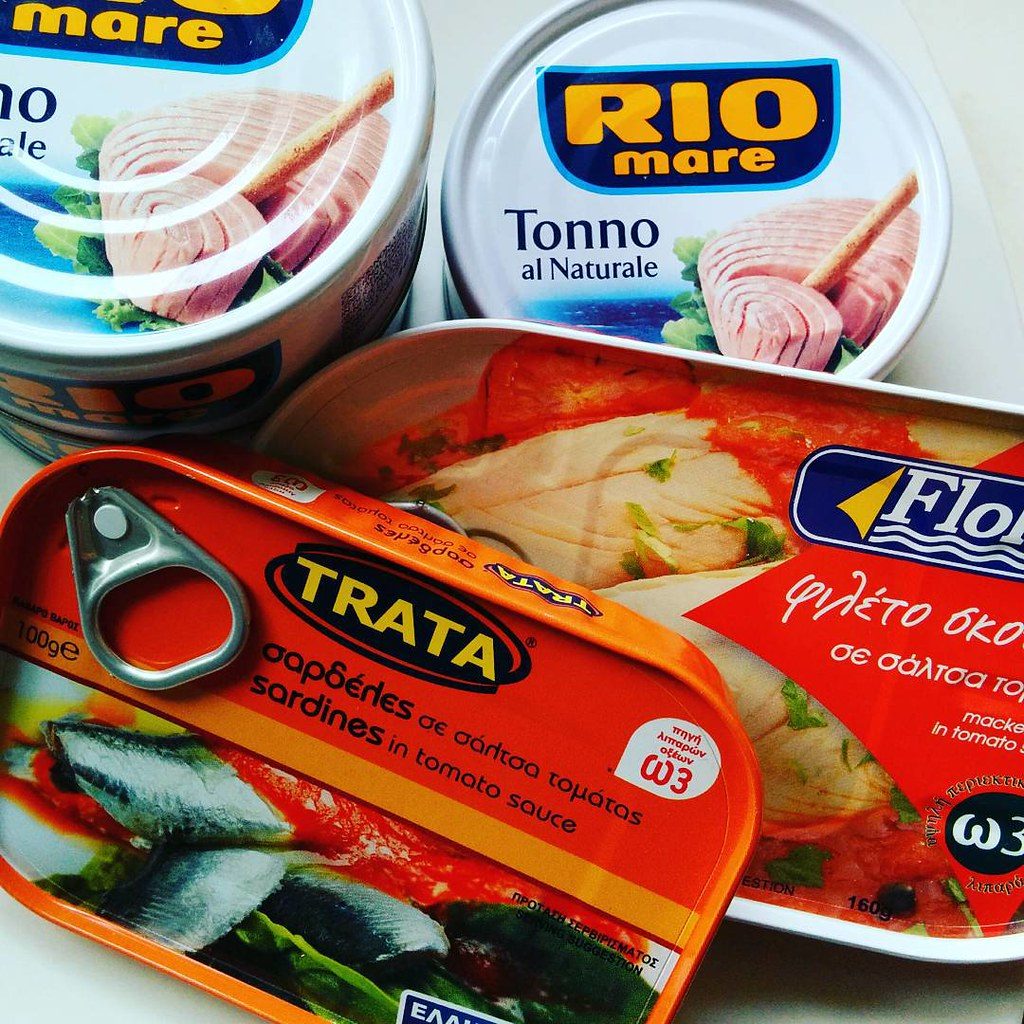
2. Fatty Fish (Salmon, Mackerel, Sardines)
Rich in omega-3 fatty acids and vitamin D — both positively correlated with testosterone levels. Aim for at least 2-3 servings per week.
3. Pomegranates
A 2012 study in the journal Endocrine Abstracts found daily pomegranate juice increased salivary testosterone by an average of 24% over two weeks.
4. Oysters (Zinc Overload)
The highest dietary source of zinc. Zinc is a direct modulator of the aromatase enzyme, which prevents testosterone from converting into estrogen. Just 6 oysters provide 300% of your daily zinc needs.
5. Brazil Nuts (The Selenium Secret)
Just one or two Brazil nuts a day provide your full RDI of selenium. Selenium is required for sperm quality and healthy testosterone production. In 2026, we view this as a "whole food supplement."
6. Ginger
Recent human studies suggest that daily ginger supplementation can increase testosterone levels by up to 17%. It appears to stimulate the Leydig cells in the testes to work more efficiently.
7. Leafy Greens (The Boron Effect)
Spinach and kale are rich in magnesium, but they also contain Boron. Boron is an often-overlooked mineral that can significantly increase "Free Testosterone" (the biologically active part) by reducing SHBG (Sex Hormone Binding Globulin).
Hormonal Biohacking: Beyond the Plate
The Truth About Xenoestrogens
In 2026, we’ve realized that what you *don't* eat is just as important. Xenoestrogens are chemicals in plastics (like BPA and Phthalates) that mimic estrogen in your body. Drinking from plastic bottles or heating food in plastic containers can cause a "hormonal drag" that no amount of salmon can counteract. Switch to glass and stainless steel.
What to Avoid
- Excessive alcohol — Even moderate drinking reduces LH (Leutinizing Hormone) release.
- Xenoestrogens — Endocrine disruptors found in pesticides and cheap plastic containers.
- Extreme Calorie Deficits — Eating too little for too long shuts down T-production to save energy.
- Trans fats & Seed Oils — Highly processed fats that promote systemic inflammation.
Conclusion
Nutrition is one pillar of testosterone optimization alongside sleep, exercise, and stress management. These 12 foods won't replace medical treatment for clinical hypogonadism, but they create the foundation for healthy hormone production.
Track Your Progress with AI
Ready to take your fitness to the next level? UltraFit360 uses AI to help you track nutrition, plan workouts, and monitor your transformation.
The Science and Strategy Behind Natural Testosterone Boost: 2026 Guide to Hormonal Optimization - UltraFit360
Understanding the deeper mechanics of this topic is essential for anyone looking to optimize their fitness journey in 2026. Recent advancements in exercise science and nutritional biology have shown that a holistic approach—balancing precise programming with adequate recovery—yields the most sustainable results. When we look closely at the physiological adaptations required for success, it becomes clear that consistency and data-driven adjustments are your best tools.
Furthermore, managing your metabolic health, sleep architecture, and daily stress levels plays a massive role in how your body responds to training. By treating your body as an integrated system, rather than isolated parts, you can unlock new levels of performance and longevity. This means paying attention to micronutrients, prioritizing joint mobility, and ensuring your nervous system has time to down-regulate after intense bouts of activity.
Common Myths and Misconceptions
The fitness industry is unfortunately filled with outdated advice. One of the biggest myths is that more is always better. In reality, the concept of Minimum Effective Dose (MED) is far more relevant. Training harder than your body can recover from leads to stagnation and injury. Another common misconception is the "one-size-fits-all" diet or workout plan. What works for a 20-year-old athlete will not work for a 50-year-old executive. Personalization, driven by tracking your unique data, is the only way forward.
Integrating These Concepts Daily
To make meaningful progress, you must seamlessly integrate these strategies into your daily routine. Start small. Focus on anchoring one new habit at a time, such as a 5-minute morning mobility flow or prioritizing protein at breakfast. Once that habit is automatic, layer the next one on top. Over months and years, these micro-habits compound into massive transformations. Remember, fitness is not a 12-week challenge; it is a lifelong pursuit of healthspan and vitality.
Frequently Asked Questions
How long does it take to see results?While neuro-muscular adaptations can happen within weeks, visible changes in body composition and significant improvements in cardiovascular capacity generally take 8 to 12 weeks of consistent effort.
Can I modify this for my fitness level?Absolutely. Every protocol should be scaled to match your current capabilities. The key is progressive overload—gradually increasing the challenge as your body adapts.
What is the most important factor for success?Consistency over perfection. Showing up and doing 80% of the work for a year will always beat doing 100% of the work for a month and then burning out. Focus on sustainability.