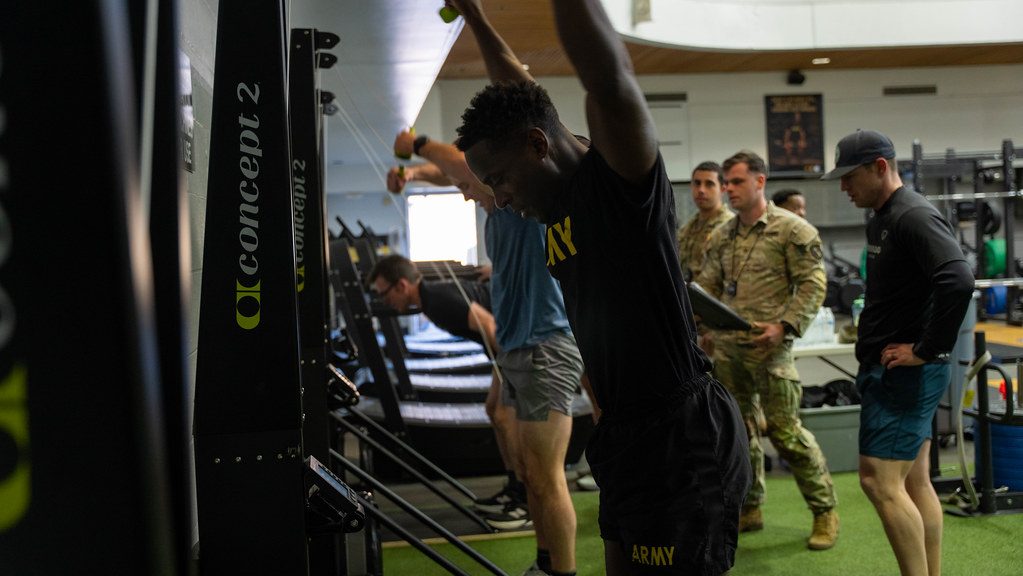
In 2026, fitness is no longer just about looking good in front of a mirror — it's about performance, community, and the thrill of competition. Enter Hyrox. Combining running with functional strength stations, Hyrox has exploded in popularity, growing its athlete base by over 360% in just two years. If you've been looking for a challenge that tests every dimension of your fitness, this is it.
What Is Hyrox?
Hyrox is billed as the "Fitness Competition for Every Body." Unlike traditional obstacle course races (OCRs) that might involve mud or complex climbing, Hyrox is 100% standardized. Every race, in every city, across the entire world, is the same:
- 1km Run
- Station 1: 1000m SkiErg
- 1km Run
- Station 2: 50m Sled Push
- 1km Run
- Station 3: 50m Sled Pull
- 1km Run
- Station 4: 80m Burpee Broad Jumps
- 1km Run
- Station 5: 1000m Rowing
- 1km Run
- Station 6: 200m Farmers Carry
- 1km Run
- Station 7: 100m Sandbag Lunges
- 1km Run
- Station 8: 75/100 Wall Balls
The Hyrox Philosophy: Strength Meets Stamina
The beauty of Hyrox lies in its balanced demand. You can't just be an elite runner, and you can't just be a powerlifter. To excel, you need to be a "hybrid athlete." This shift toward hybrid training is the dominant fitness trend of 2026, and Hyrox is the ultimate arena to prove your skills.
How to Train for Hyrox in 2026
1. Prioritize Running Efficiency
Over 50% of your time in a Hyrox race is spent running. If you want to finish strong, you must be comfortable running with "heavy legs" (the feeling after a sled push). Practice Zone 2 base runs for endurance and high-intensity intervals to improve your threshold.
2. Master the Sleds
The sled push and pull are where most athletes lose their momentum. Focus on leg drive and maintaining a low, stable center of gravity. Integrate sled work into your routine at least once a week to build the specific posterior chain strength required.
3. Functional Strength Stations
Stations like the Farmers Carry and Sandbag Lunges test your grip and lower-body endurance. Use Kettlebell Training to simulate these carries and lunges, as kettlebells provide the perfect unbalanced load for functional prep.
4. The "Wall Ball" Finisher
Every Hyrox ends with Wall Balls. This station is famous for breaking athletes right at the finish line. Train your squat-to-press coordination and mental toughness by putting wall balls at the end of every workout.
Sample 4-Week Hyrox Prep: Beginner Level
| Day | Activity |
|---|---|
| Monday | 45 min Zone 2 Run |
| Tuesday | Full Body Strength (Focus: Legs/Push) |
| Wednesday | Active Recovery (Yoga or Swimming) |
| Thursday | Running Intervals (4x800m Fast) |
| Friday | Station Simulation (SkiErg, Row, Burpees) |
| Saturday | Hyrox Simulation Workout (Run + Stations) |
| Sunday | Rest |
Conclusion: Join the Movement
Hyrox isn't just a race; it's a community. In 2026, finding a "tribe" is as important for mental health as the exercise itself is for physical health. Whether you're aiming for the elite podium or just want to finish your first race, Hyrox offers a clear, measurable goal to strive for.
The Science and Strategy Behind Hyrox Training Guide: Master the Obstacle Course Race of 2026
Understanding the deeper mechanics of this topic is essential for anyone looking to optimize their fitness journey in 2026. Recent advancements in exercise science and nutritional biology have shown that a holistic approach—balancing precise programming with adequate recovery—yields the most sustainable results. When we look closely at the physiological adaptations required for success, it becomes clear that consistency and data-driven adjustments are your best tools.
Furthermore, managing your metabolic health, sleep architecture, and daily stress levels plays a massive role in how your body responds to training. By treating your body as an integrated system, rather than isolated parts, you can unlock new levels of performance and longevity. This means paying attention to micronutrients, prioritizing joint mobility, and ensuring your nervous system has time to down-regulate after intense bouts of activity.
Common Myths and Misconceptions
The fitness industry is unfortunately filled with outdated advice. One of the biggest myths is that more is always better. In reality, the concept of Minimum Effective Dose (MED) is far more relevant. Training harder than your body can recover from leads to stagnation and injury. Another common misconception is the "one-size-fits-all" diet or workout plan. What works for a 20-year-old athlete will not work for a 50-year-old executive. Personalization, driven by tracking your unique data, is the only way forward.
Integrating These Concepts Daily
To make meaningful progress, you must seamlessly integrate these strategies into your daily routine. Start small. Focus on anchoring one new habit at a time, such as a 5-minute morning mobility flow or prioritizing protein at breakfast. Once that habit is automatic, layer the next one on top. Over months and years, these micro-habits compound into massive transformations. Remember, fitness is not a 12-week challenge; it is a lifelong pursuit of healthspan and vitality.
Frequently Asked Questions
How long does it take to see results?While neuro-muscular adaptations can happen within weeks, visible changes in body composition and significant improvements in cardiovascular capacity generally take 8 to 12 weeks of consistent effort.
Can I modify this for my fitness level?Absolutely. Every protocol should be scaled to match your current capabilities. The key is progressive overload—gradually increasing the challenge as your body adapts.
What is the most important factor for success?Consistency over perfection. Showing up and doing 80% of the work for a year will always beat doing 100% of the work for a month and then burning out. Focus on sustainability.