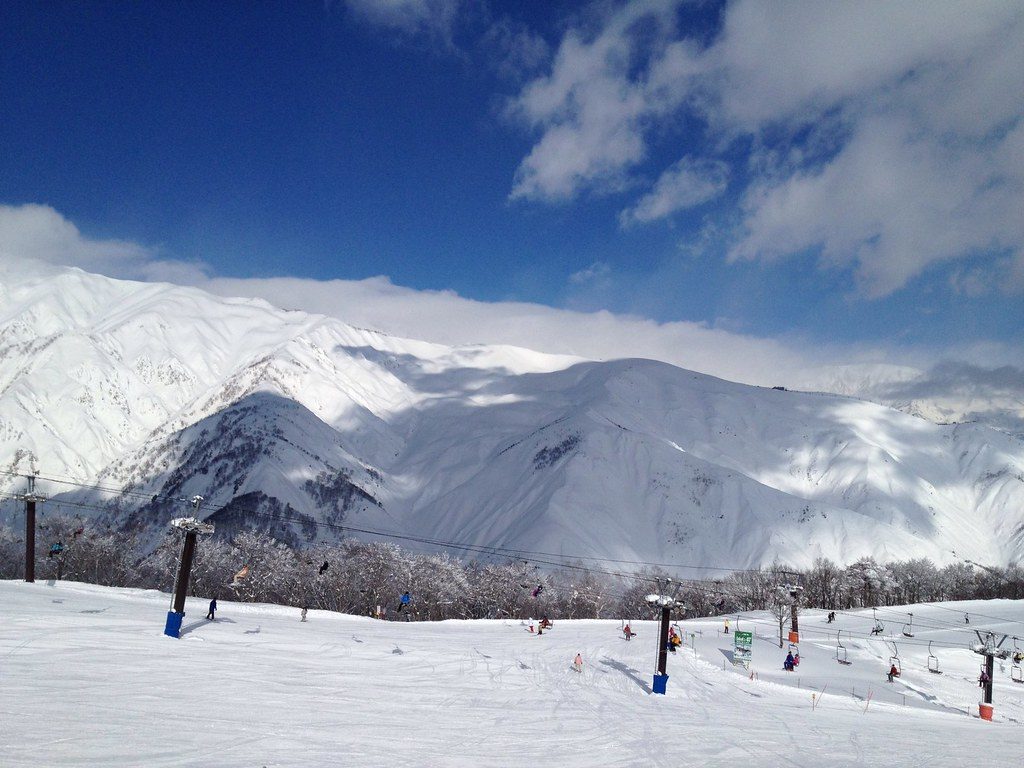
💡 Key Takeaways
- A red readiness score on day one at altitude is mostly the elevation, not a verdict on your fitness, expect HRV down and RHR up for the first days up high.
- Compare to your own baseline, not the device's population norms, and rebuild a fresh trend on multi-day trips rather than reacting to single readings.
- Severe early-season quad DOMS from eccentric load is normal; lean on RHR and sleep trends, not soreness, to decide if you ride hard or take an easy day.
- Après-ski alcohol is often the single biggest HRV suppressor, so a low next-morning number after drinks reflects the beer plus altitude, not your training.
There's a belief floating around every chairlift line: that a wearable's recovery score is useless at altitude because the numbers go haywire the moment you get off the gondola. Skiers see their readiness crash on day one of a trip, blame the device, and stop trusting it for the rest of the week. The myth is that altitude makes biometric tracking meaningless. The reality is narrower and more useful, altitude predictably moves the numbers, and once you know how, those same shifts become signal rather than noise.
Your sport is seasonal, high, and brutal on the quads. Long descent days hammer the legs with eccentric load, the thin dry air raises your fluid and iron demands and wrecks your sleep, and the cold blunts thirst while you lose water with every breath. All of that shows up in HRV, resting heart rate, and sleep, which is exactly why reading them correctly is worth the effort.
This page takes the altitude myth apart, then shows how to actually use recovery data across an off-season build and an in-season trip, including the après-ski trap that fools almost everyone.
1. The Myth: 'Altitude Breaks My Recovery Score, So Ignore It'
Start with what the score is built from. Readiness blends HRV, resting heart rate, sleep, and temperature into one proprietary number. HRV is the beat-to-beat variation between heartbeats and tracks your autonomic balance, higher usually means more rest-and-digest readiness, lower means your stress side is dominant. RHR a few beats above your personal baseline flags incomplete recovery or stress.
Now apply altitude. When you arrive up high, your body works harder at rest to move oxygen, so resting heart rate rises, HRV tends to drop, and sleep quality degrades in the thin air, especially the first nights. The device faithfully reports all three and shows a red score. It is not broken. It is correctly telling you that arriving at altitude is a physiological stressor your body hasn't adjusted to yet. The mistake is reading that as 'my fitness collapsed' rather than 'I'm at 2,500 metres and not acclimatized.'
So you don't ignore the score, you reinterpret it. On a trip, expect elevated RHR and a suppressed HRV for the first days, then watch whether they drift back toward your sea-level baseline as you adapt, or keep worsening. The direction of the trend across the trip is the real information; the alarming day-one absolute value mostly isn't.
2. Why Single Readings Lie and Trends Don't
Even at sea level, a single morning HRV reading is noisy, it swings with posture, breathing, hydration, and plain measurement error. Stack altitude on top and one-off readings become nearly useless for judgment. The fix is the same one endurance athletes use: track the 7-day rolling average and its direction, not any single number, and weigh the size of your normal day-to-day variation before you react.
For a ski trip that means building a fresh, short trip-trend rather than comparing this morning's altitude number to your flatland baseline and panicking. And it means standardizing the measurement so the trend is trustworthy: read on waking, same body position, before caffeine and before you stand up, or let a ring or chest strap log an overnight average, which cuts single-reading noise and survives early-start backcountry mornings better than a manual spot-check.
One more honest limit. Consumer devices show useful relative trends for you as an individual, not precise absolute values, and their sleep-stage breakdowns are rough estimates, not lab figures. So treat the week's direction and your own deviations as the signal, and don't agonize over whether last night was 18% or 22% deep sleep. The trend tells you what you need; the decimals don't.
3. Reading Eccentric-Quad Weeks On and Off the Mountain
Your two seasons need two readouts. The off-season build runs roughly May to November at home, where biometrics work cleanly. The in-season block is weekend volume with travel and altitude, where you reinterpret. The table maps both.
| Phase | Typical state | HRV/RHR pattern | Recovery call |
|---|---|---|---|
| Off-season strength (home) | Eccentric leg work, sea level | Stable baseline; dips track hard sessions | Standard autoregulation, deload when trend slides 7+ days |
| Trip day 1-2 (arrival) | Acclimatizing, big descents | RHR up ~5-10 bpm, HRV suppressed from altitude | Expected; pace the first days, don't read as overtraining |
| Trip mid-week | Severe quad DOMS, adapting | Trend stabilizing toward your altitude baseline | Use RHR/sleep, not soreness, to set the day's intensity |
| Trip after a big après night | Alcohol plus altitude | HRV sharply down, RHR up next morning | That's the alcohol, take an easier day, hydrate |
| Worsening multi-day trend | RHR climbing, HRV falling, sleep poor | Not adapting, possibly illness brewing | Back off, hydrate, consider rest or descent |
Note the soreness column. Early-season eccentric quad load produces savage DOMS, but HRV reflects autonomic balance, not muscle damage directly, so don't expect your recovery score to mirror how wrecked your legs feel. Let RHR, sleep, and the readiness trend, plus how the legs actually move, jointly call whether you charge a powder day or ski mellow groomers.
4. The Après-Ski and Cold-Air Traps
Two confounders will mislead you on a ski trip more than your training ever does. The first is alcohol. Après-ski drinks land on top of altitude dehydration, and alcohol is frequently the single biggest acute HRV suppressor there is. So the dismal number you see the morning after a big night is the beer and the elevation, not a sign your skiing broke you. Read it as such: take an easier day, prioritize water, and don't deload your whole trip over a hangover the device politely labeled 'low recovery.'
The second is hydration in the cold. The cold blunts your thirst while you lose significant water with every breath in dry mountain air, so you arrive at the morning reading dehydrated without feeling it, and dehydration alone suppresses HRV and nudges RHR up. Drinking deliberately, not on thirst, keeps your numbers honest and your legs working.
Now the safety line that overrides the gadget. Altitude illness is medical, not a recovery-tracking problem. If a worsening multi-day pattern, sharply rising RHR, falling HRV, climbing overnight respiratory rate, shows up alongside headache, breathlessness, persistent fatigue, chest symptoms, or you simply feel ill at elevation, that is stop-and-seek-review territory, possibly descend, not a deload to train through. Wearable data is a screening prompt, never a diagnosis, and the alcohol-plus-altitude-plus-dehydration combination is exactly where people get this wrong.
5. Your Season-Long Recovery-Tracking Plan
Tie the off-season and the trips together:
- In the off-season at home, autoregulate normally, push hard on green-trend days, deload when the 7-day HRV trend slides for a week against a rising RHR.
- On trips, expect day-one altitude to suppress HRV and lift RHR; build a fresh trip-trend and watch its direction rather than reacting to the alarming arrival number.
- Standardize readings on waking or use an overnight average, and judge the rolling trend, never a single noisy value.
- Use RHR, sleep, and readiness, not quad soreness, to set daily intensity, since HRV tracks autonomic balance, not muscle damage.
- Treat a bad post-après number as the alcohol and altitude, hydrate deliberately against cold-blunted thirst, and treat any worsening multi-day pattern with altitude-illness symptoms as a medical stop, not a deload.
Read this way, your wearable stops being the thing that 'breaks at altitude' and becomes the tool that tells you when day one's red is just the mountain and when it's a real reason to back off. The numbers don't lie up high; they just need a skier who knows what altitude does to them.
🔗 Keep Reading on UltraFit360:
Mountain-and-Altitude Recovery Questions
Does altitude really change my HRV and recovery score?
Yes, substantially, and predictably. Arriving up high makes your body work harder at rest, so resting heart rate rises, HRV drops, and sleep quality dips for the first nights. Your readiness score will read low, but that reflects un-acclimatized altitude stress, not a fitness collapse. Don't ignore the score, reinterpret it: expect the day-one dip and watch whether the trend recovers toward your baseline across the trip.
Why am I destroyed after day one on snow every year?
Long descents load your quads eccentrically, which causes severe early-season DOMS before your legs adapt. Your recovery score won't fully mirror that soreness, because HRV reflects autonomic balance, not muscle damage directly. So use RHR, sleep, and the readiness trend to decide whether to charge or ski easy, and accept that brutal day-one legs are normal until a few off-season eccentric sessions prepare them.
Should I deload my whole ski trip because my numbers look bad?
Usually no. Day-one-to-two lows are altitude adjusting, and a bad morning after après-ski drinks is the alcohol plus dehydration, not training fatigue. Take that single day easier and hydrate. Only treat a trend that keeps worsening across several days, rising RHR, falling HRV, poor sleep, as a real back-off signal, and if it comes with altitude-illness symptoms, that's medical and may mean descending, not deloading.
Can I maintain training during a 5-day-a-week ski season?
Yes, if you let the trend pick intensity. On green-trend days schedule your hardest gym or on-snow efforts; on suppressed-trend days swap to easy aerobic or mobility rather than skipping movement. Build a fresh trip baseline at altitude instead of comparing to sea level, hydrate deliberately against cold-blunted thirst, and protect sleep, which the thin air degrades. The trend, not any single reading, keeps you progressing.
Disclaimer: This article is for educational purposes only and is not medical advice. Consult a qualified healthcare professional before starting any supplement, nutrition, or training protocol — especially if you are pregnant or breastfeeding, under 18, taking medication, or managing a health condition.
Scientific References & Clinical Sources
- Plews DJ, et al. Training adaptation and heart rate variability in elite endurance athletes: opening the door to effective monitoring. Sports Med, 2013. PMID: 23852425
- Kiviniemi AM, et al. Daily exercise prescription on the basis of HR variability among men and women. Int J Sports Med, 2007. PMID: 17345075
- Peake JM, et al. A Critical Review of Consumer Wearables, Mobile Applications, and Equipment for Providing Biofeedback, Monitoring Stress, and Sleep in Physically Active Populations. Front Physiol, 2018. PMID: 30002629
- Thun E, et al. Sleep, circadian rhythms, and athletic performance. Sleep Med Rev, 2015. PMID: 25553531
- Düking P, et al. Criterion-Validity of Commercially Available Physical Activity Tracker to Estimate Step Count, Covered Distance and Energy Expenditure during Sports Conditions. Front Physiol, 2017. PMID: 29018355