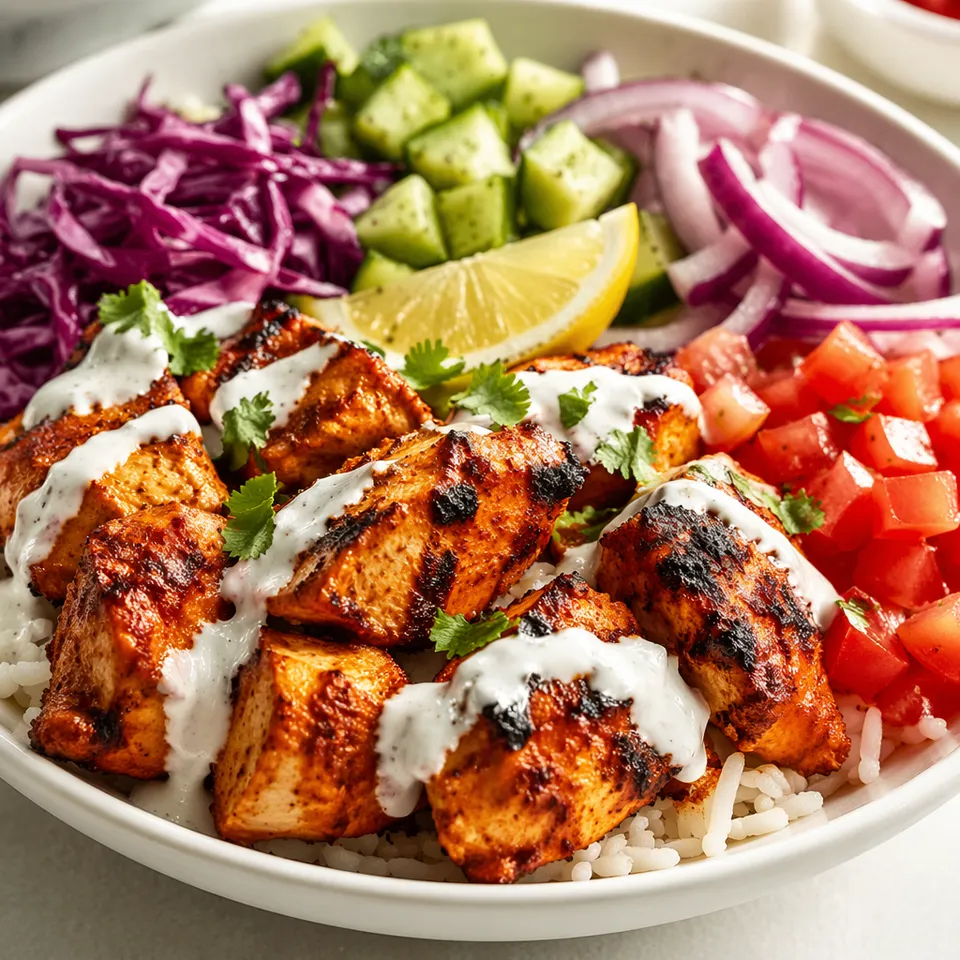
💡 Quick Answer
Skinless chicken breast has about 22.5 g protein and 120 kcal per 100 g raw, and about 31 g protein and 165 kcal per 100 g cooked. Cooking only removes water. A 150 g raw fillet gives about 34 g protein; the oil, butter and cream decide whether the dish is lean or heavy.
- Always log chicken the same way: raw weight or cooked weight, not a mix.
- Breast is the leanest cut; thigh and leg have slightly less protein and more fat.
- Rohu, surmai and prawns are just as good for protein as chicken.
- A tablespoon of oil adds about 120 kcal to any dish.
Chicken breast is the default gym protein for a reason: lots of protein, very little fat, and it takes on any masala. But the number people quote, "31 g per 100 g", only applies to cooked meat. Mix up raw and cooked weights and your protein log can be off by a third.
Raw vs Cooked Chicken Breast
Values from USDA FoodData Central for skinless, boneless chicken breast (raw, and roasted with no added fat).
| Chicken breast (skinless) | Protein | Calories | Fat |
|---|---|---|---|
| 100 g raw | ~22.5 g | ~120 kcal | ~2.6 g |
| 100 g cooked | ~31 g | ~165 kcal | ~3.6 g |
| 150 g raw fillet (≈110 g cooked) | ~34 g | ~180 kcal | ~4 g |
| 200 g raw (≈145 g cooked) | ~45 g | ~240 kcal | ~5 g |
| 250 g raw packet (≈180 g cooked) | ~56 g | ~300 kcal | ~6.5 g |
Basis: USDA FoodData Central (chicken breast, meat only, raw; and roasted). Breast loses roughly 25–30% of its weight when cooked; the exact loss depends on method and time.
A single boneless breast fillet in India is usually 150–250 g raw. If you weigh raw, use 22.5 g per 100 g. If you weigh after cooking, use 31 g. Both give the same total for the same piece.
Breast vs Thigh vs Leg vs Mutton vs Fish vs Prawns
| Per 100 g, meat only | Protein (raw) | kcal (raw) | Protein (cooked) | kcal (cooked) |
|---|---|---|---|---|
| Chicken breast, skinless | ~22.5 g | ~120 | ~31 g | ~165 |
| Chicken thigh, skinless | ~19–20 g | ~120 | ~25–26 g | ~180–210 |
| Chicken leg / drumstick, skinless | ~19–20 g | ~115–120 | ~24–28 g | ~170–175 |
| Mutton (goat), lean | ~20.6 g | ~109 | ~27 g | ~143 |
| Rohu | ~17–20 g | ~90–110 | ~22–25 g | ~120–140 |
| Surmai (seer fish / king mackerel) | ~20–22 g | ~105–140 | ~25–27 g | ~135–175 |
| Prawns, peeled | ~17–20 g | ~85–105 | ~24 g | ~99 |
Basis: USDA FoodData Central for chicken cuts, goat meat and cooked shrimp. Rohu and surmai are ranges from Indian fish composition data and published values, which vary with season and fish size; cooked values for fish are estimated from typical moisture loss. All values are without skin and without added oil.
Two practical notes. First, Indian "mutton" is usually goat, which is surprisingly lean when trimmed; it is the fatty curry cuts and the ghee in the gravy that make mutton dishes heavy. Second, curry-cut chicken and fish pieces include bone. On bone-in pieces, roughly a quarter to a third of the weight is bone, so a 100 g bone-in piece gives closer to 70 g of meat.
How Much Chicken Per Day?
Most people who lift do well on about 1.6–2.2 g protein per kg of body weight. For a 70 kg person, that is roughly 110–150 g protein a day. Chicken does not need to cover all of it.
- Typical gym-goer: 150–250 g raw chicken breast a day (about 34–56 g protein) is plenty, with the rest from dal, curd, eggs, paneer, milk or whey.
- Per meal: 100–150 g raw breast (22–34 g protein) is a solid serving.
- More is fine if you enjoy it, but variety (eggs, fish, dal, curd) gives you more nutrients and keeps the diet sustainable.
To find your own number, use the protein calculator.
Cheap Indian Ways to Cook Chicken (Oil Is the Difference)
The chicken itself is lean. The cooking method decides the final calories. Here is the same 150 g raw breast cooked five ways:
| 150 g raw breast, cooked as | Added fat | Calories | Protein |
|---|---|---|---|
| Boiled, pressure-cooked or air-fried | None | ~180 kcal | ~34 g |
| Tandoori / tikka (curd marinade, oven or pan) | 1 tsp oil | ~240 kcal | ~35 g |
| Chicken bhurji (minced, onion, tomato) | 2 tsp oil | ~290 kcal | ~35 g |
| Home chicken curry | 1 tbsp oil | ~350 kcal | ~35 g |
| Restaurant-style butter chicken | 2–3 tbsp butter/oil + cream | ~550–700 kcal | ~35 g |
Estimates: chicken from USDA; oil about 40 kcal per teaspoon and 120 kcal per tablespoon; curd, onion and tomato add 20–50 kcal. Restaurant dishes vary widely.
- Tandoori without a tandoor: marinate in hung curd, ginger-garlic, lemon, chilli and garam masala, then bake, air-fry or cook on a covered tawa with a teaspoon of oil.
- Bhurji: mince or shred boiled breast and toss with onion, tomato, green chilli and haldi. Fast, cheap and good in rotis.
- Curry: measure the oil rather than pouring it. Use a pressure cooker so the meat stays soft without frying it in lots of oil.
- Save money: whole chicken or leg pieces usually cost less per kg than boneless breast. Leg meat has a little more fat but is still a good protein source.
How It Fits Your Goal
Fat loss: breast, prawns and rohu give the most protein per calorie. Cook with a teaspoon of oil, not a tablespoon, and fill the plate with vegetables. A tandoori breast with salad and one roti is about 360 kcal and 39 g protein.
Muscle gain: thigh, leg and mutton are fine and often cheaper. Pair chicken with rice or rotis; see the lean bulk diet plan and the Indian gym diet plan for full days.
Eggs on non-chicken days: see protein in eggs, and compare everything in the Indian food calories and protein chart.
Frequently Asked Questions
How much protein is in 100 g of chicken breast?
About 22.5 g protein in 100 g of raw skinless chicken breast and about 31 g in 100 g of cooked breast. The cooked number is higher only because water is lost during cooking.
How much protein is in 200 g of chicken breast?
About 45 g protein if the 200 g is weighed raw, or about 62 g if 200 g is weighed after cooking.
Is chicken thigh or breast better for protein?
Breast has slightly more protein and less fat: about 31 g protein and 165 kcal per 100 g cooked, versus about 25 to 26 g and 180 to 210 kcal for skinless thigh. Both are good protein sources.
Which has more protein, chicken or mutton?
They are close. Cooked chicken breast has about 31 g protein per 100 g and lean cooked goat meat about 27 g. Mutton dishes are usually heavier because of fatty cuts and ghee in the gravy.
How much chicken should I eat per day for muscle gain?
For most gym-goers, 150 to 250 g of raw chicken breast a day (about 34 to 56 g protein) is plenty, with the rest of your protein from dal, curd, eggs, paneer, milk or whey.
Is fish as good as chicken for protein?
Yes. Rohu, surmai and prawns give about 17 to 22 g protein per 100 g raw, similar to chicken, and oily fish like surmai also provide omega-3 fats.
Log tandoori, curry and bhurji in seconds: snap a photo and UltraFit360 estimates calories and protein, oil included. Set your target with the free protein calculator.
Track Your Chicken, Not Just Your Workouts
Snap your meal and UltraFit360 estimates calories and protein, then keeps you on target for fat loss or muscle gain.