Macros, meal plans, recipes and weight-loss guides.
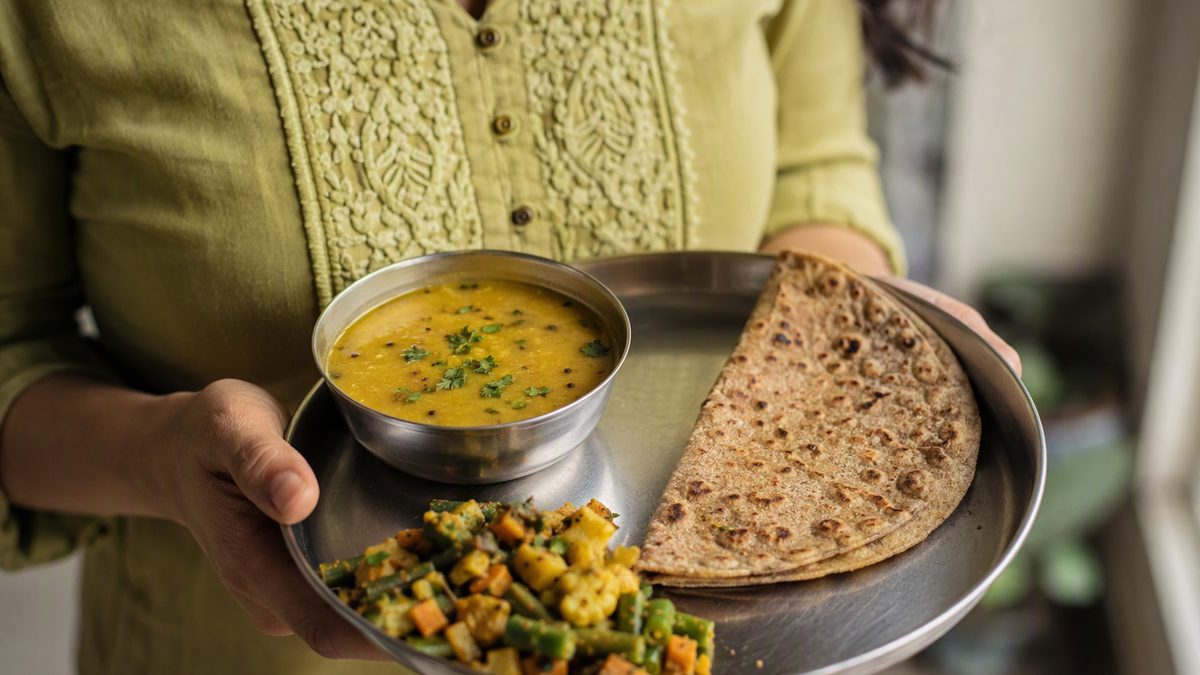
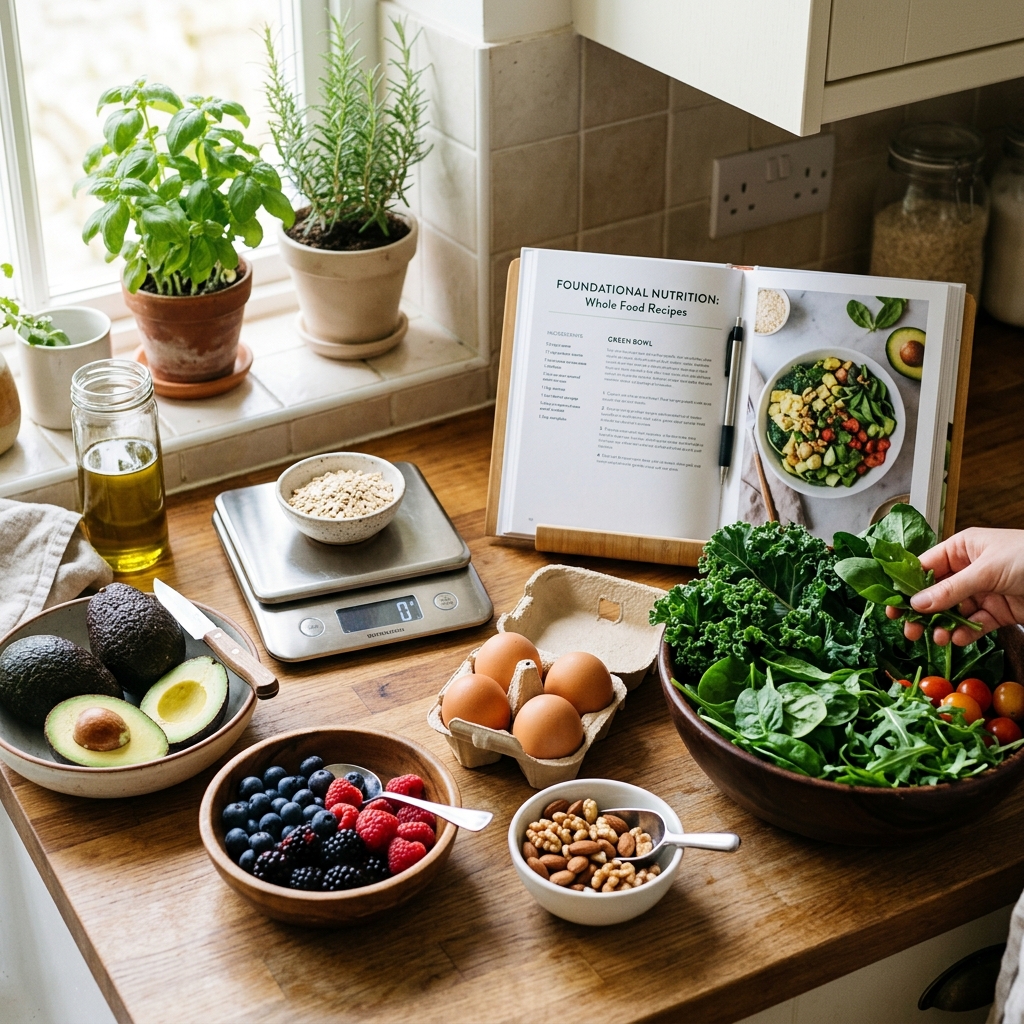
These nutrition guides are written for the way most of our readers eat: roti, dal, rice, paneer, eggs and home-cooked sabzi, measured in katoris and plates rather than ounces. Single-ingredient numbers come from the Indian Food Composition Tables (IFCT 2017, ICMR-NIN) and USDA FoodData Central, and each guide says how oil, ghee and portion size change them.
If you want quick numbers, start with the Indian food calorie chart. If you want a full day mapped out, pick a diet plan for muscle gain or fat loss. The sections below cover calories and protein in everyday foods, gym diet plans and meal prep, diets for conditions such as PCOS, thyroid and insulin resistance, and the supplements worth understanding before you buy them.
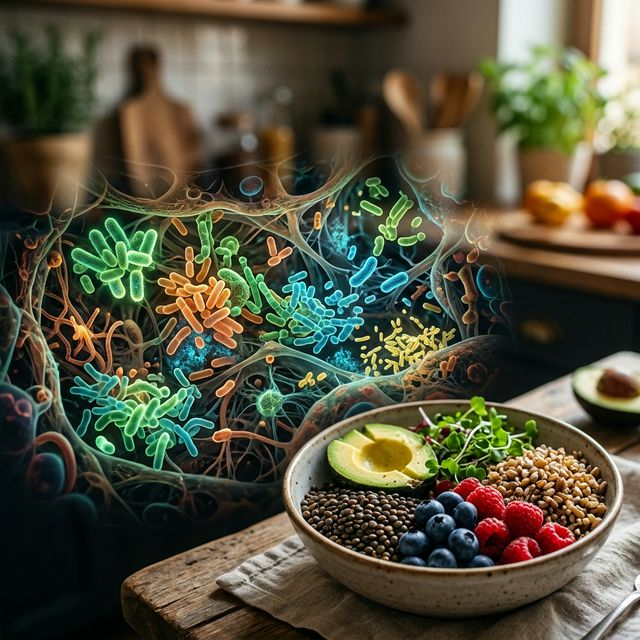
Why modern fitness is pivoting to fiber for satiety, gut microbiome health, and sustainable fat loss. Learn how to hit 50g+ daily without the bloat.
The guides readers use most.
Indian food calorie chart with protein for 50 foods: roti, rice, dal, paneer, curd, eggs, chicken, soya, idli and dosa, plus the top 15 protein-rich foods.
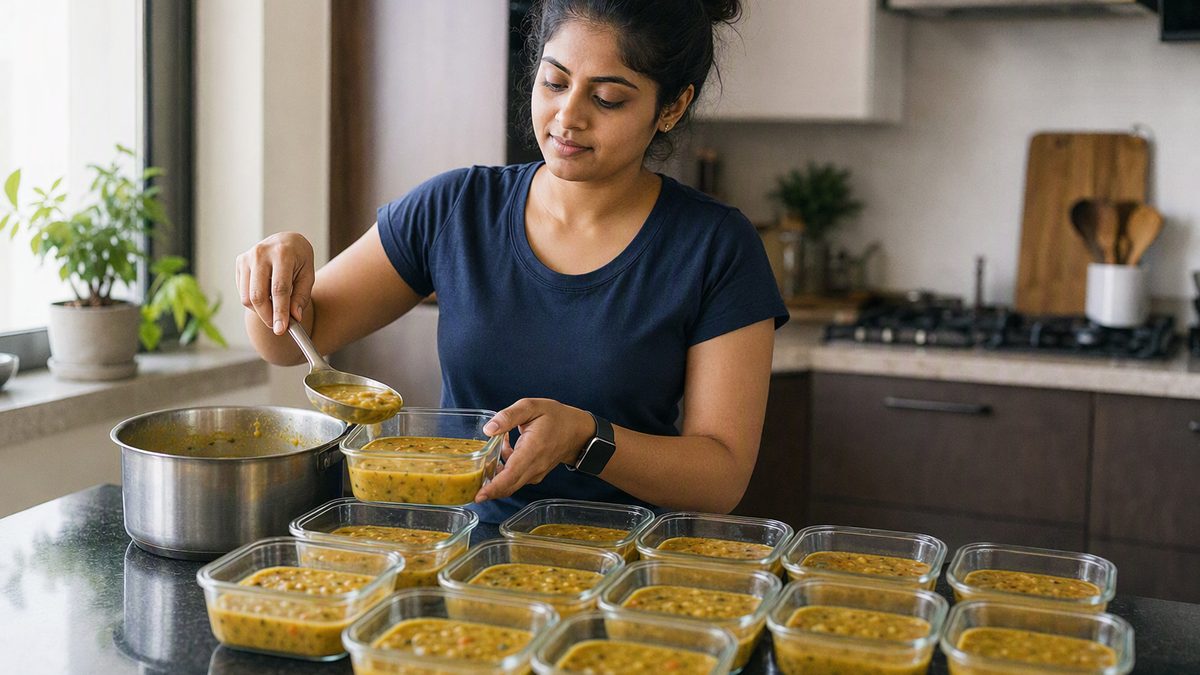
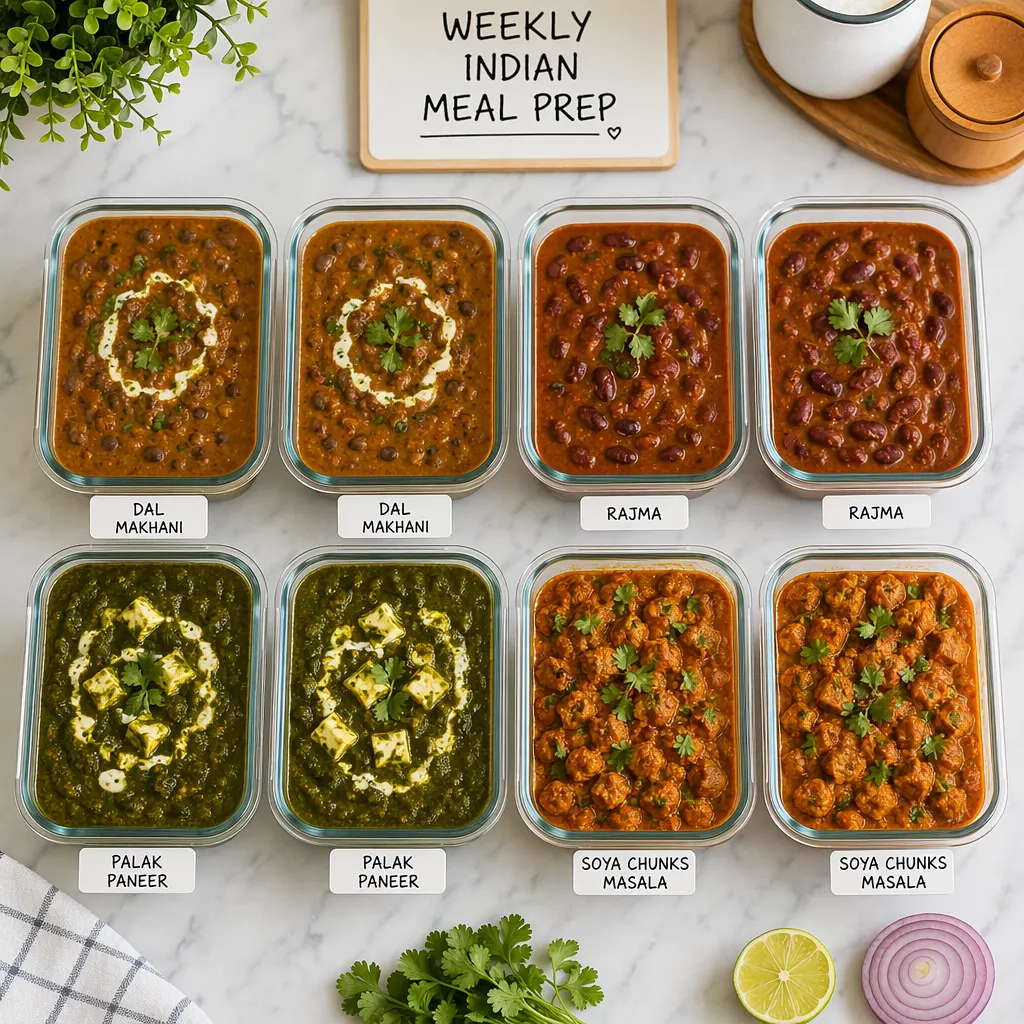
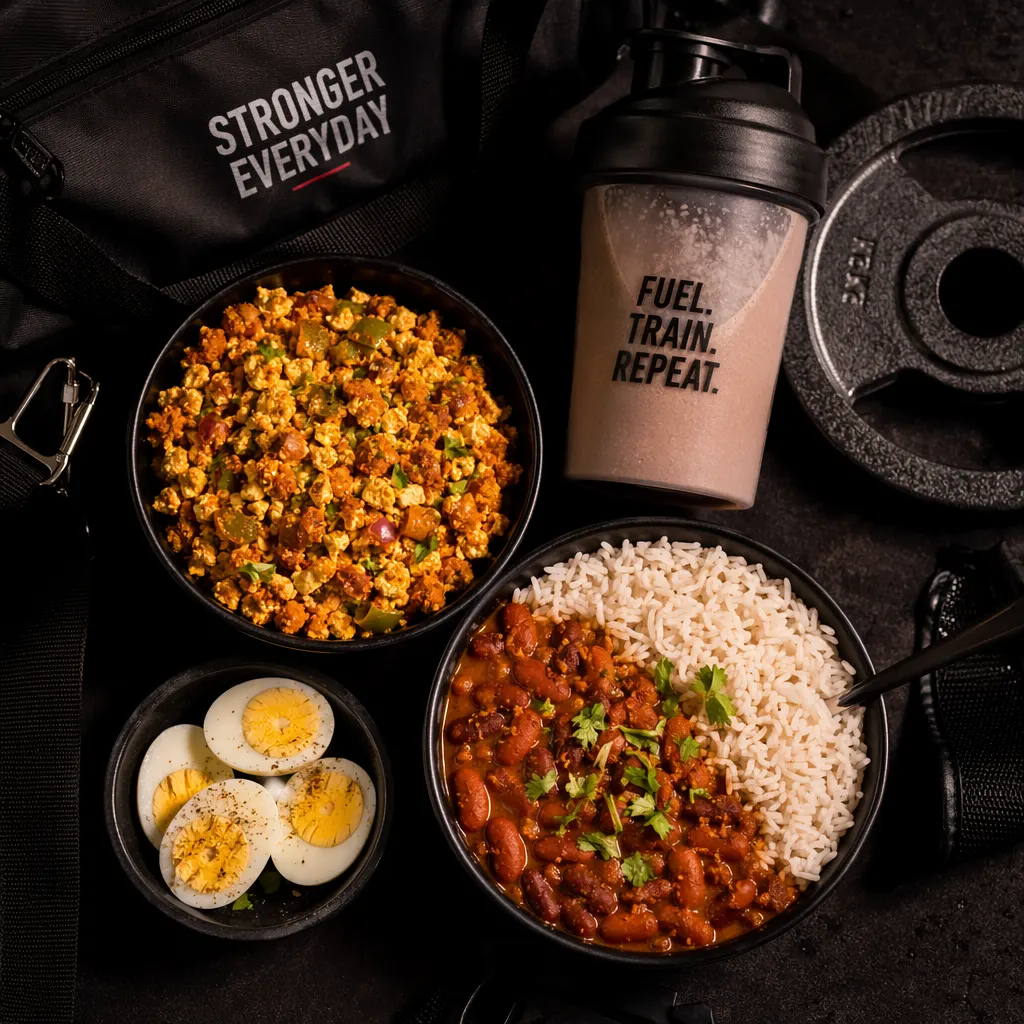
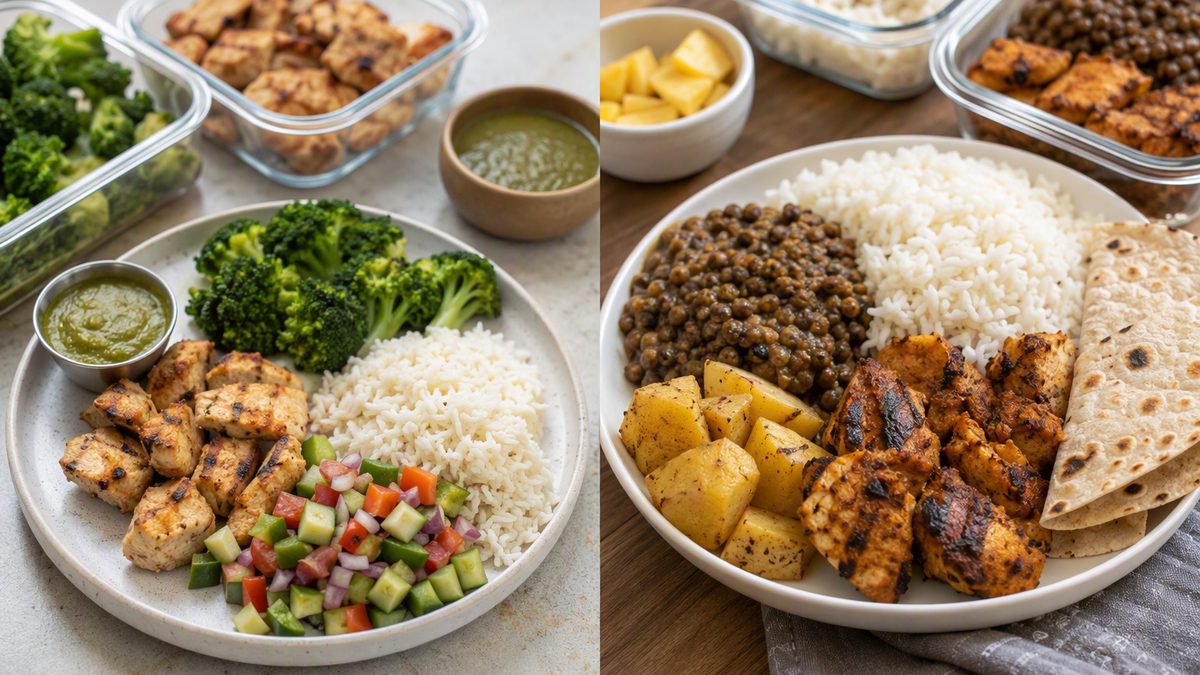
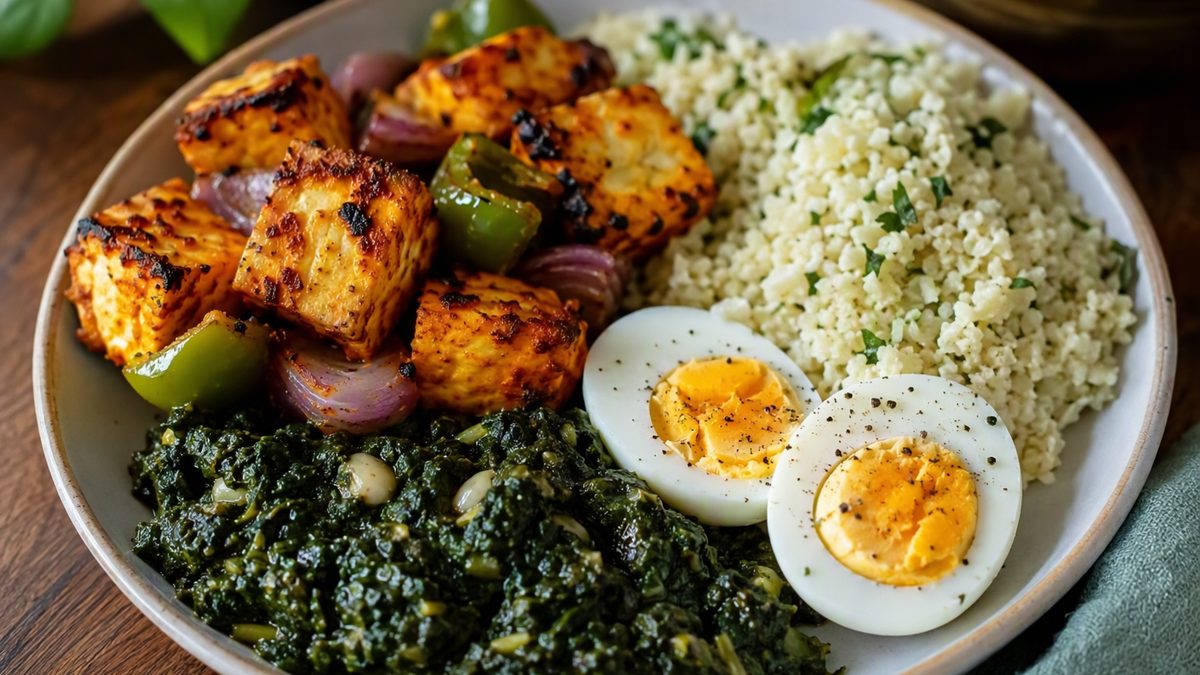
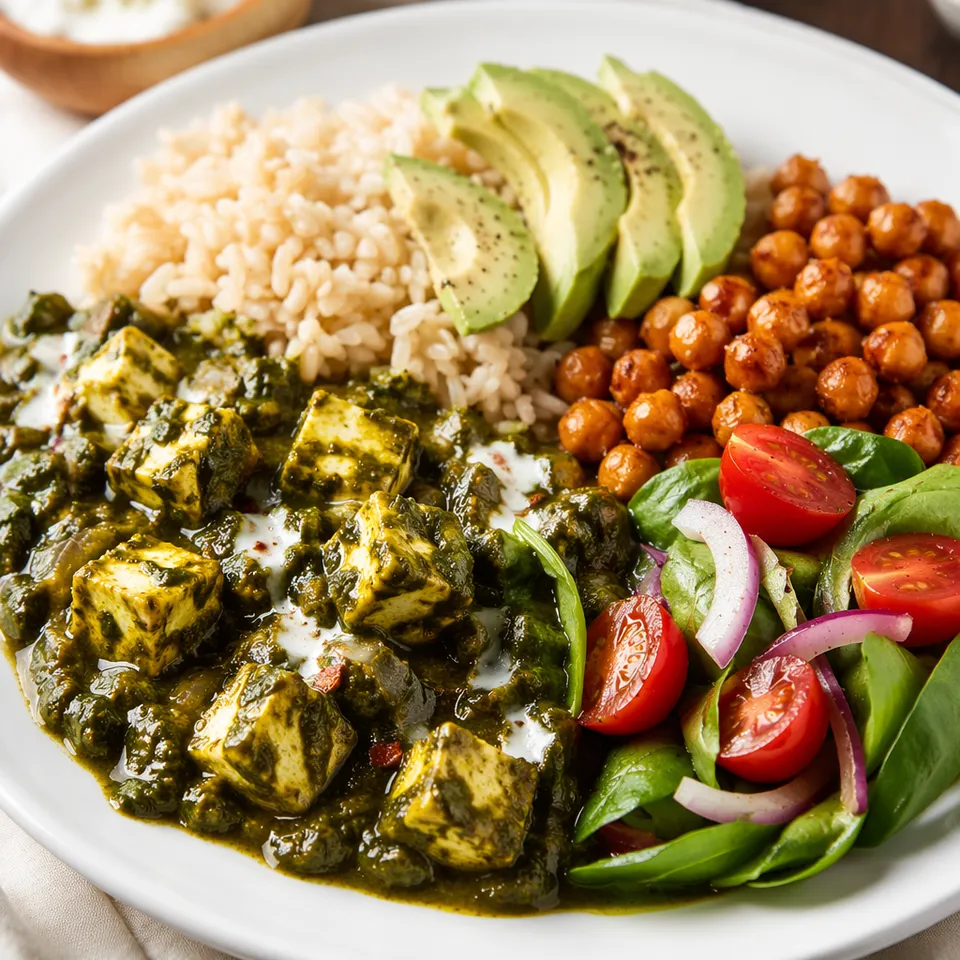
High protein meal prep, Indian style: dal makhani, rajma, chana, soya chunks and palak paneer with protein per serving, storage times and a weekly plan.
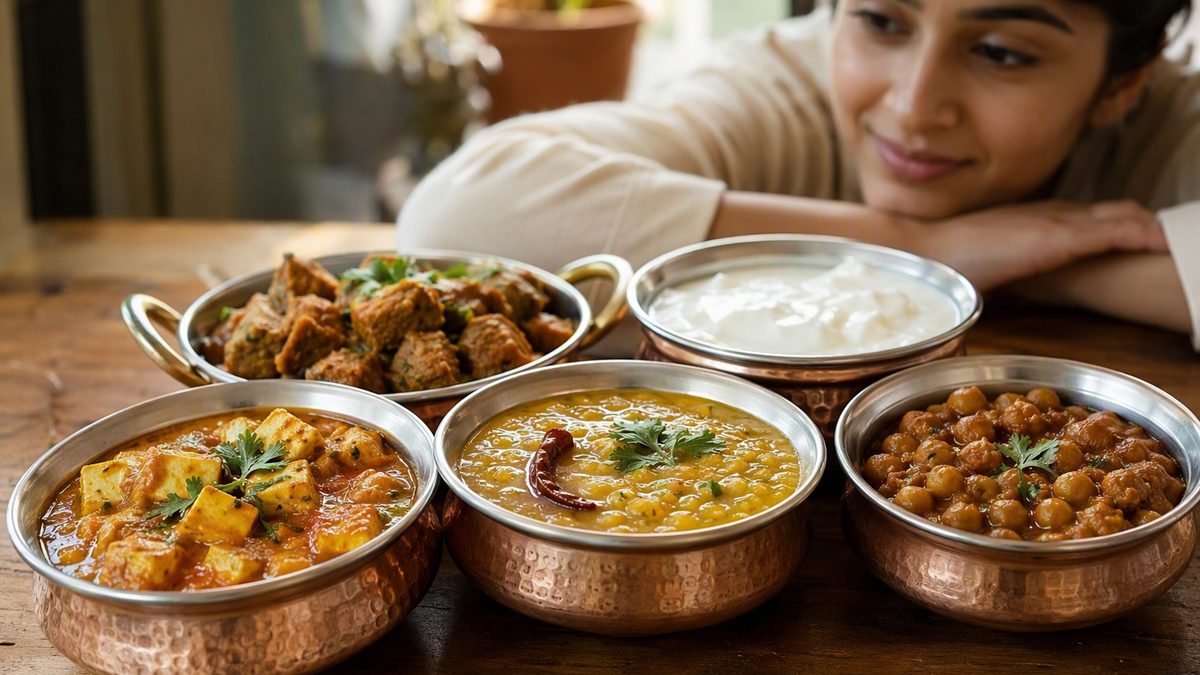
Protein rich food veg list: 30 Indian vegetarian foods with protein per 100 g and per serving, top 10 picks, best for fat loss and a 100 g protein day.
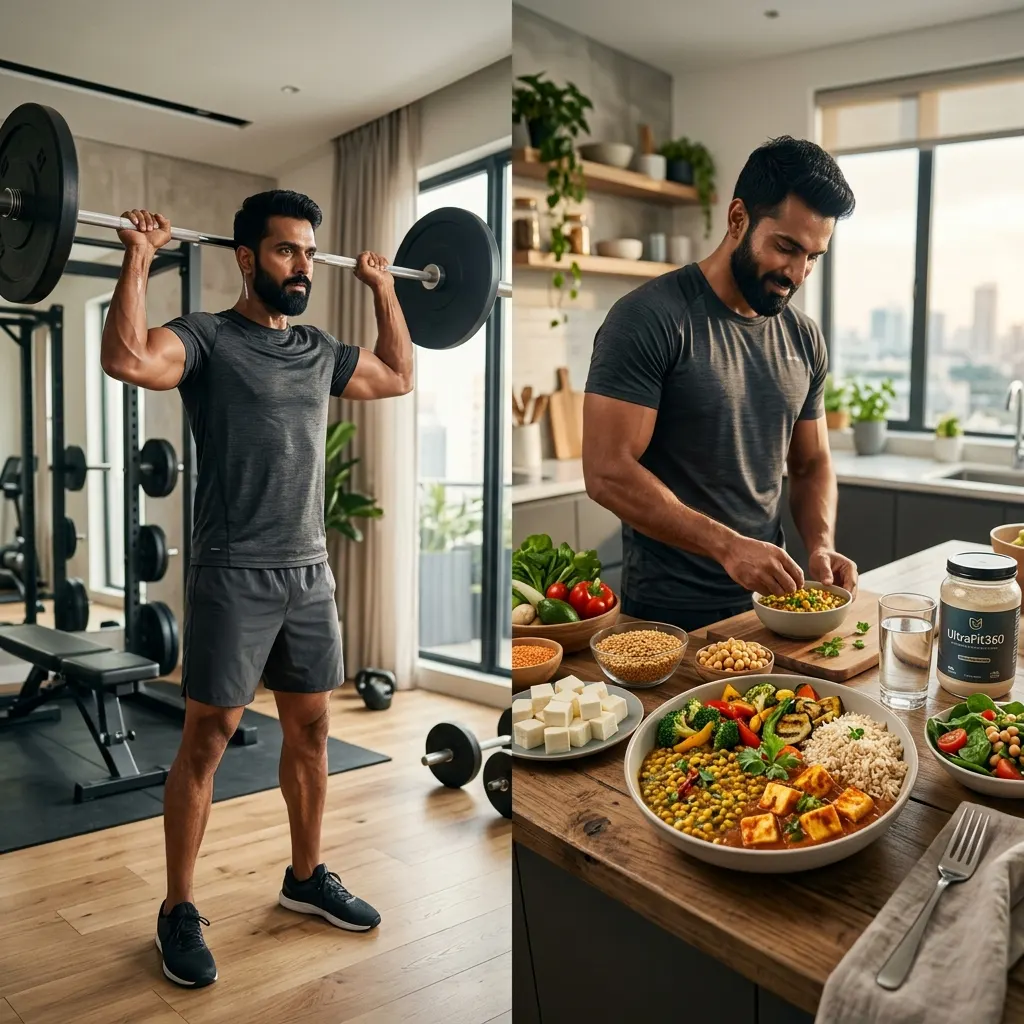
Indian gym diet plan with full-day charts for veg and non-veg muscle gain and veg fat loss, with grams, calories and protein per meal and how to set targets.
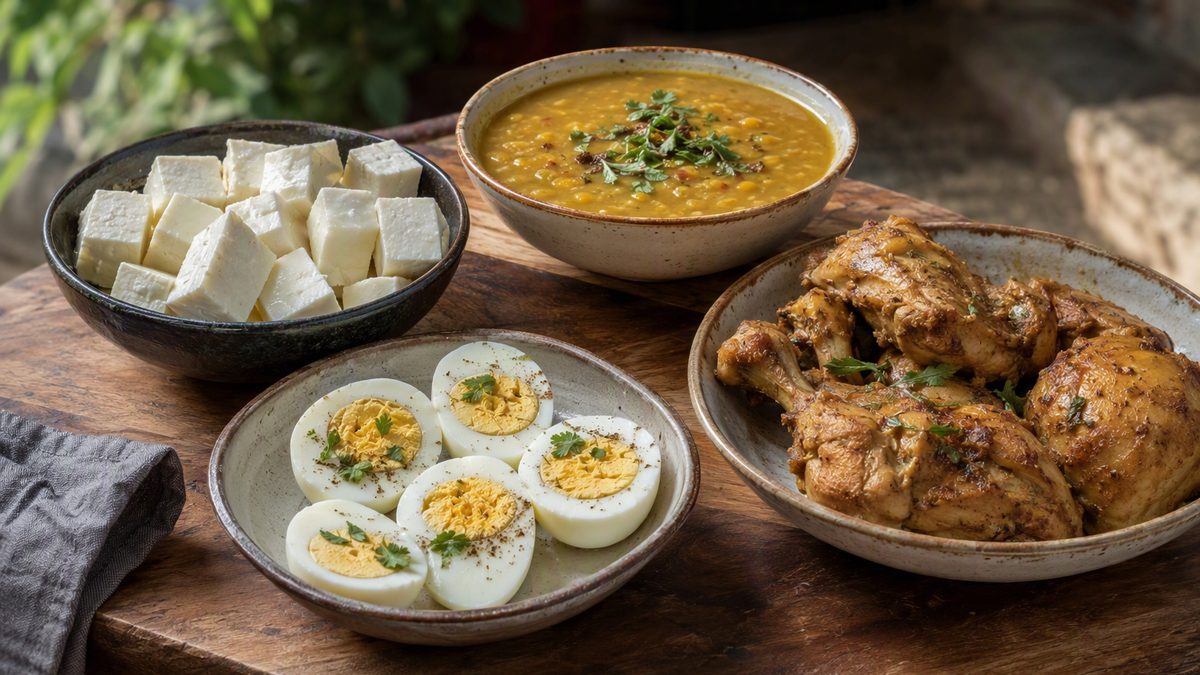
How much protein per day do you need? 0.83 g/kg for health, 1.6-2.2 g/kg for muscle gain, a weight-by-weight table, and Indian veg and non-veg meal plans.
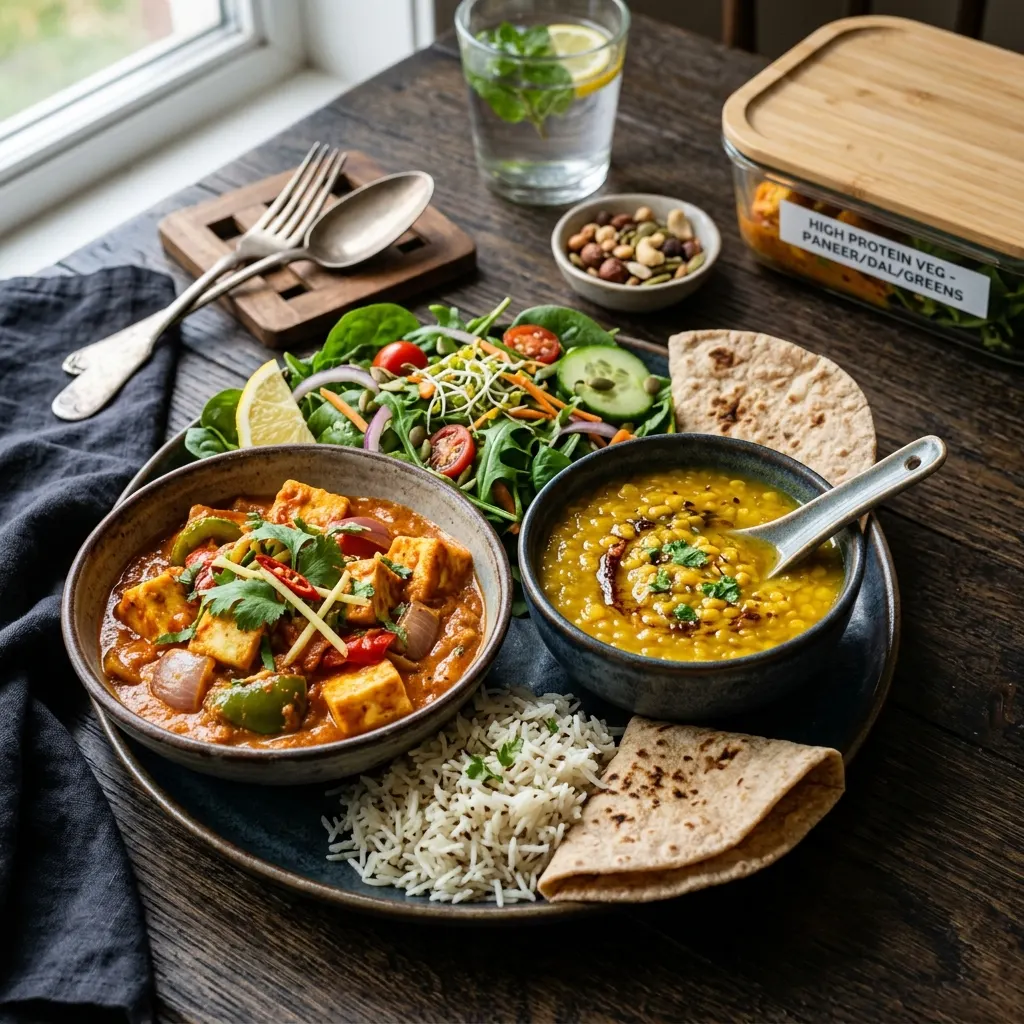
Protein in paneer is about 18–20 g per 100 g, with ~300 kcal. Compare full-fat, low-fat and homemade paneer, plus paneer vs tofu, chicken and eggs per 100 g.
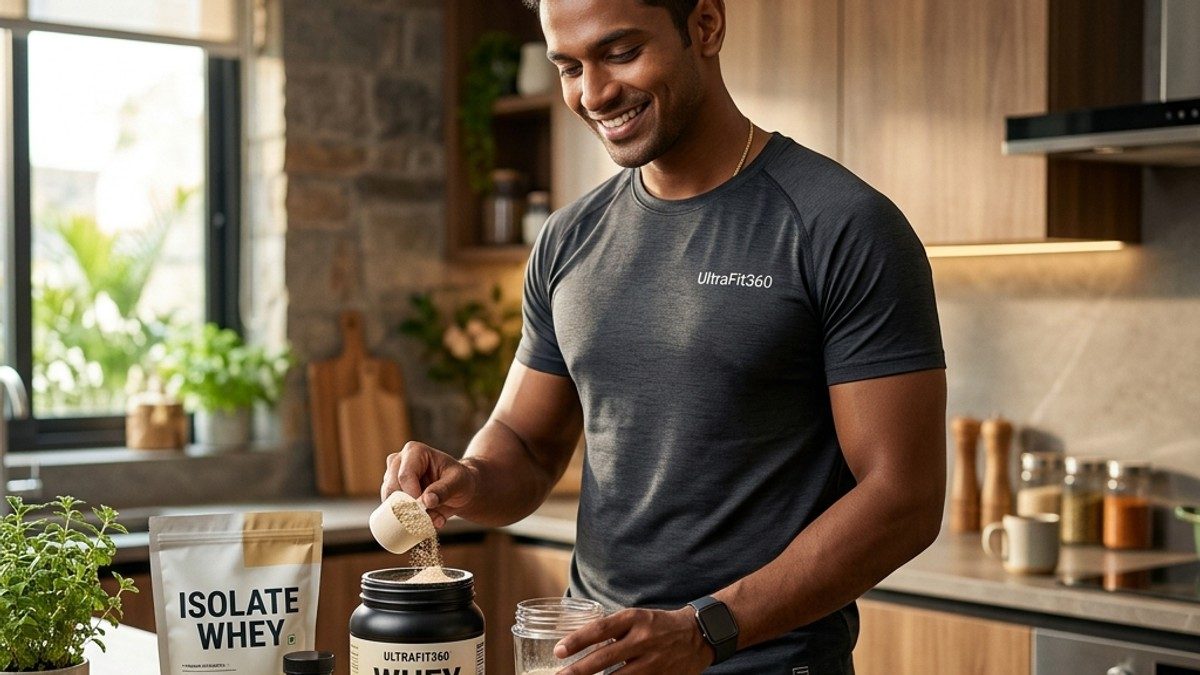
Best protein powder and whey protein in India: what lab-tested really means, label checks, isolate vs concentrate, and how to compare price per 25 g protein.

Learn what macros are and how to calculate your personal targets.
Per piece, katori and plate values for the foods you eat every day.
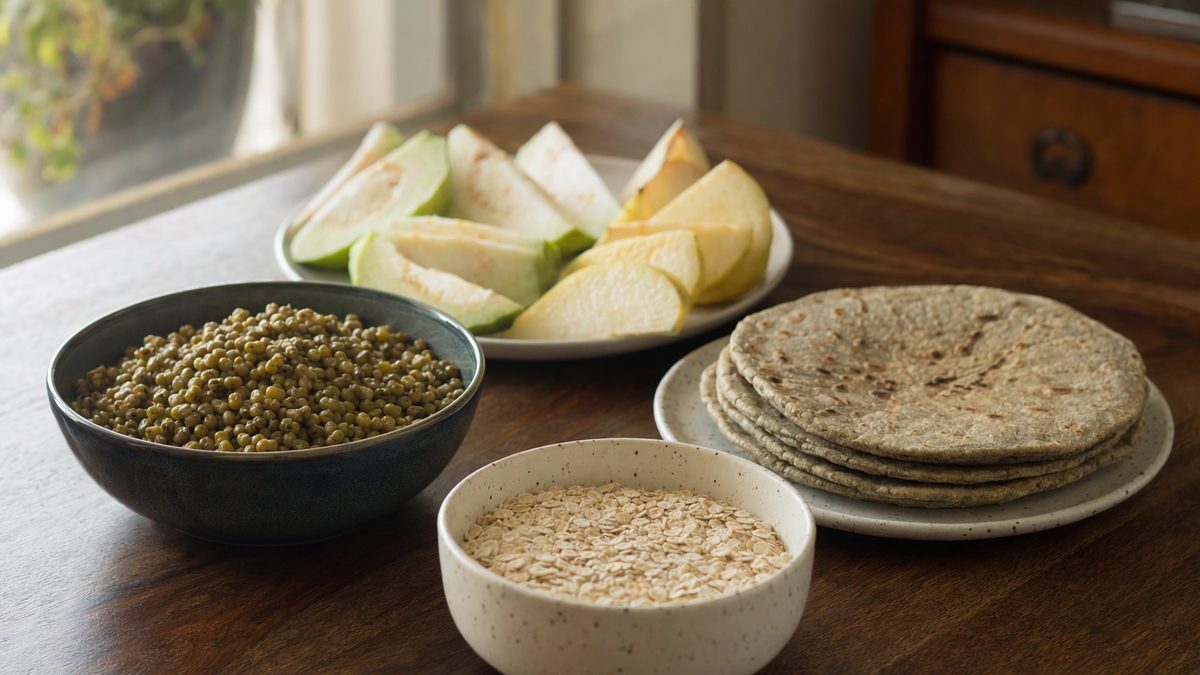
Dietary fibre in Indian foods per serving and as a share of the 25 g daily value: pulses, millets, atta, guava, pear, oats, peas, seeds and vegetables, from IFCT 2017.
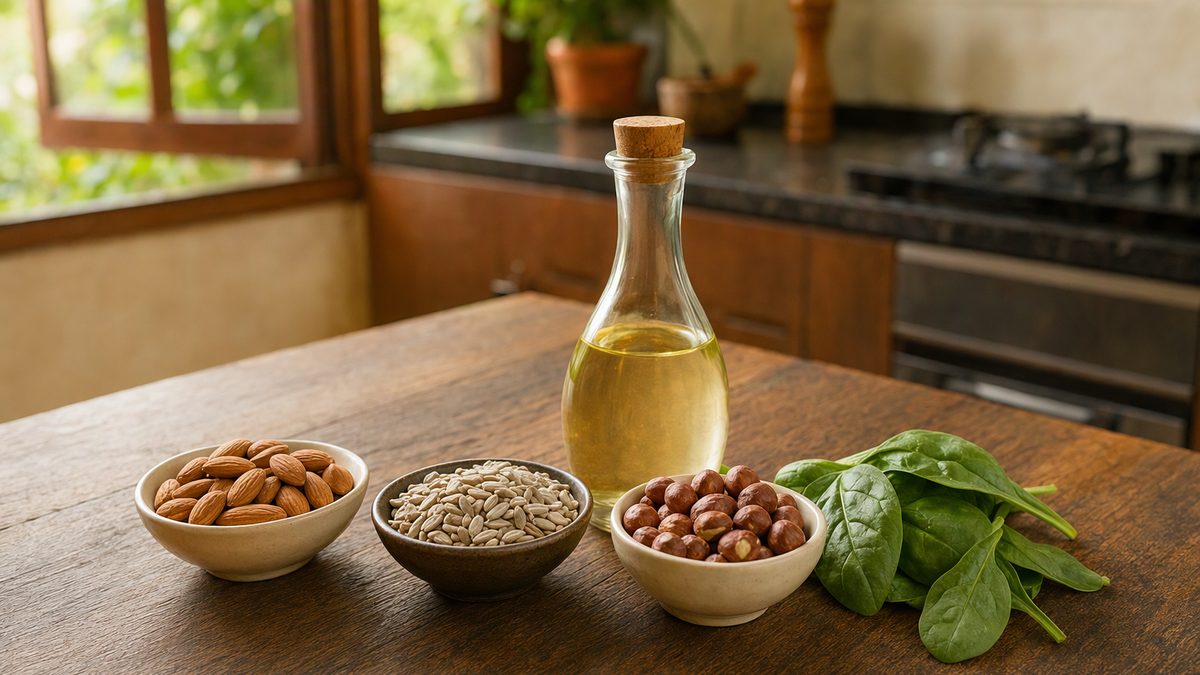
Vitamin E in nuts, seeds, cooking oils, spinach, avocado and fruit, per serving and as a share of the 15 mg daily value, with Indian oils and ways to get enough.
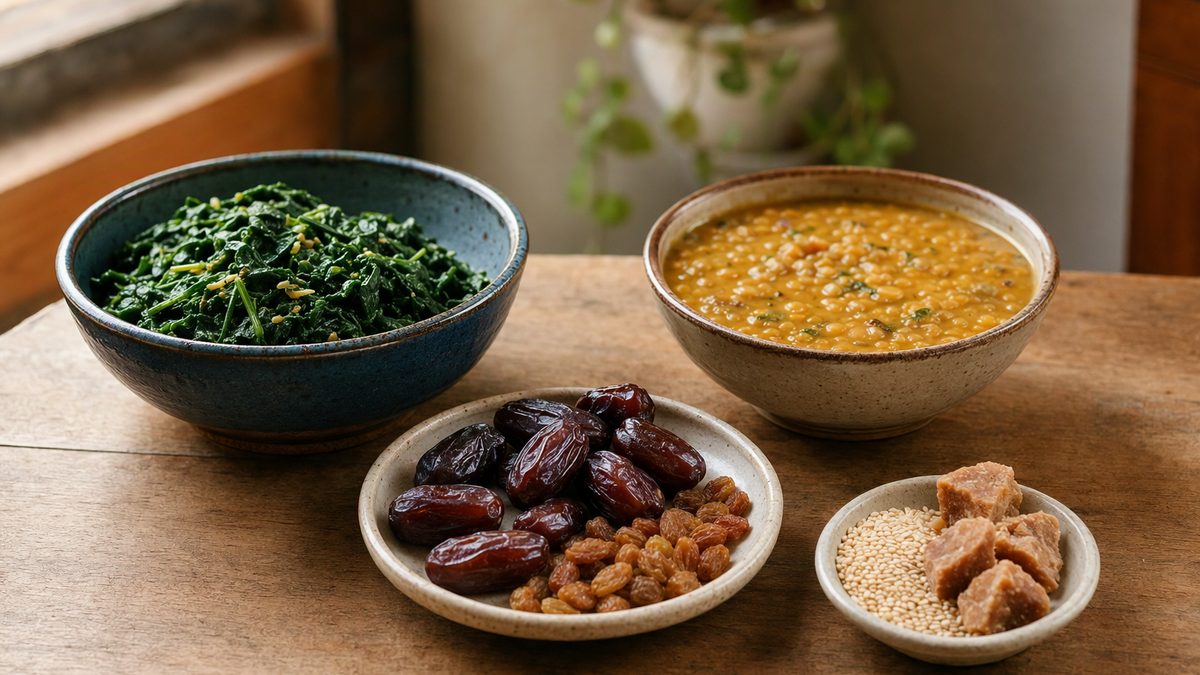
Iron in common Indian foods per serving and as a share of the daily value: liver, soya, dals, poha, millets, leafy greens, seeds, dry fruit, jaggery, egg and meat.
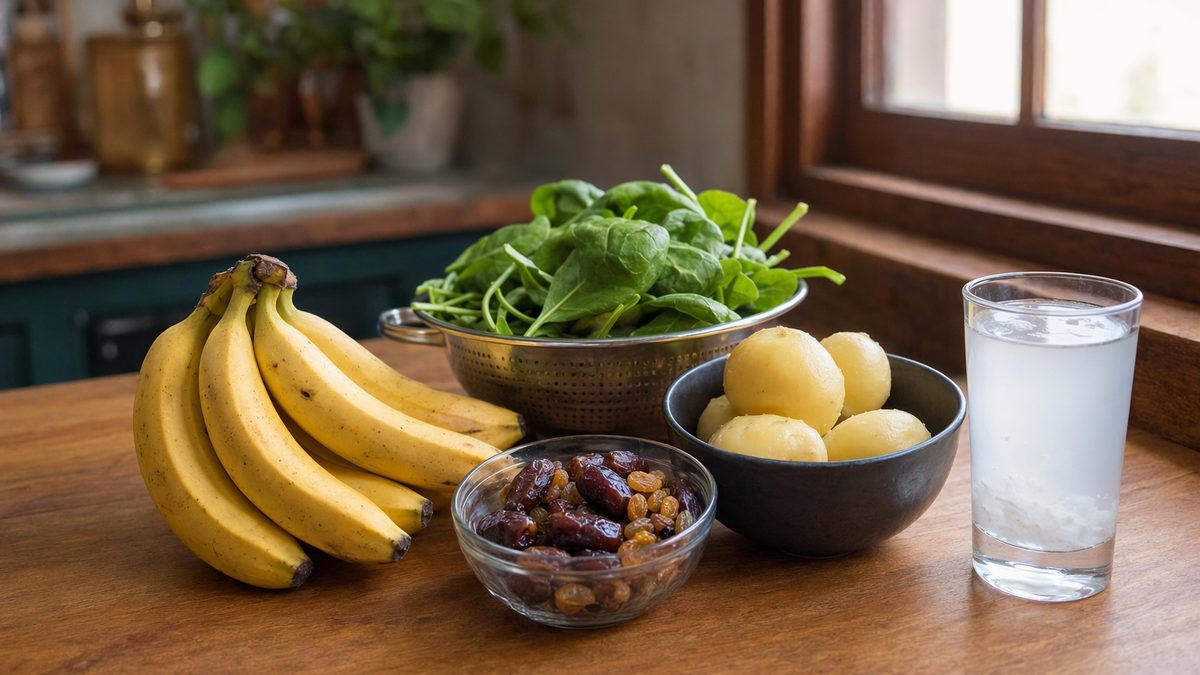
Potassium in common Indian foods per serving and as a share of the daily value: pulses, dry fruits, potato, spinach, banana, coconut water, milk and curd, from IFCT 2017.
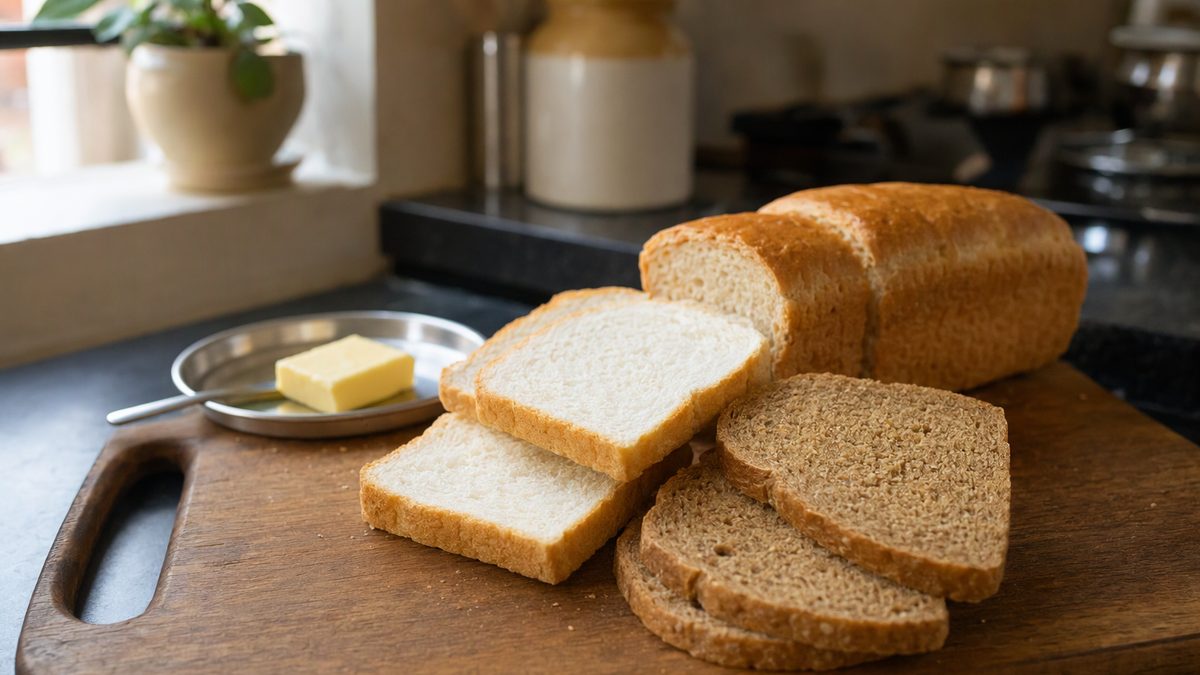
Calories and protein in 1, 2 and 4 slices of white, brown, whole-wheat and multigrain bread, a pav, and bread with butter, from USDA with slice weights.
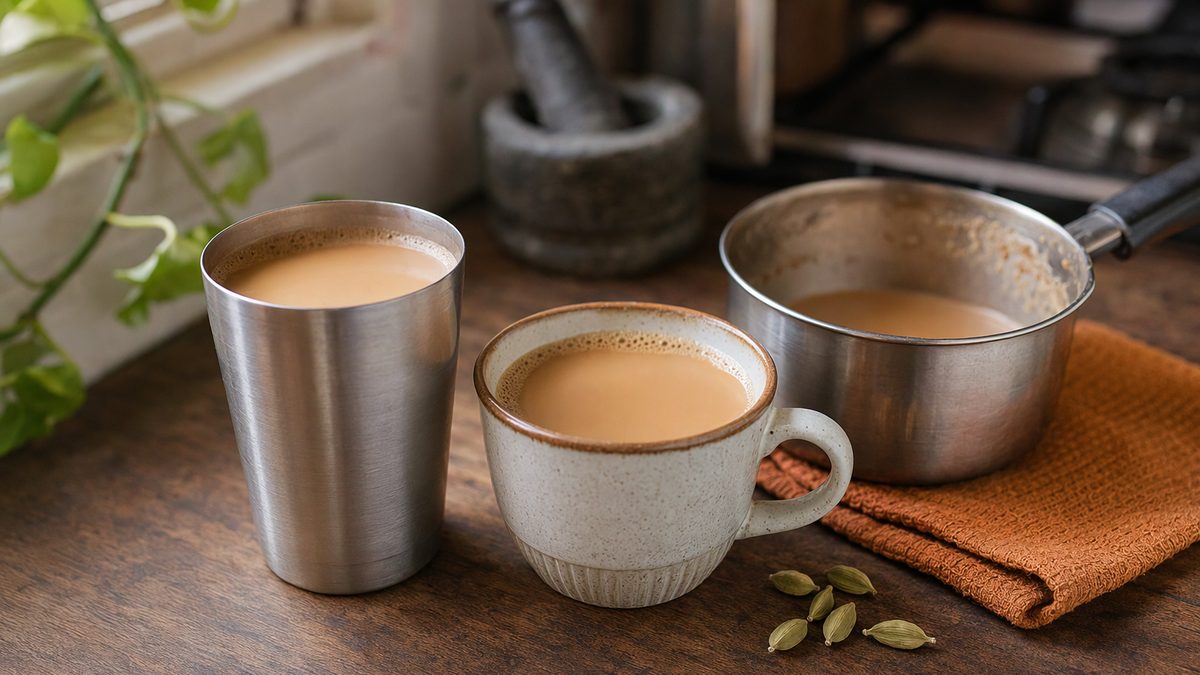
Calories in a cup of chai with milk and 1 or 2 teaspoons of sugar, without sugar, black tea, green tea, coffee, jaggery chai and honey tea, plus cup sizes.
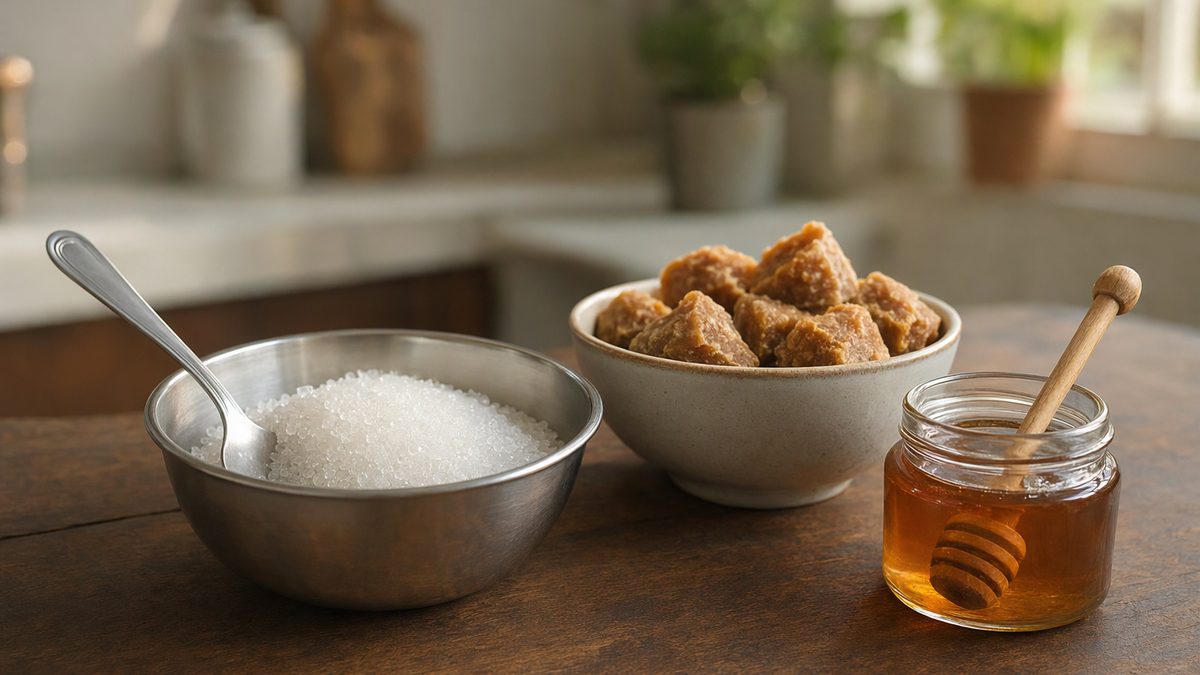
Calories in 1 teaspoon, 1 tablespoon, a sachet, 100 g and a cup of sugar, compared with honey and jaggery per spoon, with carbohydrate, from USDA and IFCT 2017.
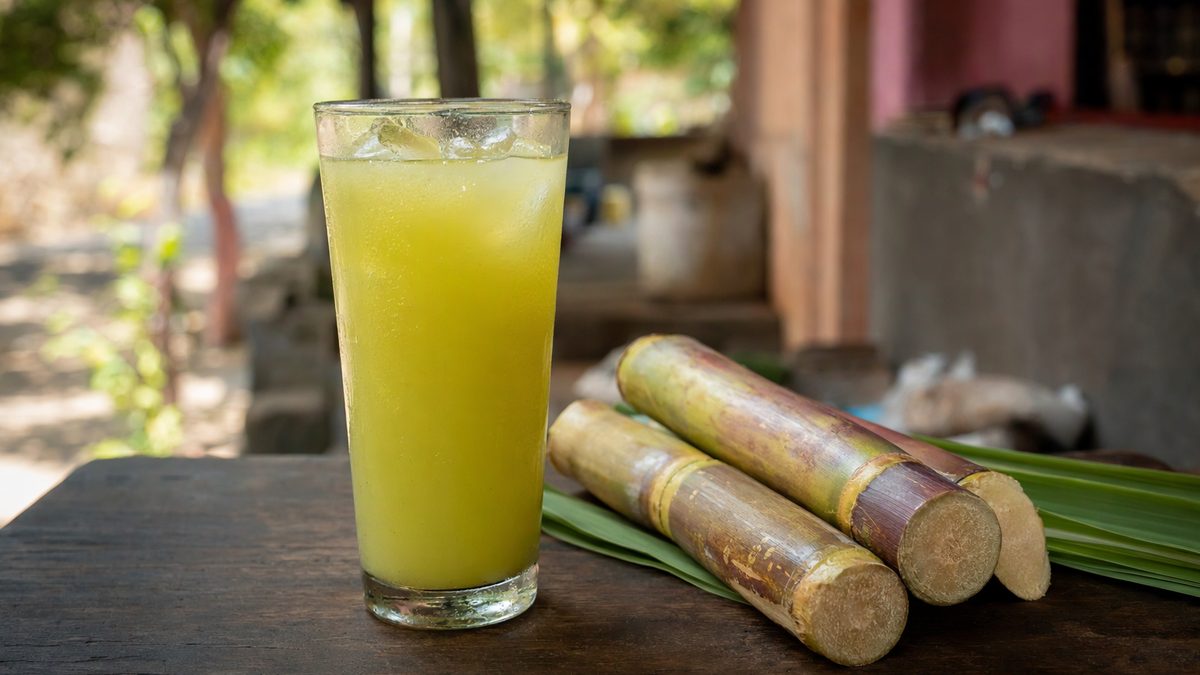
Sugarcane juice (ganne ka ras) calories, carbs and potassium for a small, regular and large glass and 500 ml, compared with cola, orange juice and coconut water.
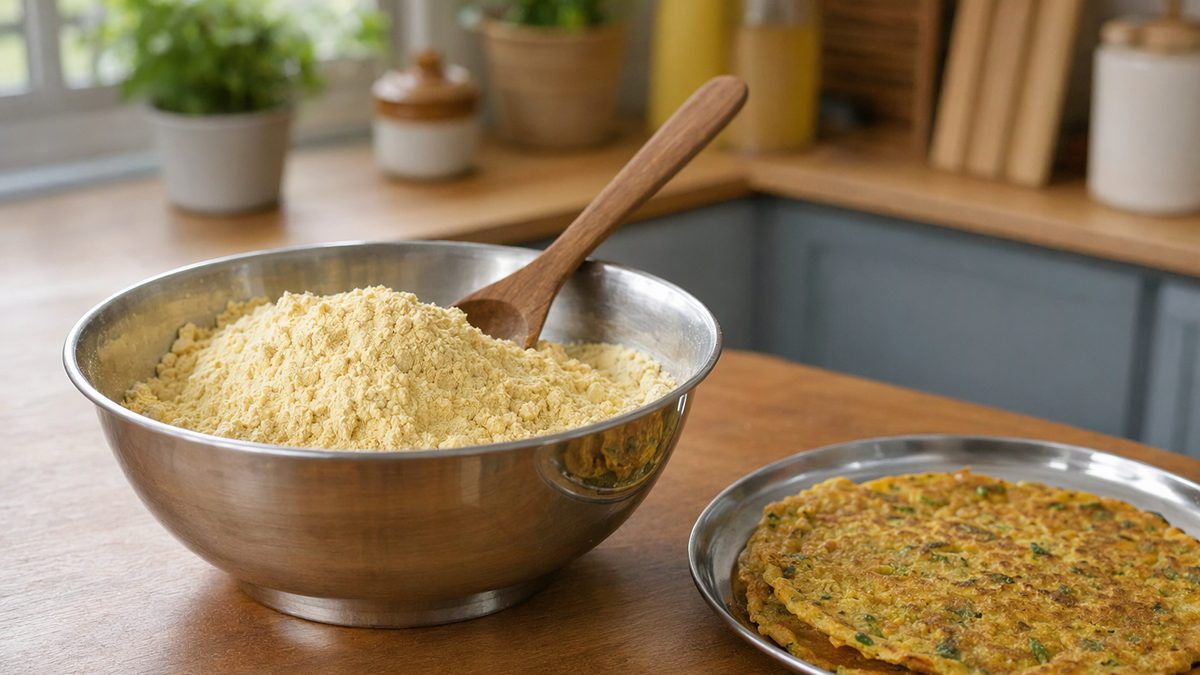
Besan (gram flour) calories, protein, carbs, fat and fibre per 100 g, tablespoon, cup and 50 g, compared with chana dal, atta and rice, from USDA and IFCT 2017.
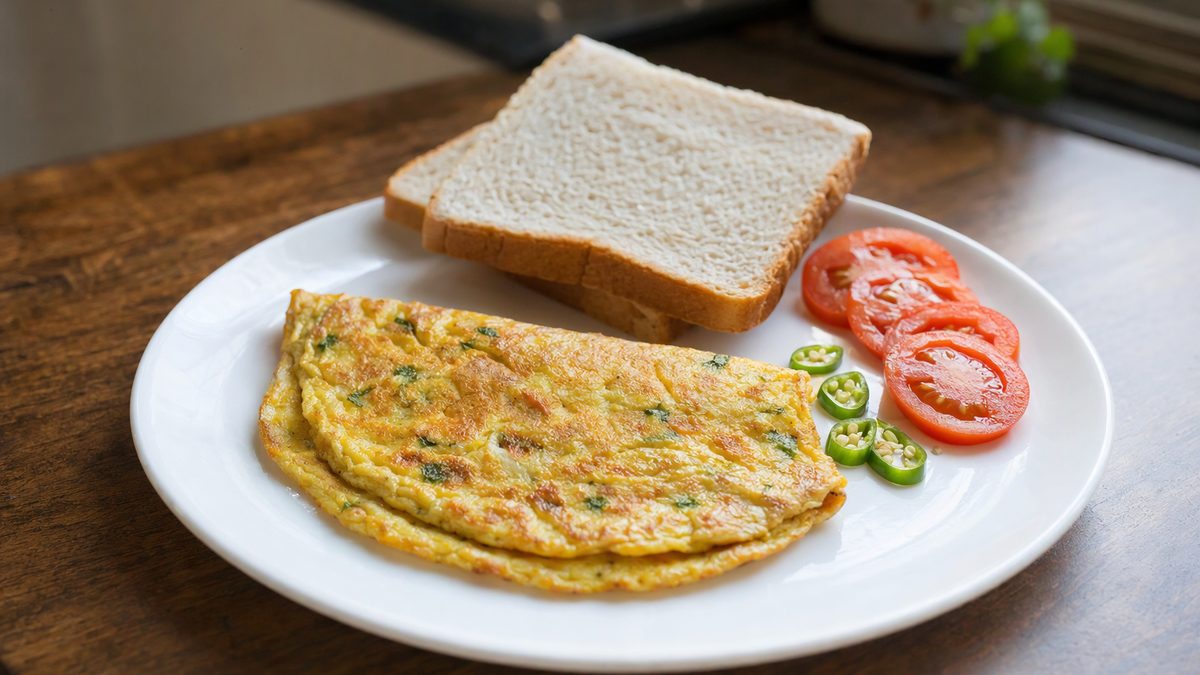
Calories and protein in a 1-egg, 2-egg and 3-egg omelette and a bread omelette, from USDA and IFCT 2017, and how it compares with a boiled or fried egg.
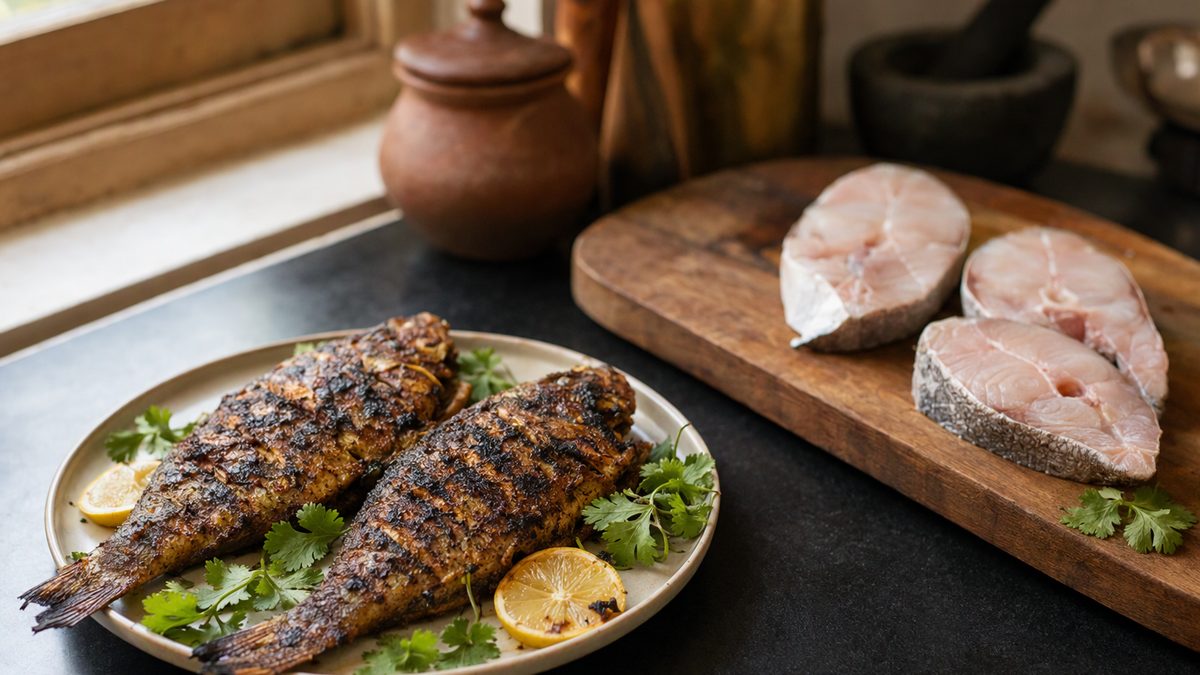
Fish protein, calories and fat per 100 g for rohu, catla, pomfret, hilsa, mackerel, sardine, tuna, salmon, tilapia and basa, with 150 g to 500 g amounts, from IFCT 2017.
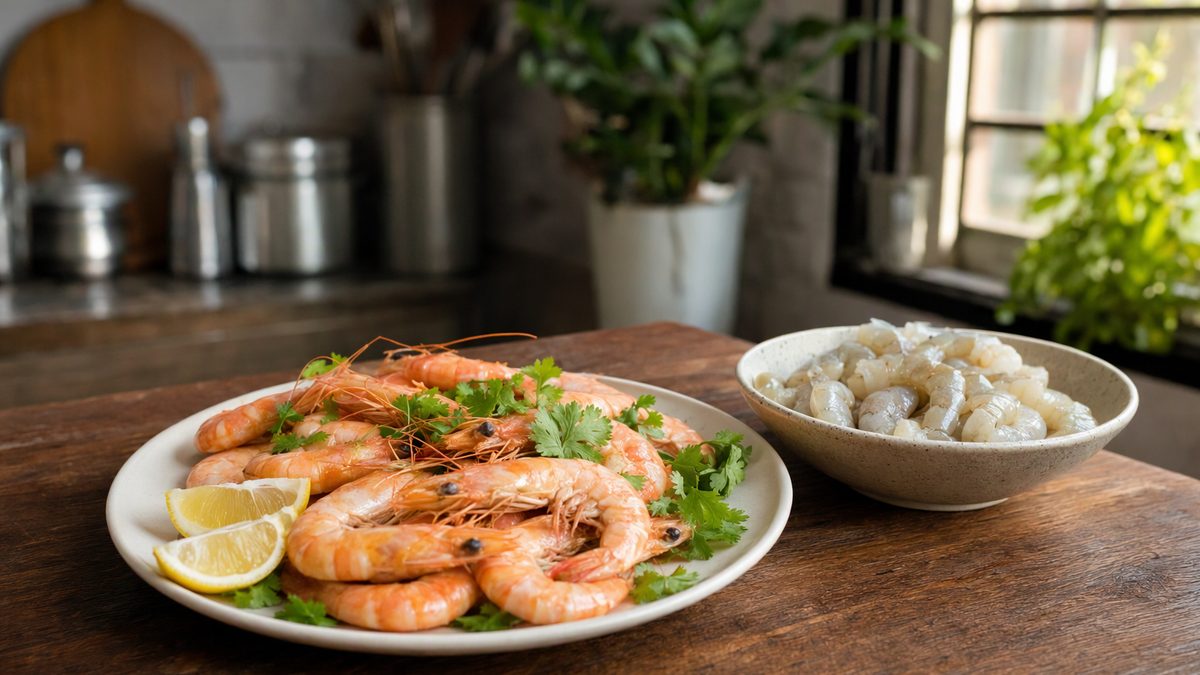
Prawn protein and calories per 100 g for big, small and tiger prawns, raw and cooked, with 150 g to 500 g amounts and per-prawn figures, from IFCT 2017 and USDA.
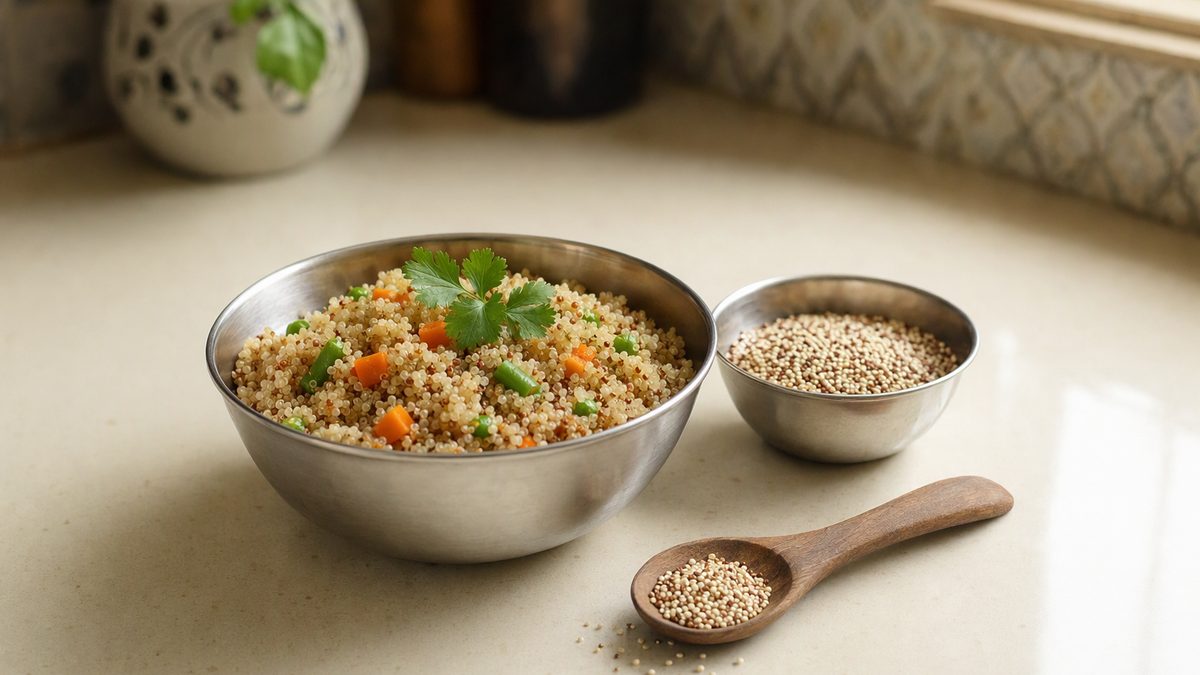
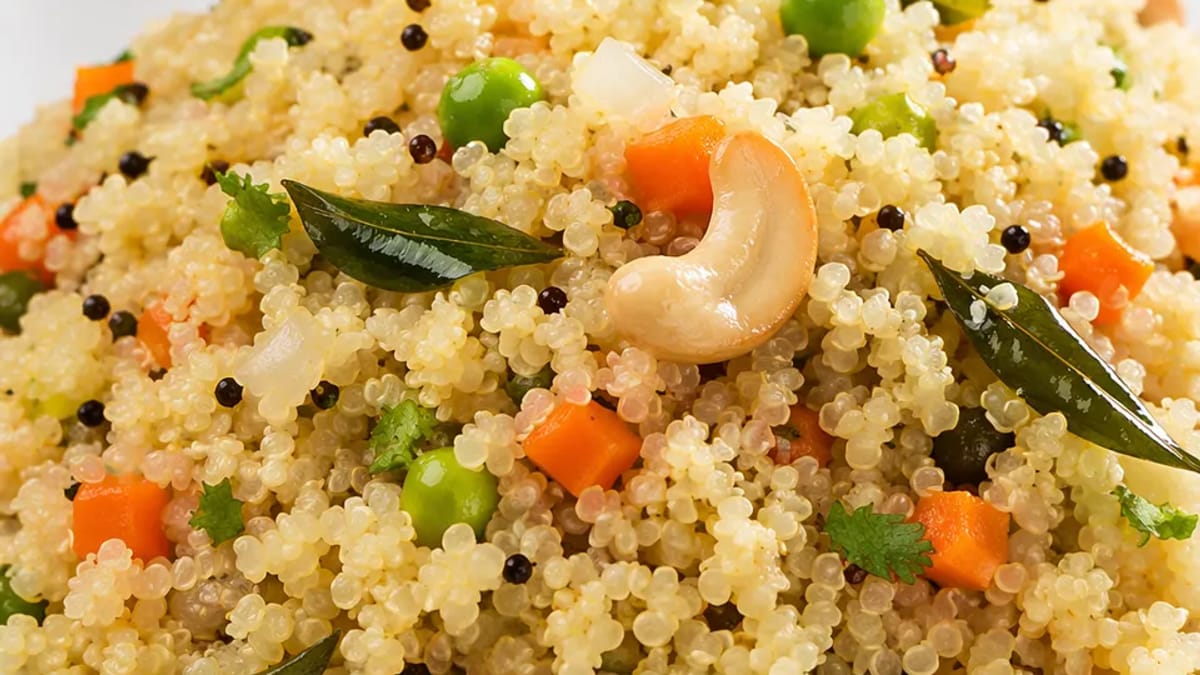
Quinoa protein and calories per 100 g dry and cooked, per cup and katori, with fibre and a comparison with rice and wheat atta, from USDA and IFCT 2017.
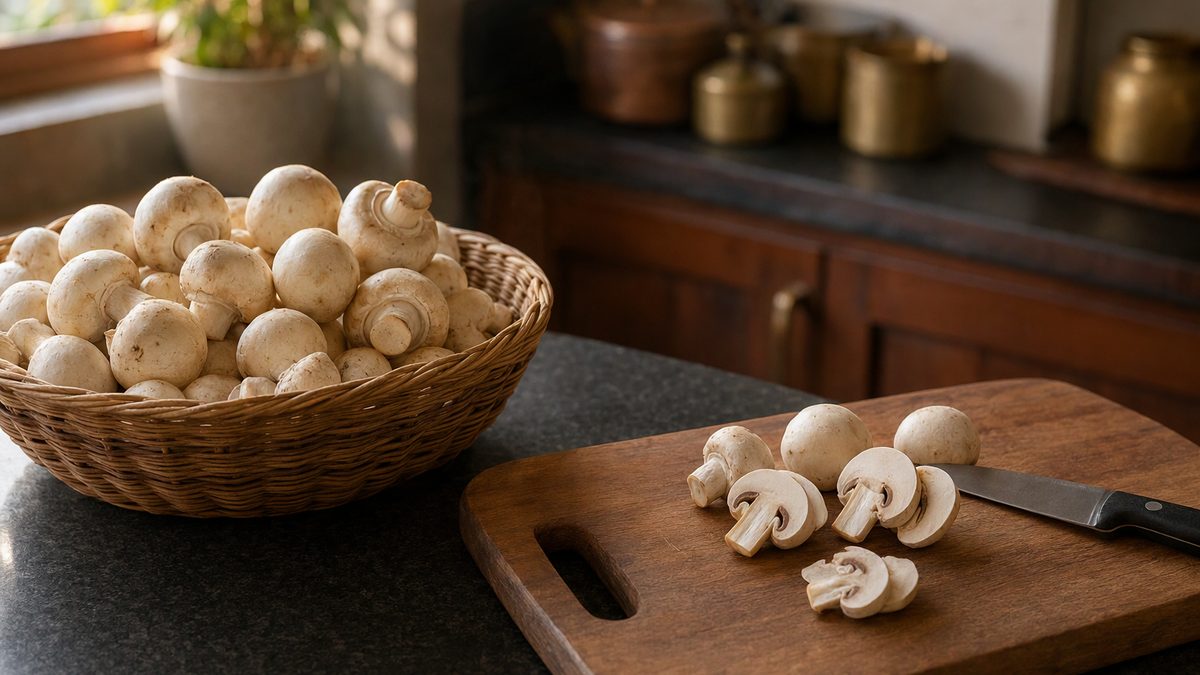
Mushroom protein and calories per 100 g, per 200 g pack and per cup, for button, white, shiitake and dried oyster mushrooms, raw and boiled, from IFCT 2017 and USDA.
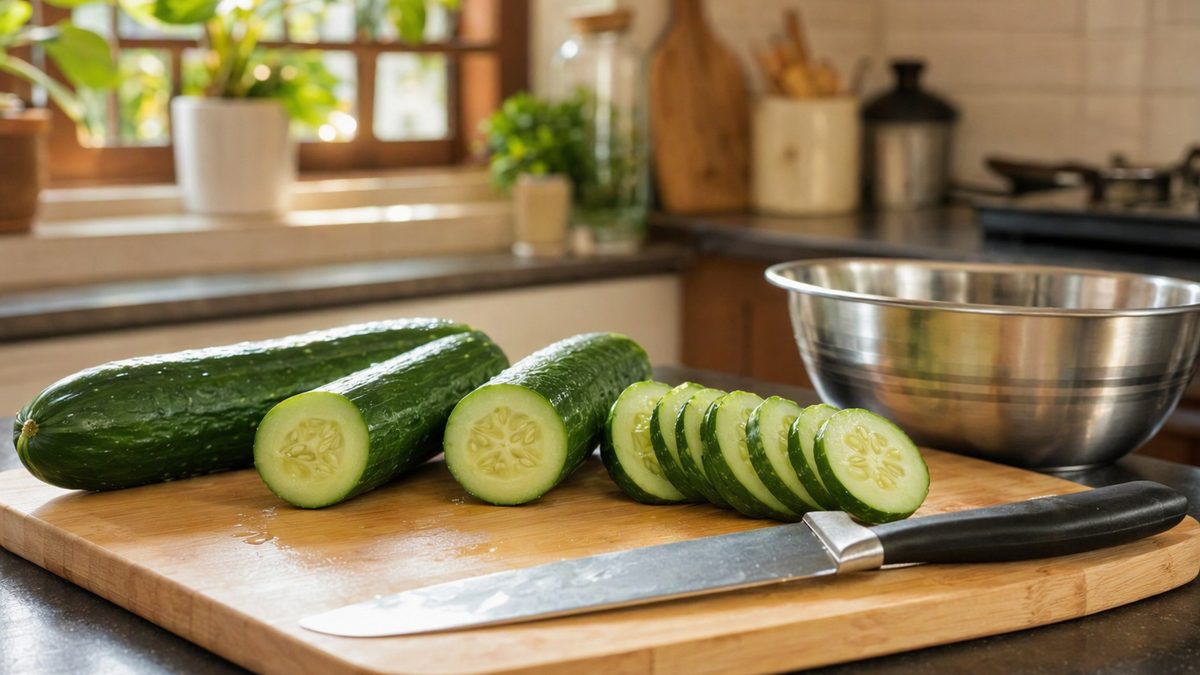
Cucumber (kheera) calories for 1 cucumber, 100 g, a cup of slices and a whole salad, with water, fibre, protein and potassium from IFCT 2017 and USDA.
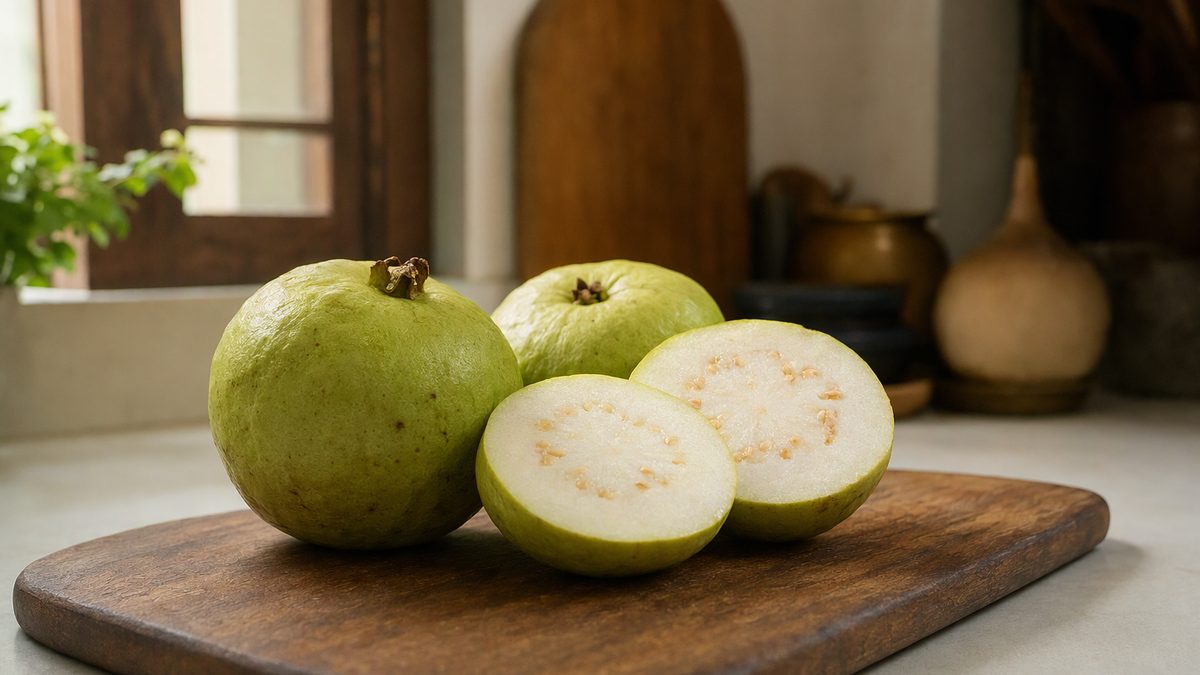
Guava (amrood) calories per 100 g and per small, medium and large fruit, white and pink, with fibre, carbs, protein and vitamin C from IFCT 2017 and USDA.
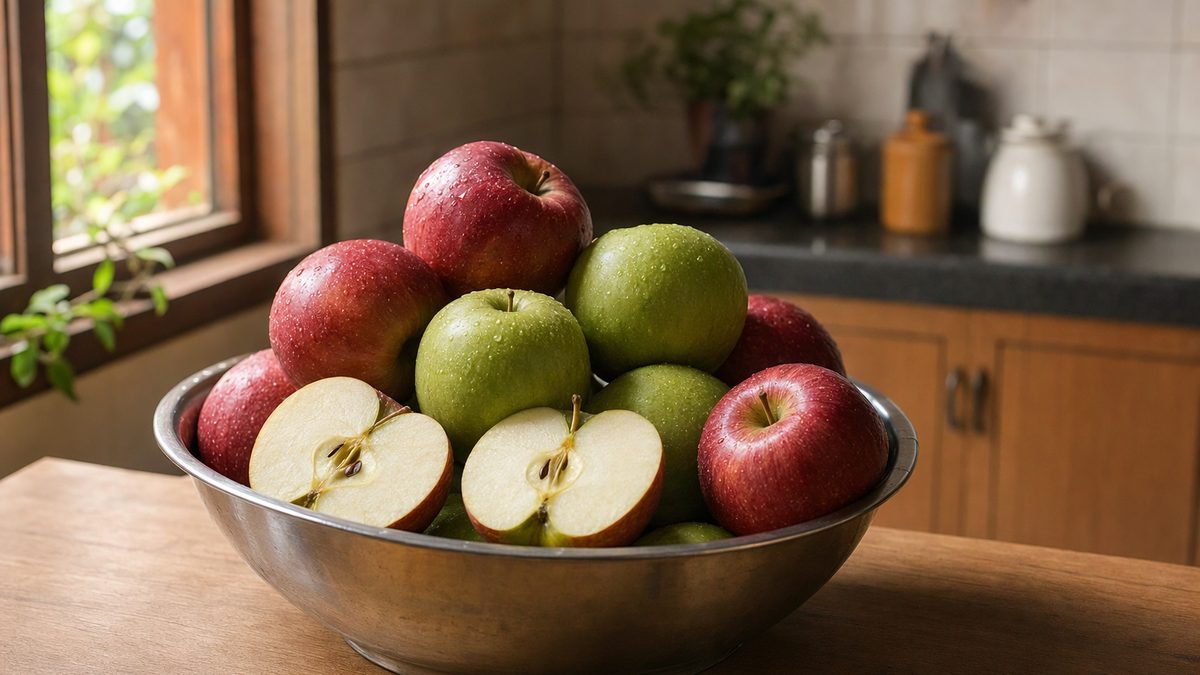
Calories in 1 apple, 100 g, 2 apples and a cup of slices, small to large, with fibre, carbs and protein from IFCT 2017 and USDA.
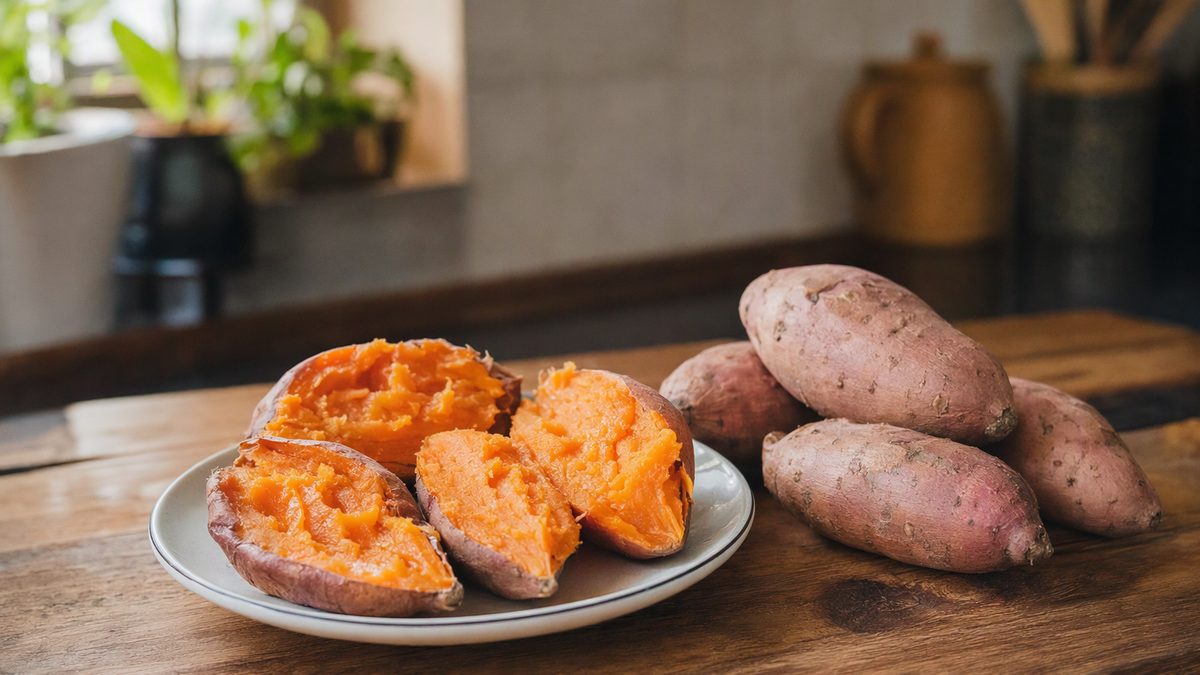
Sweet potato (shakarkandi) calories, protein, fibre and carbs, boiled, baked and raw, per 100 g and for one medium potato, from IFCT 2017 and USDA.
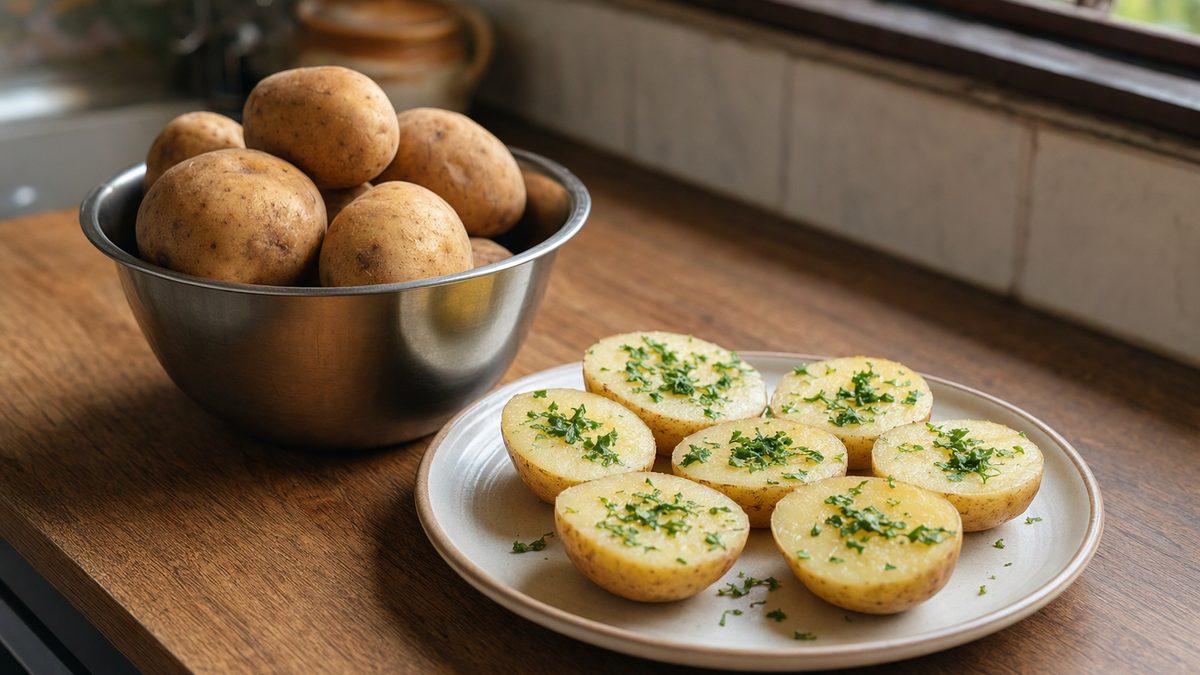
Calories and protein in boiled, raw, baked and mashed potato, per 100 g and for a small, medium and large aloo, with fries and chips for comparison.
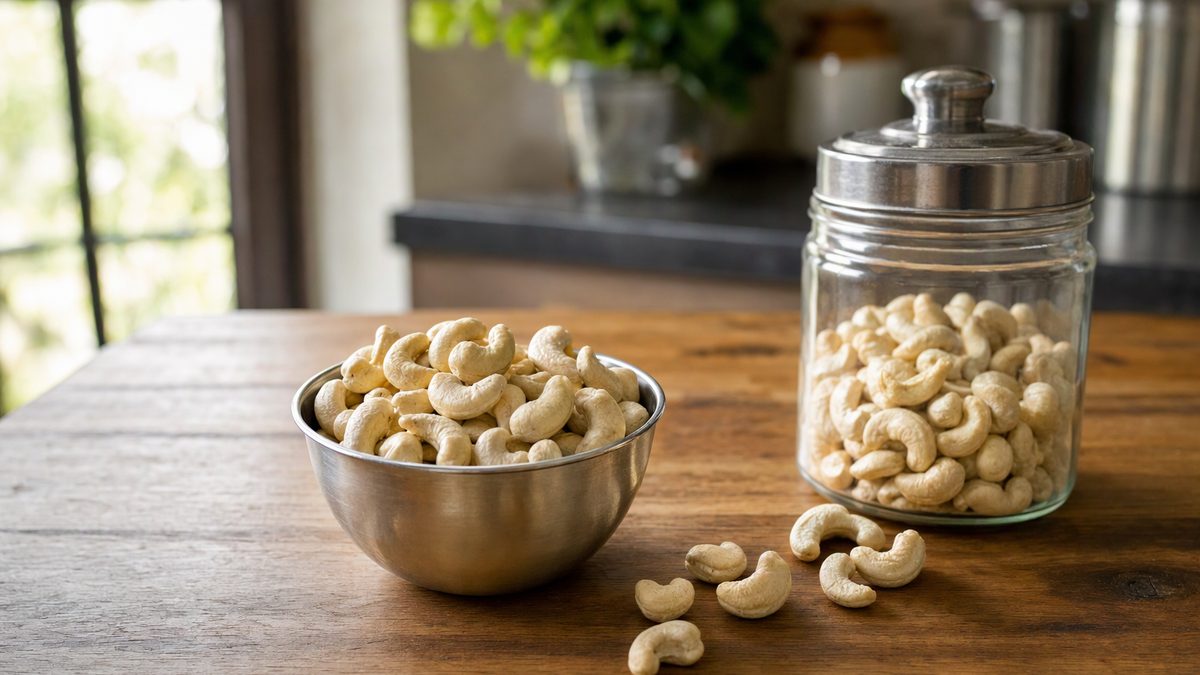
Calories and protein in 1, 4, 5, 10 and 15 cashews, a 30 g handful and 100 g, with fat and carbohydrate, from USDA and IFCT 2017, and a sensible daily amount.
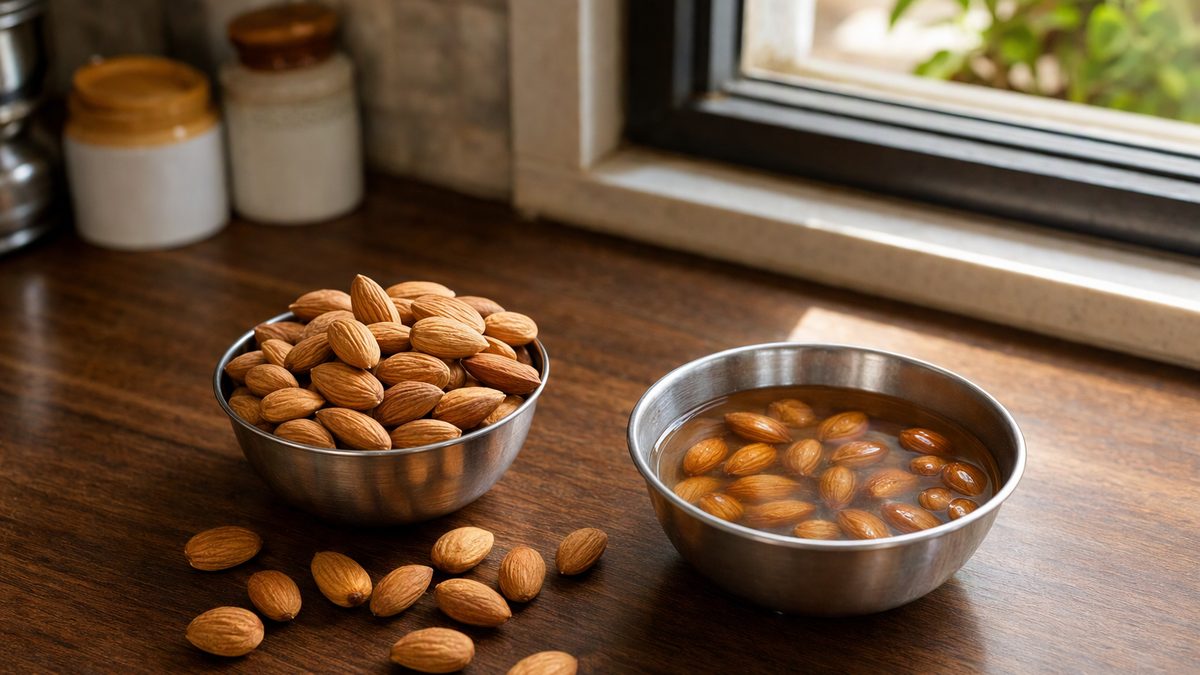
Calories and protein in 1, 4, 5, 10 and 20 almonds, a 30 g handful and 100 g, with fat and fibre, from USDA and IFCT 2017, and how many a day is sensible.
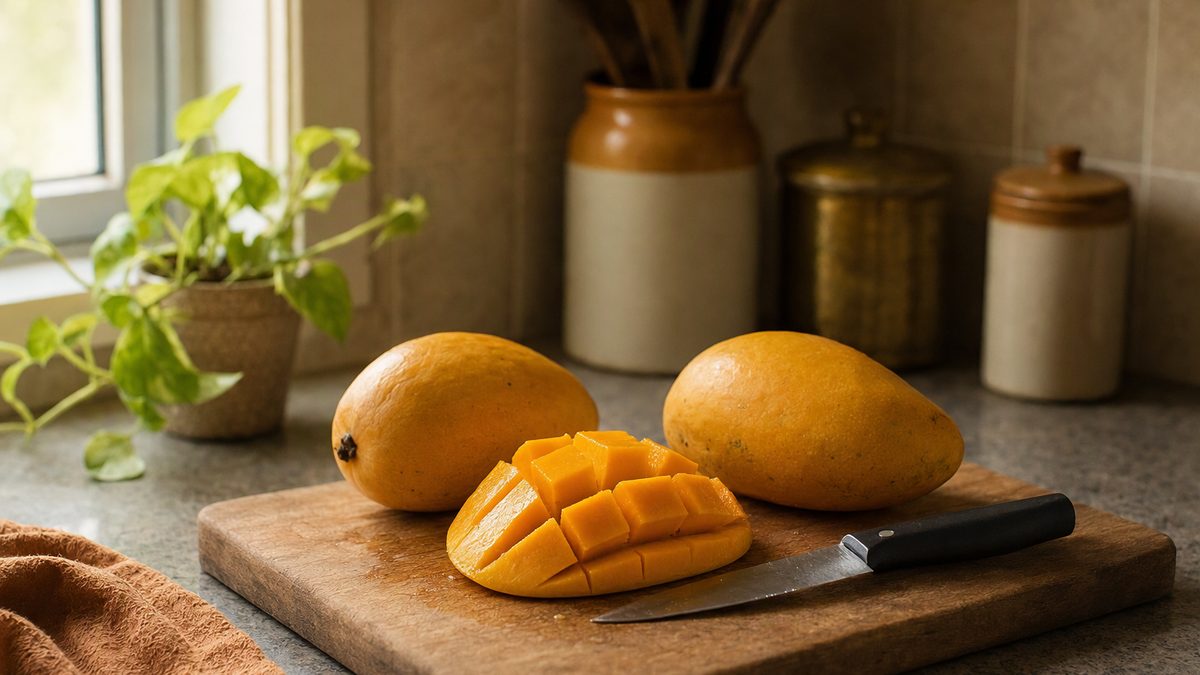
Calories in 1 mango, 100 g, a cup and a large mango, for Kesar, Totapuri, Banganapalli, Himsagar and more, with sugar, fibre and vitamin C from IFCT 2017.
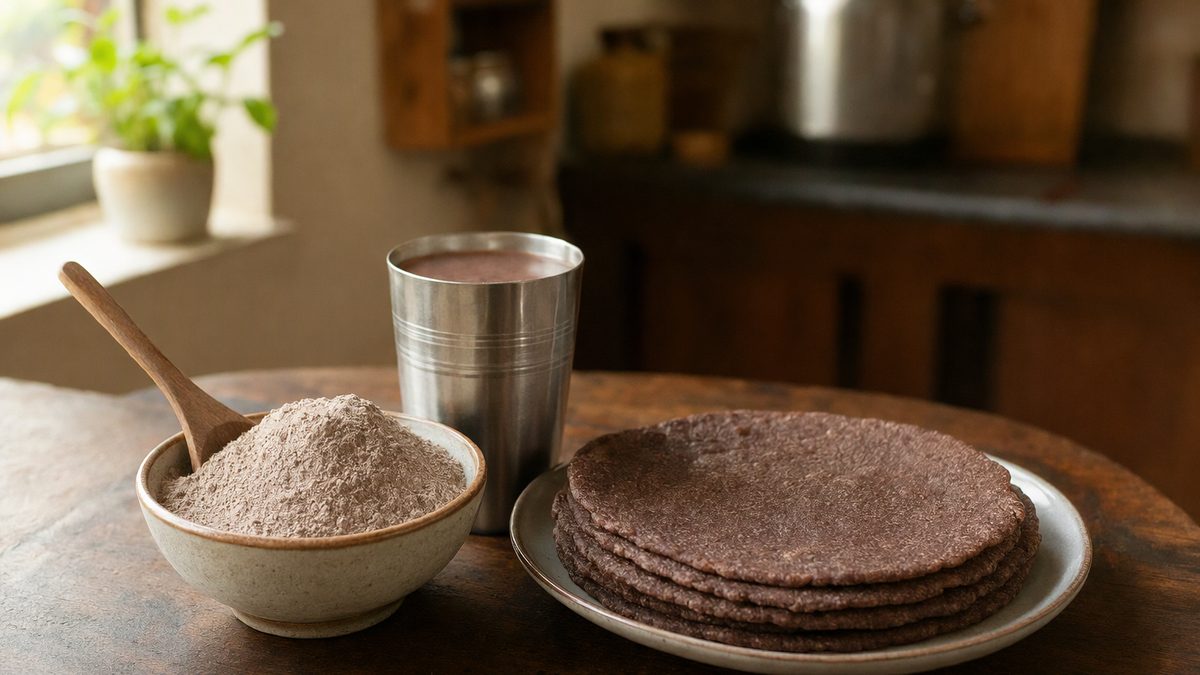
Ragi (finger millet) per 100 g and per 20 g, 30 g and 50 g flour: calories, protein, fibre and calcium from IFCT 2017, compared with bajra, jowar, wheat and rice.
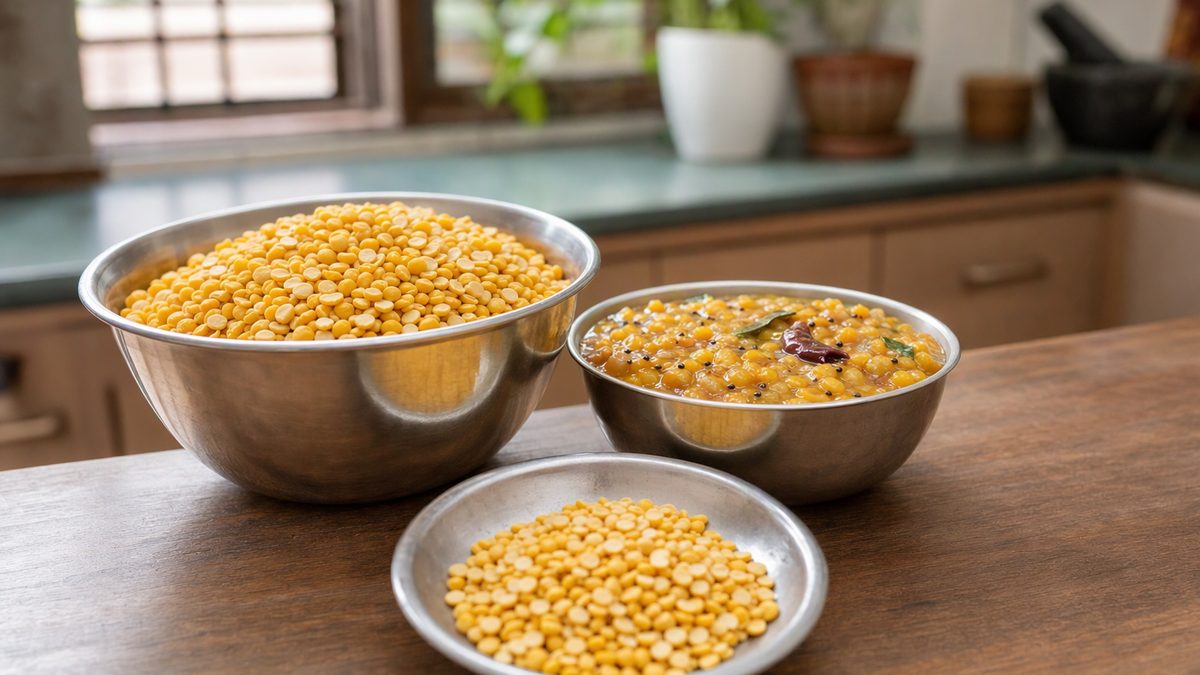
Chana dal protein per 100 g dry and cooked, plus 30 g, 50 g, a katori and a cup, with calories, fibre and a comparison with moong, masoor, toor and urad dal.
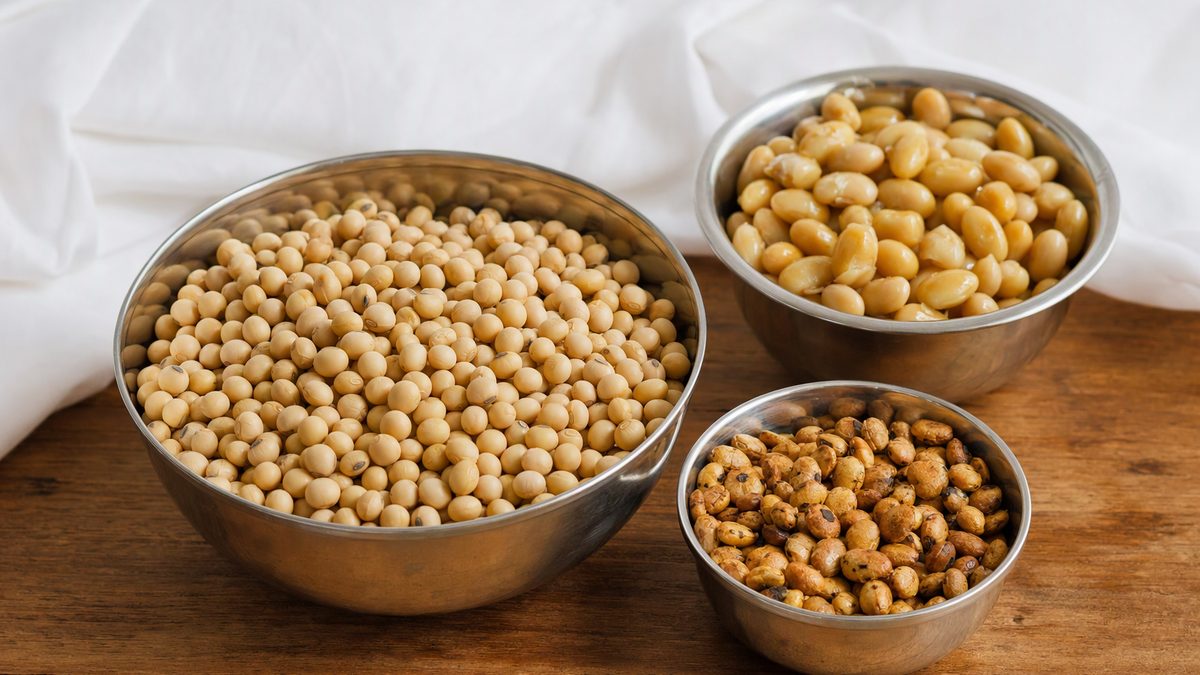
Soybean protein per 100 g dry, boiled, roasted and sprouted, plus 30 g, 50 g, katori and cup amounts, with calories, fat, fibre and soy flour, from IFCT and USDA.
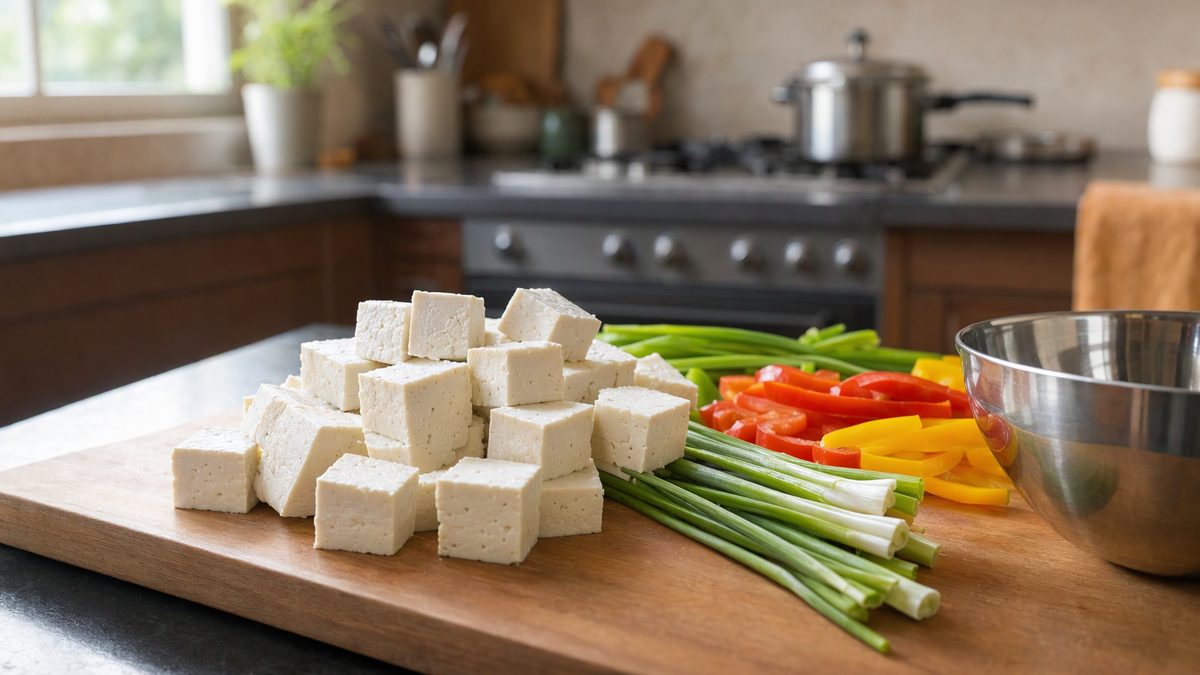
Tofu protein per 100 g for firm, regular, silken and fried tofu, plus 50 g to 250 g blocks, with calories, fat and a paneer, egg and chicken comparison.
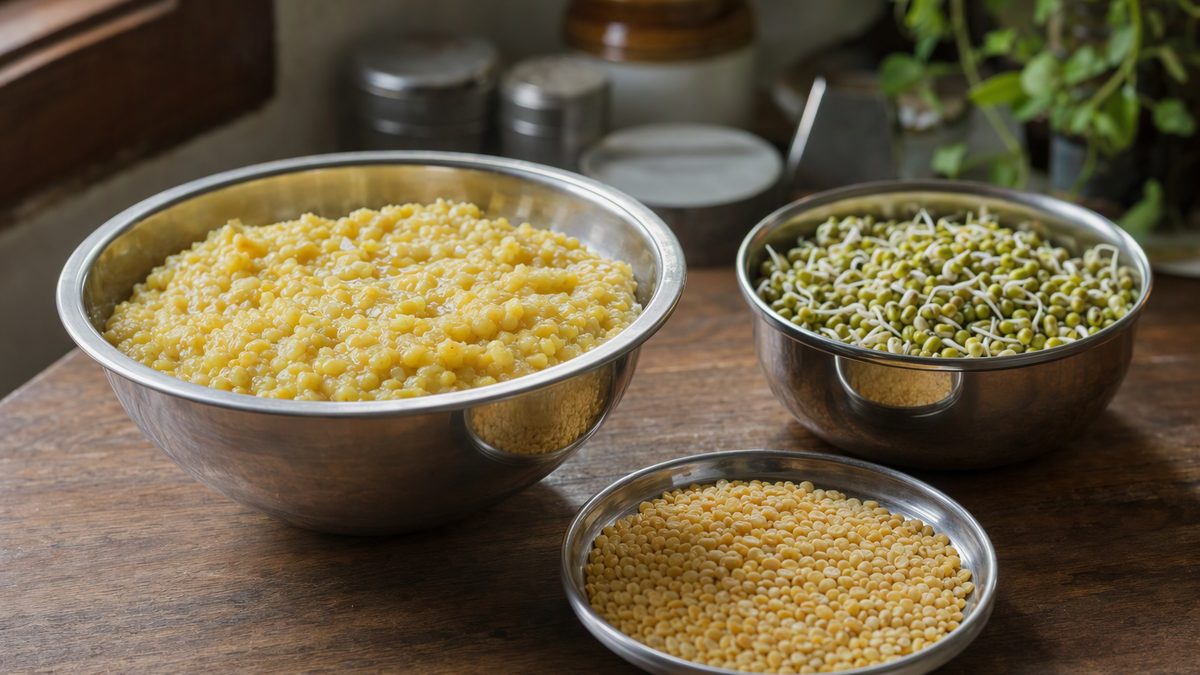
Moong dal protein per 100 g dry, boiled and sprouted, plus 30 g, 50 g, one katori and one cup, from IFCT 2017 and USDA, with calories and fibre.
Vitamin B12 in common Indian foods per serving and as a share of the daily value: liver, fish, eggs, milk, curd, cheese and fortified foods, veg and non-veg.
Protein and calories in Amul High Protein Milk, Lassi, Buttermilk, Shake, Paneer and Whey, from Amul pack figures, compared with everyday milk, paneer and egg.
Protein in 100 g, 200 g, 250 g, half kg and 1 kg of chicken, plus a leg piece, for breast, thigh and drumstick, raw and cooked, with calories.
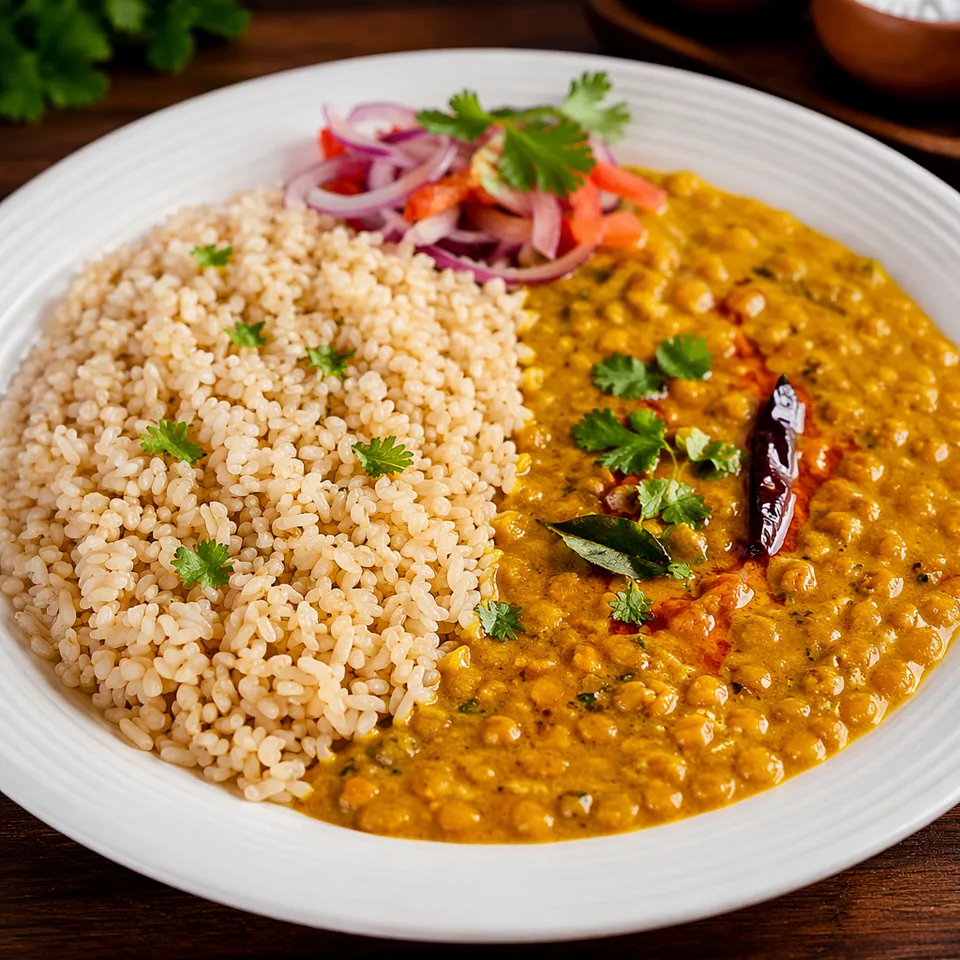
A katori of plain dal is about 100–105 kcal and 6–7 g protein; dal tadka with 1 tsp ghee is about 150 kcal. Toor, moong, masoor, chana and dal fry compared.
100 g of paneer has about 258 kcal and 18.9 g protein (IFCT 2017); full-fat packs are higher. Compare low-fat paneer, per-cube values, bhurji, tikka, palak paneer and paneer butter masala.
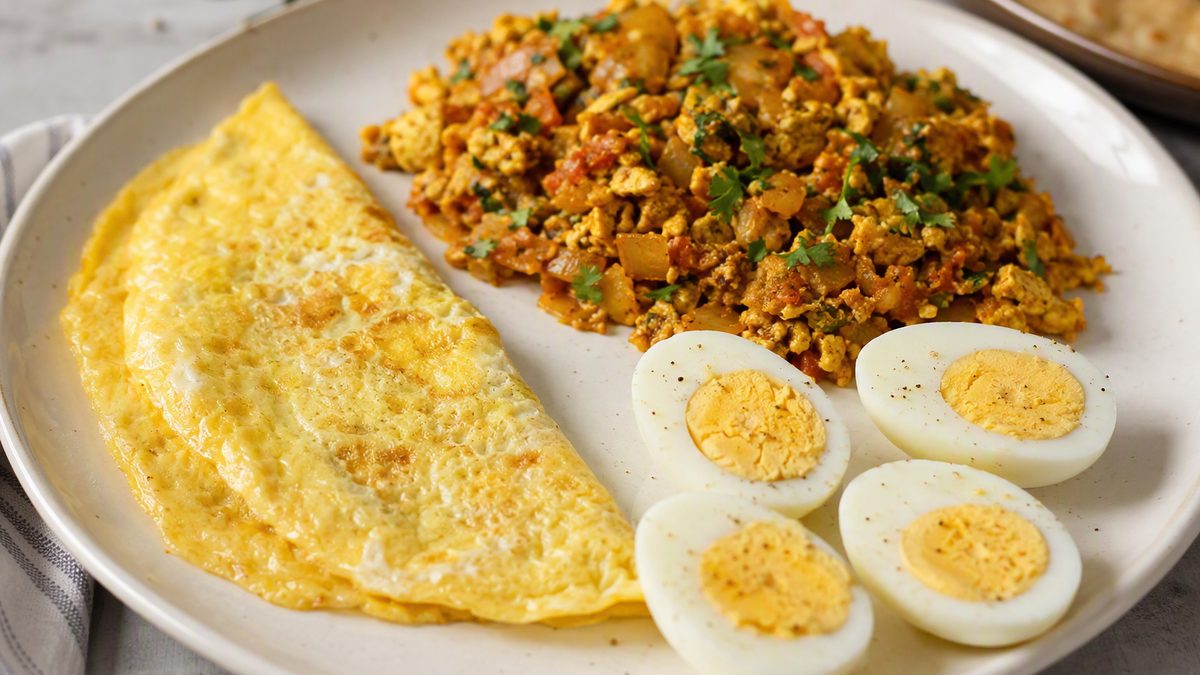
A large boiled egg has about 78 kcal and 6.3 g protein; 2 eggs about 155 kcal. Compare egg white, omelette, bhurji, fried egg and egg curry, with oil counted.
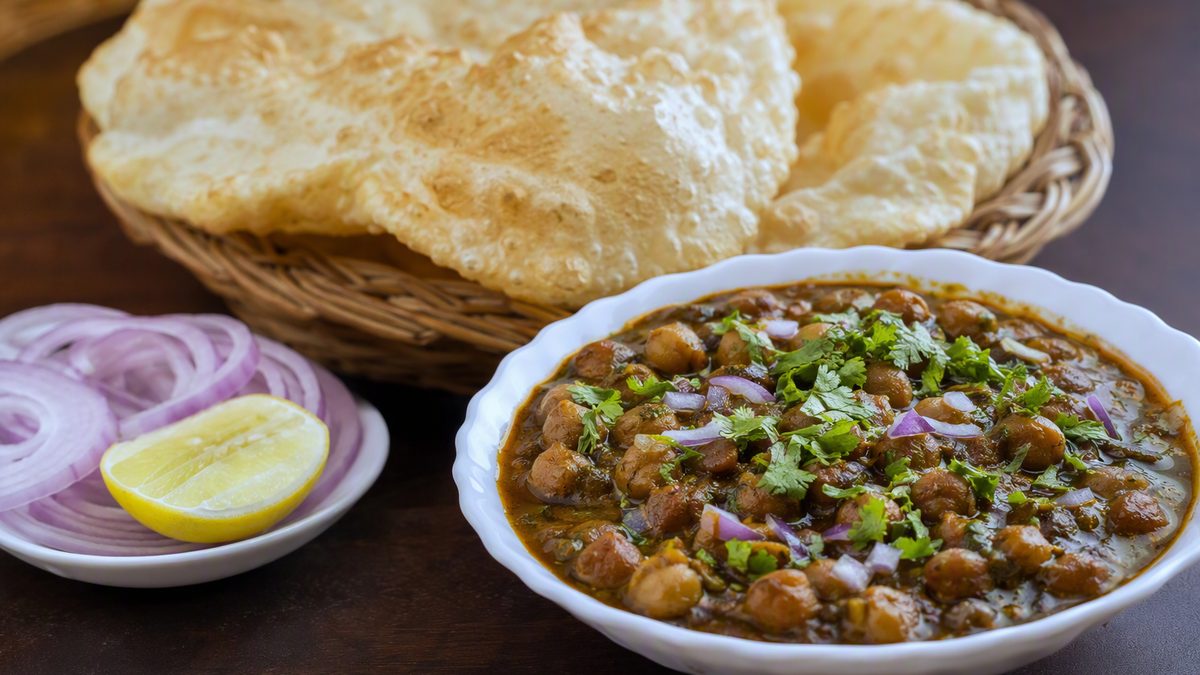
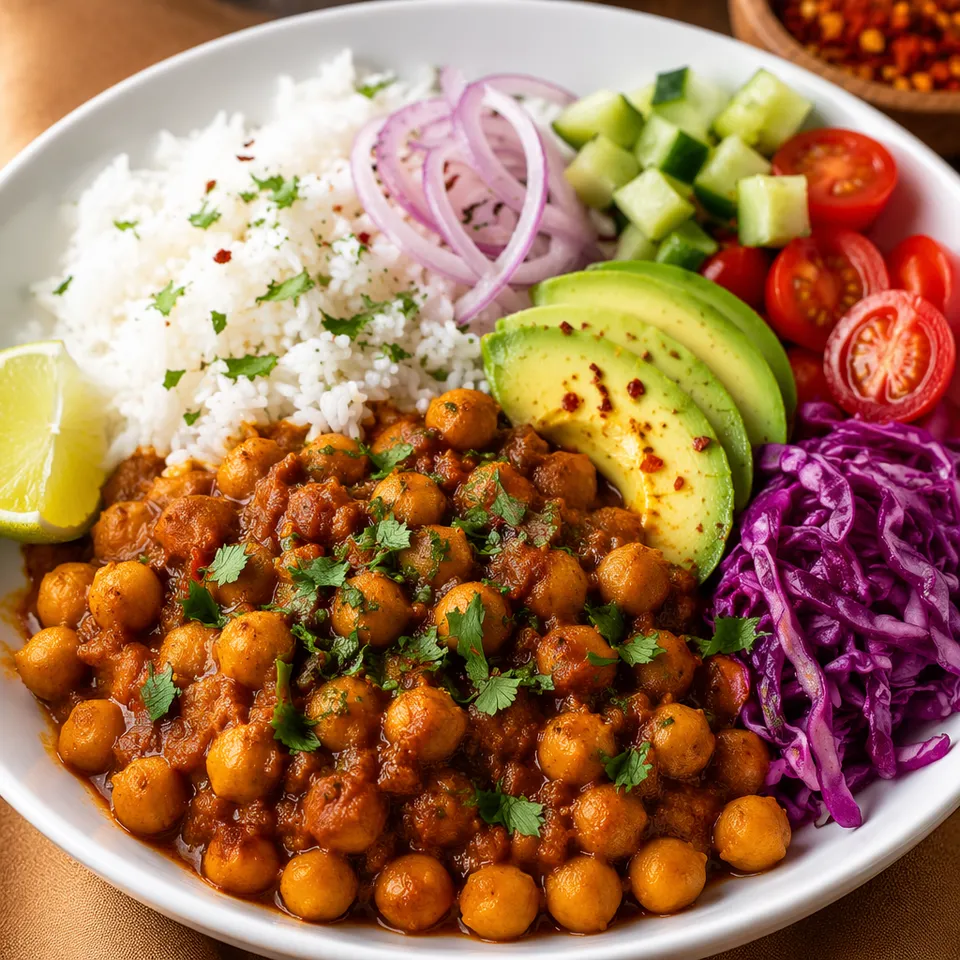
A katori of home chole is about 240 kcal and 9.5 g protein; a chole bhature plate with 2 bhature is about 850 kcal. Chole kulche, chole chawal and chana chaat compared.
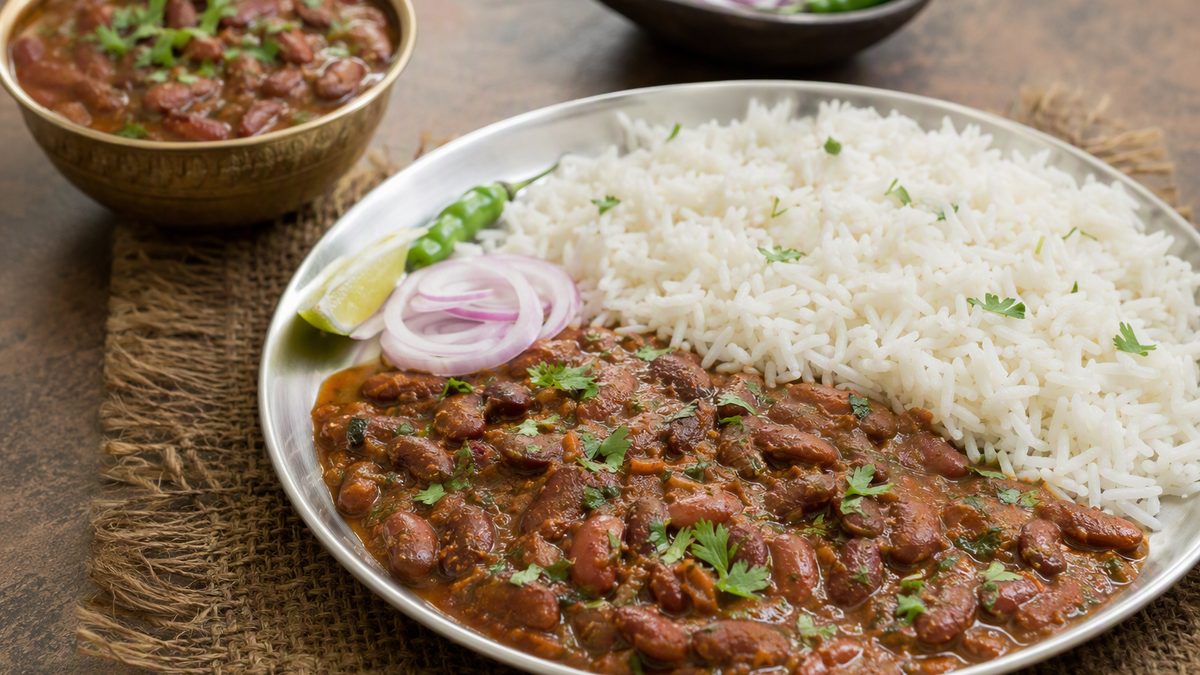
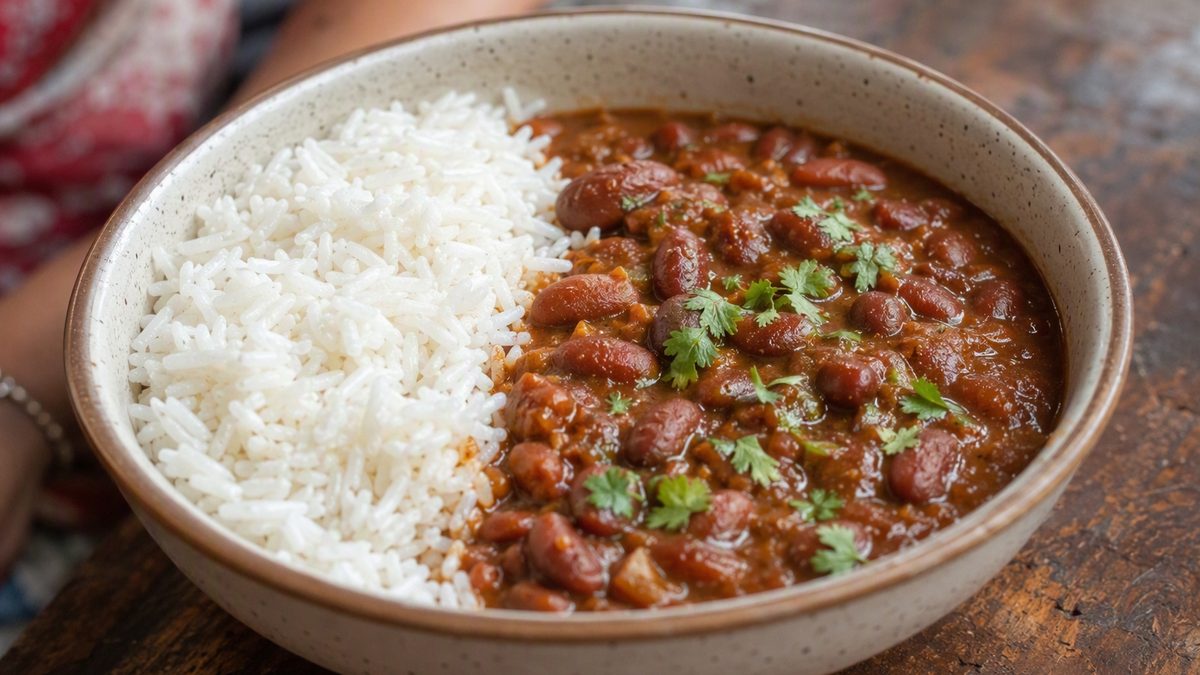
A katori of home rajma curry has about 155 kcal and 7 g protein, and a standard rajma chawal plate about 350 kcal. Boiled, thick, restaurant and generous plates compared.
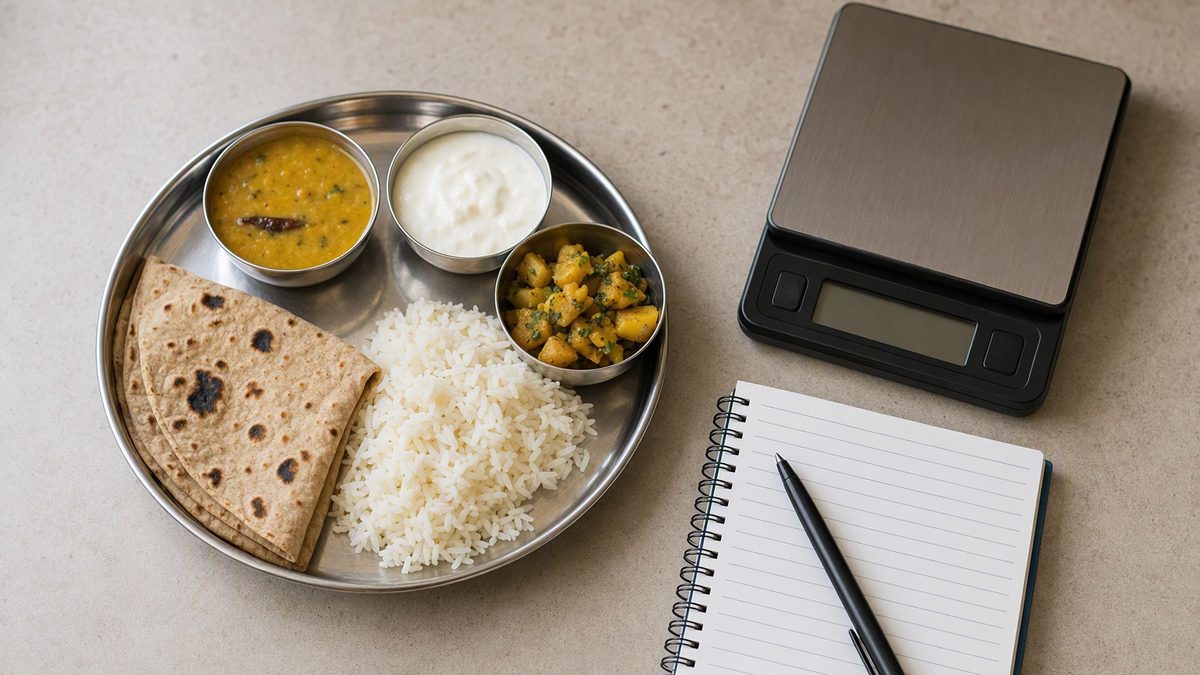
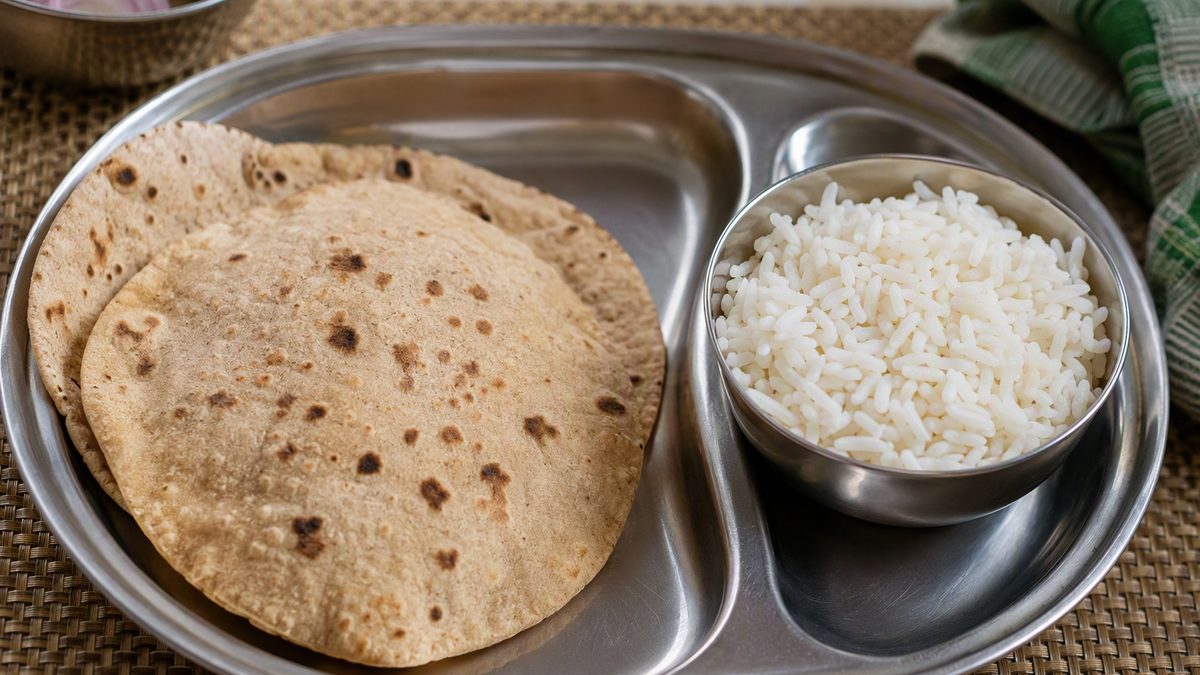
Two medium rotis and one katori of rice both have about 195 kcal, but roti brings more protein and far more fibre. GI, fullness and portion swaps compared.
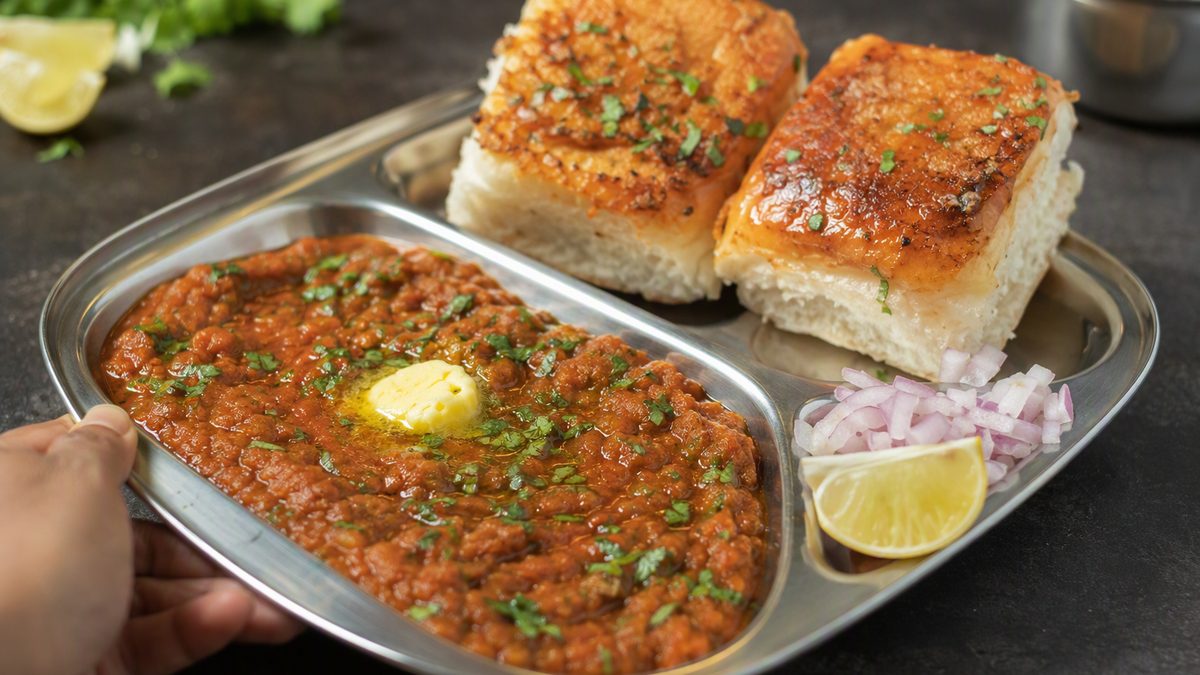
A home plate of pav bhaji (250 g bhaji + 2 butter pav) is about 560 kcal and 12 g protein. Bhaji per katori, pav, butter and street plates compared.
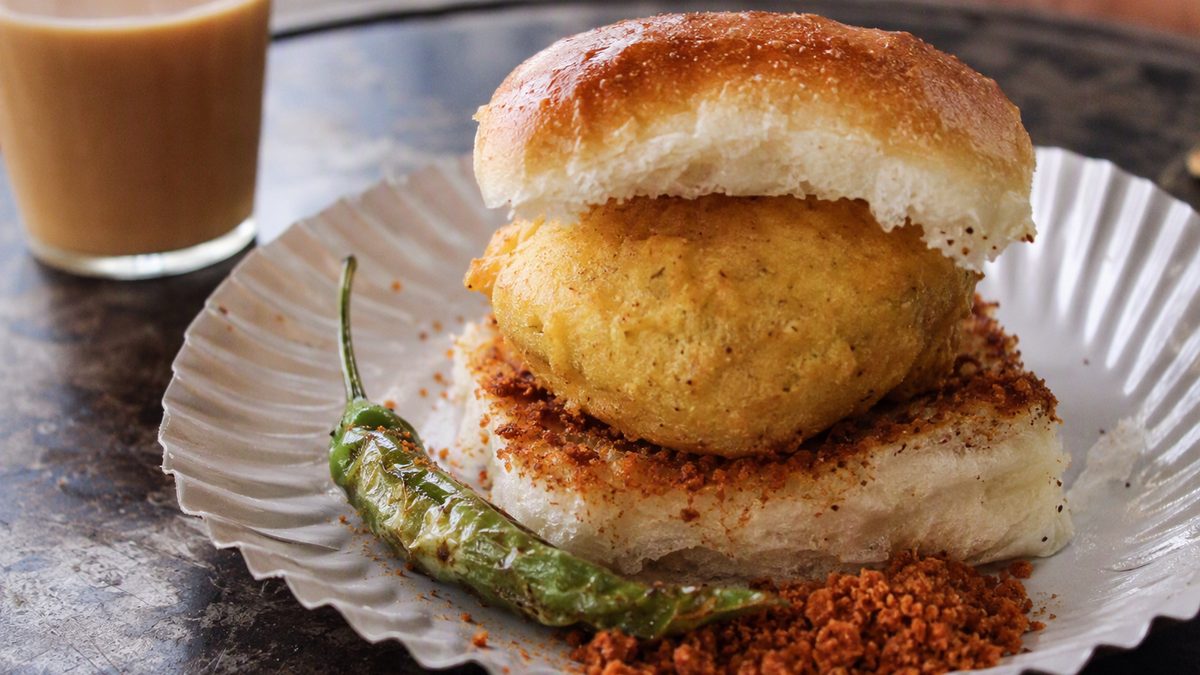
One vada pav with dry garlic and green chutney is about 330 kcal and 8 g protein; the fried vada alone about 190 kcal. Air-fried, butter and cheese compared.
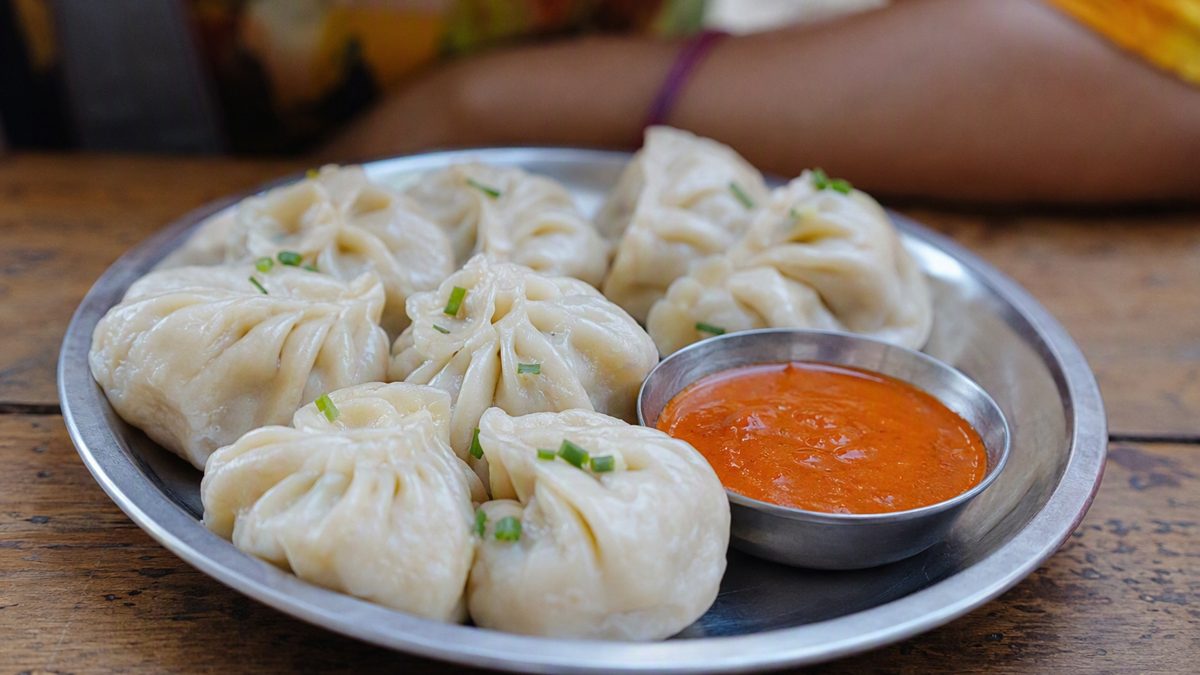
A steamed veg momo is about 45 kcal and a chicken momo 58 kcal; 6 steamed chicken momos are about 350 kcal and 20 g protein. Fried, tandoori and mayo compared.
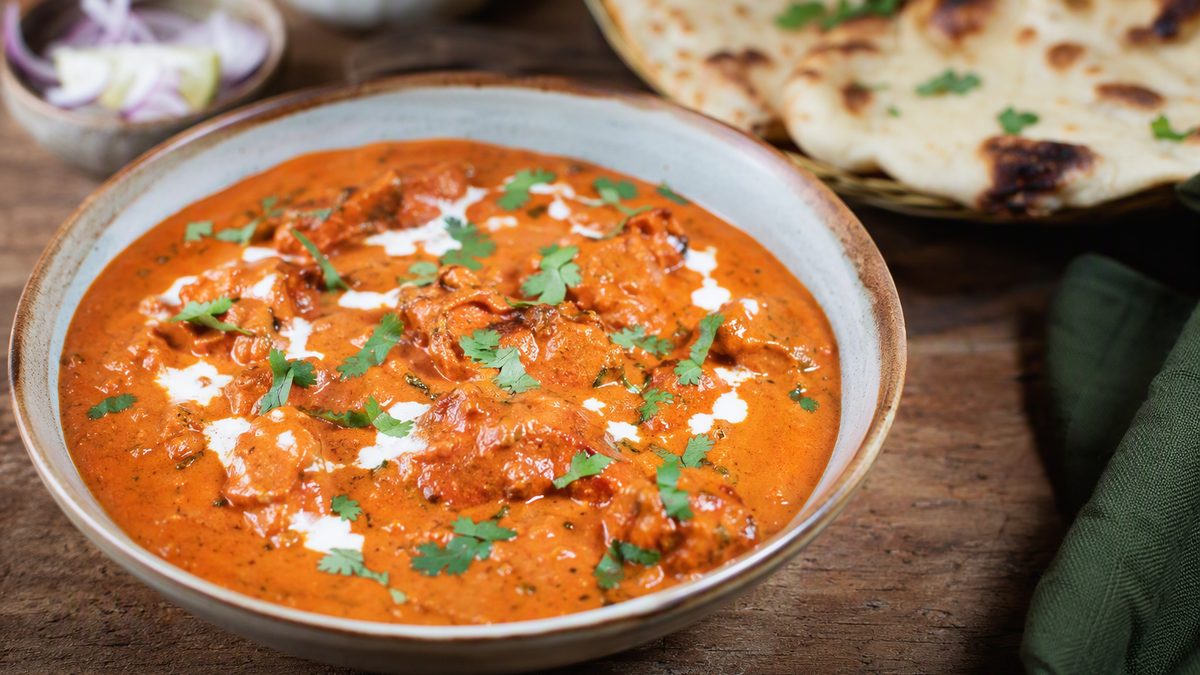
A home serving of butter chicken (250 g) is about 420 kcal and 28 g protein; 1 katori about 250 kcal. Restaurant portions, naan, rice and a lighter recipe.
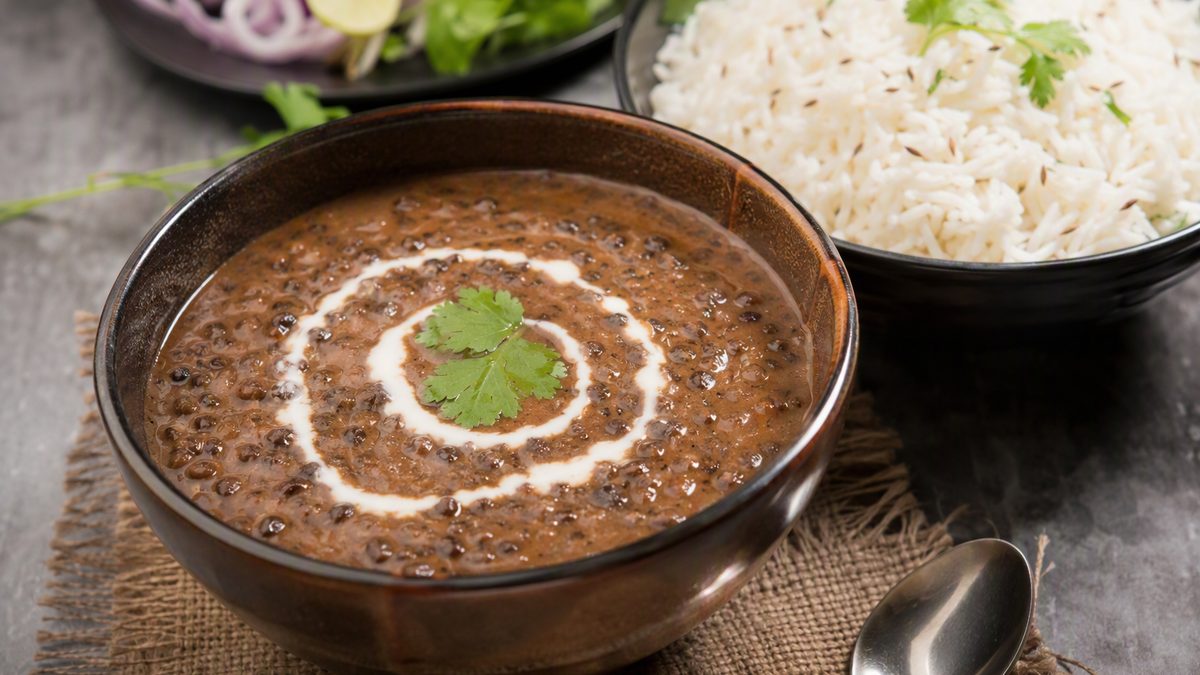
A katori (150 g) of home dal makhani is about 190 kcal and 7.4 g protein; restaurant versions run 250-350 kcal. Naan, jeera rice and a lighter recipe compared.
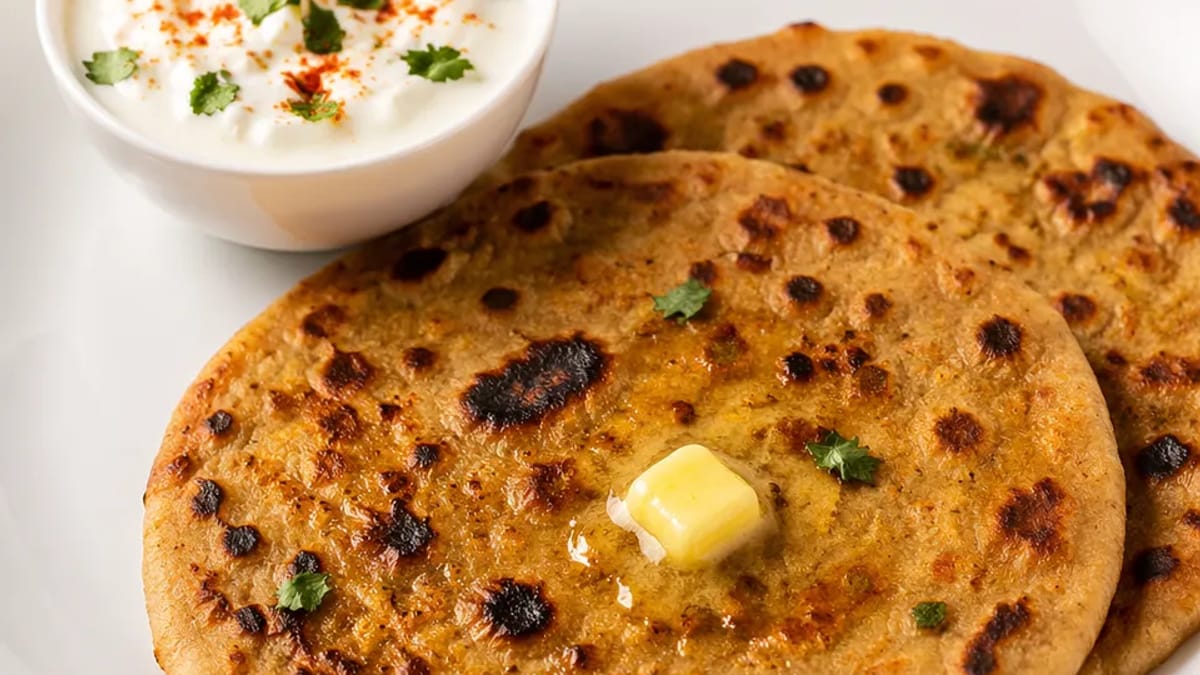
A medium plain paratha has about 195 kcal and an aloo paratha about 235 kcal, or 270 with butter. See calories in paratha by size, filling, ghee and butter.
Boiled rajma has about 8.7 g protein per 100 g and dry rajma 23.6 g. See protein per katori, rajma chawal plate calories and how much dry rajma gives 20 g.
One katori (150 g) of rava upma has about 180 kcal and 4.7 g protein; a full plate is about 355 kcal. See veg, oats and millet upma, with ghee or peanuts.
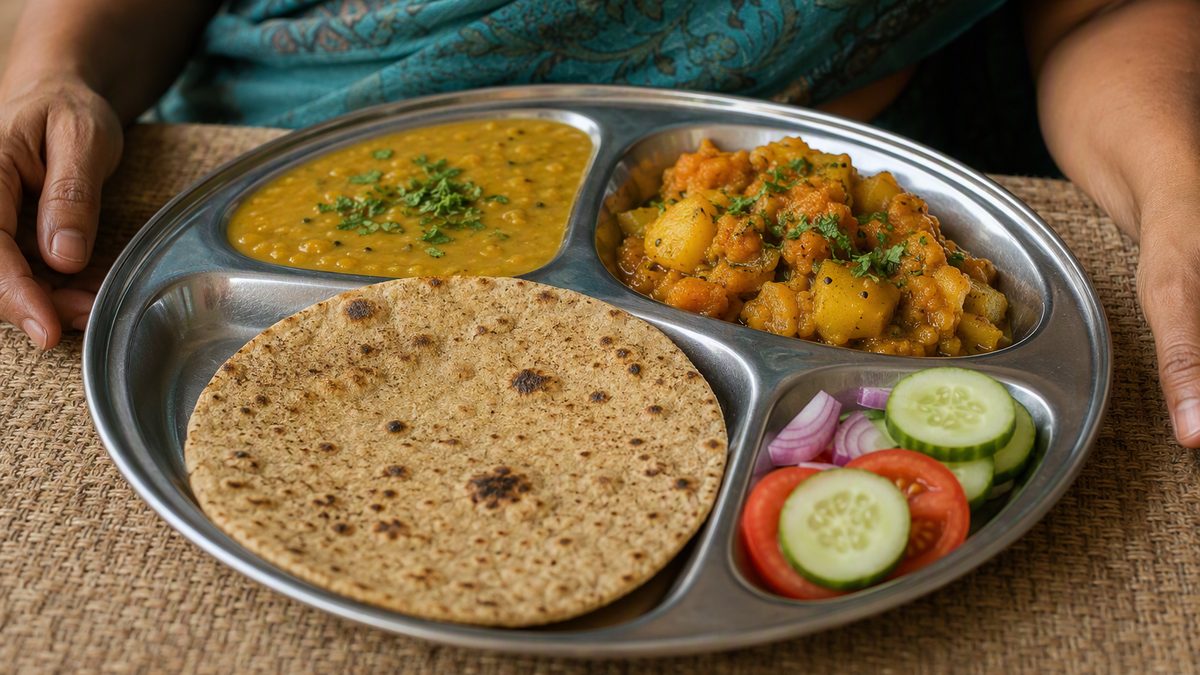
One katori (180 g) of moong dal khichdi has about 140 kcal and 6 g protein, or 185 kcal with a teaspoon of ghee. See plate calories and dal-to-rice ratios.
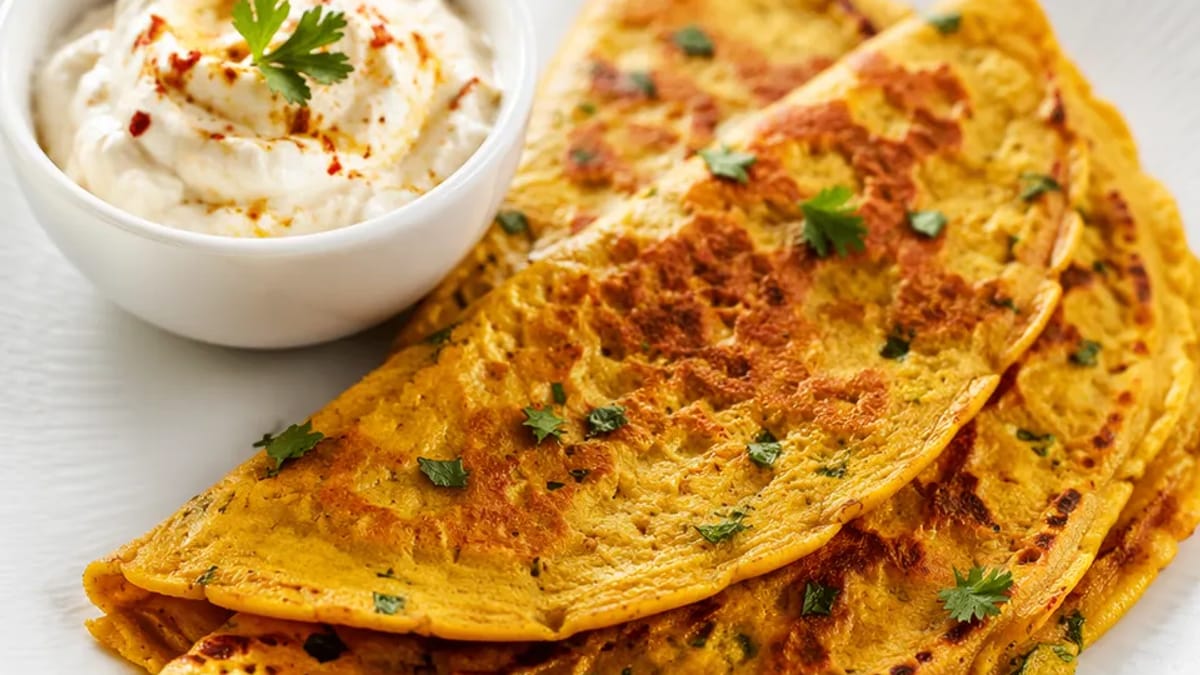
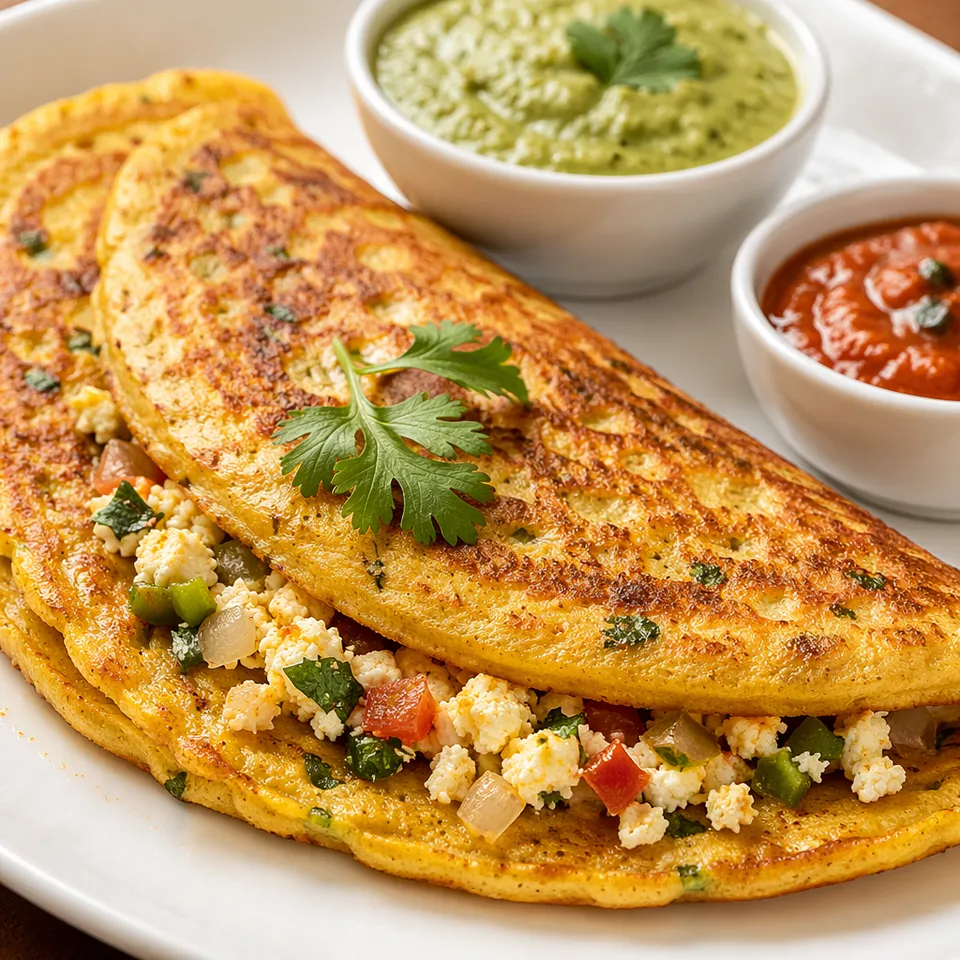
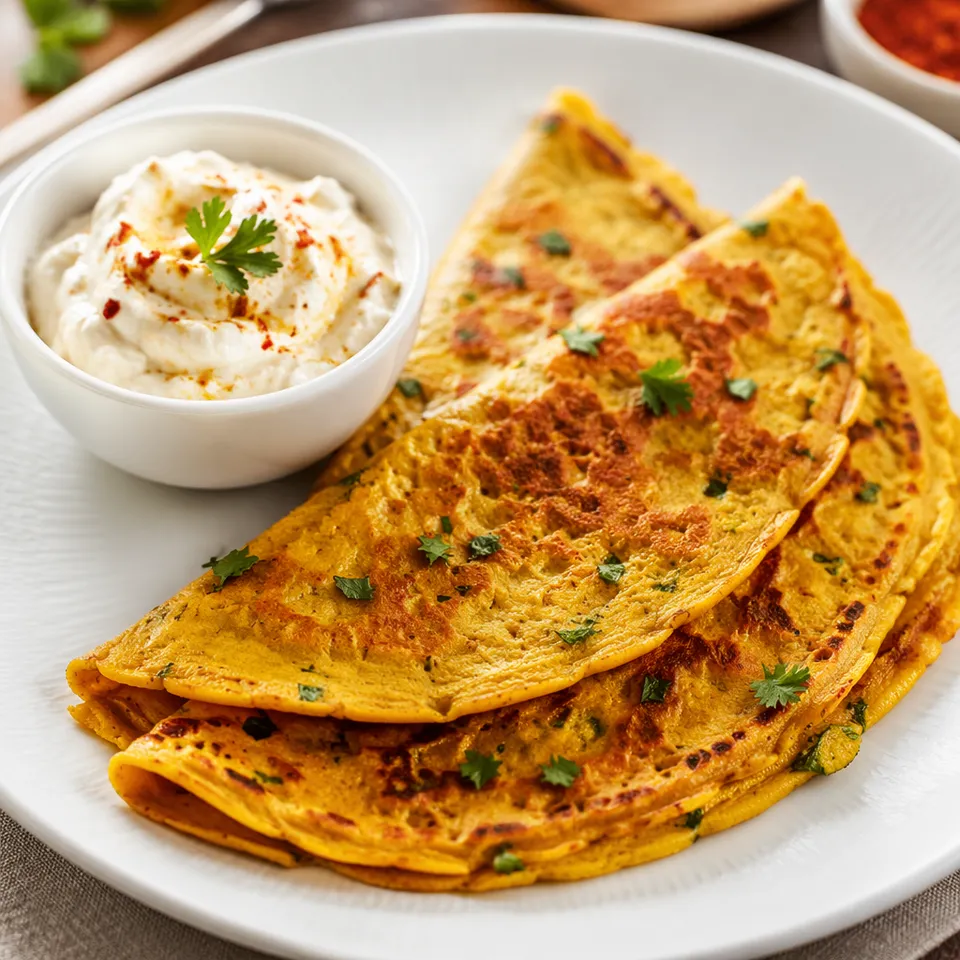
One medium besan chilla (30 g besan, ½ tsp oil) has about 140 kcal and 7 g protein. See calories and protein per chilla by size, with paneer and extra oil.
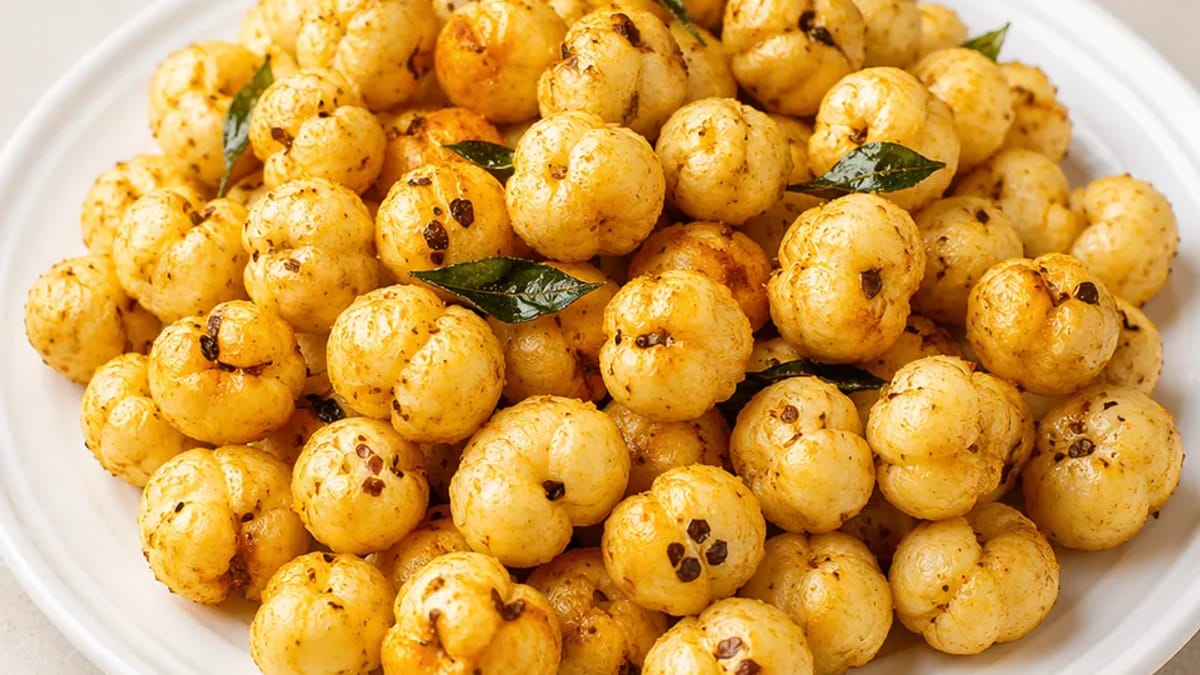
Plain makhana has about 347 kcal and 9.7 g protein per 100 g, so a 30 g handful is ~105 kcal. See ghee-roasted and flavoured pack calories per serving.
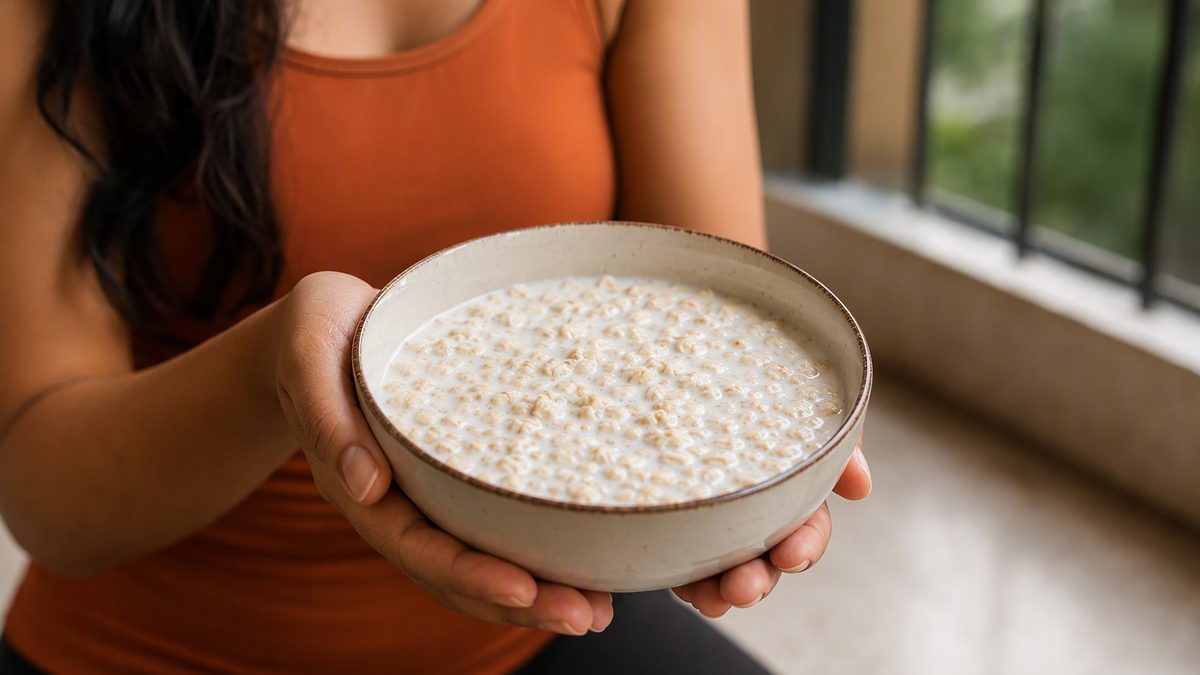
Rolled oats have about 13.2 g protein per 100 g dry, or 5.3 g in a 40 g serving. See protein in oats cooked with milk, masala oats and overnight oats.
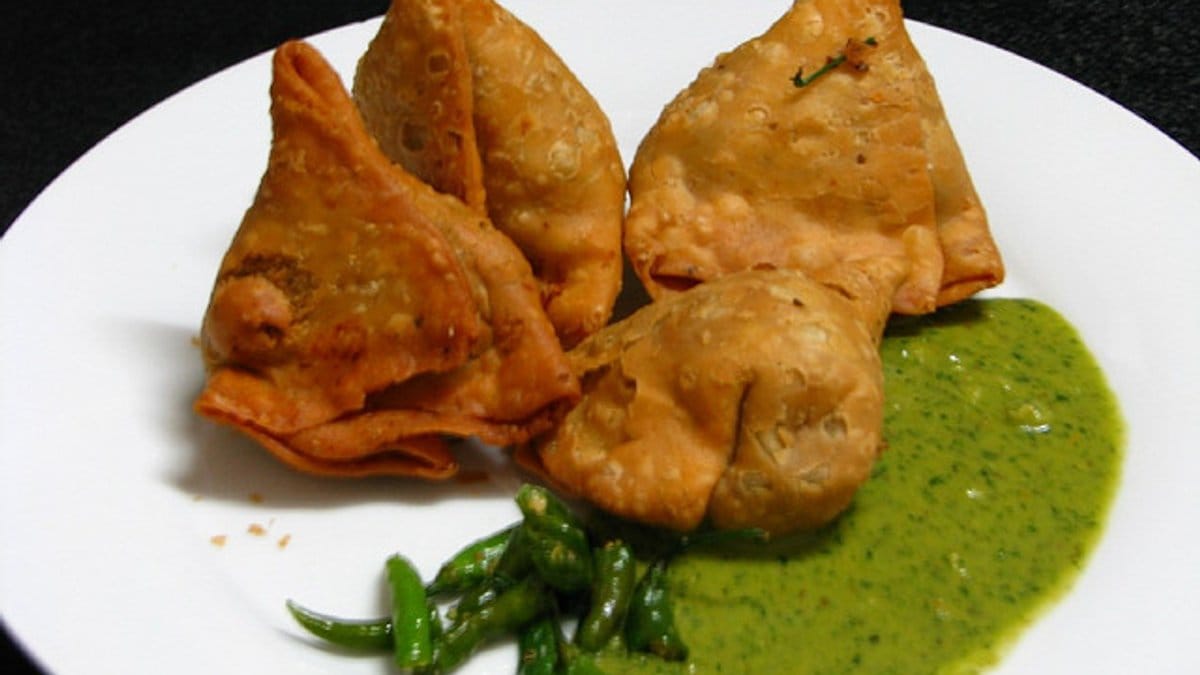
One medium aloo samosa (about 75 g) has roughly 240 kcal and 4 g protein when deep-fried, or about 200 kcal baked. See size, chutney, chaat and pav numbers.
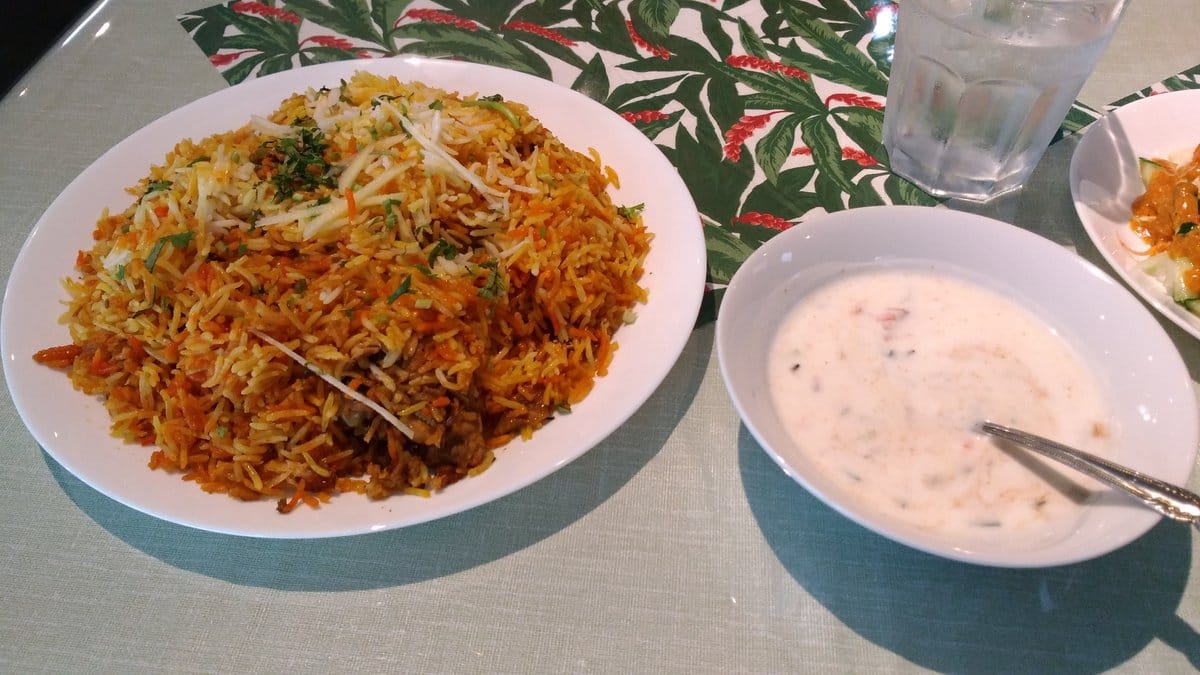
A home plate of chicken biryani (about 400 g) has roughly 650 kcal and 32 g protein; a katori is ~245 kcal. See mutton, veg, egg and restaurant biryani.
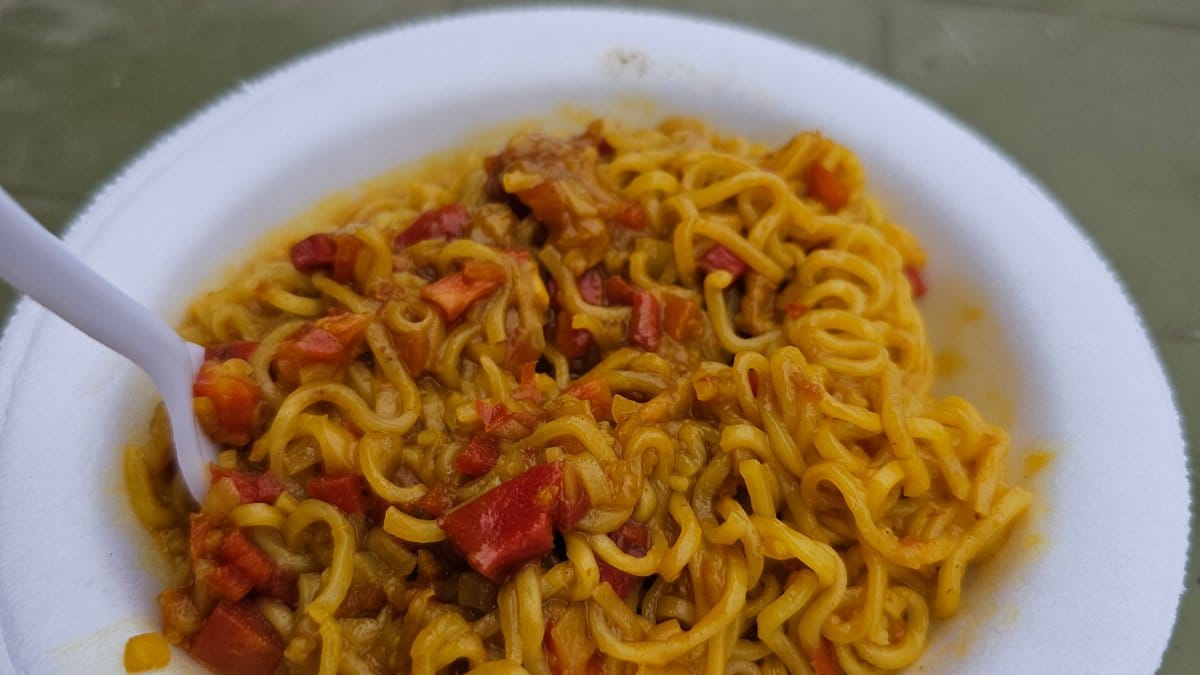
One serve of Maggi 2-Minute Noodles masala (75 g, Nestlé label) has 288 kcal and 6.2 g protein. See 2 packs and add-ins: egg, vegetables, butter, cheese.
Plant protein guide for India: soya, dal, peanuts, seeds, millets ranked per 100 g and serving, plus protein-rich vegetables, leucine and a vegan 100 g day.
Cheap protein sources in India ranked by cost per 25 g protein and protein per ₹10: soya chunks, dal, eggs, chicken, paneer, whey and more, with the maths.
Soya chunks protein: about 52 g per 100 g dry and 17 g per 100 g cooked. Full nutrition table, how much to eat a day, the testosterone myth and 3 recipes.
Paneer vs tofu per 100 g: protein, fat, calories, calcium and price in India compared side by side, plus which is better for muscle gain and fat loss.
Protein in dal is 21–26 g per 100 g dry but only 6–8 g per cooked katori. Compare moong, masoor, toor, chana, urad and rajma, and make dal high-protein.
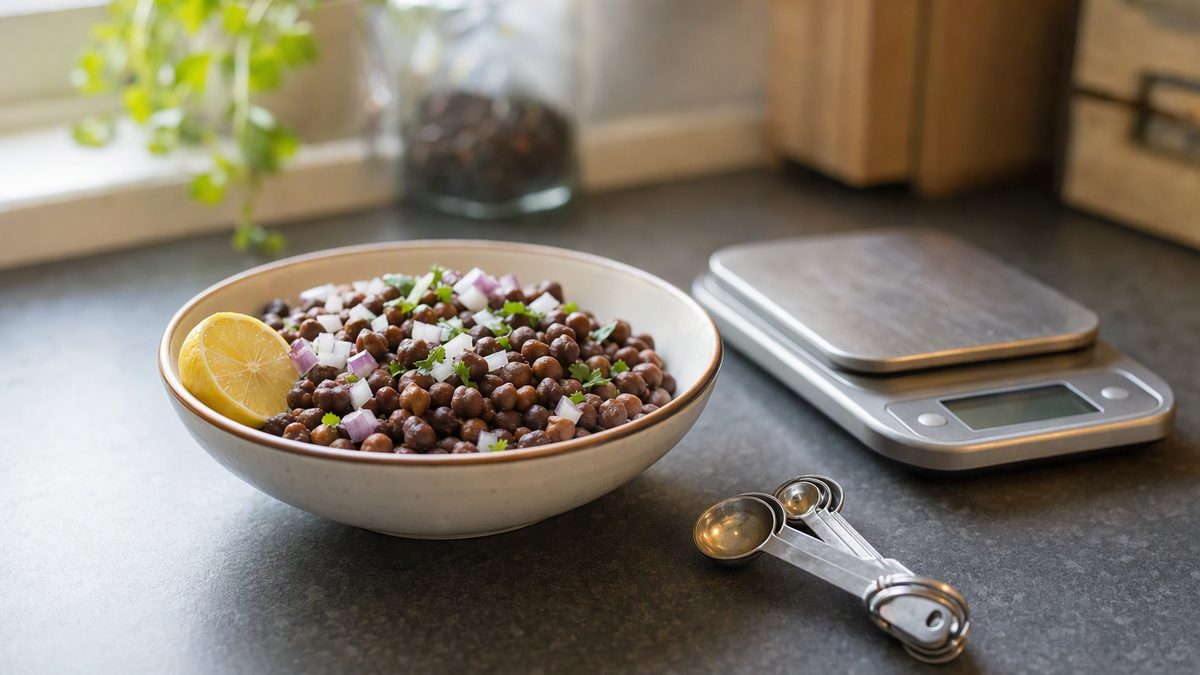
Protein in chana is 18–21 g per 100 g dry and ~9 g boiled. Compare kabuli chana, kala chana, roasted chana, sattu and sprouted chana side by side.
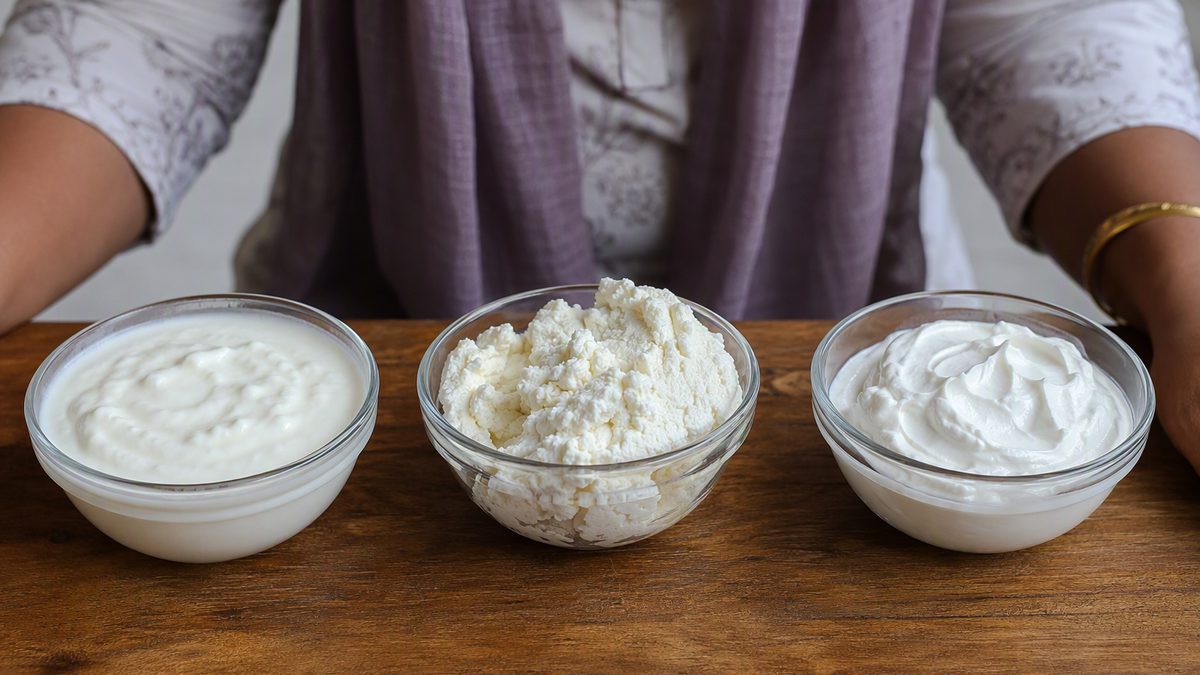
Protein in curd is about 3–3.5 g per 100 g, or ~5 g per katori. Hung curd and Greek yogurt have 9–11 g. Compare dahi, skyr and chaas, and make hung curd.
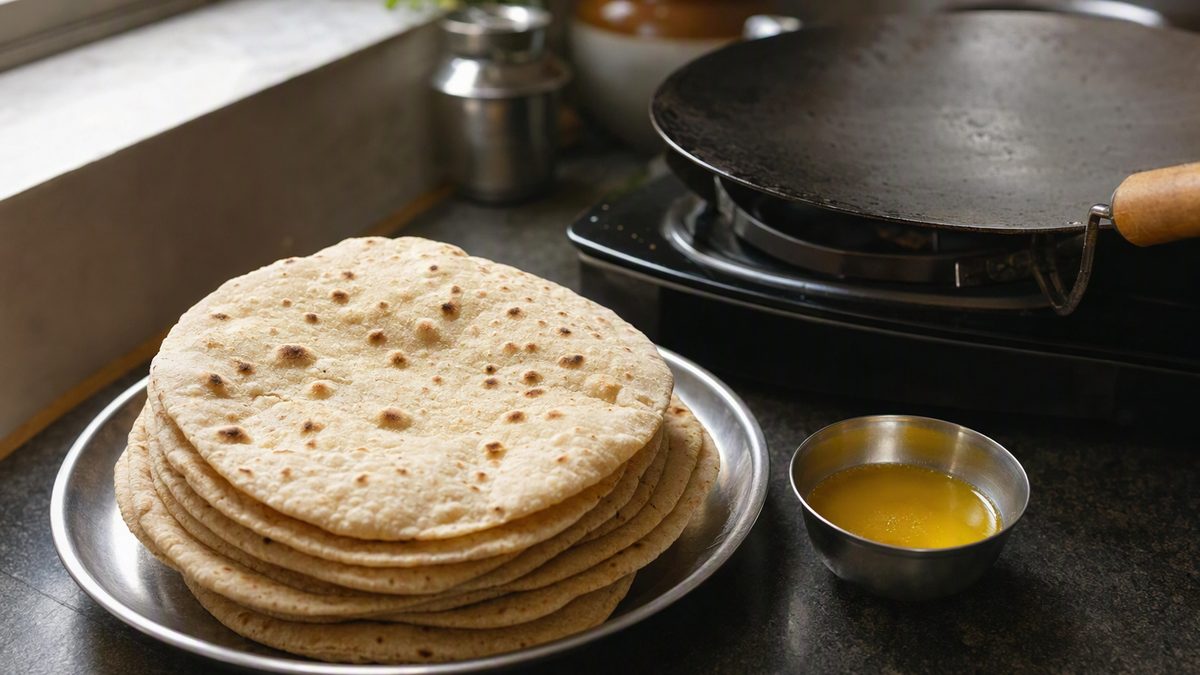
A medium chapati (40 g) has about 95–100 kcal and 3 g protein. See calories in roti by size, with ghee, and for multigrain, bajra, jowar and ragi rotis.
One katori (150 g) of cooked white rice has about 195 kcal and 4 g protein. Compare brown, basmati, red, jeera rice and poha, and see if rice fits fat loss.
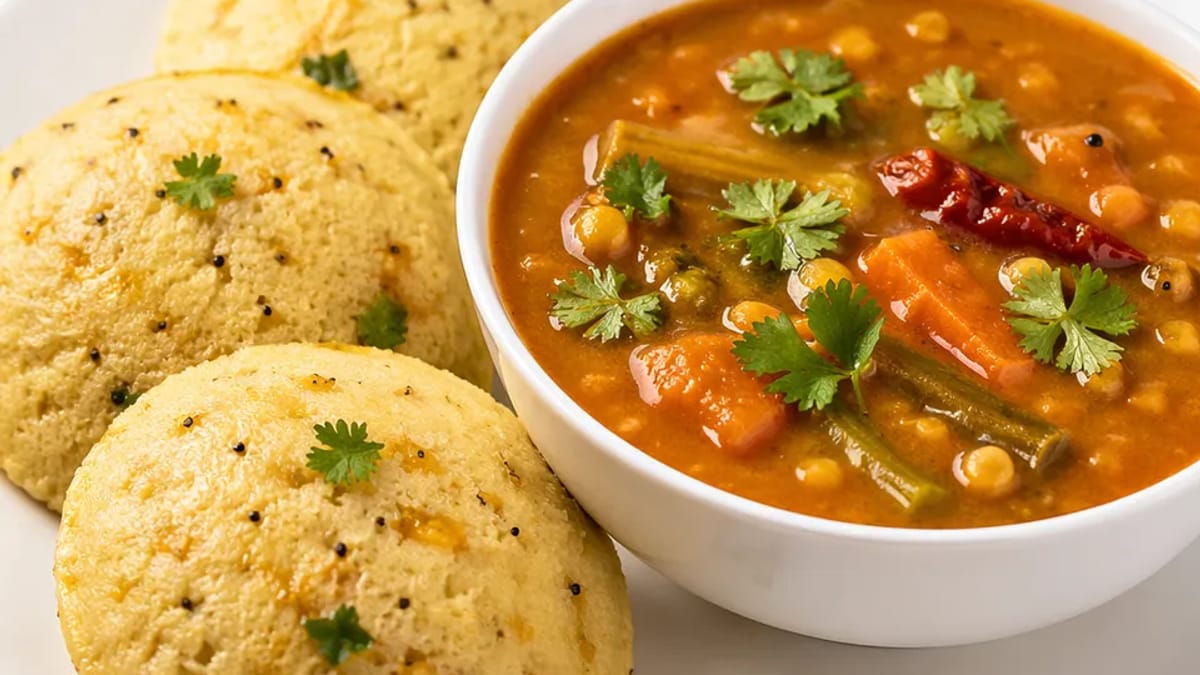
One medium idli (40 g) has about 52 kcal and 2.5 g protein. See idli calories by size, with sambar and chutney, and rava vs rice vs oats idli for weight loss.
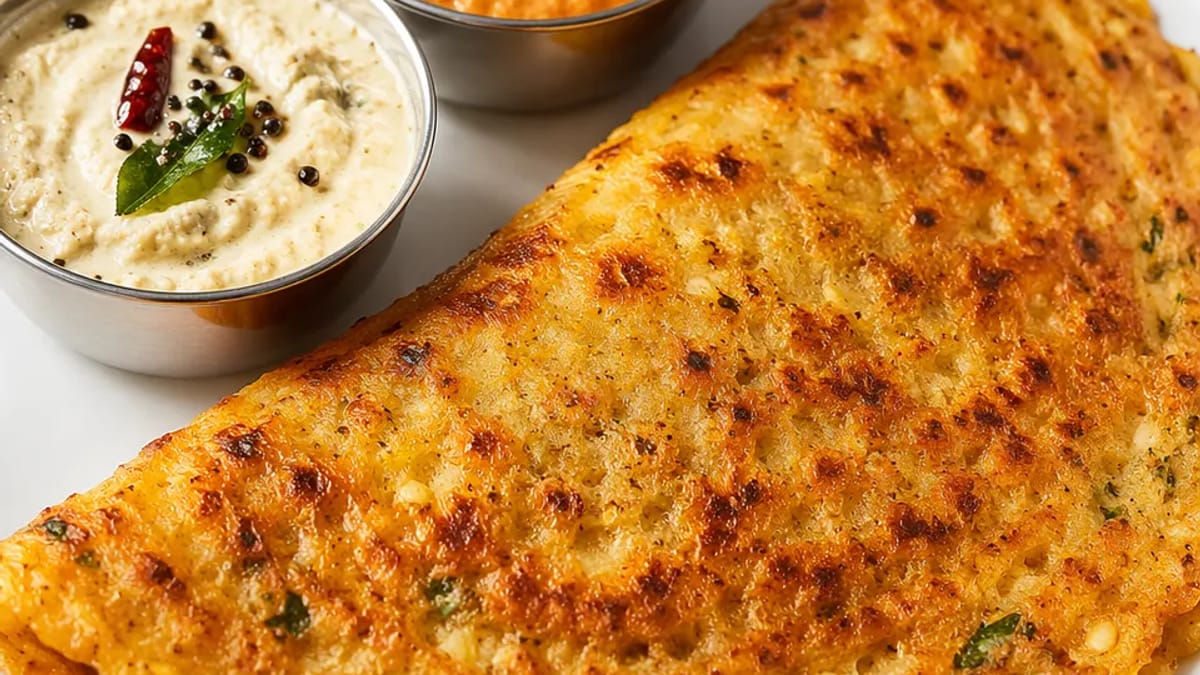
A home plain dosa (60 g) has about 125 kcal and 3.4 g protein. Compare masala, rava, set dosa, pesarattu and oats dosa per piece, plus restaurant vs home.
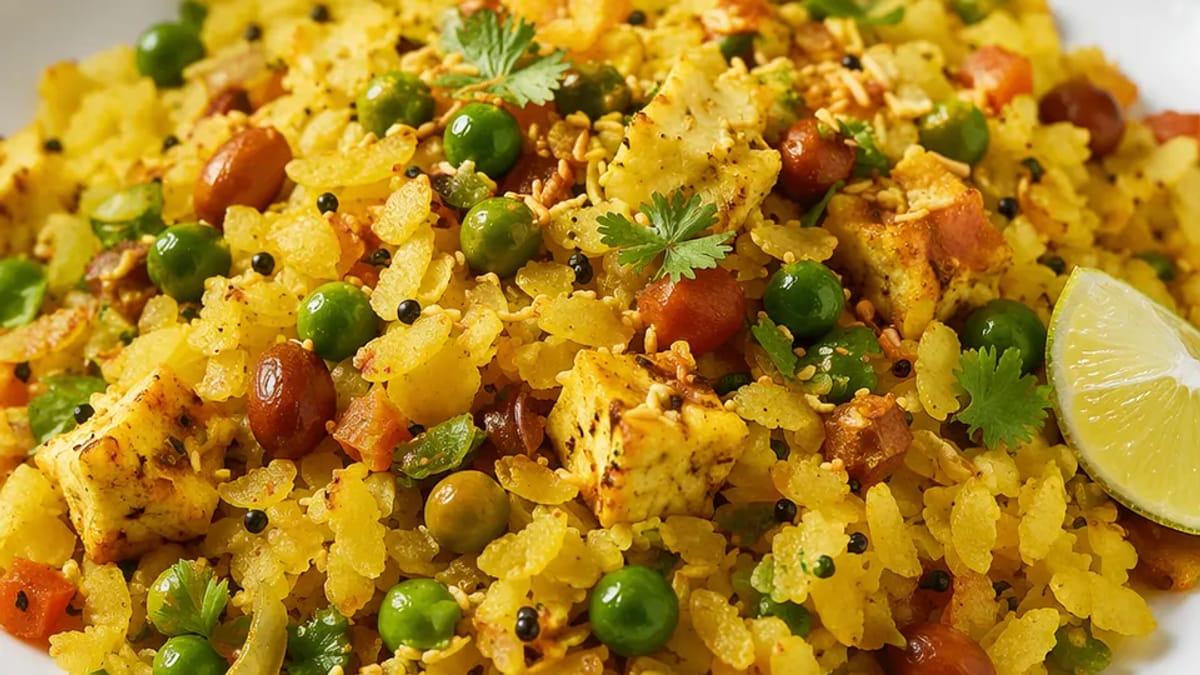
A plate of kanda poha (about 180 g) has around 300 kcal and 4.5 g protein; with peanuts about 390 kcal. See the full breakdown and a 20 g protein poha recipe.
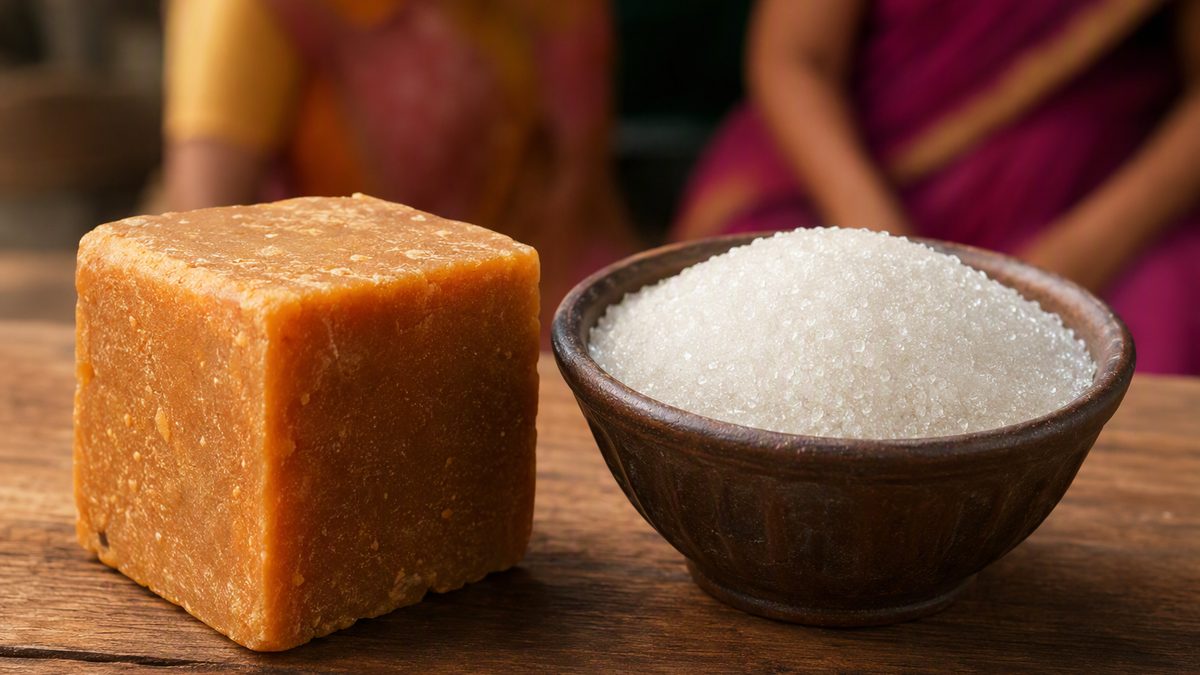
Jaggery vs sugar: both have ~38–39 kcal per 10 g and raise blood sugar. See the real mineral difference and whether gud helps weight loss or diabetes.
One large egg (50 g) has about 6.3 g protein and 72 kcal. See protein in 2, 3, 4 and 6 eggs, white vs yolk, boiled vs omelette, and desi vs farm eggs.
Chicken breast has 22.5 g protein per 100 g raw and 31 g cooked. Compare thigh, leg, mutton, rohu, surmai and prawns, and see how oil changes Indian dishes.
Milk has about 3–3.4 g protein per 100 ml, or 8 g in a 250 ml glass. Compare toned, double toned, full cream, buffalo, cow, soy, almond and oat milk.
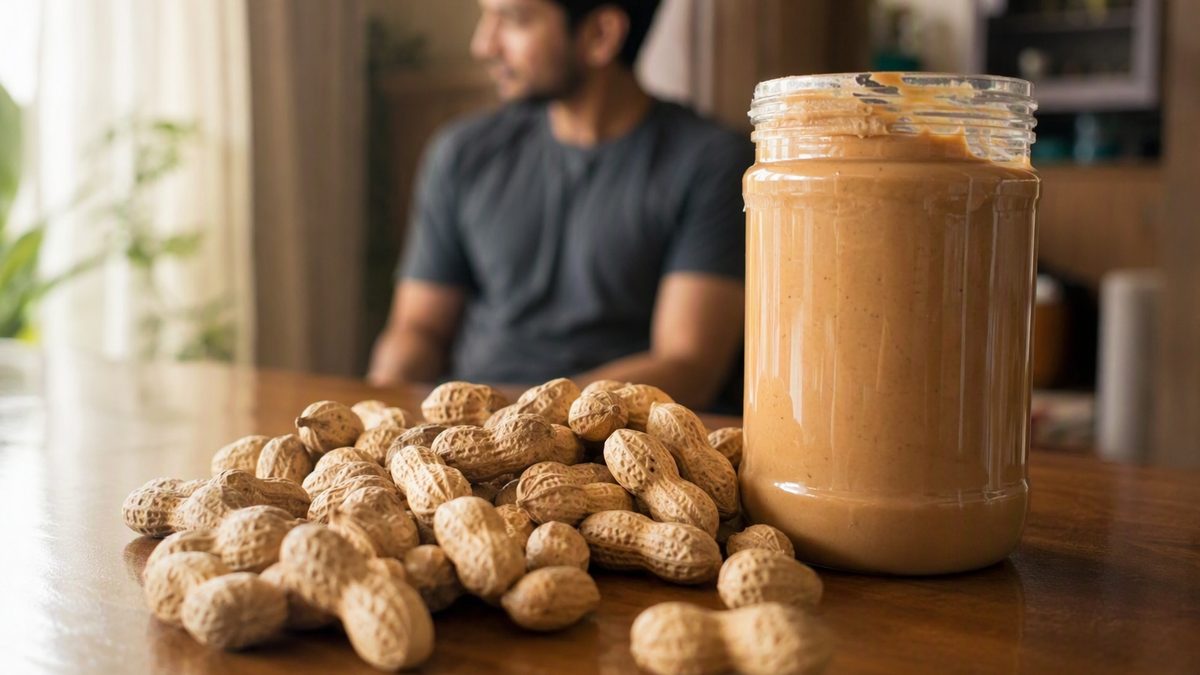
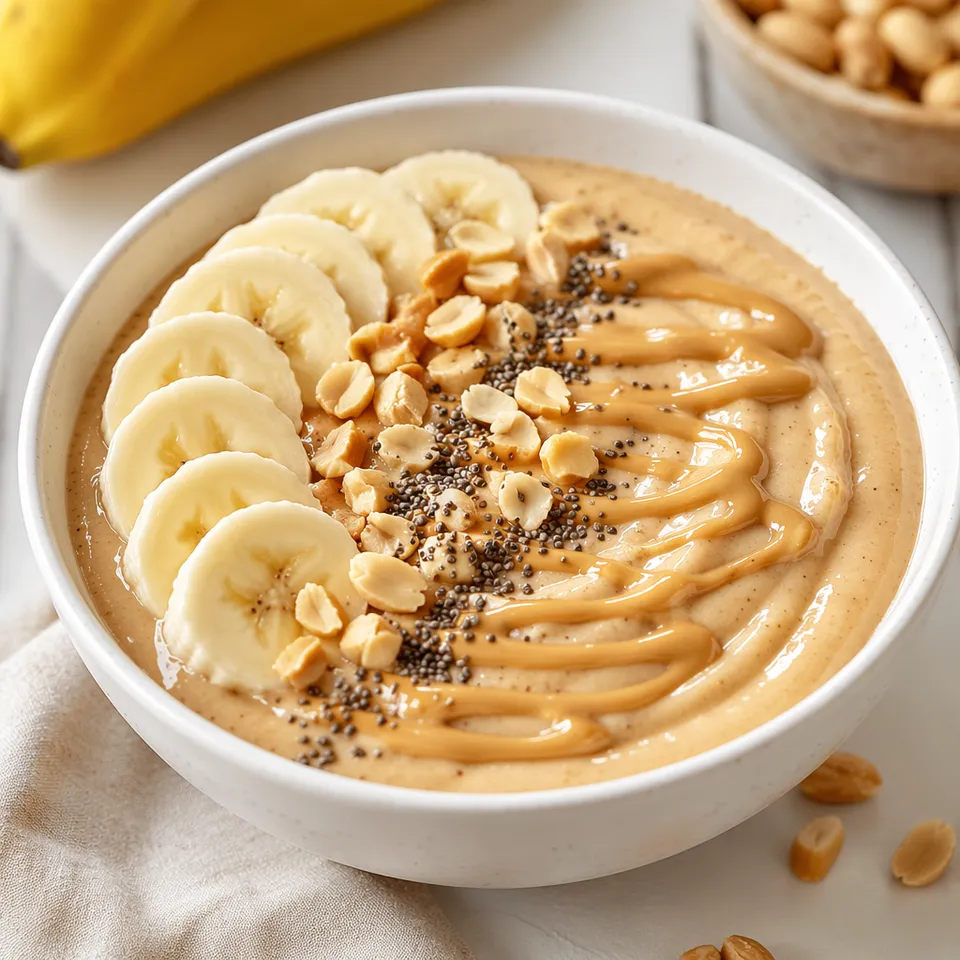
Raw peanuts have about 25.8 g protein per 100 g, or 7.7 g in a 30 g handful. See roasted vs boiled, peanut butter per tablespoon and peanuts vs almonds.
A medium banana (118 g peeled) has about 105 kcal and 27 g carbs. See calories by size, yelakki vs robusta vs nendran, banana shake calories and gym timing.
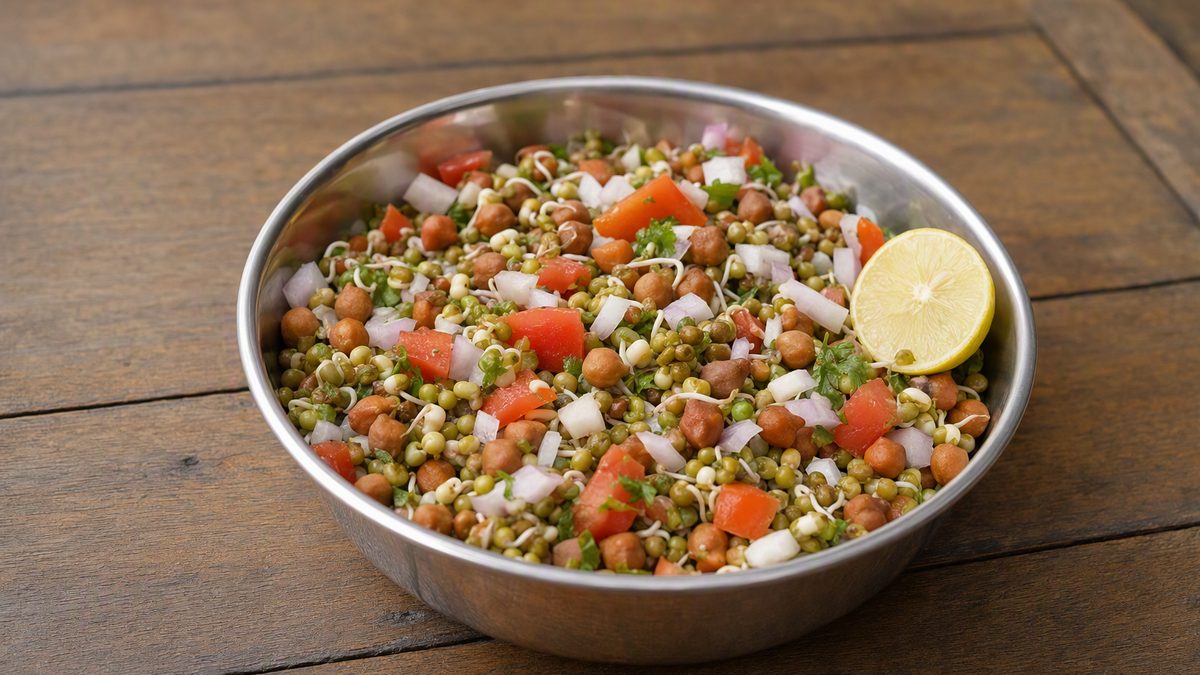
A katori of home moong sprouts has about 7–9 g protein and 110–130 kcal. See real sprouts benefits, raw vs steamed, food safety and 3 easy sprouts recipes.
High protein vegetarian diet plan for Indians: two sample 100 g protein days, grams per meal, daily targets by goal and easy swaps for fat loss or bulking.
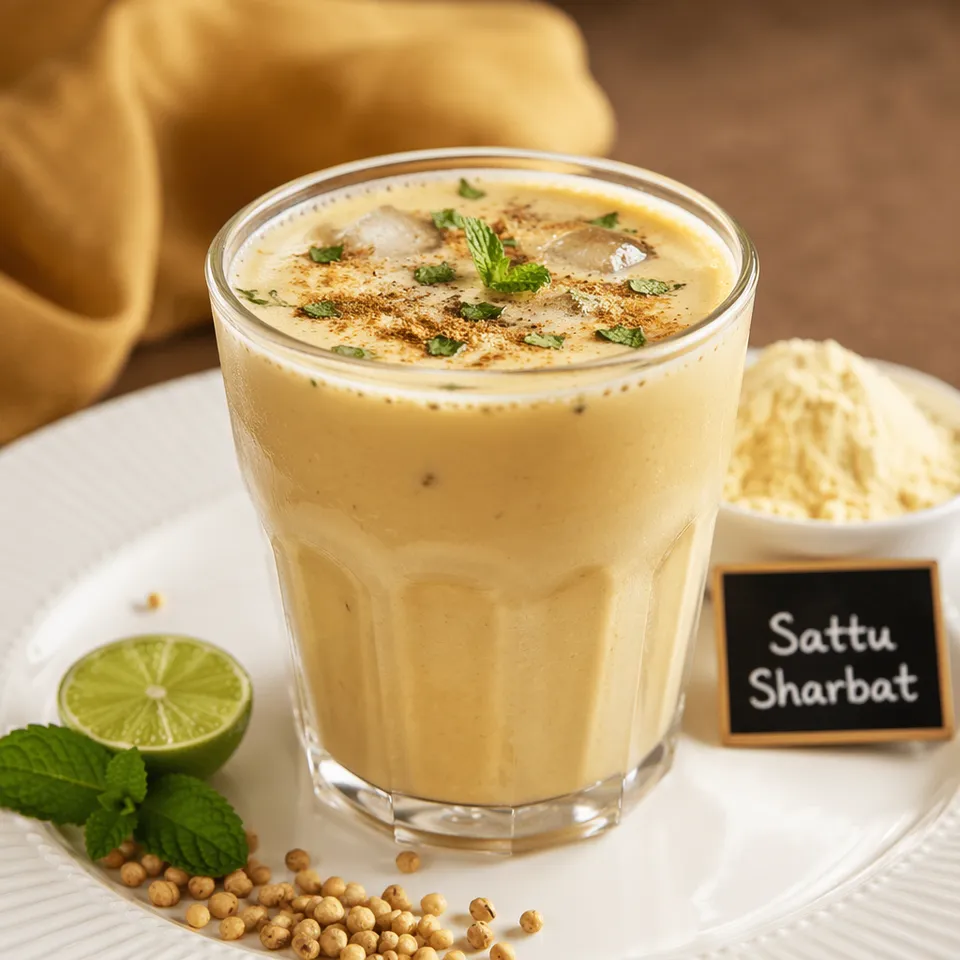
Sattu has 20–25g protein per 100g at ₹150–250/kg vs ₹2,000–4,000/kg for whey. Recipes for sattu shake, paratha, burfi + honest macros vs whey comparison.
Full-day Indian diet charts for building muscle, bulking and eating around your workouts.
A decision guide by body fat and training age: safe cut and bulk rates, lean vs dirty bulk, mini-cuts, maintenance phases, when to switch, and Indian meals.
Day-by-day peak week for a photoshoot: exact Indian and non-Indian meals, a 6–8 g/kg carb load, steady water and salt, training taper, shoot-day timing and the why.
Indian lean bulk diet plan: surplus size, how fast to gain, veg and non-veg bulking diet charts and a homemade mass gainer shake recipe with macros.
How to get a shredded body: body fat needed for visible abs, realistic timelines, an Indian cutting diet chart, training, cardio, steps and what to avoid.
Indian weight gain diet plan for underweight people: 2,800 kcal veg and non-veg charts, calorie-dense foods, tips for a poor appetite and why you should lift.
10 Indian protein shake recipes with and without whey: sattu, peanut, soya milk, hung curd, mango and chikoo, with grams, calories, protein and when to drink.
Mass gainer guide for India: carb-to-protein ratio, who needs one, checking FSSAI and lab tests, gainer vs whey + food, a homemade recipe and side effects.
Budget muscle gain diet plan for India: veg and non-veg days with 100–125 g protein, calories and rupee cost per item, plus the cheapest protein per gram.
Vegetarian diet plan for muscle gain: a full Indian veg day at 2,600 kcal and 120 g protein, with swaps, a weight gain version and the best veg protein foods.
Skinny fat body recomposition plan for Indians: how to tell if you're skinny fat, recomp vs bulk vs cut, an Indian diet at 2,100 kcal and a 3-day workout.
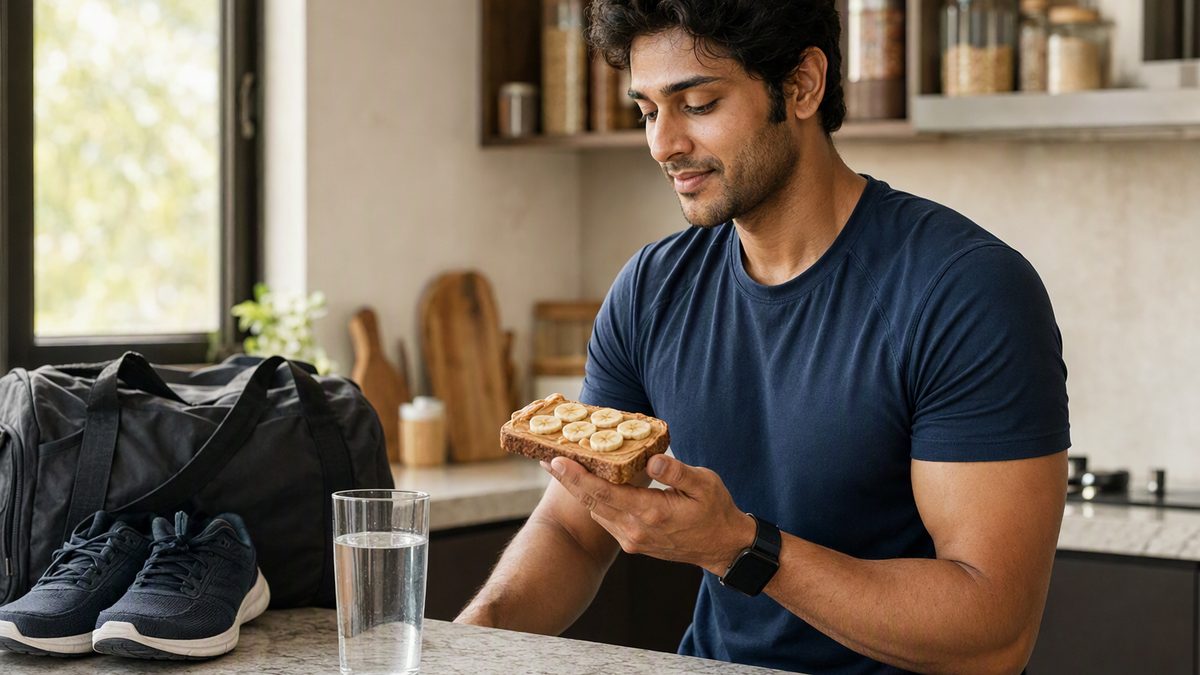
Pre workout meal guide: what to eat before gym with Indian veg and non-veg options, macros, timing for morning workouts, and pre-workout ideas without coffee.
Post workout meal guide: what to eat after gym with Indian veg and non-veg meals, protein and carb targets by body weight, quick options and timing.
High protein breakfast ideas for Indians: chilla, paneer and egg bhurji, sprouts, soya upma and hung curd bowls with protein and calories for each serving.
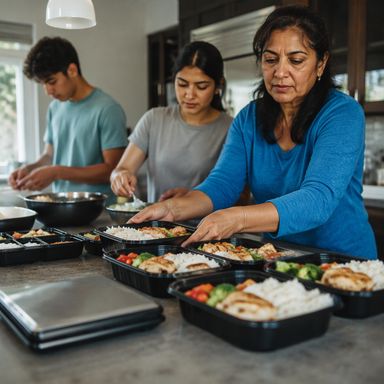
Indian meal prep for working professionals: a 2-hour Sunday prep plan, a 5-day office tiffin menu, fridge storage times and tips for fat loss or muscle gain.
12 high protein office tiffin ideas for Indians with up to 40 g protein: soya pulao, paneer rolls, rajma bowls, chilla wraps and more, plus a weekly plan.
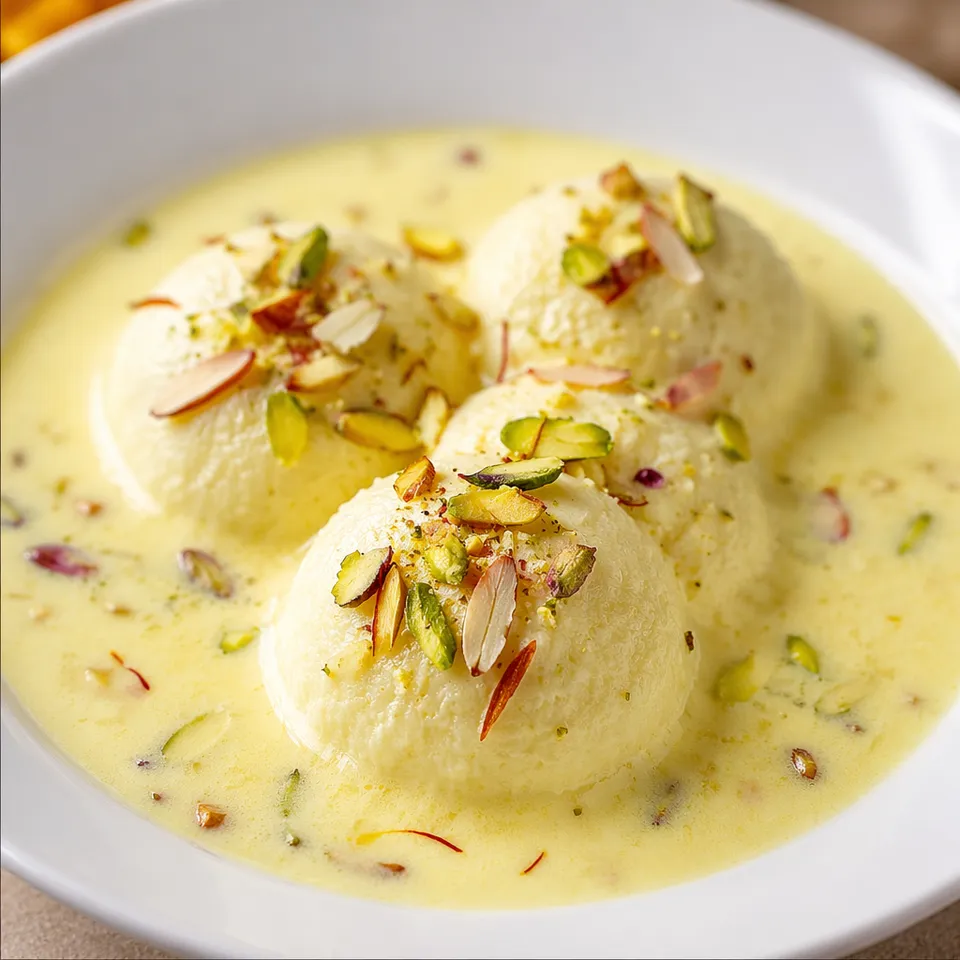
High protein Indian sweets to make at home: protein rasmalai, whey ladoo, chhana barfi, kulfi and shrikhand, with protein per serving and easy swaps.
Indian diet plans for fat loss, PCOS, thyroid, fatty liver, insulin resistance and gut health.
How UltraFit360 adjusts calorie and macro targets for pregnancy by trimester, breastfeeding, postpartum, trying to conceive, diabetes and PCOS, with worked examples.
A 1200 kcal Indian diet chart with veg (70 g protein) and non-veg (77 g) days, a 7-day menu, swaps and grocery list, plus who should eat more.
A 1500 kcal Indian diet chart: veg day with 83 g protein, non-veg with 100 g, a 7-day menu, regional versions, gym-day tweaks and swaps.
An 1800 kcal Indian diet chart for men and active women: veg (115 g protein) and non-veg (112 g) days, a 7-day menu, gym-day timing and eating out.
Indian keto under 30 g net carbs: foods to eat and avoid, veg and non-veg sample days, a 7-day menu, keto flu and electrolytes, and who should not do keto.
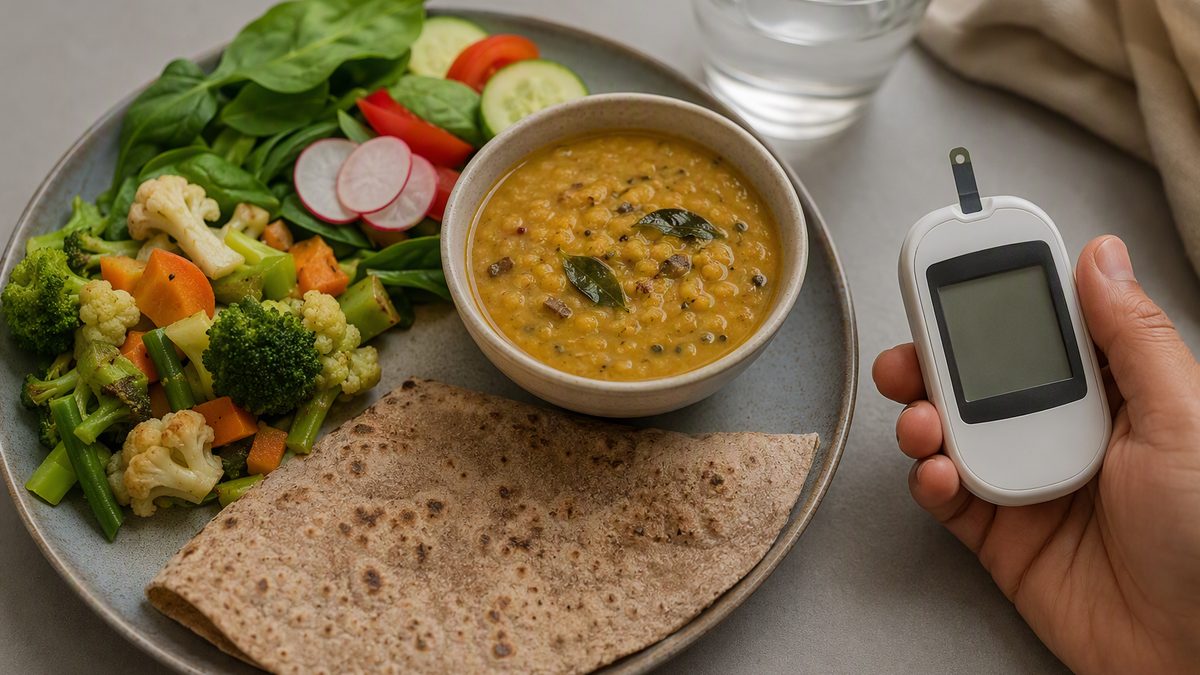
An Indian diet plan for type 2 diabetes and prediabetes: the plate method, low-GI swaps, a 1,500 kcal chart with carbs per meal and a 7-day menu.
Stuck at the same weight? How to tell a real plateau from water, the 4 real causes, and 7 fixes in order, with a sample Indian plateau-busting day.
Who can recomp, calories at or slightly below maintenance, 1.6–2.2 g/kg protein, a 4-day training week, tracking without the scale, and a sample Indian day.
Vegetarian Indian diet chart for weight loss: 1,400 and 1,800 kcal day plans with 80–110 g protein, a 7-day menu, and the best veg protein foods.
How to reduce belly fat for Indian men over 35: calorie deficit, high-protein Indian diet, strength training, walking, alcohol and sleep, with a weekly plan.
How to lose visceral fat with an Indian diet: waist targets for Indians, what to eat and cut, a full-day veg and non-veg plan, and the exercise that helps.
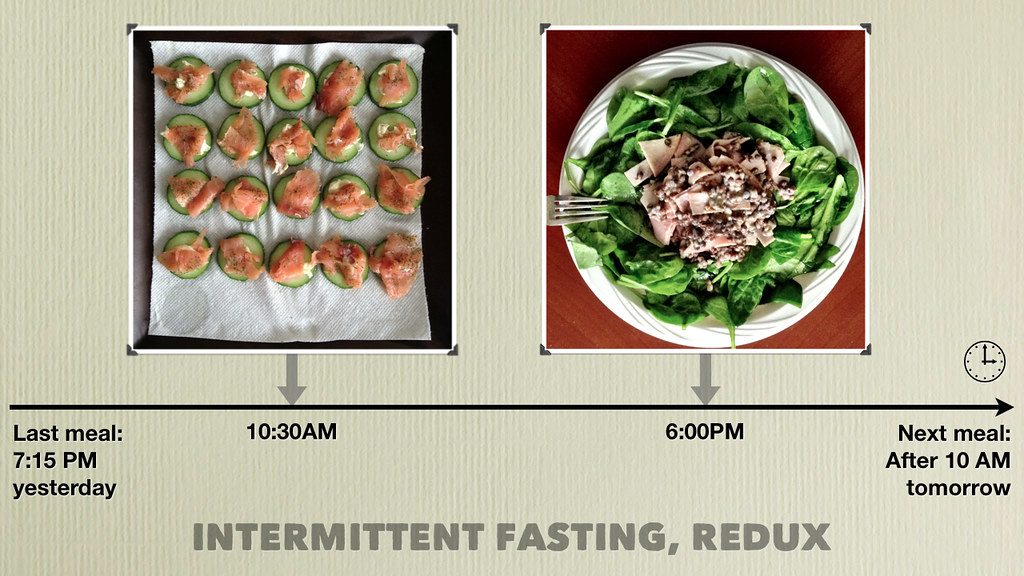
Intermittent fasting diet plan for Indians: how 16:8 works, what breaks a fast, and veg and non-veg 16:8 Indian meal plans with protein and calories.
Intermittent fasting for prediabetes in India: what research shows, a safe 12–14 hour Indian schedule, what to eat in the window and who should avoid fasting.
Low glycemic Indian breakfast ideas for diabetes and weight loss: chilla, pesarattu, sprouts, daliya, eggs and paneer, plus easy swaps for poha and idli.
PCOS diet for Indian women: a vegetarian 1,500 kcal diet chart, foods to eat and limit, protein targets, and how gym training helps insulin resistance.
Thyroid diet for Indians with hypothyroidism: what to eat, what to limit, tablet timing with food, and a 1,550 kcal Indian diet chart for weight loss.
Fatty liver diet for Indians: foods to eat and avoid, why 7–10% weight loss matters, and a simple 1,450 kcal Indian diet chart for fatty liver (NAFLD).
Indian diet plan for insulin resistance: the plate method, food swaps for rice and roti, meal order, walking after meals and a full-day Indian diet chart.
Indian foods for gut health: curd, chaas, fermented batters, dal, millets and fibre, plus what helps bloating and acidity and a gut-friendly Indian day plan.
Vitamin D deficiency in India: common symptoms, the 25(OH)D test and what your result means, sunlight, Indian food sources, and how supplements are used.
B12 deficiency symptoms in Indian vegetarians, why it is so common, which tests to ask for, B12 amounts in milk, curd and paneer, and when to supplement.
Dosing, timing, loading and the common myths, explained with the research behind them.
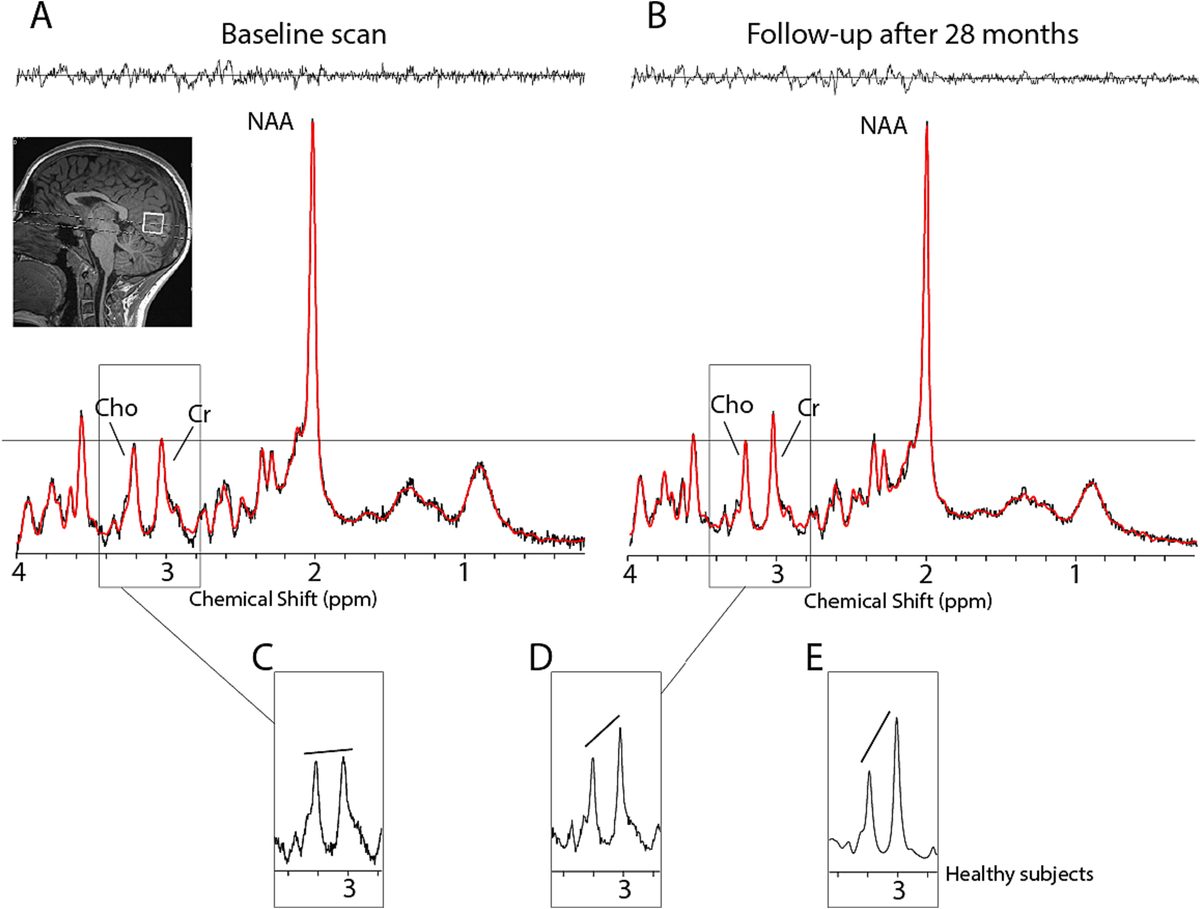
Creatine for brain health: how the classic muscle supplement works as a cognitive nootropic, from older adults fighting decline to sleep-deprived workers.
You do not need to cycle creatine: 3–5 g a day long term is safe for healthy adults. What a creatine cycle is, what happens when you stop, and when breaks make sense.
Best creatine in India: why plain monohydrate wins, how to check Creapure, micronised, FSSAI and lab tests, Indian brands, and price per day in rupees.
Creatine benefits, side effects and how to use it: 3-5 g a day, loading, timing, water, the hair-loss and kidney myths, and hydration in Indian heat.
Creatine for vegetarians: why veg diets mean lower muscle creatine, how much to take (3-5 g a day), loading, is it veg, and how it fits an Indian diet.
Should you load creatine? Learn the exact daily dosages, scientific timeline, and loading strategies to maximize muscle gains.
Is creatine safe for your kidneys? We examine the long-term clinical research and explain how to safely monitor your biomarkers.
Explore the scientific truth behind the creatine and hair loss myth. We analyze the DHT hormone studies and current medical consensus.
Does caffeine ruin your creatine results? Learn the science of how they interact and the optimal pre-workout timing rules.
Is liquid creatine more convenient or is it a waste of money? Discover the science of creatine stability in liquid vs. powder.
Tired of feeling bloated when taking creatine? Learn the exact protocols to eliminate water retention and digestive issues.
When is the absolute best time to take creatine? Discover what scientific studies reveal about pre vs. post-workout timing.
Is creatine beneficial for women? Discover the science of how creatine supports muscle tone, energy levels, and brain health.
Discover how creatine helps older adults combat age-related muscle loss (sarcopenia), improve balance, and support brain health.
Is it safe to take creatine continuously, or should you cycle on and off? We analyze the science of natural creatine production.
Which creatine is actually the best? We compare Monohydrate, HCL, Ethyl Ester, and Buffered creatine based on science.
Does drinking alcohol ruin the benefits of your creatine? Discover the physiological effects of alcohol on muscle protein synthesis.
What whey, plant protein, pre-workouts and other supplements do, and how to choose one in India.
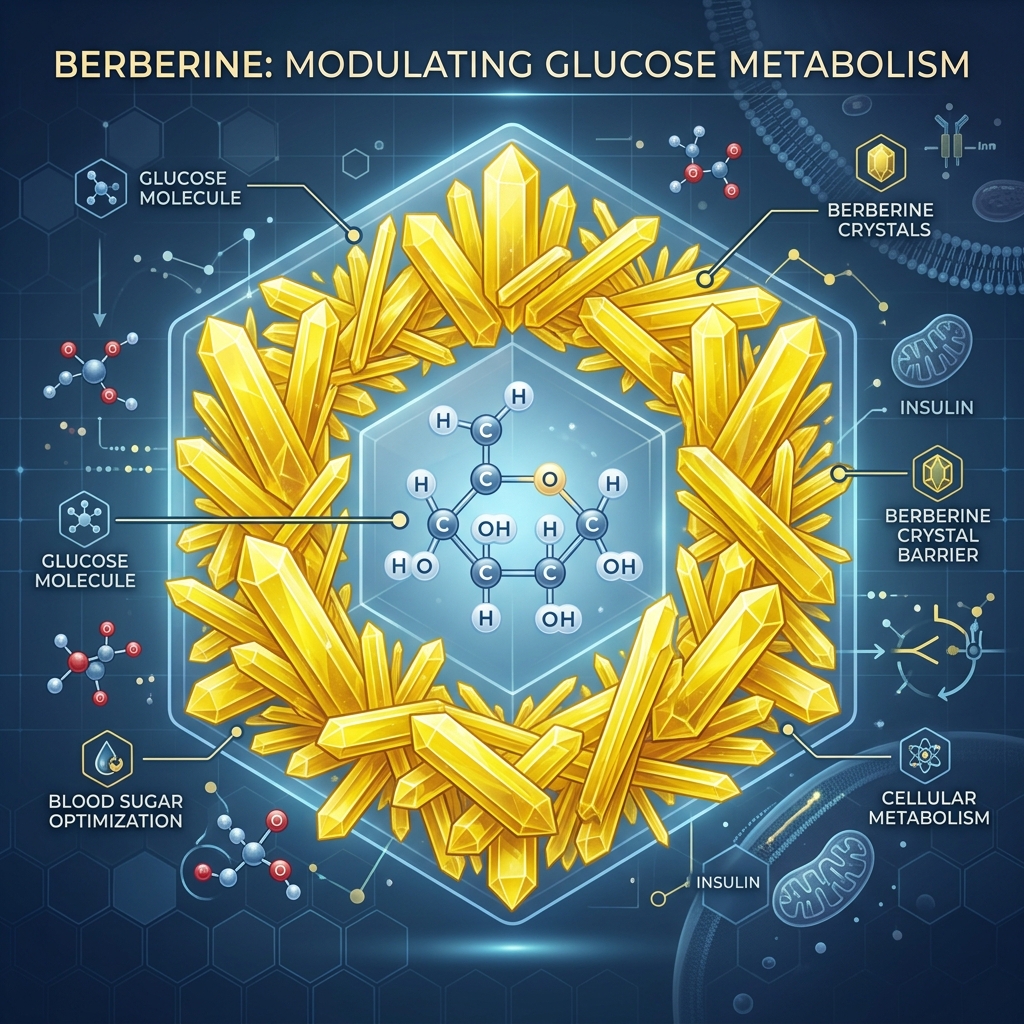
Berberine is one of 2026's most-discussed metabolic supplements. An evidence-based look at blood sugar, dosing, and who it may help.
When you take caffeine matters as much as how much. A 2026 guide to caffeine timing for performance, focus, and protecting sleep.
Master the science of cellular hydration in 2026. Learn why plain water may be sabotaging your energy and workouts, and how to optimize electrolyte ratios.
Hydration is tied tighter to performance and recovery in 2026. The science of fluid, sodium, and electrolyte timing for athletes.
What is proffee? How the viral protein coffee trend works, how to make it with espresso or cold brew and a protein shake, and whether it is worth it.
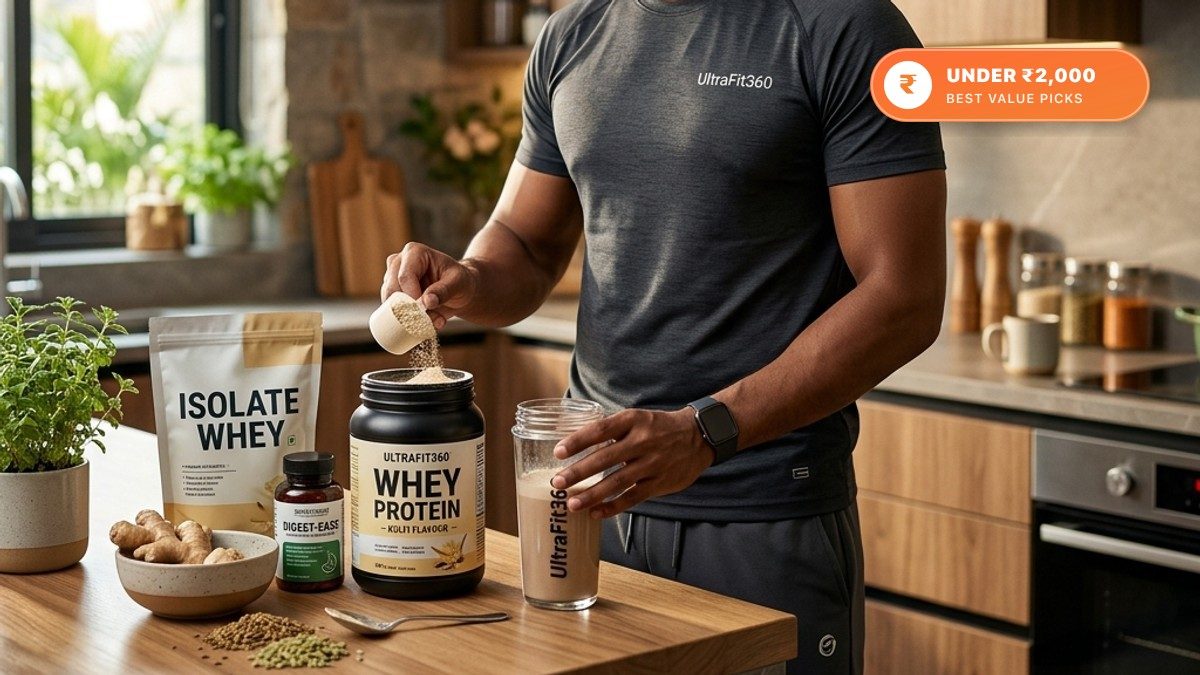
Best whey protein under 2000 rupees: what Rs 2,000 really buys, the price per 25 g protein to aim for, label checks, and budget red flags to avoid.
Whey protein for beginners: how to use it, the best time to take it, how many scoops a day, mixing ideas for Indian diets, and real whey side effects.
Is whey protein vegetarian? What whey is, the rennet question, the green veg symbol, and how one scoop fits an Indian vegetarian diet to hit your protein.
Whey isolate vs concentrate: protein, lactose, price and results compared, plus which whey to choose if you are lactose intolerant, with tips for Indians.
Best plant and vegan protein powder in India: pea vs soy vs pea-rice blends, protein quality, leucine, label checks, and price per 25 g protein vs whey.
Best pre workout in India: what pre workout is, the ingredients and doses that work, safe caffeine limits by body weight, and the stimulants to avoid.
Electrolyte drinks in India: ORS, electrolyte powders, nimbu pani and coconut water for summer workouts and running, with sodium and when to use each.
Magnesium glycinate benefits for sleep, stress and recovery, what the evidence shows, how much to take, best time, side effects and Indian food sources.
How to read supplement labels in India: FSSAI licence, health supplement and nutraceutical categories, serving size, amino profile, claims and red flags.
The science behind NAD+ decline with age, NMN vs NR comparison, what human clinical trials actually show, and how to decide if these supplements are worth it.
Real trial data on ashwagandha for cortisol reduction, testosterone, and strength gains. KSM-66 vs Sensoril, dosing, timing, and what the hype gets wrong.
Discover how EPA and DHA from fish oil boost muscle protein synthesis, reduce exercise inflammation, and support joint health for athletes and fitness enthusiasts.
Learn how berberine activates AMPK to improve insulin sensitivity, support fat loss, and enhance body composition — plus dosing protocols and how it compares to metformin.
Learn the biological mechanisms of recovery peptides like BPC-157 and TB-500. Explore the clinical research on tissue healing, dosing, and safety.
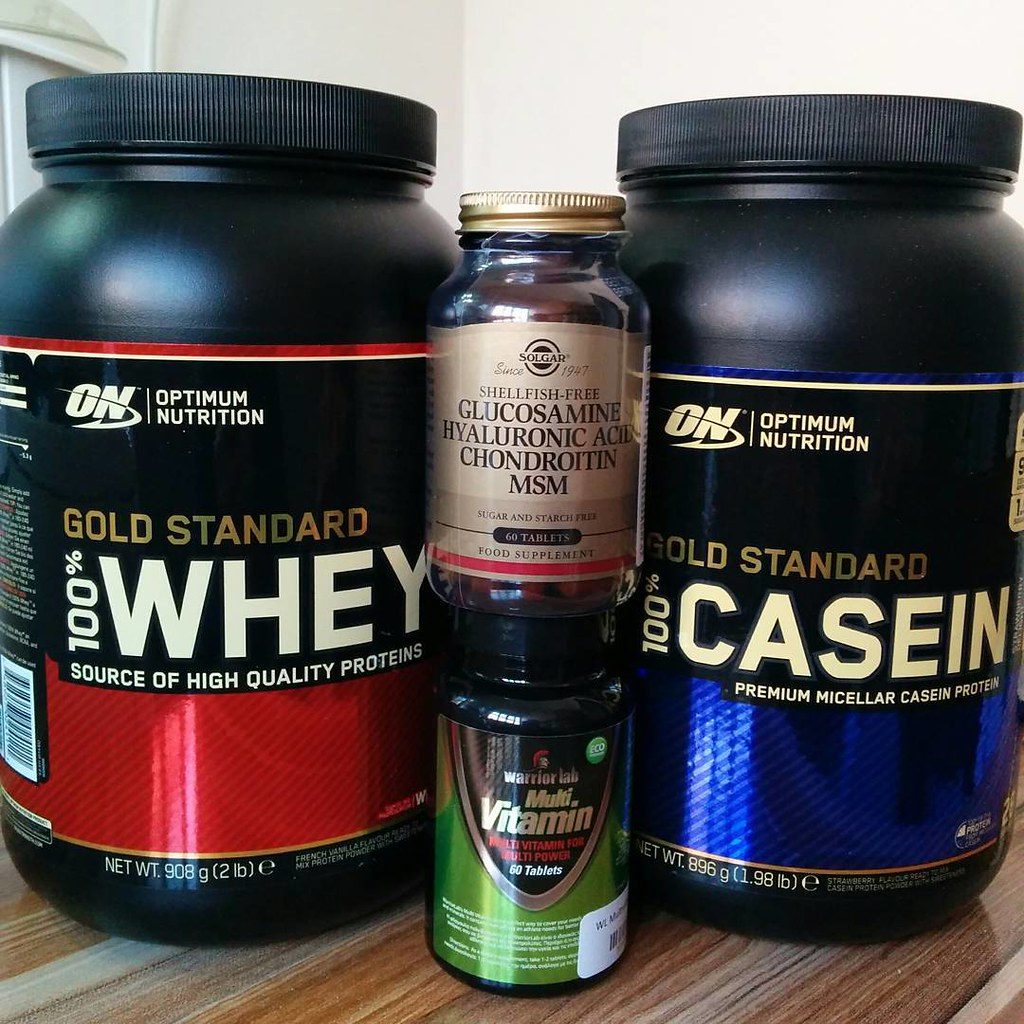
Which protein powder should you buy? We compare fast-digesting Whey and slow-digesting Casein for muscle growth.
Learn why drinking water alone isn't enough for intense endurance training.
Discover the difference between incomplete BCAAs and complete Essential Amino Acids.
Cutting through the noise: what actually works according to science.
Black coffee before workout: how it boosts strength and endurance, how much to drink for your weight, best timing, empty-stomach tips and who should skip it.
Optimal caffeine timing for workouts, half-life explained, pre-workout vs coffee, adenosine mechanics, cycling strategies, and how to avoid sleep disruption.
How much protein you need, when to eat it, and how to track macros without obsessing.
Carb cycling aligns carbohydrate intake with training demands. A 2026 guide to structuring high and low days for performance and fat loss.
High-protein treats are one of 2026's fastest-growing nutrition trends. Recipes and strategies for desserts and snacks that hit your macros.
Can you fast and keep your muscle? A 2026 evidence-based guide to intermittent fasting, protein timing, and training while fasted.
Macronutrients guide: what protein, carbohydrates and fats do, how much of each you need, and how to split them for muscle building, fat loss or performance.
How to build muscle on a plant-based diet in 2026: protein quality, leucine thresholds, combining sources, and hitting your daily target.
Athlete macros in g/kg: 1.4–2.0 g/kg protein, 3–12 g/kg carbs matched to training load, fat above 20%. Targets by sport and a 70 kg rest, easy and hard day.
Optimize protein timing for women over 40. Learn how anabolic resistance, daily protein targets, and spacing support muscle preservation.
Discover the scientific backing for the 1.6g protein target. Learn how this ratio protects muscle mass during fat loss.
Do you really need to drink a protein shake within 30 minutes of lifting? Discover what modern muscle science reveals.
Can you build serious muscle on a vegan diet? Learn the science of plant protein absorption and how to combine sources.
Is eating protein before bed the secret to overnight muscle growth? We examine the clinical studies on pre-sleep nutrition.
Struggling to track macros consistently? Learn 5 simple meal prep hacks to make healthy eating automatic and stress-free.
Discover the scientific protocols for fat loss without muscle wasting. Learn about rate of weight loss and macro splits.
Discover the absolute best times to drink protein shakes based on exercise science.
Discover how cycling high and low carbohydrate days accelerates fat adaptation.
Learn how to track without the stress. A flexible approach to hitting your numbers while living your life.
Why static meal plans fail and how to use dynamic frameworks for long-term adherence.
Strategically vary your carb intake to fuel performance and burn fat.
The metabolic science behind choosing the right fuel for your goals.
Explore IF protocols and how to fast safely for metabolic health.
Optimize your hormones naturally with these dietary strategies.
Age-related muscle loss is real. Here's how to fight it with nutrition.
Stop reaching for the vending machine. These snacks pack at least 20g of protein.
Vitamin D, B12, iron and the micronutrients that most often run low.
Vitamin D affects strength, bone health, and immunity. A 2026 guide to why athletes are deficient and how to optimize your levels.
How widespread vitamin D deficiency is in athletes, what the performance and injury prevention research shows, optimal blood levels, and how to dose correctly.
Signs of deficiency, optimal dosing, and the best food sources for active women.
Essential vitamins and minerals for peak performance and health.
Critical nutrients, meal timing, and supplements for a healthy pregnancy.
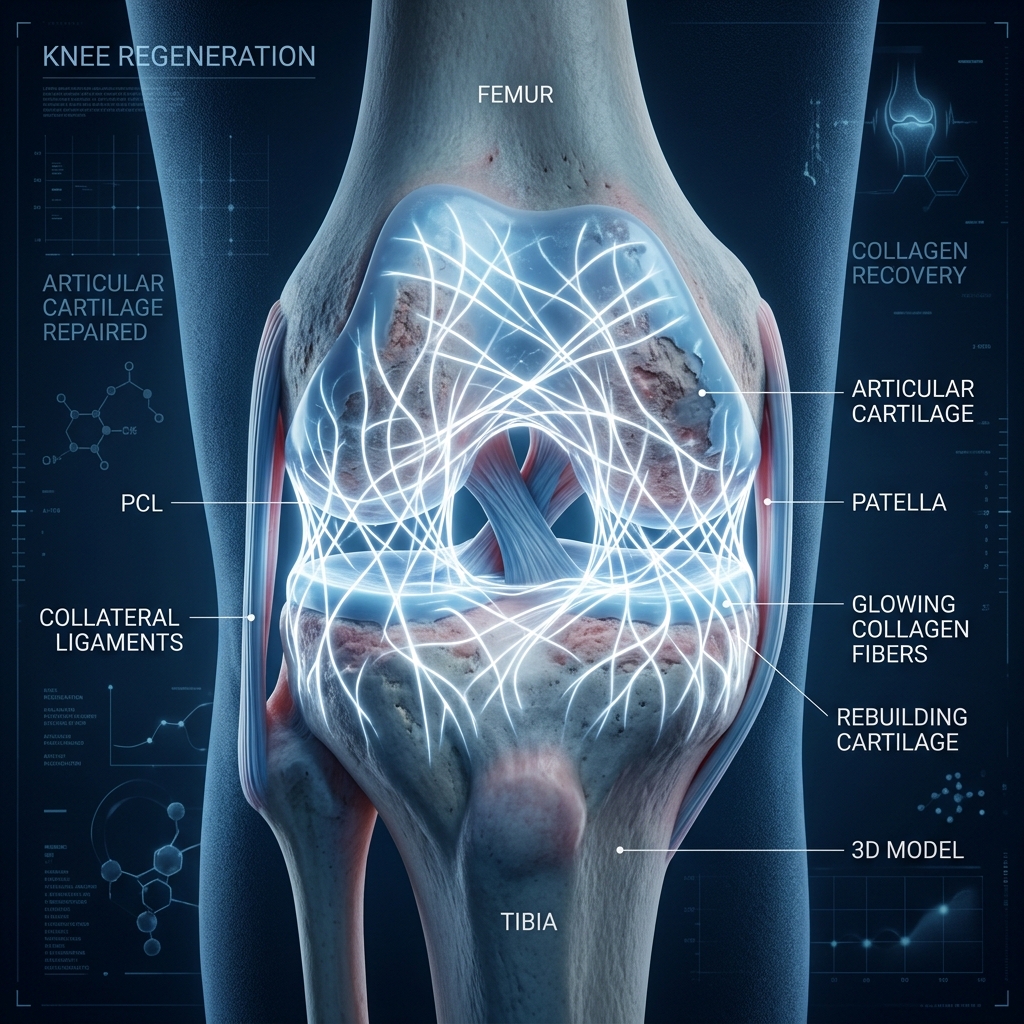
Can collagen really support joints and tendons? A 2026 evidence-based look at collagen, vitamin C timing, and connective-tissue recovery.
Fibermaxxing, maximizing daily fiber, is a top 2026 nutrition trend. The benefits, how to ramp up safely, and the best high-fiber foods.
An anti-inflammatory eating guide for 2026: the foods that speed recovery, support immunity, and improve performance, backed by functional nutrition.
GLP-1 users risk losing muscle alongside fat. A 2026 guide to resistance training and protein to preserve lean mass on these medications.
GLP-1 weight loss and muscle preservation guide: how to keep muscle mass and adjust your training and protein intake while taking GLP-1 medications.
Men's fitness nutrition: the calorie, fat and zinc intake that supports testosterone, how to eat for muscle gain, and nutrition for prostate and libido.
Healthy recipes for athletes: simple high-protein meal prep with at least 30 g of protein per serving and full macro breakdowns for muscle gain or fat loss.
The 30-30-30 rule explained: 30 g of protein within 30 minutes of waking, then 30 minutes of low-intensity exercise, and whether the viral routine works.
Women's fitness nutrition: eating for each menstrual cycle phase, replacing iron lost through bleeding, and building muscle while managing hormonal swings.
Examine the clinical truth about seed oils (omega-6 linoleic acid) in fitness. Discover the actual scientific consensus on inflammation and health.
Discover how traditional Ayurvedic herbs like ashwagandha and curcumin support recovery.
A comprehensive blueprint for fat loss and metabolic health through sustainable nutrition frameworks.
The same topics, adapted for specific sports, schedules and ages.