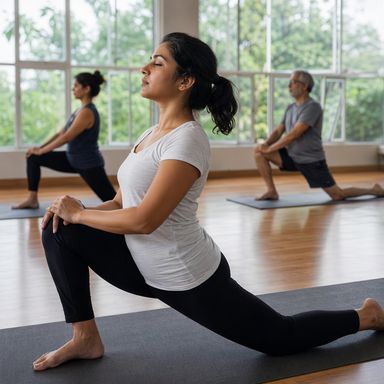
Guides to measuring progress, recovery and body composition.
Track what matters: body composition, sleep quality, recovery, and the subtle signs that your training and nutrition are working. These guides show you what to measure and how to interpret it, using simple tools like a scale and tape measure, or smart devices like rings and trackers.
Start by picking one metric to track consistently—weight, waist circumference, or sleep stages. Then learn how scales work, what smart rings measure, how to read your recovery signals, and why progress photos matter more than the scale alone.
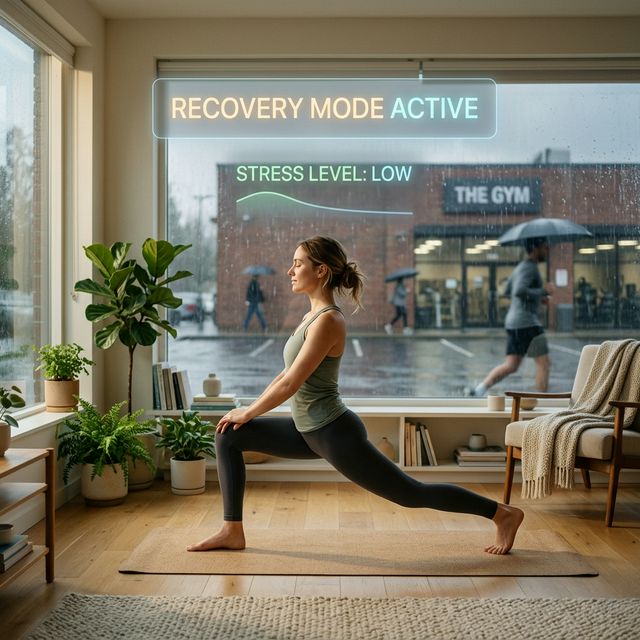
Learn why choosing intelligent recovery over high-strain sessions is the secret to breaking plateaus and achieving elite fitness longevity.
The guides readers use most.
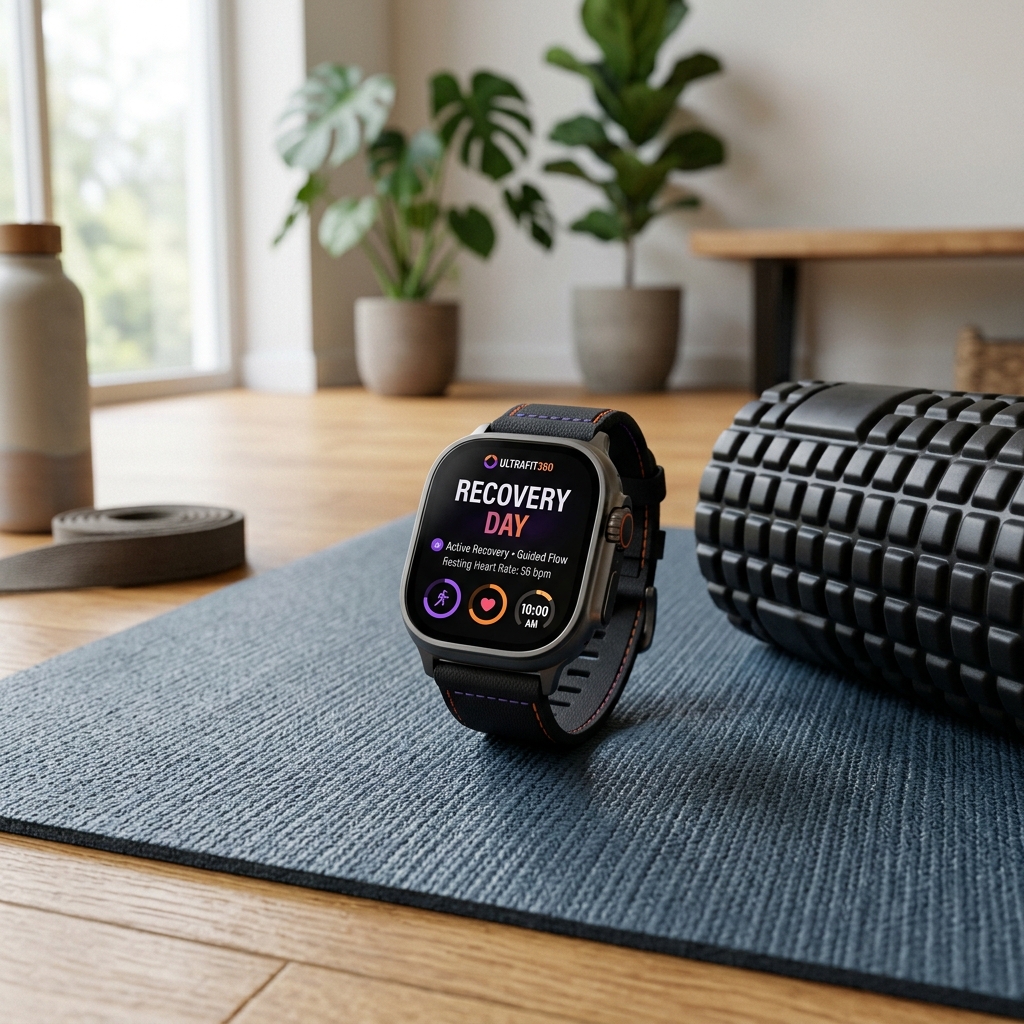
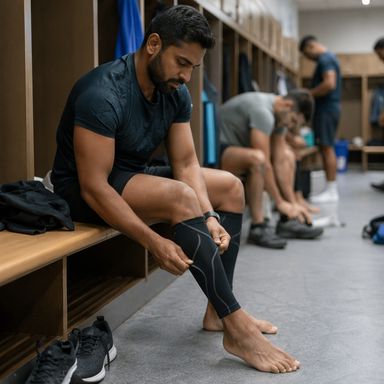
Don't just sit on the couch on your rest days. Learn how active recovery increases blood flow, flushes metabolites, and heals muscle faster.
Why weight alone is misleading and what metrics actually matter.
A holistic framework for body recomposition through habit tracking and data-driven adjustments.
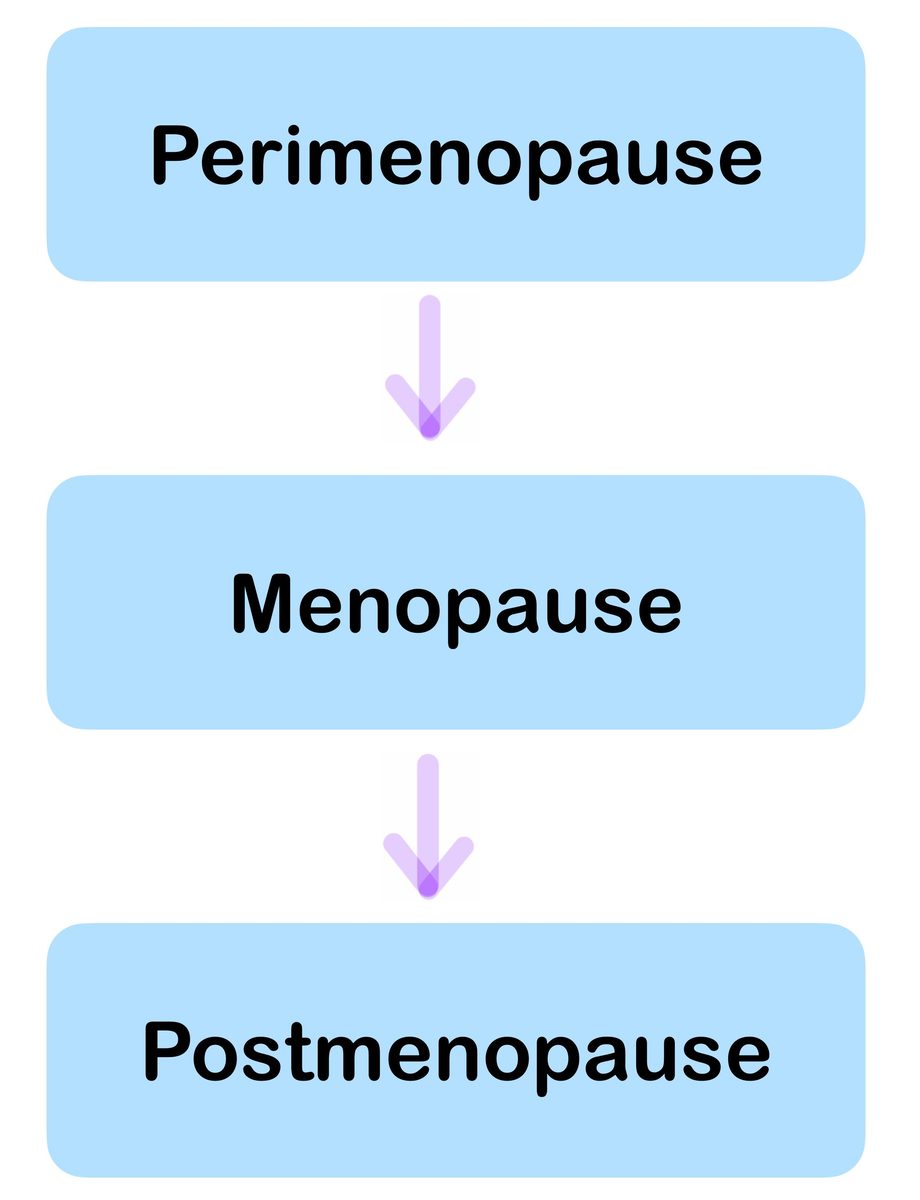
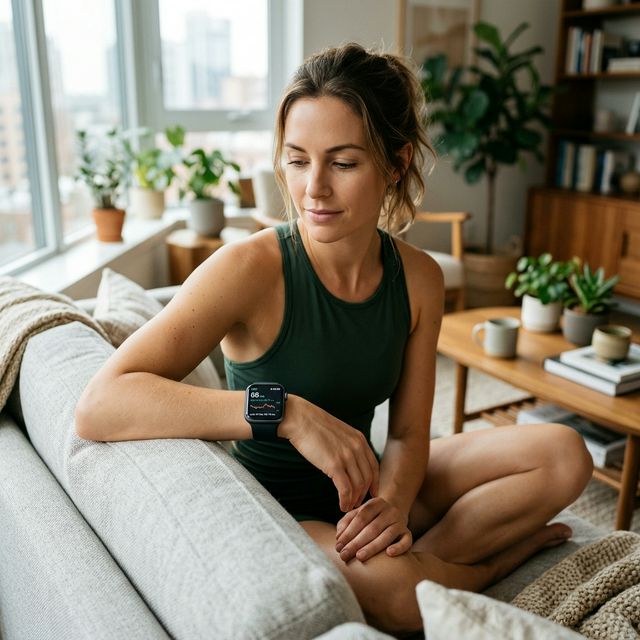
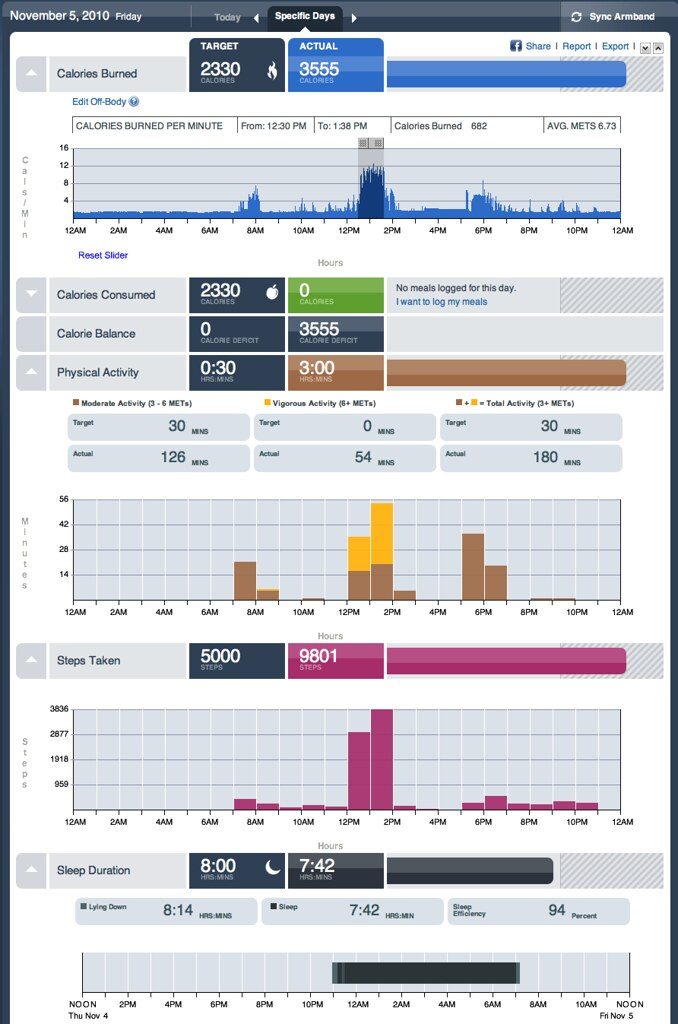
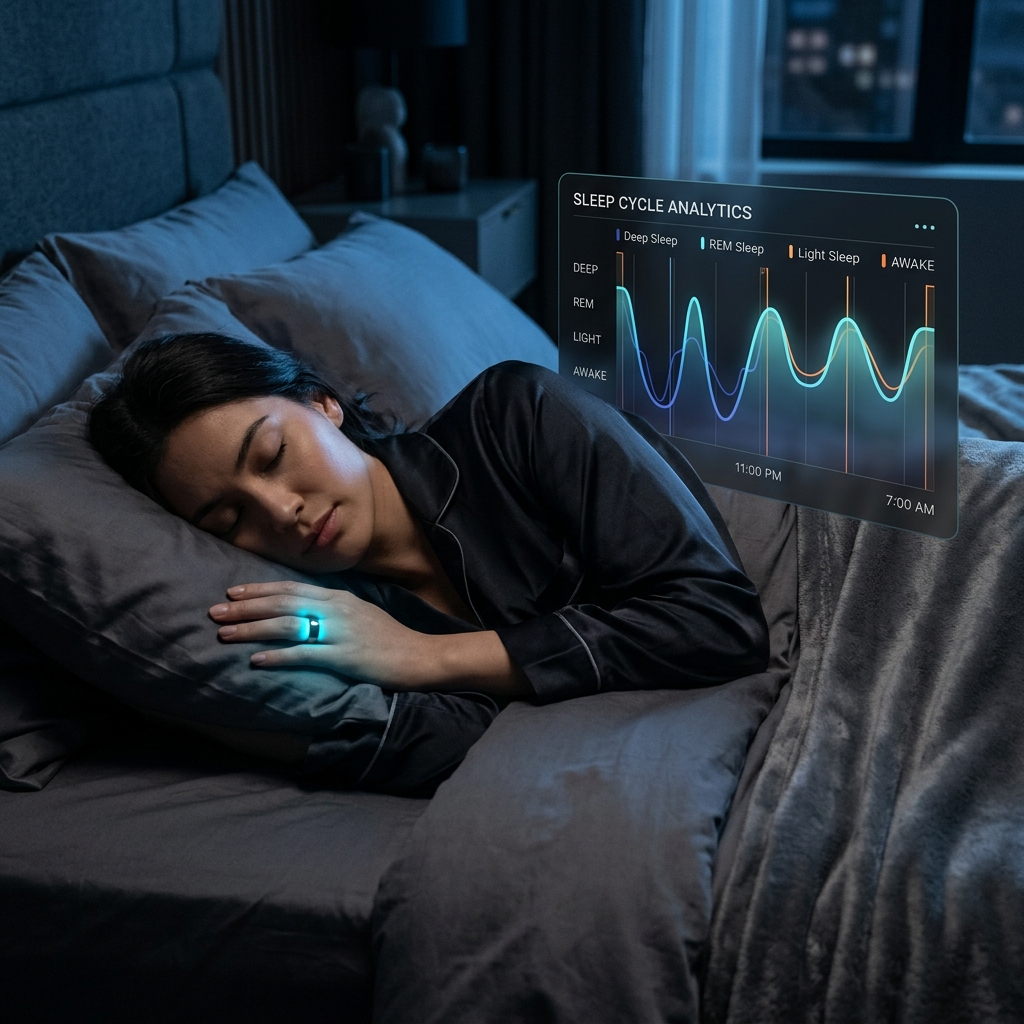
Sleep stages, recovery metrics and the wearables that measure them.
How to adapt your strength, cardio, recovery, and nutrition during perimenopause. A practical training guide for women navigating hormonal change.
The best exercises for PCOS — how to improve insulin resistance, balance hormones, and lose weight with the right workout strategy. Evidence-based guide.
How thyroid dysfunction affects metabolism, energy, and training. Evidence-based guidance for exercising safely with hypothyroidism or hyperthyroidism.
Magnesium glycinate vs citrate vs oxide for sleep, muscle recovery, and performance. What the research shows, optimal doses, and when to take it for athletes.
Understand Type I, II, and III collagen for joint recovery, tendon repair, and athletic longevity. Learn timing protocols, vitamin C synergy, and what the research actually shows.
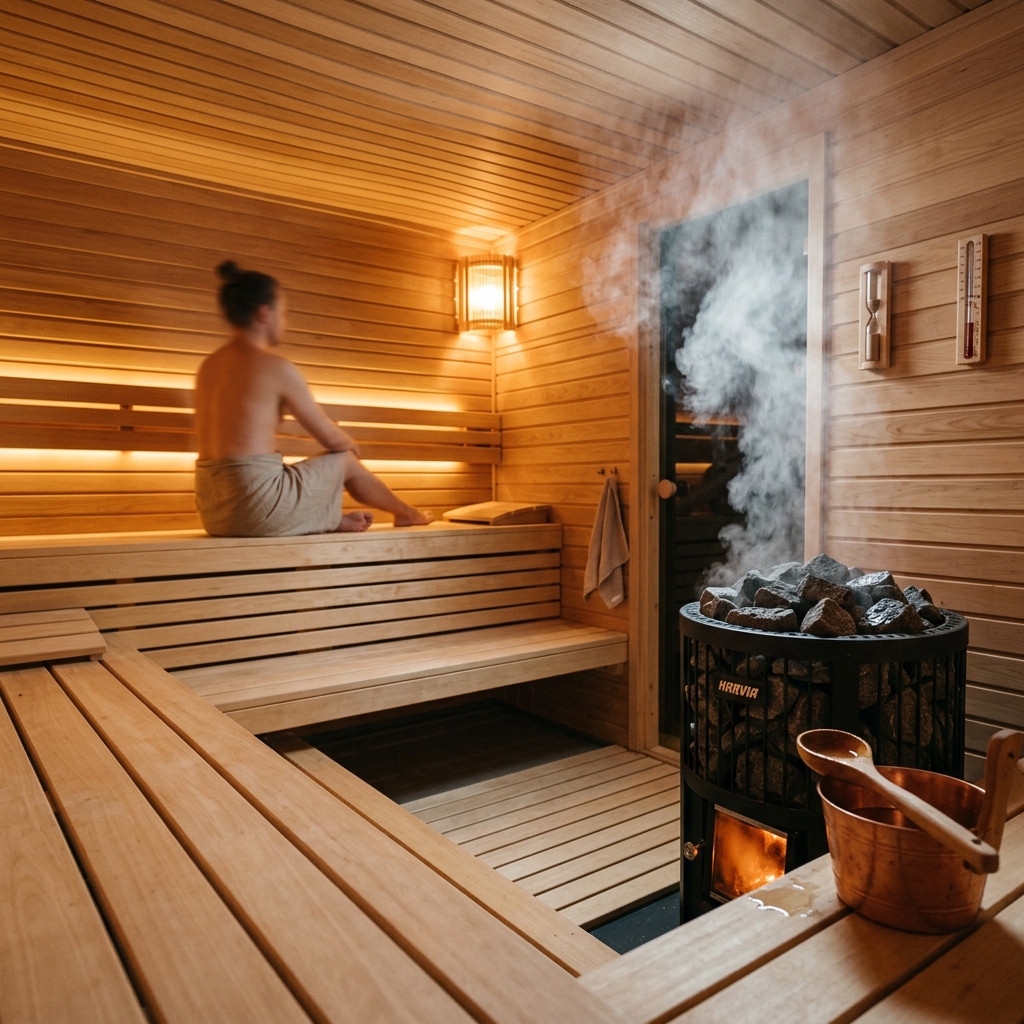
Learn how heat shock proteins, growth hormone surges, and cardiovascular adaptations make sauna a powerful fitness tool — plus exact protocols for post-workout and standalone use.
Master the Wim Hof breathing technique step by step. Understand the physiological effects, performance benefits, and real risks backed by science.
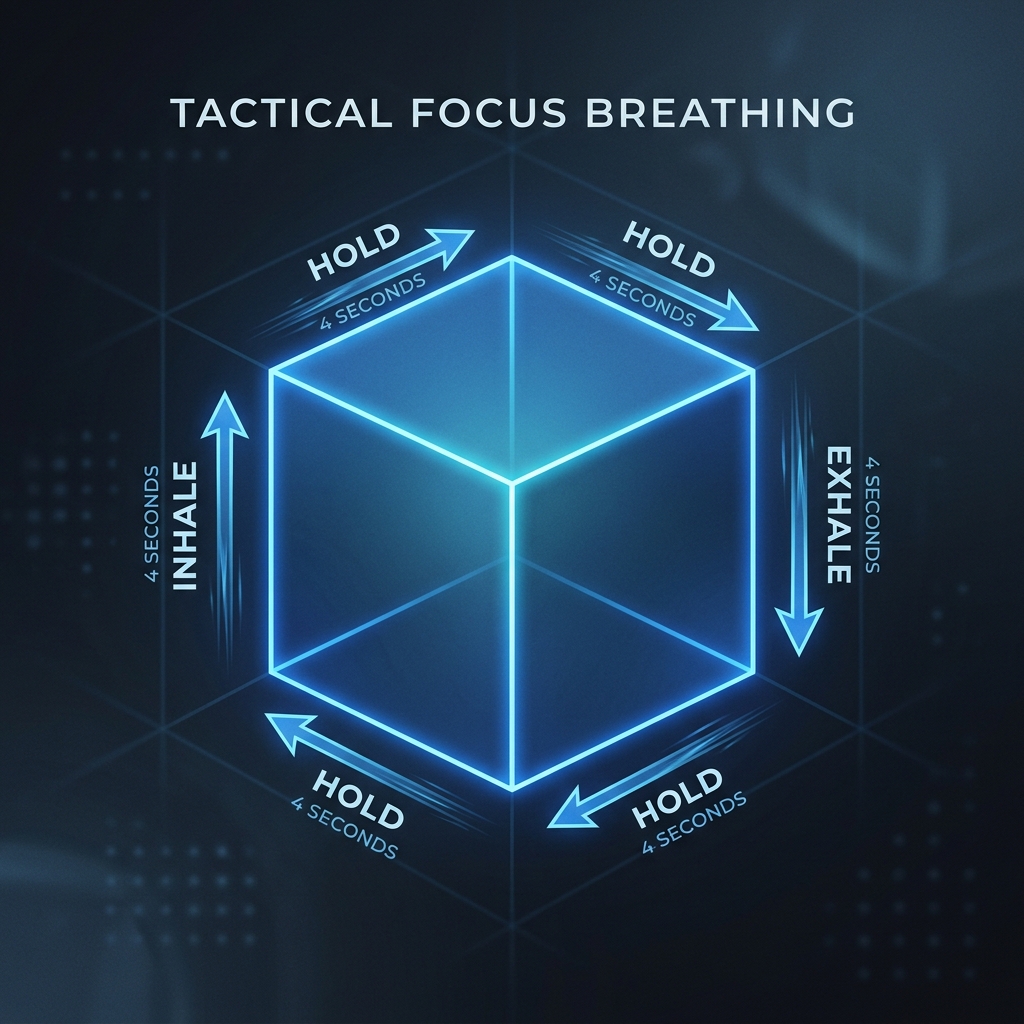
Learn the 4-4-4-4 box breathing technique used by Navy SEALs and elite athletes to reset the nervous system, sharpen focus, and control pre-competition anxiety.
Discover how Tai Chi improves athletic recovery, increases joint mobility, regulates the nervous system, and enhances balance for high-performance training.
Explore the clinical science of Red Light Therapy (Photobiomodulation) for athletic recovery. Learn optimal wavelengths, dosages, and tissue repair timing.
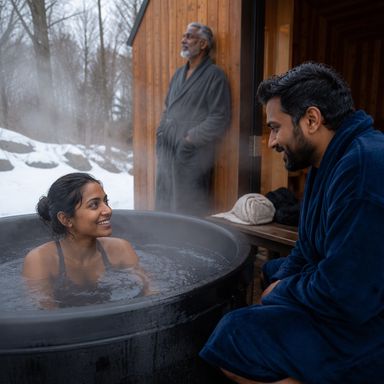
Cold plunge or hot sauna? Discover the scientific pros and cons of heat vs. cold exposure for recovery and longevity.
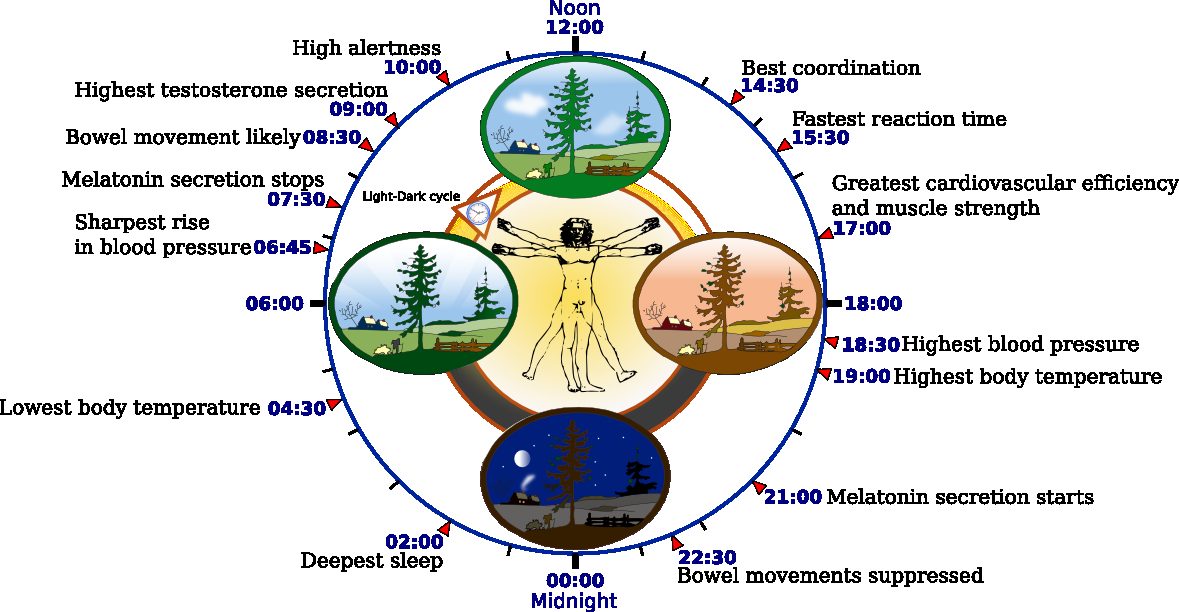
Discover how aligning your light exposure and bedtime with your circadian rhythm improves deep sleep and athletic performance.
Discover why HRV is the most important biometric metric for tracking recovery, and learn how to adjust your training based on daily scores.
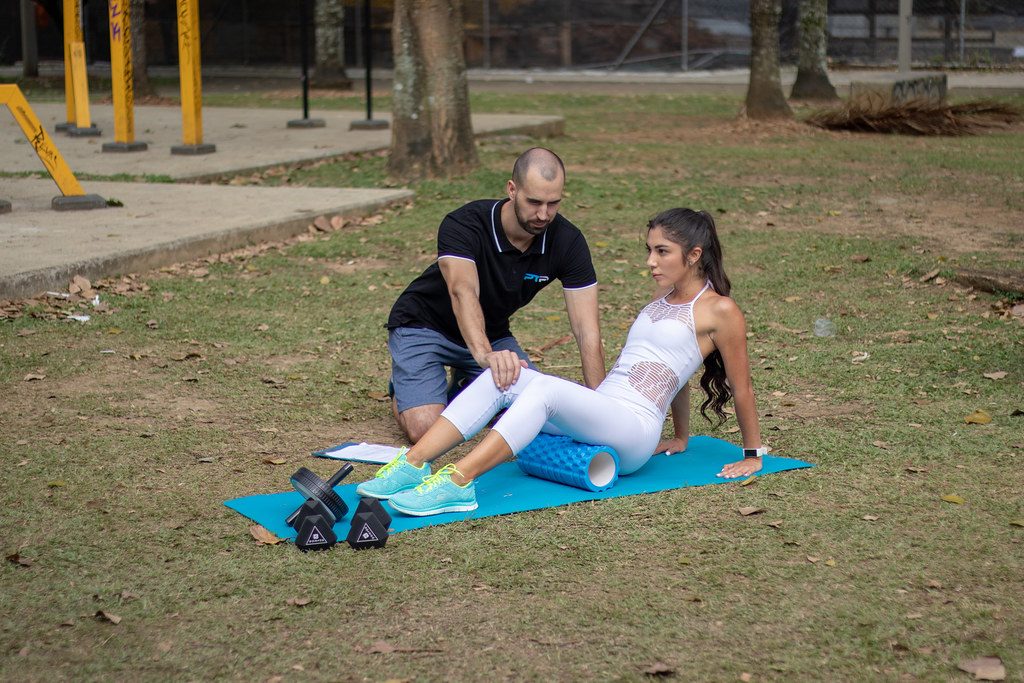
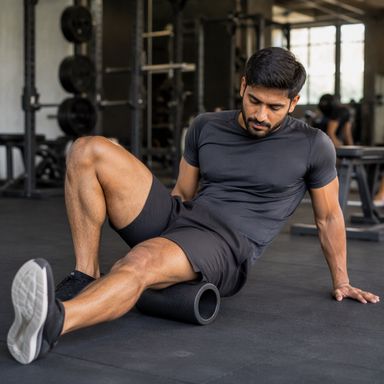
Understand how foam rolling works on your nervous system to restore mobility.
Improve your athletic recovery with a structured, science-backed evening routine.
Discover how regular sauna sessions stimulate growth hormone and cellular health.
Rings, watches, chest straps and how to use their data.
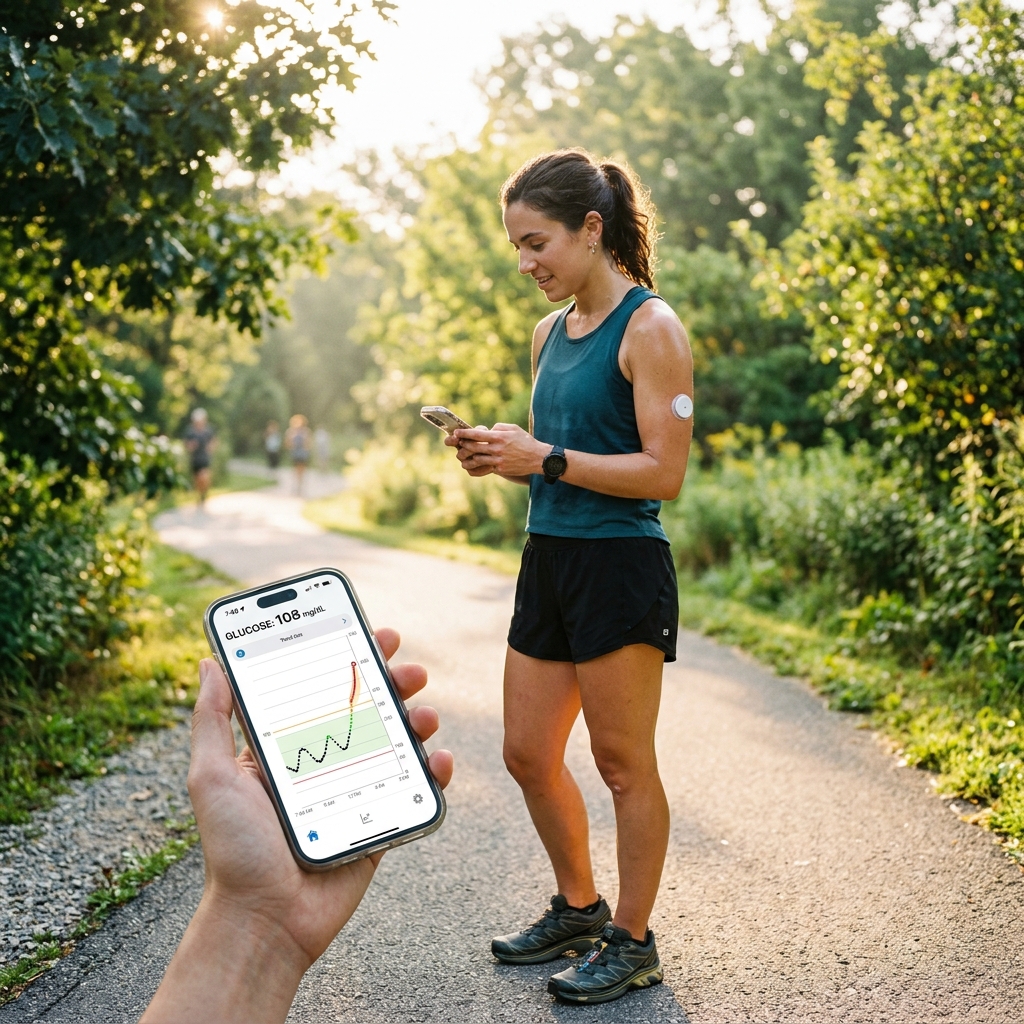
Blood glucose monitoring for fitness: how continuous glucose monitors work, which CGM devices athletes use, and reading your response to food and training.
The SSR Score explained: how balancing strain, stress and recovery as three linked pillars beats chasing single numbers like calories burned or resting HR.
How to take consistent photos and use them alongside the scale.
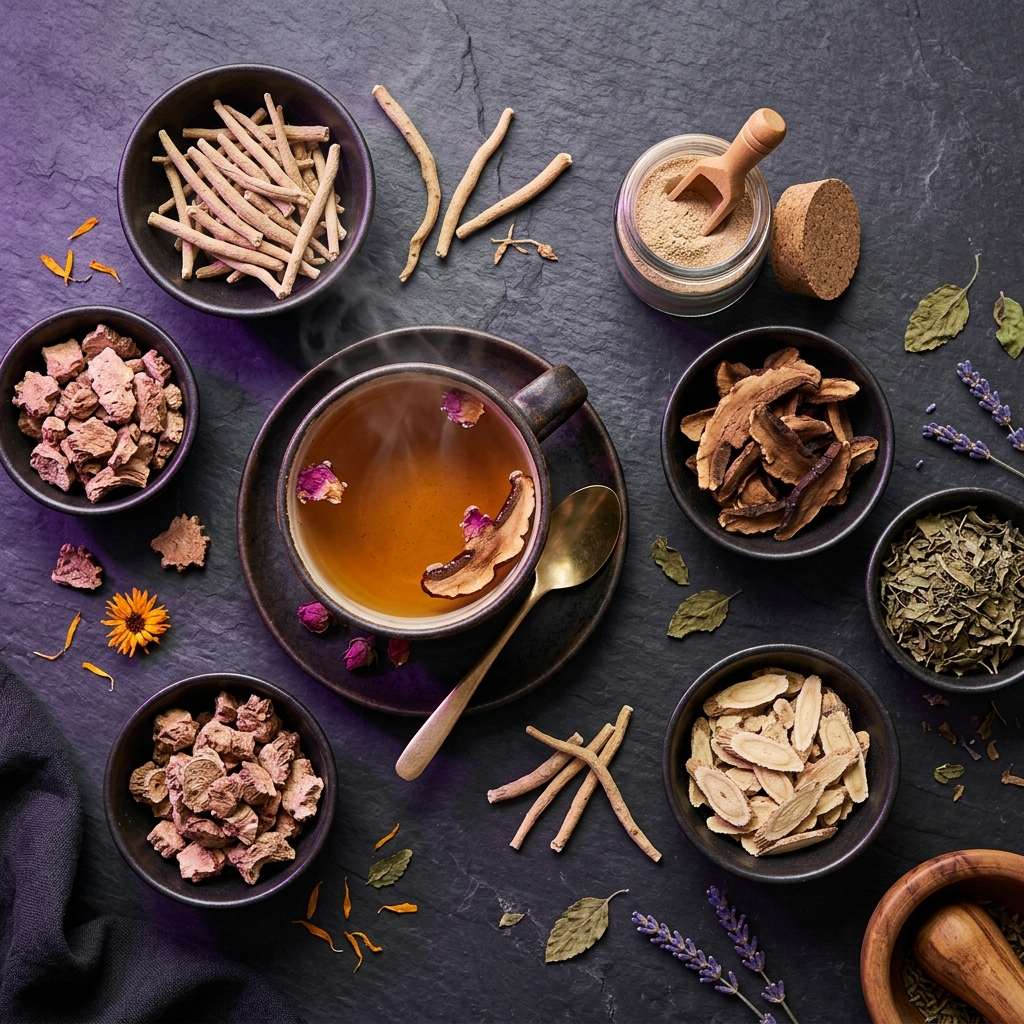
A practical 2026 guide to adaptogens like ashwagandha, rhodiola, and cordyceps for managing training stress, cortisol, and recovery.
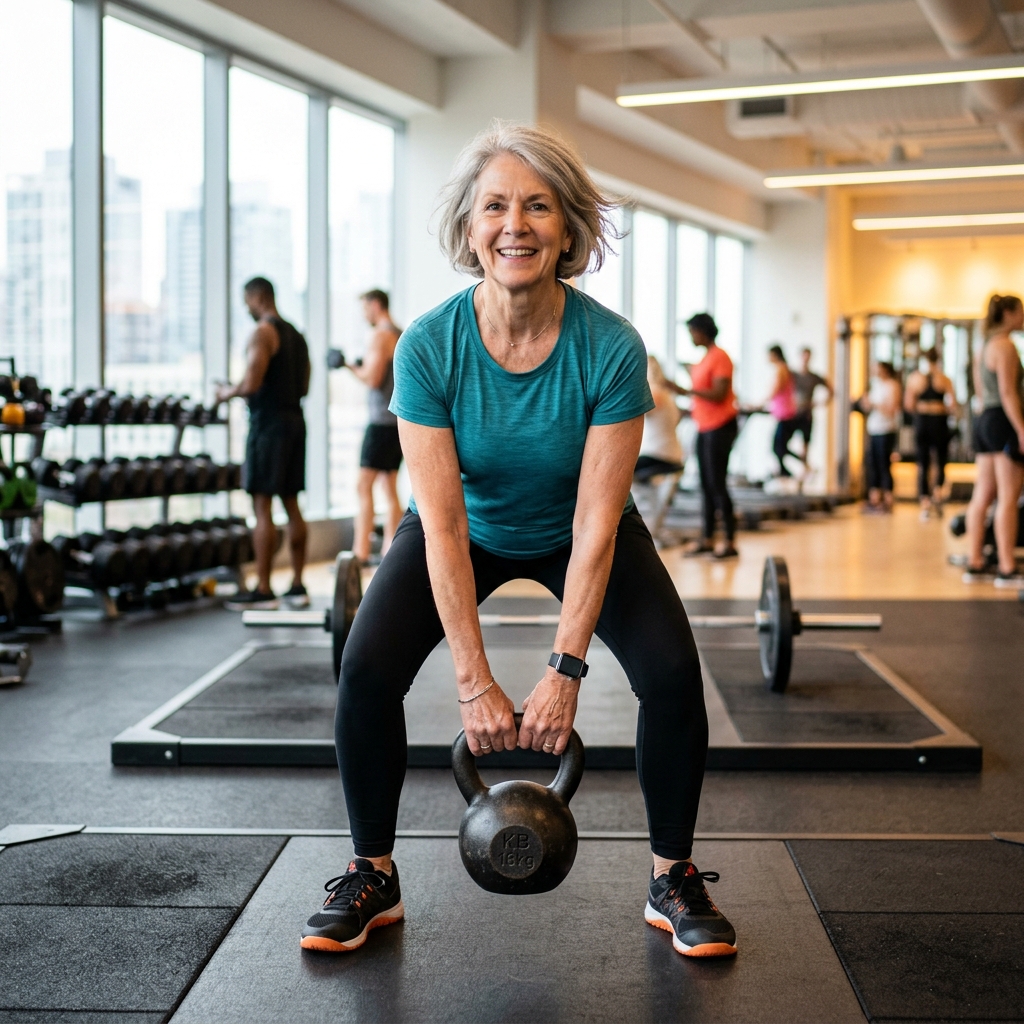
Age-inclusive fitness explained: why gyms are dropping the senior-versus-young split, and how adaptive, accessible training builds strength at every age.
Integrate ancient Ayurvedic wisdom with modern fitness recovery. Learn about Ashwagandha, Abhyanga, and mindful recovery practices.
What the world's longevity hotspots teach us about movement. A 2026 look at natural movement, purpose, and lifelong activity.
Box breathing is a simple nervous-system tool athletes use for focus and recovery in 2026. How it works and how to practice it.
How to build fitness habits that last: the cue-routine-reward habit loop, habit stacking, 66-day formation, and the accountability systems athletes use.
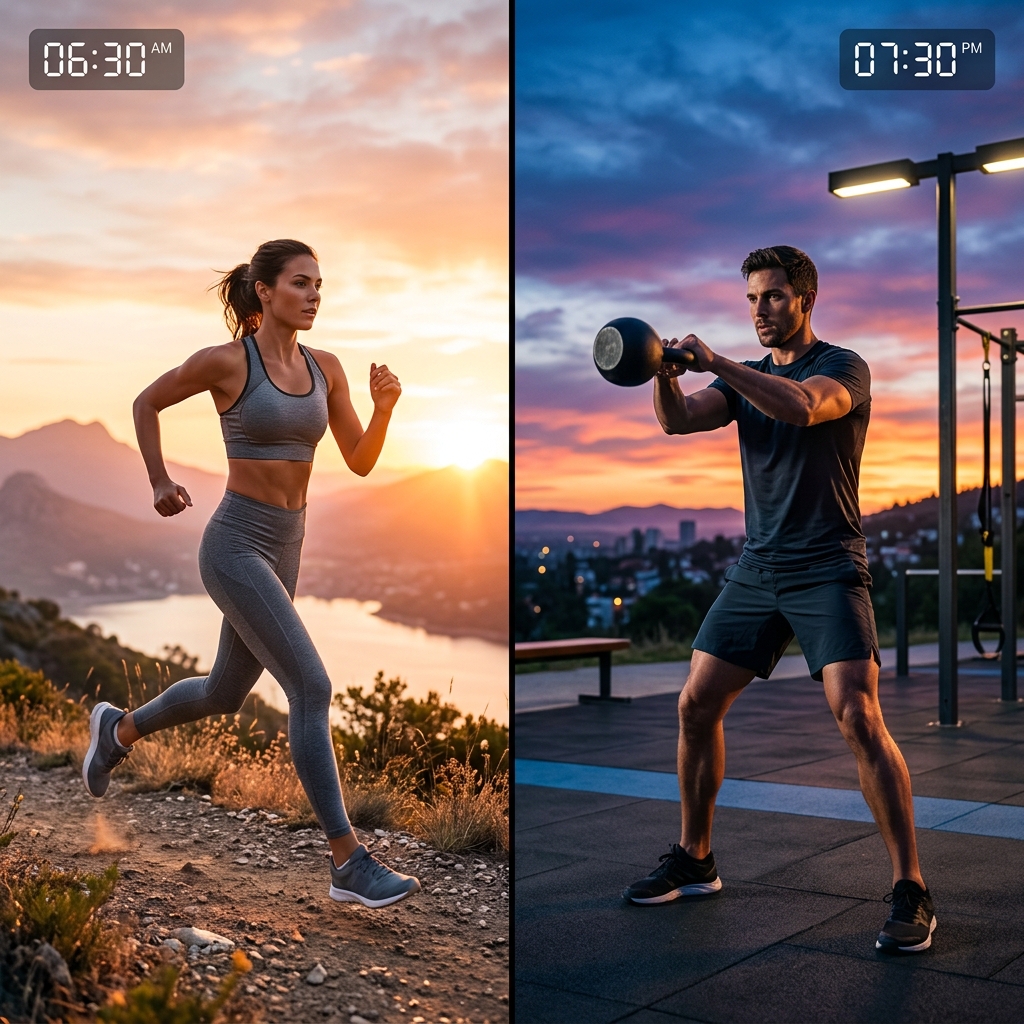
Your chronotype influences when you perform best. A 2026 guide to syncing training with your body clock for strength and consistency.
Chronotype training: find out whether you are a Lion, Bear or Wolf, and how timing workouts to your circadian rhythm can raise training volume and force.
Why healthy people are using CGMs in 2026 to optimize metabolic health, energy, and performance. What the data tells you, and what it does not.
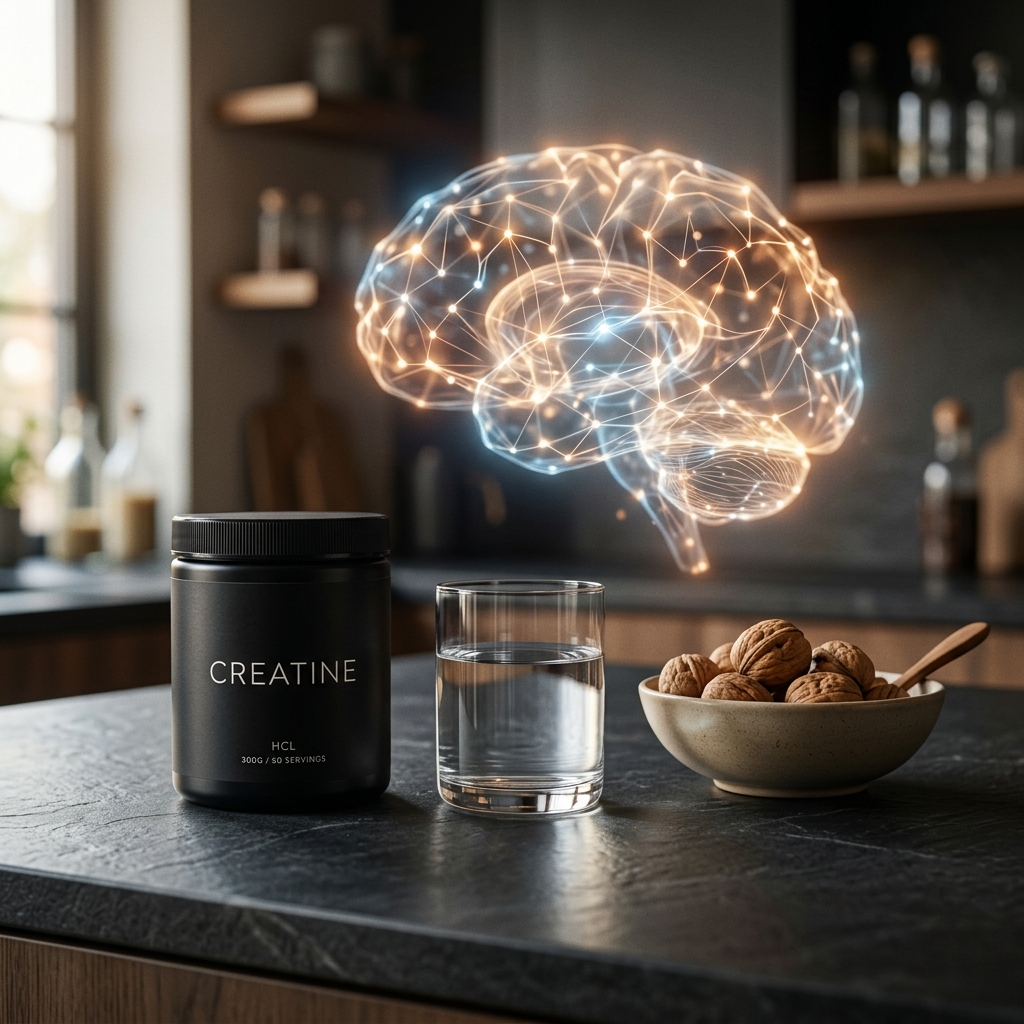
Creatine is no longer just for lifters. A 2026 look at its emerging benefits for brain health, aging, and recovery, with practical dosing.
Cycle syncing for women: how to adjust strength training, cardio, nutrition and recovery to each phase of your menstrual cycle for better results.
A 2026 guide to cycle syncing: how to align strength, HIIT, and recovery with the four phases of your menstrual cycle for better results.
Yoga for desk workers and IT professionals: targeted poses to combat tech neck, upper cross syndrome and hunched shoulders caused by hours of screen time.
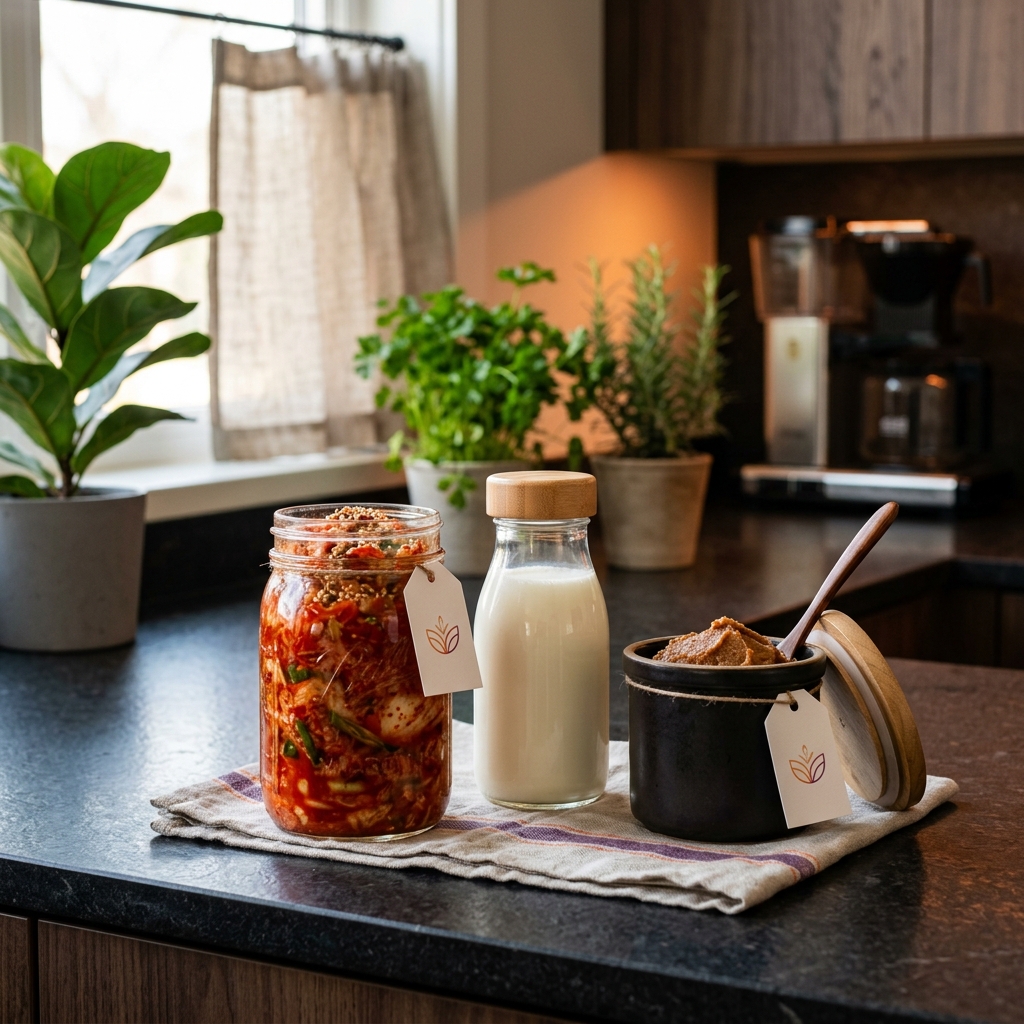
How fermented foods like kimchi, kefir, and miso support gut health, reduce inflammation, and speed athletic recovery. The 2026 functional-nutrition guide.
Body composition and progress tracking beyond the scale: DEXA, bioimpedance, circumference measurements and body fat %, and why daily weight swings mislead.
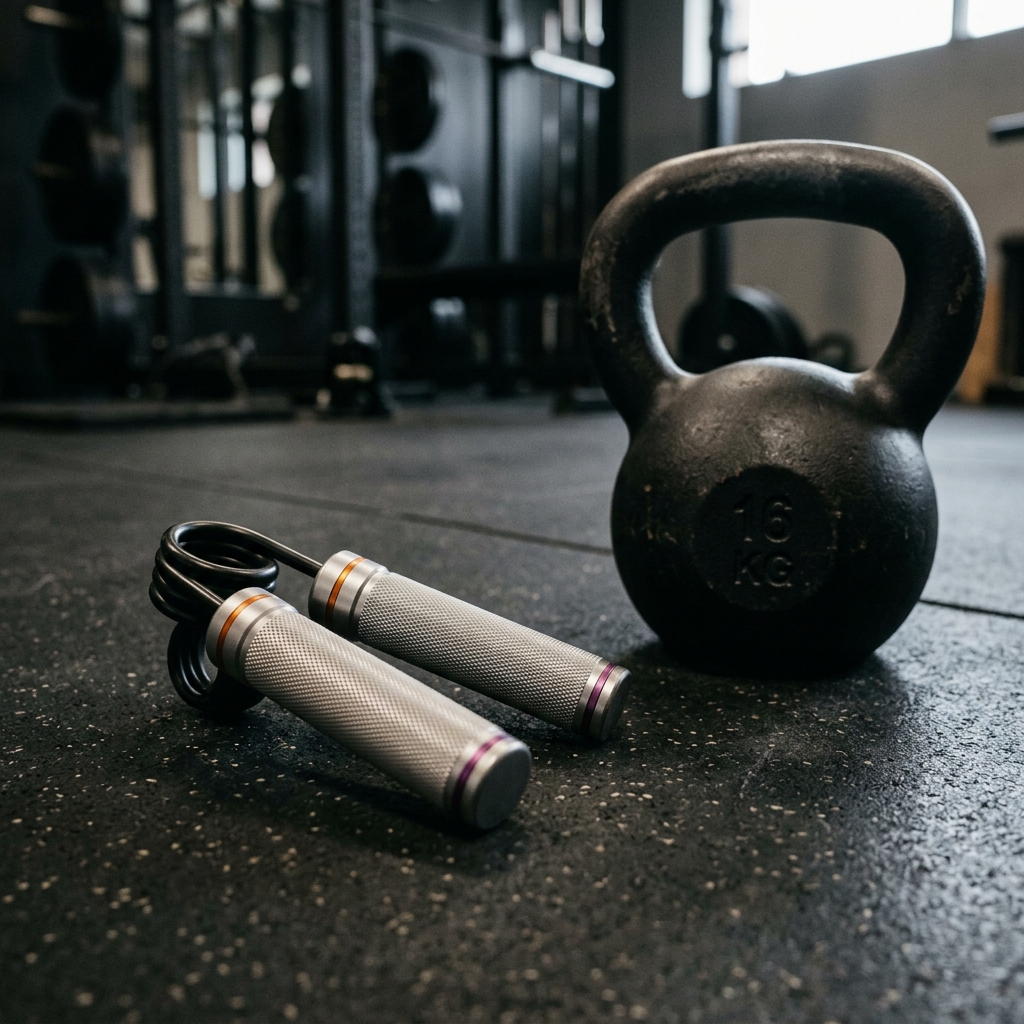
Grip strength is a powerful biomarker of aging. A 2026 guide to building it and why it predicts long-term health and independence.
Heart rate variability tells you when to push and when to rest. A 2026 guide to reading HRV trends and adjusting your training accordingly.
Discover how strength training is evolving in 2026 to focus on longevity, bone density, and functional independence for lifelong health.
Why magnesium glycinate is the recovery supplement of 2026: better sleep, reduced cramps, and faster muscle recovery. Dosing and timing explained.
In 2026, mental and physical fitness are converging. How training your mind and body together improves resilience, performance, and longevity.
Micro-dosing fitness, or exercise snacks: spreading 3-5 minute bouts like stair climbs and air squats through your day instead of one long gym session.
Mindfulness and meditation for fitness: how pairing a short meditation habit with training can support focus, performance and recovery, with practical steps.
Mouth taping for sleep: the science of nasal breathing, how it affects deep sleep and muscle recovery, and whether the viral hack holds up for athletes.
Nasal breathing during exercise is a 2026 endurance trend. The science of breathing efficiency, CO2 tolerance, and how to train it.
Training your nervous system is a defining 2026 trend. Learn breathwork, HRV, and downregulation techniques that improve recovery and performance.
Neuro-fitness explained: how balance work, unilateral exercises and complex coordination movements stimulate brain plasticity and build proprioceptive acuity.
Nutrition fundamentals for muscle gain and fat loss: calorie balance and TDEE, sufficient protein, meal frequency, food quality, and simple planning systems.
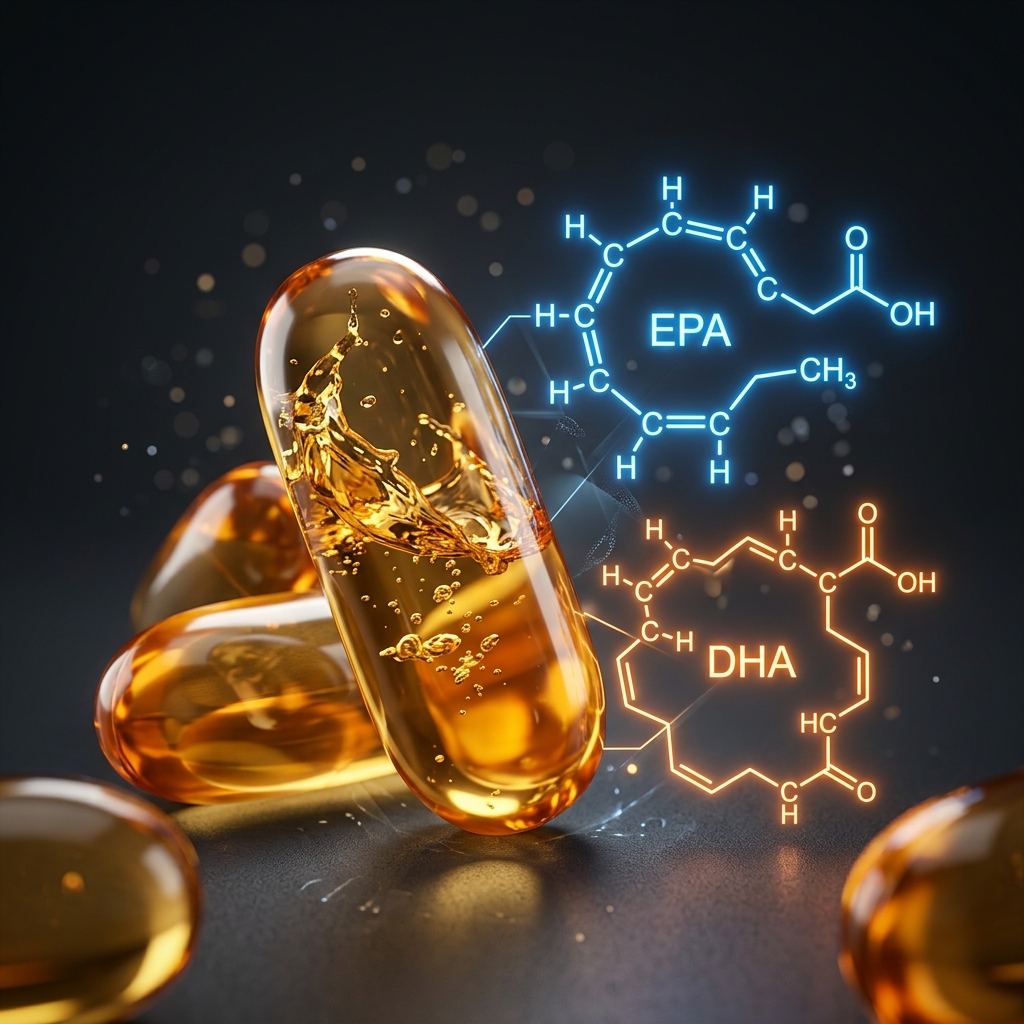
Omega-3 fatty acids support recovery, joint health, and muscle. A 2026 guide to EPA, DHA, dosing, and food vs supplement sources.
In 2026, recovery is a calendar appointment, not an afterthought. Learn how to program rest, sleep, and active recovery for better long-term gains.
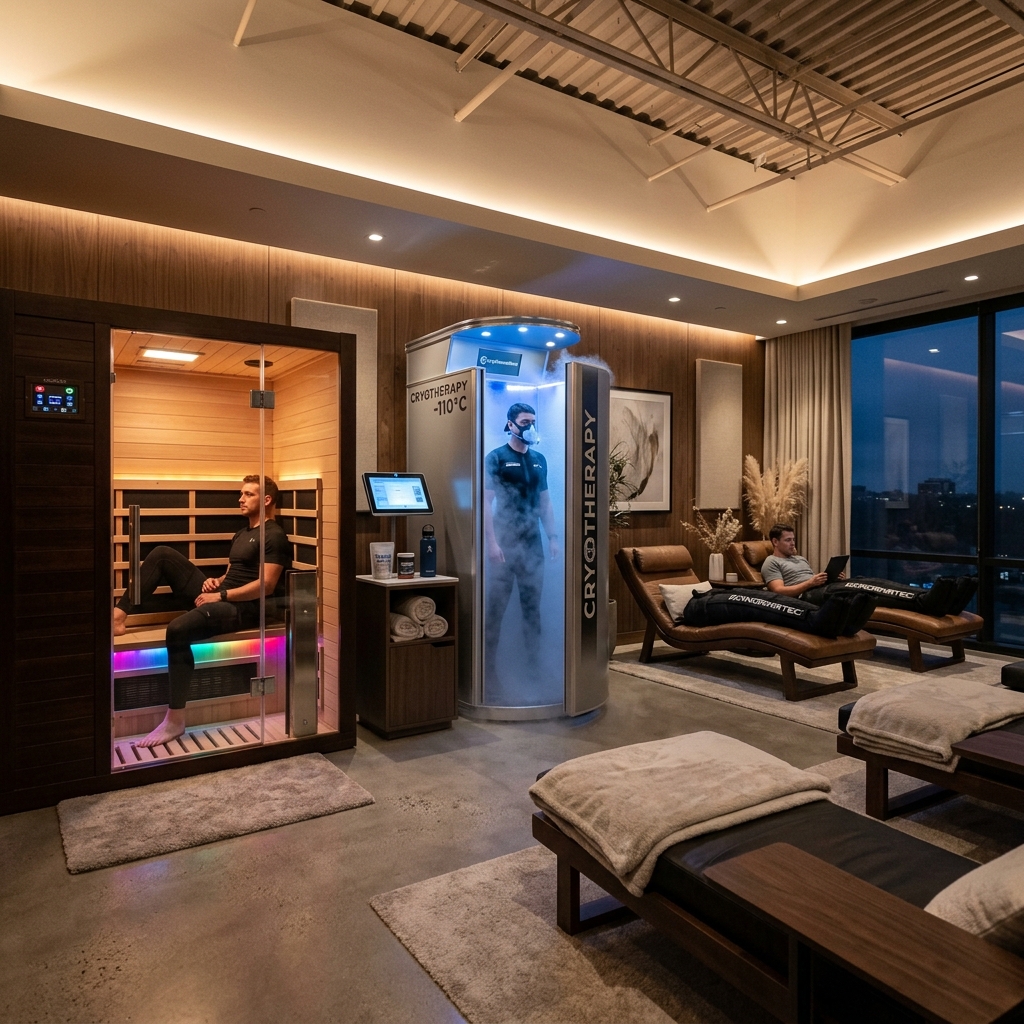
Recovery is the new workout. Explore the benefits of recovery rooms, cryotherapy, infrared saunas, and red-light therapy for optimal performance in 2026.
Red light and near-infrared therapy are trending recovery tools in 2026. What the evidence says about muscle recovery, soreness, and skin.
Contrast therapy is a 2026 recovery staple. Evidence-based sauna and cold protocols for recovery, cardiovascular health, and resilience.
Shinrin-yoku, Japanese forest bathing: slow mindful walking in woodland, developed in 1980s Japan for urban stress, and the evidence on mood and immunity.
Sleep analysis for athletes: the 90-minute sleep cycle, deep and REM sleep, sleep debt, HRV, and how to track recovery with wearables and improve it.
Sleep is the most underrated anabolic tool. A 2026 guide to optimizing sleep for muscle growth, recovery, and training performance.
Somato-sensory fitness explained: how interoception and conscious nervous-system control during lifting aim to boost motor unit recruitment and engagement.
Strength training fundamentals: progressive overload, exercise selection, training frequency and a form checklist for building a program that actually works.
Tai chi is having a 2026 revival as low-impact training for balance, mobility, and stress recovery. How to start and what it delivers.
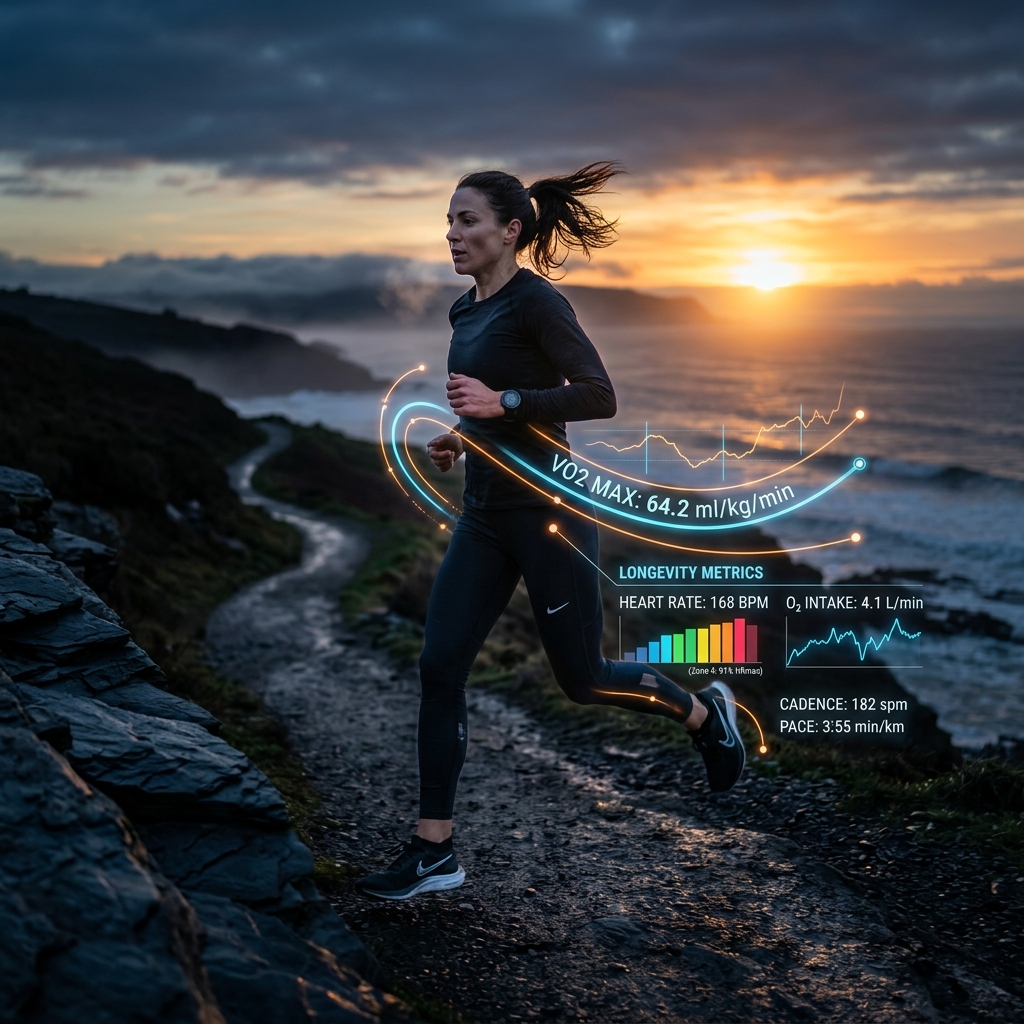
VO2 max training for longevity: why cardiorespiratory fitness predicts lifespan better than cholesterol or body fat, and the protocols that raise it.
VO2 max is one of the strongest predictors of lifespan. A 2026 guide to raising it with intervals, Zone 2, and consistency, at any age.
Zone 0 training: contemplative movement below 50% of max heart rate, how it differs from zone 2, and why ultra-low intensity is becoming a recovery staple.
Why choosing intelligent recovery over high-strain sessions is the secret to progress.
Retrain your brain to listen to satiety signals and eat with intention.
A better predictor of cardiovascular risk than BMI.
Optimize your environment, habits, and timing for peak recovery.
Measurement strategies for climbers, cyclists, runners and athletes over 40.