💡 Key Takeaways
- Expect your HRV trend to dip and resting heart rate to rise for a day or two after heavy CNS-taxing singles, then recover; the return to baseline is what you actually track.
- Watch the 7-day HRV trend, not single mornings, since a late heavy meal, a water cut, or stress can swing one reading more than your last session did.
- A resting heart rate roughly 5+ bpm above baseline with suppressed HRV for several days is a deload signal, not a push-through-it day.
- HRV reflects autonomic recovery, not how strong you are today, so use it to time heavy work and protect your peak, not to predict a single's outcome.
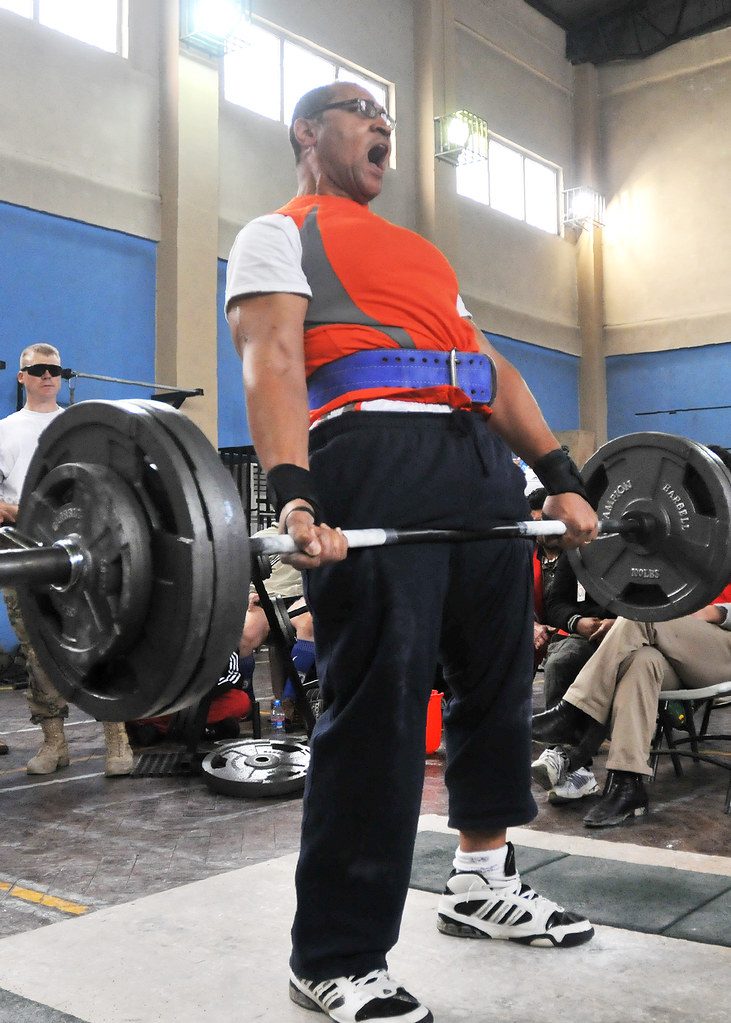
Here is what you can actually expect to see on the screen as a powerlifter, and when. After a heavy top single or a brutal volume day, your HRV trend typically dips and your resting heart rate ticks up for a day or two as your nervous system absorbs the load — then both drift back toward baseline as you recover. That return to baseline is the measurable signal that the CNS-taxing work has been paid off. Watch it across a week and you get an objective read on something powerlifters have always managed by feel: systemic fatigue.
What you will not see is a number that predicts today's squat PR. HRV measures autonomic balance, not how much force you can produce on a given day — a recovery gauge, not a strength forecast.
Below is the data-first walkthrough: what each metric does after heavy work, how to turn the trend into heavy-day and deload decisions, why CNS load shows up in your heart rate, and how weight-class cuts distort the readings.
1. What You'll Measure After Heavy Singles — and When
The pattern is consistent enough to plan around. A heavy session high in mechanical tension and CNS demand pushes you toward sympathetic, fight-or-flight dominance, which suppresses HRV and nudges resting heart rate up for roughly 24 to 48 hours (PMID 23852425). As you recover, parasympathetic tone returns, HRV climbs back, and resting heart rate settles. The speed of that bounce-back is your individual recovery rate, and learning it tells you how to space your heaviest days.
Crucially, a single low morning means little. Day-to-day HRV is noisy — moved by posture, breathing, hydration, a late meal, and measurement error — so reacting to one reading sends you chasing static. Track the 7-day rolling average and treat only a sustained move as real (PMID 23852425). The morning after a deadlift PR will look suppressed by design; the question is whether the trend keeps falling or recovers as expected.
The most useful reframe is what HRV is not. It is a window on autonomic balance, not a measure of muscle recovery or how strong you are today, and it will not tell you whether tonight's single will move (PMID 17345075). What it tells you is whether the accumulated systemic load is climbing faster than you clear it — which over weeks separates a smart peak from an overreached one.
2. Turning the Trend Into Heavy-Day and Deload Decisions
Translate the readings into the calls a powerlifting week actually requires. Standardize the read first — let an overnight strap or ring average the night, or measure in the same position before caffeine — then match your session to where the trend sits, remembering that one elevated morning right after a heavy day is expected, not alarming.
| Recovery signal | What the trend shows | Training call | Powerlifting context |
|---|---|---|---|
| Green | HRV trend at baseline, RHR normal, slept 7-9h | Schedule heavy singles or top sets | Recovered after a lighter day |
| Expected dip | HRV down one day, RHR +3-5 bpm | Proceed as planned if it's day after heavy | Normal CNS cost of a PR session |
| Amber | HRV suppressed 2 days, RHR up, fair sleep | Cut to technique or back-off volume | Stacking heavy days too close |
| Red (multi-day) | HRV suppressed + RHR up + poor sleep | Planned deload week | Late in a peaking block |
| Alarm | RHR up + HRV down + breathing rate rising | Stop, screen for illness | Train through nothing here |
The deload logic is the payoff. When the suppression persists for several days rather than bouncing back on schedule, that is your cue to pull volume and intensity deliberately — the same principle as HRV-guided training, where low-HRV stretches trigger lighter loads (PMID 17345075). Green days, with the trend at baseline after good sleep, are when to schedule your heaviest quality work: openers, top singles, the sessions that demand a fresh nervous system.
3. Why CNS Load Shows Up in Your Heart Rate
It can seem odd that heart-rate data reflects barbell fatigue, but the link is the autonomic nervous system. Heavy lifting drives a large sympathetic, stress-system response, and HRV — the variation between consecutive heartbeats — is a direct, non-invasive index of how that system is balanced (PMID 23852425). When systemic fatigue accumulates from repeated maximal work, that sympathetic dominance lingers into your mornings as a suppressed HRV trend.
Resting heart rate is the sturdier companion signal. A clear rise above your personal baseline, especially alongside a dipping HRV trend, flags incomplete recovery, dehydration, or oncoming illness (PMID 23852425). For a powerlifter it is a simple daily check on whether yesterday's heavy work has cleared. Compare to your own baseline — and note that heavier lifters often carry blood-pressure considerations that make tracking resting cardiovascular markers a sensible health habit beyond performance.
Sleep is the recovery process that makes the rest possible. Deep slow-wave sleep drives the bulk of nocturnal growth-hormone release and the tissue repair that rebuilds what heavy training breaks down, and sleep loss shifts the hormonal environment toward catabolism (PMID 21550729). Short sleep also degrades force production the next day (PMID 25315456). Aim for 7-9 hours with consistent timing, and treat protecting sleep as part of the program.
4. Weight-Class Cuts and How They Distort the Readings
Weigh-ins complicate the data, and reading the distortion wrong can mislead your whole week. A water cut dehydrates you on purpose, and dehydration suppresses HRV and raises resting heart rate independent of training fatigue (PMID 23852425). So a low reading mid-cut is largely reporting the fluid loss, not a fried nervous system — and treating it as a recovery emergency leads to the wrong call. Read cut-week numbers in context and lean on how you feel and your normal cut experience.
The flip side matters too. After you rehydrate and refuel post-weigh-in, expect the metrics to swing back as fluid balance restores, sometimes overshooting before they settle — that rebound is the cut reversing, not a sudden recovery. Plan cuts and rehydration deliberately, since cutting without a refeed-and-rehydrate plan is a recovery and performance risk on its own.
Keep the heavy CNS work clear of the dehydrated window where you can. The data is least trustworthy exactly when you are manipulating water, so trust your experience and your plan over the readiness score there. Once you are back to normal hydration, the trend becomes reliable again for timing heavy work and deloads.
5. When the Data Means Deload or a Doctor, and How Much to Trust It
Deload, do not grind, when the signals cluster and persist: an HRV trend suppressed for several days rather than bouncing back, resting heart rate elevated above baseline, poor sleep, flat motivation, and stalling or declining numbers in training. That combination means the systemic load has outrun your recovery, and pulling volume and intensity for a week is the data-driven fix, not a failure of toughness. You cannot out-train a nervous system that is not recovering.
Some signals are medical, not programming. A multi-day combination of a sharply elevated resting heart rate, a suppressed HRV trend, and a rising overnight breathing rate is a classic pre-illness signature — back off and screen. And any chest pain, palpitations, breathlessness, or unexplained fatigue is a reason to seek medical review, especially for heavier lifters given blood-pressure load; the wearable is a screening prompt, never a diagnosis, and anything around the Valsalva and heavy straining belongs to a doctor's advice, not an app's.
Keep the device in proportion. Wrist optical sensors read heart rate well at rest but poorly under the motion of heavy lifting, so trust the overnight and morning numbers, and a chest strap is the more accurate reference for clean HRV (PMID 30002629). Consumer recovery scores show useful relative trends, not precise absolute values, and differ across brands — so use them as a nudge to check the underlying data, then decide with that and how you feel. Pairing the numbers with consistent habits is what makes them pay off, and our guide to building durable fitness habits helps lock that in across a long block.
🔗 Keep Reading on UltraFit360:
Powerlifters' Questions on Recovery Metrics
Does HRV tell me if I'll hit a PR today?
No. HRV measures autonomic balance and how recovered your nervous system is, not how much force you can produce on a given day, so it will not predict a single's outcome. What it does is show whether systemic fatigue is accumulating faster than you are clearing it, which helps you time heavy work and avoid overreaching across a block. Use it to protect your peak and space your heavy days, not to forecast tonight's top set.
My HRV crashed the morning after a heavy deadlift session. Should I worry?
Usually not. A dip in HRV and a bump in resting heart rate for a day or two after a heavy, CNS-taxing session is the expected cost of that work, and the signal you actually track is whether both return to baseline on schedule as you recover. Worry only if the suppression persists for several days instead of bouncing back, or comes with a rising breathing rate and poor sleep, which points to under-recovery rather than normal fatigue.
How do I read my recovery numbers during a water cut for weigh-ins?
Cautiously. Dehydration from a water cut suppresses HRV and raises resting heart rate on its own, so a low reading mid-cut mostly reflects the fluid loss, not a fried nervous system. Do not treat it as a recovery emergency. Expect the numbers to rebound and even overshoot once you rehydrate and refuel after weigh-ins. During the cut, trust your experience and a planned rehydration strategy over the readiness score, since the data is least reliable exactly then.
When do these numbers say I need a deload?
When the suppression persists rather than recovering: an HRV trend down for several days, resting heart rate elevated above baseline, poor sleep, flat motivation, and lifts stalling or dropping despite effort. One suppressed morning after a heavy day is normal; a multi-day pattern that does not bounce back is the deload signal. Pull volume and intensity for a week, the same logic as HRV-guided training, then rebuild once the trend returns to baseline.
Disclaimer: This article is for educational purposes only and is not medical advice. Consult a qualified healthcare professional before starting any supplement, nutrition, or training protocol — especially if you are pregnant or breastfeeding, under 18, taking medication, or managing a health condition.
Scientific References & Clinical Sources
- Plews DJ, et al. Training adaptation and heart rate variability in elite endurance athletes: opening the door to effective monitoring. Sports Med, 2013. PMID: 23852425
- Kiviniemi AM, et al. Daily exercise prescription on the basis of HR variability among men and women. Int J Sports Med, 2007. PMID: 17345075
- Dattilo M, et al. Sleep and muscle recovery: endocrinological and molecular basis for a new and promising hypothesis. Med Hypotheses, 2011. PMID: 21550729
- Fullagar HH, et al. Sleep and athletic performance: the effects of sleep loss on exercise performance. Sports Med, 2015. PMID: 25315456
- Peake JM, et al. A Critical Review of Consumer Wearables, Mobile Applications, and Equipment for Providing Biofeedback, Monitoring Stress, and Sleep in Physically Active Populations. Front Physiol, 2018. PMID: 30002629