💡 Key Takeaways
- Wim Hof breathing hyperventilates the body to purge CO2, raising blood pH and triggering a cascade of measurable physiological changes.
- Studies confirm practitioners can voluntarily influence their autonomic nervous system and attenuate acute immune responses.
- Never practice near water, while driving, or standing — fainting is a real risk due to hypocapnia-induced cerebral vasoconstriction.
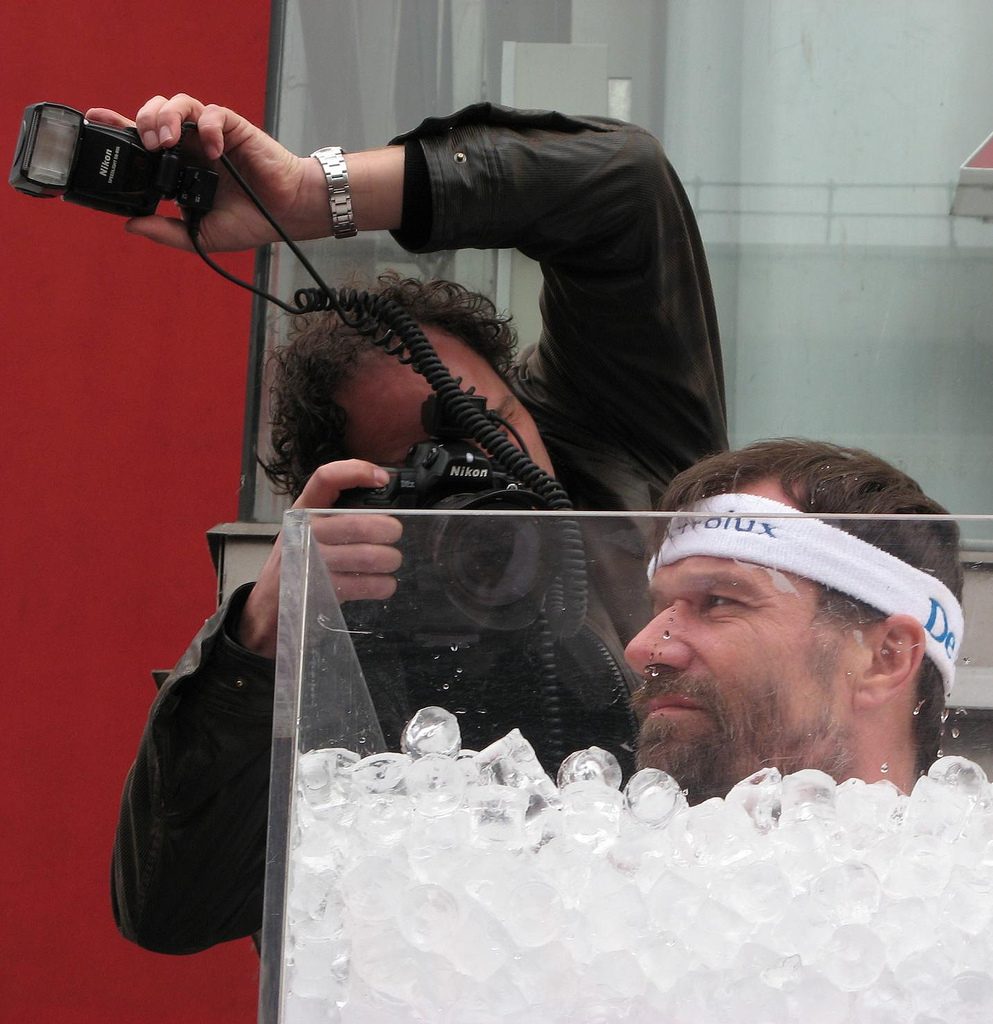
Wim Hof — the Dutch extreme athlete nicknamed "The Iceman" — has climbed Everest in shorts, run a half-marathon barefoot above the Arctic Circle, and sat in ice baths for nearly two hours. For decades, researchers dismissed his feats as genetic quirks. Then a landmark 2014 study published in PNAS demonstrated that Hof's trained practitioners could voluntarily modulate their innate immune response, something previously considered impossible. Suddenly, sports scientists, performance coaches, and biohackers took notice. This guide breaks down exactly what the technique involves, what happens in your body when you do it, and where the science is still uncertain.
1. The Step-by-Step Wim Hof Breathing Protocol
The breathing method is the foundation of Hof's three-pillar system (the other two are cold exposure and meditation/commitment). Done correctly, one full session takes roughly 15–20 minutes and produces noticeable changes in consciousness, body temperature sensation, and muscular relaxation. Most practitioners complete three to four rounds per session, ideally in the morning on an empty stomach before cold exposure.
Round Structure
Step 1 — Power breathing (30–40 breaths). Lie flat or sit in a comfortable position. Take a deep, full inhale through the nose or mouth, filling first the belly, then the chest. Do not pause — immediately exhale loosely, releasing about 80% of the air without forcing. Repeat this cycle 30 to 40 times continuously at a steady pace. Expect tingling in fingers, lips, and feet; this is normal and results from CO2 leaving the blood faster than oxygen is consumed.
Step 2 — Retention (exhale hold). After your final power breath, exhale fully and stop breathing. Do not force the breath out — simply let it go and hold. Keep still. This retention can last anywhere from 1 to 3 minutes depending on your experience level. Do not fight the urge to breathe; instead, relax every muscle consciously. Your oxygen saturation remains adequate far longer than your instinct suggests.
Step 3 — Recovery breath. When the urge to breathe becomes uncomfortable, take one deep inhale and hold it at the top for 15 seconds. This "recovery breath" helps redistribute gases and marks the end of one full round.
Rest for 30–60 seconds with normal breathing, then repeat for a total of three to four rounds. Never skip the rest interval — the hold phase produces hypocapnia and some participants experience brief loss of motor control immediately after the recovery breath if they stand too quickly.
2. What Actually Happens in Your Body
The physiological cascade triggered by Wim Hof breathing is well-documented, even if long-term clinical outcomes are still being studied. Understanding the mechanism helps practitioners use the technique more intelligently and recognize warning signs.
Hypocapnia and Alkalosis
During the power breathing phase you exhale CO2 far faster than your cells produce it. CO2 is not merely a waste gas — it is the primary signal your brainstem uses to drive the breathing reflex. When CO2 drops below roughly 35 mmHg, blood pH rises above 7.45, creating a state of respiratory alkalosis. This shift causes cerebral blood vessels to constrict (which is why some people feel lightheaded or briefly pass out) and makes hemoglobin grip oxygen more tightly — the Bohr effect in reverse. Despite your blood being oxygen-rich, less of it is released to tissues. This is what drives the prolonged breath-hold: with CO2 low and the respiratory drive suppressed, you genuinely can hold your breath for extraordinary durations.
Adrenaline and the Autonomic Nervous System
The 2014 PNAS study (Kox et al.) injected Hof-trained participants with bacterial endotoxin and measured cytokine responses. Hof-trained participants showed significantly lower levels of pro-inflammatory cytokines (TNF-α, IL-6, IL-8) and fewer flu-like symptoms compared to controls. The mechanism appears to run through the adrenal medulla: during hyperventilation and the cold exposure protocol, plasma epinephrine (adrenaline) levels spike dramatically. Epinephrine suppresses the innate immune response via anti-inflammatory signaling pathways, providing a plausible explanation for the reduced cytokine storm.
Sympathetic Activation vs. Parasympathetic Recovery
Counterintuitively, the breathing method activates the sympathetic (fight-or-flight) branch during the power breathing phase, then allows a deep parasympathetic rebound during the retention. This oscillation — sharp sympathetic spike followed by prolonged parasympathetic dominance — may underlie the stress-resilience effects many practitioners report. Heart rate variability (HRV) data collected from practitioners consistently shows elevated parasympathetic tone in the hours after a session.
| Phase | Blood CO2 | Blood pH | Key Effect |
|---|---|---|---|
| Power breathing (30–40 reps) | Drops sharply | Rises (alkalosis) | Tingling, lightheadedness, adrenaline surge |
| Exhale retention | Remains low | Remains elevated | Prolonged hold capacity, deep relaxation |
| Recovery breath (inhale hold) | Begins rising | Normalizing | Warmth sensation, HRV rebound |
| Rest interval | Returns to baseline | Returns to 7.35–7.45 | Parasympathetic dominance, calm alertness |
3. Performance Applications for Athletes
Elite coaches have started incorporating Wim Hof breathing as a pre-training primer and post-training recovery tool, though the performance literature is still thin compared to clinical immunity research. Here is what currently has support:
Pre-Training Arousal and Mental Clarity
The adrenaline spike from three rounds of power breathing creates a state of heightened alertness comparable to what many athletes feel after a strong espresso — but without caffeine's cardiovascular load or cortisol co-secretion. Strength athletes report improved focus during maximal effort sets performed 20–30 minutes after a session. This window aligns with the half-life of circulating catecholamines from the breathing-induced adrenal response.
Lactic Acid Tolerance
A 2022 study in Frontiers in Physiology found that six weeks of Wim Hof method training improved time-to-exhaustion in high-intensity cycling by attenuating the subjective perception of breathlessness, though VO2 max values did not change significantly. The proposed mechanism is improved CO2 tolerance: athletes trained to sit comfortably with low CO2 during practice sessions become less distressed by rising CO2 and lactate during maximal exercise, delaying the decision to stop.
Post-Training Recovery
The parasympathetic rebound following a session appears to accelerate the nervous system's return to homeostasis after intense training. Athletes who incorporate a single 15-minute session within two hours of training report lower subjective fatigue scores in training logs, though randomized controlled data here remains limited. Combined with deliberate cold exposure — the second pillar of Hof's method — the recovery effect is amplified via increased norepinephrine and enhanced lymphatic circulation.
4. Real Risks You Cannot Ignore
No responsible guide on Wim Hof breathing omits the danger section. The technique is physiologically potent, which means it has real failure modes.
Syncope (Fainting) and Hypoxic Blackout
The most documented risk is loss of consciousness, caused by cerebral vasoconstriction from hypocapnia combined with hypoxia during the retention. This is not theoretical — there are multiple recorded drowning deaths of people practicing the method in water. The WHO of Sports Medicine has documented cases of competitive freedivers drowning after adopting similar hyperventilation protocols. The rule is absolute: never practice near water, in a bath, in a pool, or in any situation where losing consciousness would be fatal. Similarly, never practice while driving or operating machinery.
Cardiovascular Contraindications
People with uncontrolled hypertension, known arrhythmias, a history of stroke or aneurysm, or epilepsy should not attempt this technique without explicit medical clearance. The adrenaline spike during power breathing temporarily elevates heart rate and blood pressure. For healthy individuals this poses no risk, but for those with vulnerable cardiovascular anatomy it can trigger events.
Pregnancy
Respiratory alkalosis alters placental blood flow dynamics. There is no safety data on Wim Hof breathing in pregnancy, and the technique should be avoided entirely during this period.
5. How to Build a Sustainable Practice
Most practitioners start seeing consistent benefits — improved cold tolerance, better stress resilience, enhanced pre-workout focus — within two to four weeks of daily sessions. The learning curve is primarily psychological: most people need five to seven sessions before they stop fighting the urge to breathe during retention and allow the relaxation response to take over.
A practical starter program looks like this: Week 1, complete two rounds per session for five days. Week 2, increase to three rounds. Week 3 onward, four rounds becomes the standard. Tracking breath-hold duration each session gives an objective marker of adaptation — most people's comfortable retention time doubles within 30 days without any additional effort as their CO2 sensitivity recalibrates.
Pair morning sessions with a 30–60 second cold shower immediately after. Cold exposure amplifies the norepinephrine release from the breathing session and solidifies the dual-branch nervous system training that underpins most of the method's long-term benefits. If you track HRV with a wearable, most practitioners see a statistically meaningful upward trend within three to six weeks of consistent practice.
Related Resources
- Master box breathing for pre-competition stress control: Box Breathing for Athletes
- Track your nervous system recovery with HRV: HRV Monitoring Guide
- Combine breathing with cold exposure: Cold Exposure Benefits
Frequently Asked Questions
Q: How long before I feel the effects?
Most first-time practitioners feel tingling, lightheadedness, or warmth within the first ten breaths of the power breathing phase. Sustained performance and stress-resilience adaptations typically emerge after two to four weeks of daily practice.
Q: Can I do this every day?
Yes. Hof himself practices daily. There is no evidence of downregulation or habituation to the core physiological effects with daily practice. Many practitioners report that benefits compound over months rather than plateau.
Q: Is Wim Hof breathing the same as holotropic breathing?
They share a hyperventilation mechanism but are distinct practices with different intentions. Holotropic breathwork, developed by Stanislav Grof, is designed to produce non-ordinary states of consciousness for psychotherapeutic purposes and uses a faster, more sustained hyperventilation pattern. Wim Hof breathing is shorter, more structured, and aimed at physiological performance and stress adaptation rather than psychotherapeutic insight.
Q: Will it help with anxiety?
A growing body of anecdotal evidence and a handful of small clinical studies suggest yes. The parasympathetic rebound and conscious confrontation of physical discomfort (learning to sit with the urge to breathe) appear to build interoceptive confidence — a known pathway for reducing anxiety sensitivity. However, people with severe anxiety disorders should consult a clinician before beginning, as initial sessions of hyperventilation can temporarily trigger panic-like sensations.
Scientific References
- Kox M, et al. Voluntary activation of the sympathetic nervous system and attenuation of the innate immune response in humans. PNAS, 2014. PMID: 24799686
- Zwaag J, et al. The influence of the Wim Hof Method on the autonomic nervous system. Autonomic Neuroscience, 2022. PMID: 35074693
- Muzik O, et al. 'Yoga breathing' and the activation of the ANS: a fMRI study. Brain and Cognition, 2018. PMID: 29661561