Key Takeaways
- Ashwagandha (KSM-66 extract, 300–600 mg/day) reliably reduces cortisol by 20–30% in chronically stressed adults — one of the most consistent effects in adaptogen research.
- Multiple RCTs show modest but real increases in testosterone (10–15% in men with suboptimal baseline levels) and meaningful improvements in strength and muscle recovery with 8–12 weeks of use.
- Benefits are greatest in people with elevated baseline stress and cortisol — those who are already well-recovered and low-stress see smaller effects.
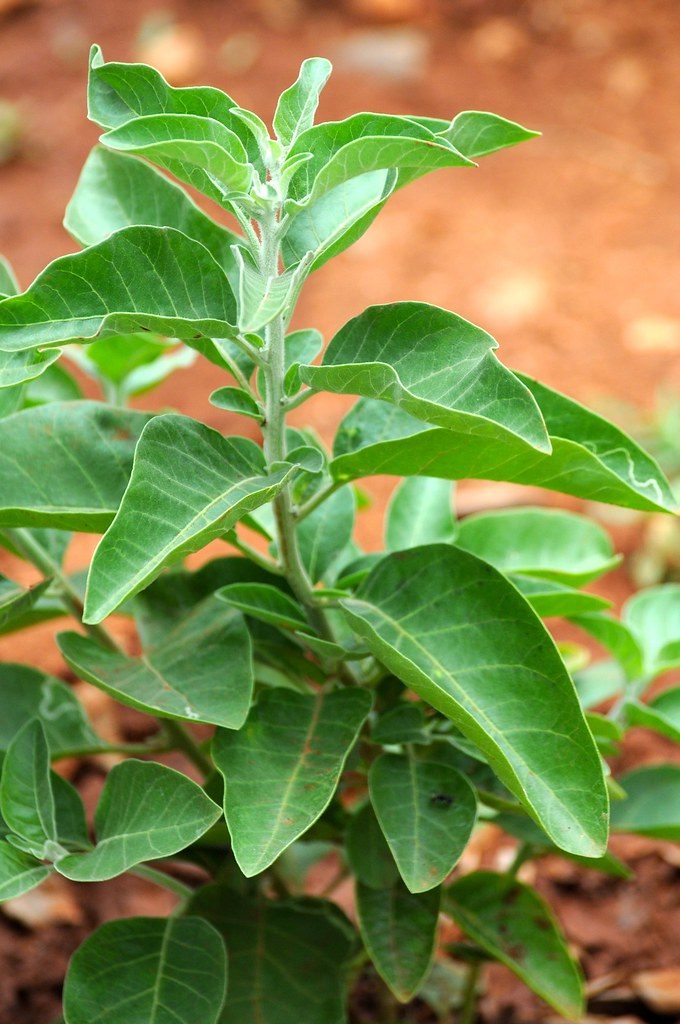
Ashwagandha (Withania somnifera) has been used in Ayurvedic medicine for over 3,000 years as a rasayana — a rejuvenating tonic. In the last decade it has moved from specialty health food stores to mainstream supplement culture, driven by a surge in clinical research that has validated several of the traditional claims. The challenge for the fitness consumer is separating the effects that are well-supported by rigorous human trials from those that are extrapolated from animal models or mechanistic speculation.
The short version: ashwagandha has genuine, reproducible effects on the stress-cortisol axis and modest but real effects on testosterone and exercise performance — particularly in people who are chronically stressed or in a physiological state of overtraining. It is not a testosterone booster in the traditional sense. It is more accurately described as a cortisol normalizer that allows the body's anabolic systems to function closer to their baseline when stress has been suppressing them.
1. The Cortisol Connection: Ashwagandha's Best-Evidenced Effect
Cortisol is the primary stress hormone, produced by the adrenal cortex in response to physical and psychological stressors. In the short term, cortisol is adaptive — it mobilizes glucose, suppresses inflammation acutely, and prepares the body for demanding situations. Chronically elevated cortisol, however, is catabolic: it breaks down muscle tissue for glucose, suppresses testosterone production via the hypothalamic-pituitary-gonadal axis, impairs sleep quality, increases fat storage in visceral depots, and blunts the anabolic response to training.
A 2012 double-blind RCT published in the Indian Journal of Psychological Medicine enrolled 64 chronically stressed adults (confirmed by baseline cortisol measurements) and randomized them to 300 mg of KSM-66 ashwagandha extract twice daily or placebo for 60 days. The ashwagandha group showed a 27.9% reduction in serum cortisol, a 44% improvement in perceived stress scores, and a 72% improvement in sleep quality ratings compared to placebo. These are large effect sizes by supplement standards, and the trial has been replicated multiple times with consistent results.
A 2019 meta-analysis in Medicine pooled five RCTs (total n=400) and confirmed statistically significant reductions in cortisol, anxiety, and stress across all included trials. The effect appears robust — it is not a single industry-funded outlier but a consistent finding across independent research groups.
2. Testosterone and Hormonal Effects
The testosterone claims around ashwagandha require careful interpretation. The supplement does not directly stimulate testosterone synthesis the way pharmaceutical interventions do. Rather, by reducing cortisol, it reduces a primary suppressor of the HPG (hypothalamic-pituitary-gonadal) axis — allowing the axis to function closer to its natural output. The downstream effect is a modest increase in testosterone, most pronounced in men with suboptimal baseline levels due to chronic stress.
A 2019 RCT in Medicine specifically targeting men with low-to-normal testosterone and experiencing infertility found that 675 mg/day of ashwagandha root extract for 90 days increased testosterone by 17% and LH (luteinizing hormone) by 34% compared to placebo. A separate 2015 trial in resistance-trained men found that 300 mg of KSM-66 twice daily for 8 weeks produced a 15% increase in testosterone alongside significant improvements in bench press and leg extension strength.
In men with already-optimal testosterone levels and low chronic stress, the effect on testosterone is smaller and may not be clinically meaningful. Ashwagandha is not a substitute for the foundational habits that maintain healthy testosterone: adequate sleep, resistance training, sufficient dietary fat and zinc, and body fat in a healthy range.
3. Strength, Power, and Exercise Performance
Beyond the hormonal effects, ashwagandha has been tested directly for its impact on exercise performance outcomes. The landmark study in this area is a 2015 RCT published in the Journal of the International Society of Sports Nutrition (Wankhede et al.), which enrolled 57 young male resistance trainees and randomized them to KSM-66 (300 mg twice daily) or placebo for 8 weeks alongside a progressive resistance training program.
The results were notable: the ashwagandha group gained significantly more muscle mass (bicep circumference, chest circumference), greater strength improvements on bench press (+46.0 kg vs +26.4 kg) and leg extension (+14.5 kg vs +9.8 kg), larger reductions in exercise-induced muscle damage (serum creatine kinase), and greater reductions in body fat percentage. The researchers attributed the strength and recovery benefits to a combination of cortisol suppression (reducing muscle protein catabolism post-exercise) and a direct withanolide-mediated effect on muscle protein synthesis.
A subsequent 2021 study in overweight adults found ashwagandha supplementation significantly improved cardiorespiratory endurance (VO2 max) and self-reported quality of life over 8 weeks, suggesting the performance benefits extend beyond strength training to aerobic fitness contexts.
4. KSM-66 vs Sensoril vs Generic Ashwagandha
The form of ashwagandha matters considerably. Most of the high-quality human trials have used standardized extracts — primarily KSM-66 (root extract, standardized to 5% withanolides) and Sensoril (whole plant extract, standardized to 10% withanolides). Generic ashwagandha root powder, while cheaper, has inconsistent withanolide content and limited clinical validation.
| Form | Standardization | Typical Dose | Best For | Human Trials |
|---|---|---|---|---|
| KSM-66 | 5% withanolides (root) | 300–600 mg/day | Strength, testosterone, stress | Most studied; 20+ RCTs |
| Sensoril | 10% withanolides (whole plant) | 125–250 mg/day | Sleep, anxiety, cortisol | Well-studied; 10+ RCTs |
| Generic root powder | Variable (often unstated) | 1,000–3,000 mg/day | Unknown consistency | Limited; variable quality |
5. Timing, Safety, and Who Should Use It
Ashwagandha has a strong safety record across available human trials. The most common side effects are mild gastrointestinal upset, which is typically resolved by taking it with food. Rare cases of liver injury have been reported in case studies, likely related to adulterated products or extremely high doses. The standard KSM-66 dose of 300–600 mg/day is considered safe for continuous use up to 12 weeks in published trials; longer-term safety data is more limited but generally reassuring.
Timing recommendations vary by goal. For cortisol and stress reduction, taking ashwagandha with the evening meal (or at bedtime in the case of Sensoril) aligns with the cortisol diurnal rhythm, which naturally peaks in the morning and should be lowest at night. For testosterone and strength goals, the 300 mg twice-daily split used in the most cited exercise trials (morning and evening with meals) is the best-validated protocol. Onset of noticeable effects typically requires 4–8 weeks of consistent use — do not expect acute effects similar to caffeine.
The population most likely to benefit: men and women with documented or suspected chronic stress, anyone in a heavy training block with elevated cortisol markers, people experiencing sleep difficulties linked to stress, and men with low-normal testosterone and confirmed high cortisol. Those with thyroid conditions should use caution — ashwagandha can modestly increase T3 and T4 levels and should be discussed with a physician if you are on thyroid medication.
Related Reading
- See how magnesium glycinate complements ashwagandha for sleep and recovery.
- Read about caffeine timing — understanding how to balance stimulants with adaptogens.
- Explore testosterone-supporting foods and habits that work synergistically with ashwagandha.
Scientific References
- Chandrasekhar K, et al. A prospective, randomized double-blind, placebo-controlled study of safety and efficacy of a high-concentration full-spectrum extract of ashwagandha root. Indian Journal of Psychological Medicine, 2012. PMID: 23439798
- Wankhede S, et al. Examining the effect of Withania somnifera supplementation on muscle strength and recovery. Journal of the International Society of Sports Nutrition, 2015. PMID: 26609282
- Ambiye VR, et al. Clinical evaluation of the spermatogenic activity of the root extract of Ashwagandha in oligospermic males. Evidence-Based Complementary and Alternative Medicine, 2013. PMID: 24371462
- Pratte MA, et al. An alternative treatment for anxiety: a systematic review of human trial results reported for the Ayurvedic herb ashwagandha. Journal of Alternative and Complementary Medicine, 2014. PMID: 25405876