💡 Quick Answer
Plant protein is protein from soy, pulses, nuts, seeds and grains. The richest Indian sources are dry soya chunks (about 52 g per 100 g), hemp and pumpkin seeds (about 30 g), peanuts (about 25 g) and dry dals (21–26 g). Soy is complete; mix other pulses with grains and eat slightly bigger servings than with whey.
- Best value: soya chunks give about 26 g protein per 50 g dry serving.
- Vegetables are low: most give only 2–3.5 g per 100 g; peas and edamame are the exceptions.
- For muscle: aim for about 2.5–3 g leucine per meal, which usually means 30–40 g of plant protein.
- Vegans: plan for vitamin B12 and pay attention to iron.
Most Indians already eat a lot of plant protein without calling it that: dal, chana, rajma, besan, peanuts and atta all contribute. The problem is that a normal plate is heavy on rice and roti and light on the protein-dense foods. This guide ranks the best plant protein sources available in India, is honest about vegetables, and shows how to reach 100 g a day without dairy.
What Is Plant Protein?
Plant protein is simply protein from plant foods instead of milk, eggs, meat or fish. It is built from the same 20 amino acids. The differences are in the mix and the package: most plant foods are lower in one or two essential amino acids (pulses in methionine, grains in lysine), they come with fibre and starch, and a little less of the protein is digested than from animal foods. None of these are deal-breakers. They just mean plant eaters need to choose the denser sources and combine them.
Best Plant Protein Sources (Per 100 g and Per Serving)
Values are for the form you buy (dry for pulses, soya chunks and grains) unless stated. Cooked dal and chana absorb water, so per 100 g cooked they have roughly a third to a half of these numbers.
| Food | Protein per 100 g | Typical serving | Protein per serving |
|---|---|---|---|
| Soya chunks (dry) | ~52 g | 50 g dry (one big katori cooked) | ~26 g |
| Seitan (vital wheat gluten powder) | ~75 g | 30 g powder | ~22 g |
| Tempeh | ~19–20 g | 100 g | ~19–20 g |
| Firm tofu | 12–17 g (Urban Platter label: 14.6 g) | 100 g | 12–17 g |
| Soy milk (unsweetened) | ~3 g per 100 ml | 250 ml glass | ~7–8 g |
| Moong / masoor / urad dal (dry) | 23–26 g | 30 g dry (one cooked katori) | 6–8 g |
| Kala / kabuli chana (dry) | 18–21 g | 50 g dry (~1 katori boiled) | 9–10 g |
| Rajma (dry) | ~22–24 g | 50 g dry | ~11–12 g |
| Besan (gram flour) | ~22 g | 60 g (2 chillas) | ~13 g |
| Sattu (roasted chana flour) | 20–22 g | 40 g (one glass) | ~8 g |
| Peanuts | ~25 g | 30 g handful | ~7.5 g |
| Hemp seeds (hulled) | ~31 g | 30 g (3 tbsp) | ~9.5 g |
| Pumpkin seeds | ~30 g | 20 g (2 tbsp) | ~6 g |
| Flax seeds | ~18 g | 10 g (1 tbsp) | ~1.8 g |
| Chia seeds | ~16–17 g | 20 g (2 tbsp) | ~3.3 g |
| Oats | ~13 g | 40 g | ~5 g |
| Whole wheat atta | 11–13 g | 40 g (2 rotis) | ~5 g |
| Bajra / jowar / ragi | ~11 / ~10 / ~7 g | 40 g flour (2 rotis) | ~3–4.5 g |
A few practical notes:
- Soy is the backbone. Soya chunks are the densest and cheapest; tofu and tempeh are more convenient but cost more. See our soya chunks protein guide and the paneer vs tofu comparison.
- Pulses do the daily volume. The catch is the thin katori: 30 g of dry dal is only 6–8 g of protein. Make dal thicker (50–60 g dry per serving) or add soya to it.
- Seeds are toppings, not mains. Chia and flax are great for fibre and omega-3, but a spoonful adds only 2–3 g of protein.
- Seitan is pure wheat gluten. It is very high in protein and available online in India as vital wheat gluten, but it is low in lysine and not suitable for anyone with coeliac disease or gluten sensitivity.
Protein-Rich Vegetables: The Honest Version
Vegetables are excellent for fibre, vitamins and minerals, but they are not a meaningful protein source. Even the highest ones give a few grams per katori. The two that stand out, green peas and edamame, are botanically legumes.
| Vegetable (cooked) | Protein per 100 g | Per katori (~100 g) | kcal per katori |
|---|---|---|---|
| Edamame (green soybeans) | ~11–12 g | ~11–12 g | ~120 |
| Green peas (matar) | ~5.4 g | ~5 g | ~85 |
| Sweet corn | ~3.4 g | ~3.5 g | ~95 |
| Spinach (palak) | ~3 g | ~3 g | ~25 |
| Mushrooms | ~2–3 g | ~2–3 g | ~25–30 |
| Broccoli | ~2.4 g | ~2.4 g | ~35 |
So a bowl of palak or broccoli helps a little, and matar in your paneer, tofu or soya keema helps more. But you would need about 3 kg of cooked spinach to get 100 g of protein. Put vegetables on every plate for health, and get the protein from soy, pulses and (if you eat them) dairy.
Protein Quality: PDCAAS, DIAAS and Leucine
Two scores are used to rate protein quality. PDCAAS checks whether a protein supplies enough of each essential amino acid and how well it is digested, capped at 1.0. DIAAS is the newer, stricter method that measures digestion at the end of the small intestine and is not capped. In plain words: higher is better, and animal proteins and soy score highest.
- Soy is a complete protein. Soy protein scores close to 1.0 on PDCAAS, the same top score as whey and egg, and also does well on DIAAS.
- Pea protein scores roughly 0.8–0.9; most pulses are in a similar range. Wheat and other grains score lower, often around 0.4–0.5, mainly because they are short on lysine.
- Combining fixes most of the gap. Pulses are low in methionine and grains are low in lysine, so dal-chawal, rajma-rice and chana with roti cover each other. They do not need to be in the same meal; across the day is fine.
For muscle, the amino acid that matters most is leucine, which switches on muscle protein synthesis. A common guide is about 2.5–3 g of leucine per meal. Whey is about 10–11% leucine, so 25 g of whey covers it. Most plant proteins are about 7–8% leucine, so you need roughly 30–40 g of plant protein in a meal to hit the same mark. The practical rule: make your plant protein servings about a third bigger. Our plant protein bioavailability guide goes deeper into the scores.
Plant Protein vs Whey for Muscle
A balanced summary of the research:
- When total protein is high, results are similar. A 2018 meta-analysis (Messina and colleagues) found soy and animal protein produced similar gains in strength and lean mass with resistance training. A 2021 study (Hevia-Larraín and colleagues) found habitual vegans and omnivores eating about 1.6 g protein per kg gained muscle at a similar rate over 12 weeks.
- Per gram, whey is still more efficient. It digests fast, has more leucine and comes with almost no carbs or fibre. At low or borderline protein intakes, that advantage matters more.
- So plant eaters should aim at the upper end: about 1.6–2.0 g per kg a day, spread over 3–4 meals of 30–40 g. Use the protein calculator for your number.
If you want a powder, soy isolate or a pea-rice blend is the closest plant match to whey. See the best plant protein powder in India for what to check on the label.
A Vegan 100 g Protein Day (Indian Food)
No dairy, no powder, all from ordinary Indian groceries. Weights are dry or raw unless stated.
| Meal | What you eat | Protein |
|---|---|---|
| Breakfast | 2 besan chillas (60 g besan) + 250 ml unsweetened soy milk | ~21 g |
| Mid-morning | 30 g roasted chana + 20 g pumpkin seeds | ~12 g |
| Lunch | Soya chunk curry (50 g dry chunks) with matar + 2 rotis | ~33 g |
| Evening | Sattu drink (40 g sattu in water with lemon) | ~8 g |
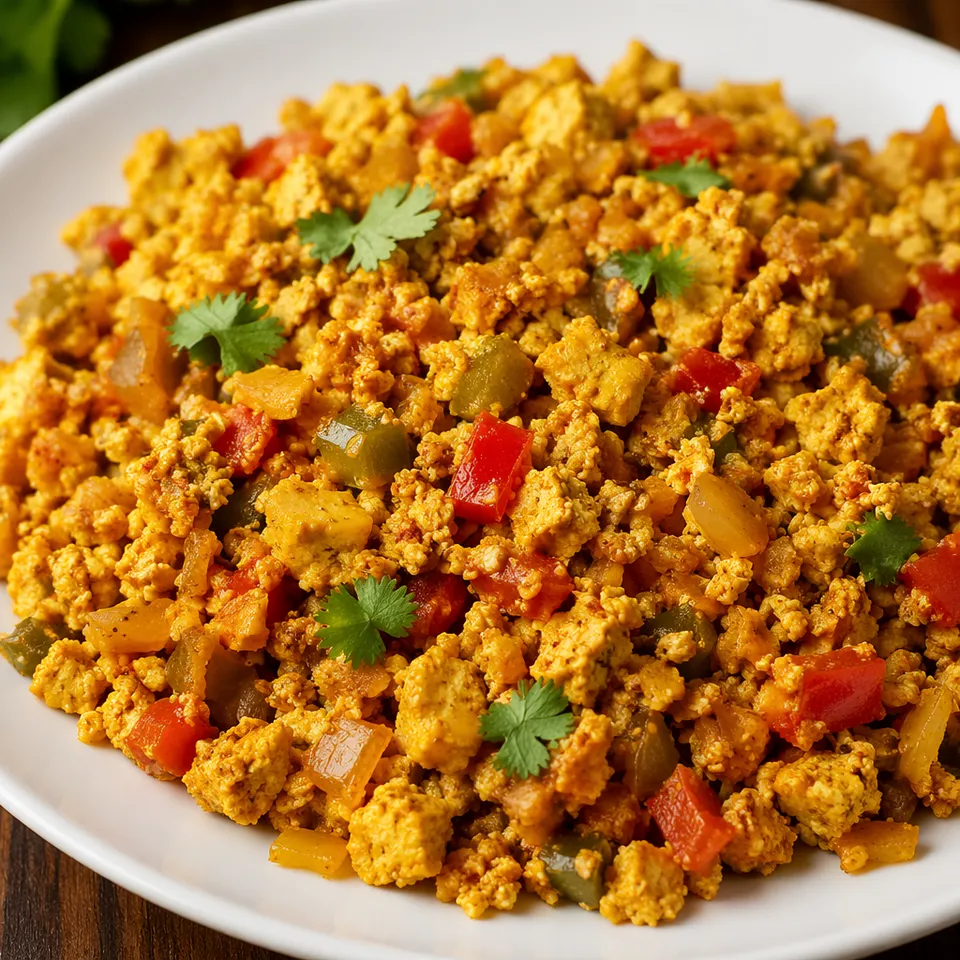
| Dinner | Masoor dal (60 g dry) + tofu bhurji (100 g tofu) + rice or 2 rotis | ~32–35 g |
| Total | ~105–109 g |
That is roughly 1,900–2,200 kcal depending on oil and rice, which suits a 60–70 kg lifter. Each main meal lands near 30 g or more, enough to clear the leucine threshold. If 50 g of soya in one go upsets your stomach, split it between lunch and dinner. For a vegetarian version that includes paneer, curd and milk, see protein-rich vegetarian foods.
B12 and Iron Notes for Vegans
- Vitamin B12: not reliably found in plant foods. Vegans should take a B12 supplement or use fortified foods daily, and lacto-vegetarians are also often low. Read about B12 deficiency symptoms in vegetarians and ask your doctor about testing and dose.
- Iron: pulses, soy, sattu, ragi and leafy greens contain iron, but plant (non-heme) iron is absorbed less well. Eat it with vitamin C (lemon, amla, tomato) and keep tea and coffee an hour away from iron-rich meals. Women in particular should get haemoglobin checked and talk to a doctor before taking iron tablets.
- Others worth watching: calcium (calcium-set tofu, fortified soy milk, ragi, sesame), zinc and omega-3 (flax, chia, walnuts).
Frequently Asked Questions
Which plant has the most protein?
Soybean is the richest common plant protein. Dry soya chunks have about 52 g of protein per 100 g, and seitan made from wheat gluten is similarly high. Among whole foods, hemp and pumpkin seeds (about 30 g per 100 g), peanuts (about 25 g) and dry dals (21 to 26 g) come next.
Is plant protein as good as whey for muscle?
It can be, if you eat enough. Studies of people lifting weights find similar muscle gains with soy or mixed plant protein when total protein is high, around 1.6 g per kg a day. Plant meals may need a slightly larger serving, about 30 to 40 g, to match the leucine in 25 g of whey.
Which vegetables are high in protein?
Edamame (about 11 to 12 g per 100 g cooked) and green peas (about 5 g) are the highest, but both are really legumes. True vegetables such as spinach, broccoli, mushrooms and sweet corn give only 2 to 3.5 g per 100 g, so they cannot be your main protein source.
How can vegans get 100 g of protein a day in India?
Build every meal around soy or pulses: soya chunks or tofu, dal, besan, chana or sattu, plus soy milk, peanuts and seeds as snacks. A day with 50 g dry soya chunks, 100 g tofu, 60 g dry dal, 60 g besan, sattu and roasted chana comes to about 105 g.
Is soy a complete protein?
Yes. Soy contains all nine essential amino acids in useful amounts and scores close to 1.0 on PDCAAS, the same top score as whey and egg. Soya chunks, tofu, tempeh, edamame and soy milk all count.
Do vegans need B12 supplements?
Almost always, yes. Vitamin B12 is found reliably only in animal foods and fortified products, so vegans should take a B12 supplement or eat fortified foods daily. Get your levels checked and ask your doctor about the right dose.
Sources: USDA FoodData Central for tofu, tempeh, soy milk, edamame, seeds, oats, seitan (vital wheat gluten) and vegetables; IFCT 2017 (ICMR-NIN) for dals, chana, soya chunks, peanuts and millets; brand labels (Urban Platter) for packaged tofu. Values are typical and vary by brand and moisture.
Getting enough protein from plants is mostly about knowing your numbers. UltraFit360 logs Indian meals from a photo and tracks protein against your goal. Find your daily target with the protein calculator.
Track Your Plant Protein Automatically
Snap a photo of your dal, tofu bhurji or soya curry and UltraFit360 logs calories and protein against your daily target.